Alloy steel is a steel material made with added alloying elements to improve mechanical performance, processing behavior, and service reliability. Compared with ordinary carbon steel, alloy steel can offer better strength, toughness, hardenability, wear resistance, fatigue resistance, impact performance, and heat treatment response. Common alloying elements may include chromium, molybdenum, nickel, manganese, silicon, vanadium, or other elements depending on the required grade and application.
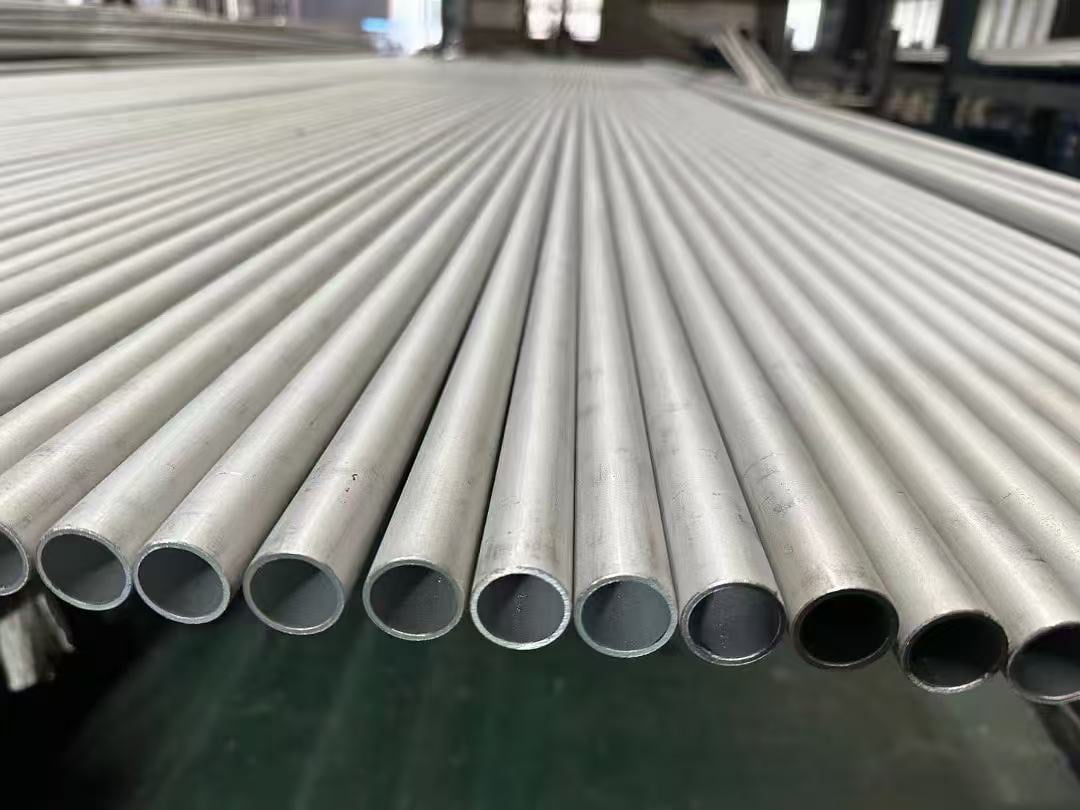
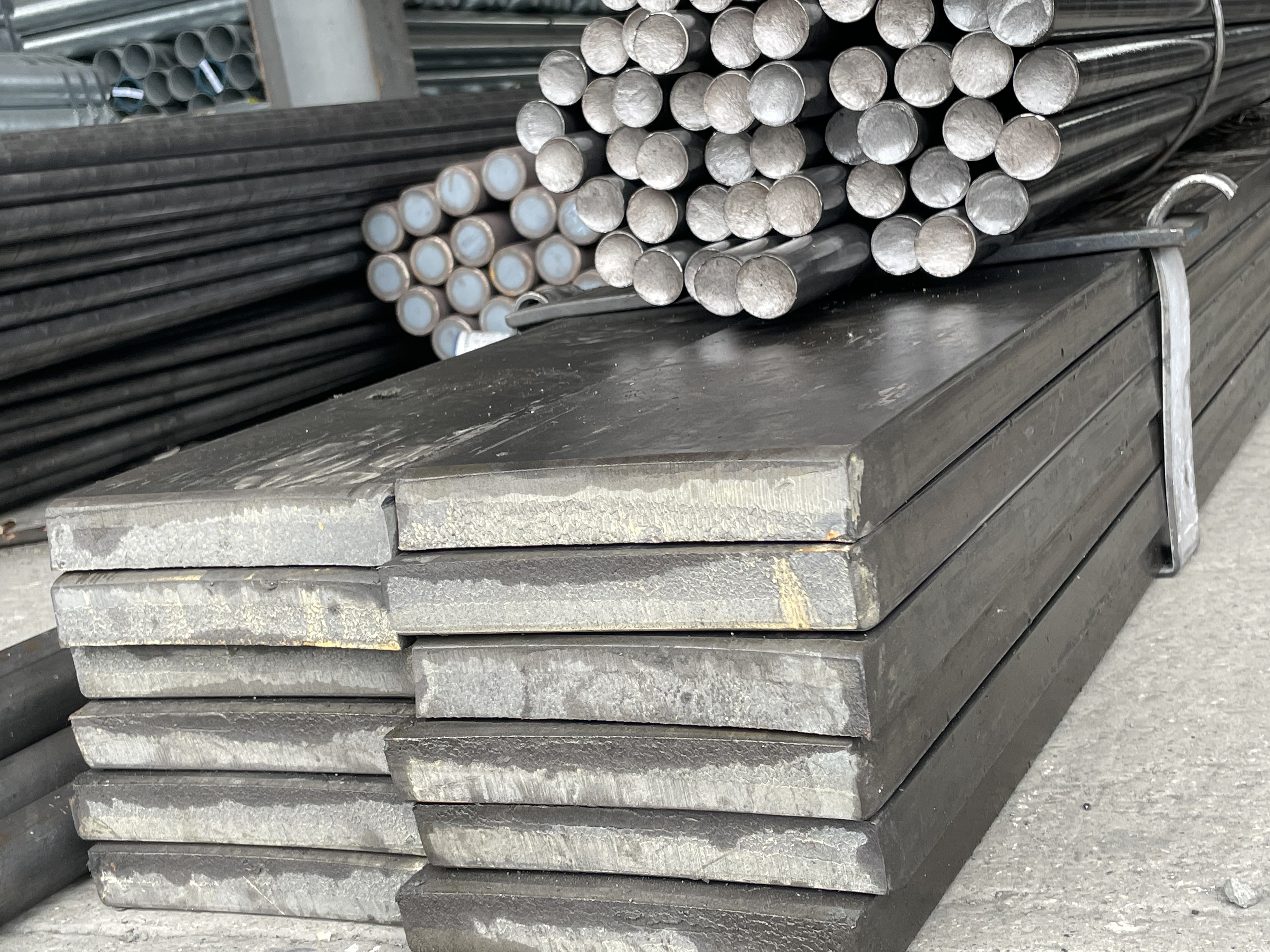
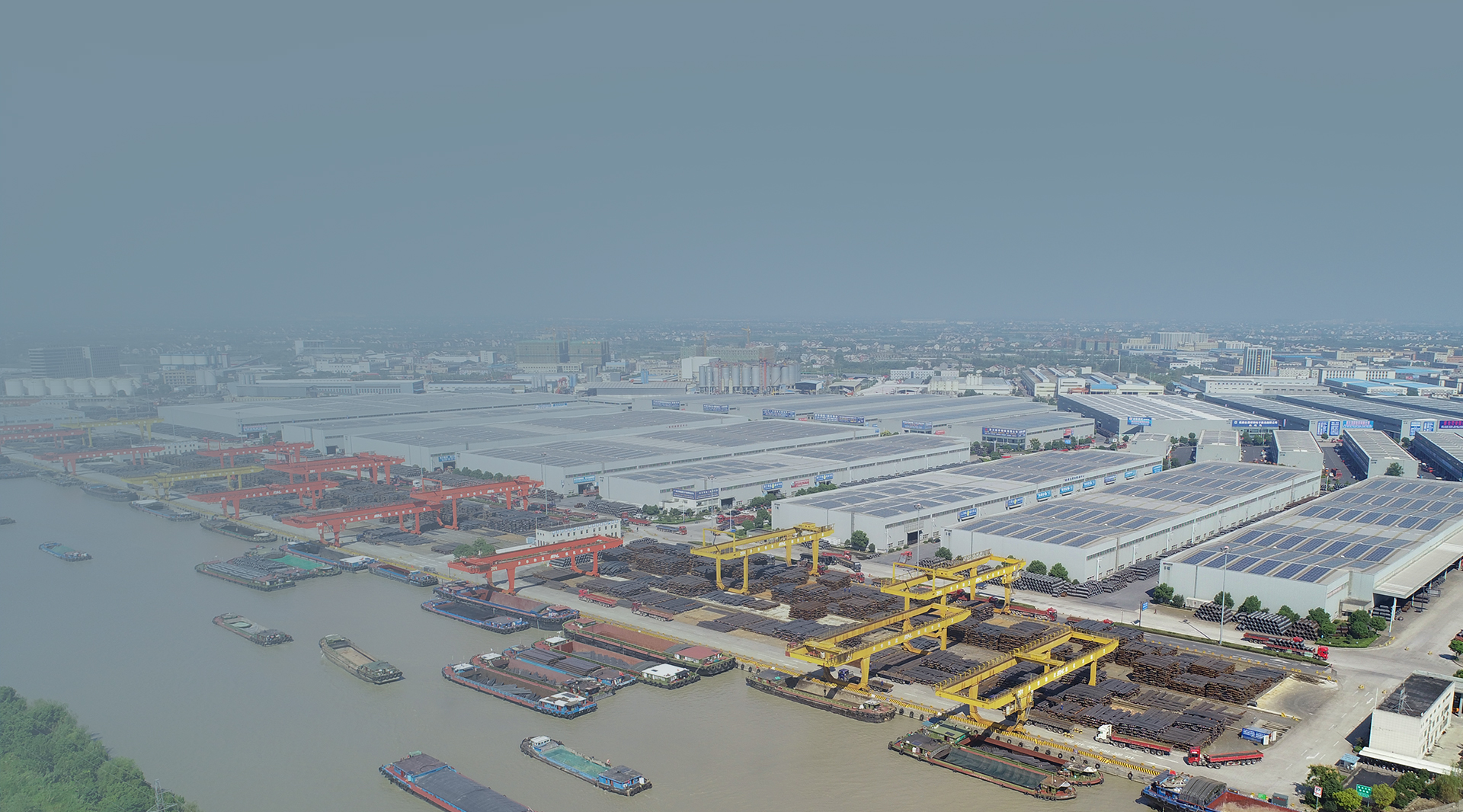
Zhejiang Deqing International Steel Market supports alloy steel sourcing for machinery factories, forging plants, machining workshops, automotive component producers, oil and gas equipment suppliers, mining machinery manufacturers, mold makers, importers, distributors, and engineering buyers. Available materials include alloy steel bar, alloy steel plate, alloy steel round bar, low alloy steel, high alloy steel, chrome moly steel, heat treatable alloy steel, and engineering alloy steel. Buyers can confirm standard, grade, diameter, thickness, width, length, tolerance, surface condition, hardness, testing request, cutting request, packing method, destination, and delivery time before order arrangement.
Different grades of alloy steel serve different industrial needs. 4140 alloy steel and 42CrMo4 steel are widely used for shafts, gears, bolts, couplings, machine parts, tool holders, and mechanical components requiring strength and toughness after heat treatment. 4340 alloy steel is selected for high-strength parts such as aircraft components, heavy shafts, transmission parts, and stressed machinery components. 8620 alloy steel is a common case-hardening grade used for gears, pins, bushings, shafts, and wear-resistant parts. SCM440 steel is often used in automotive, machinery, and engineering applications where good hardenability and strength are required.
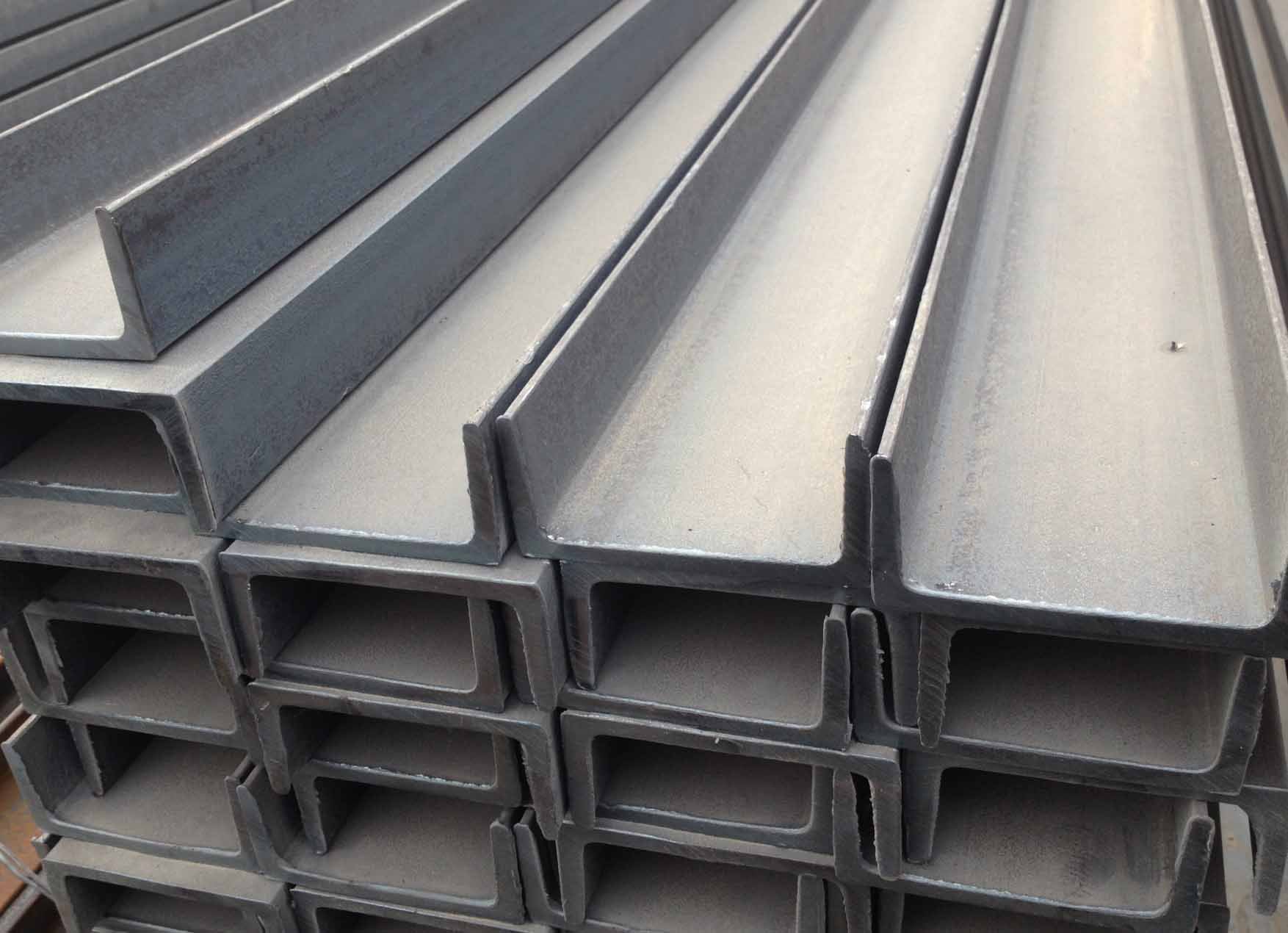
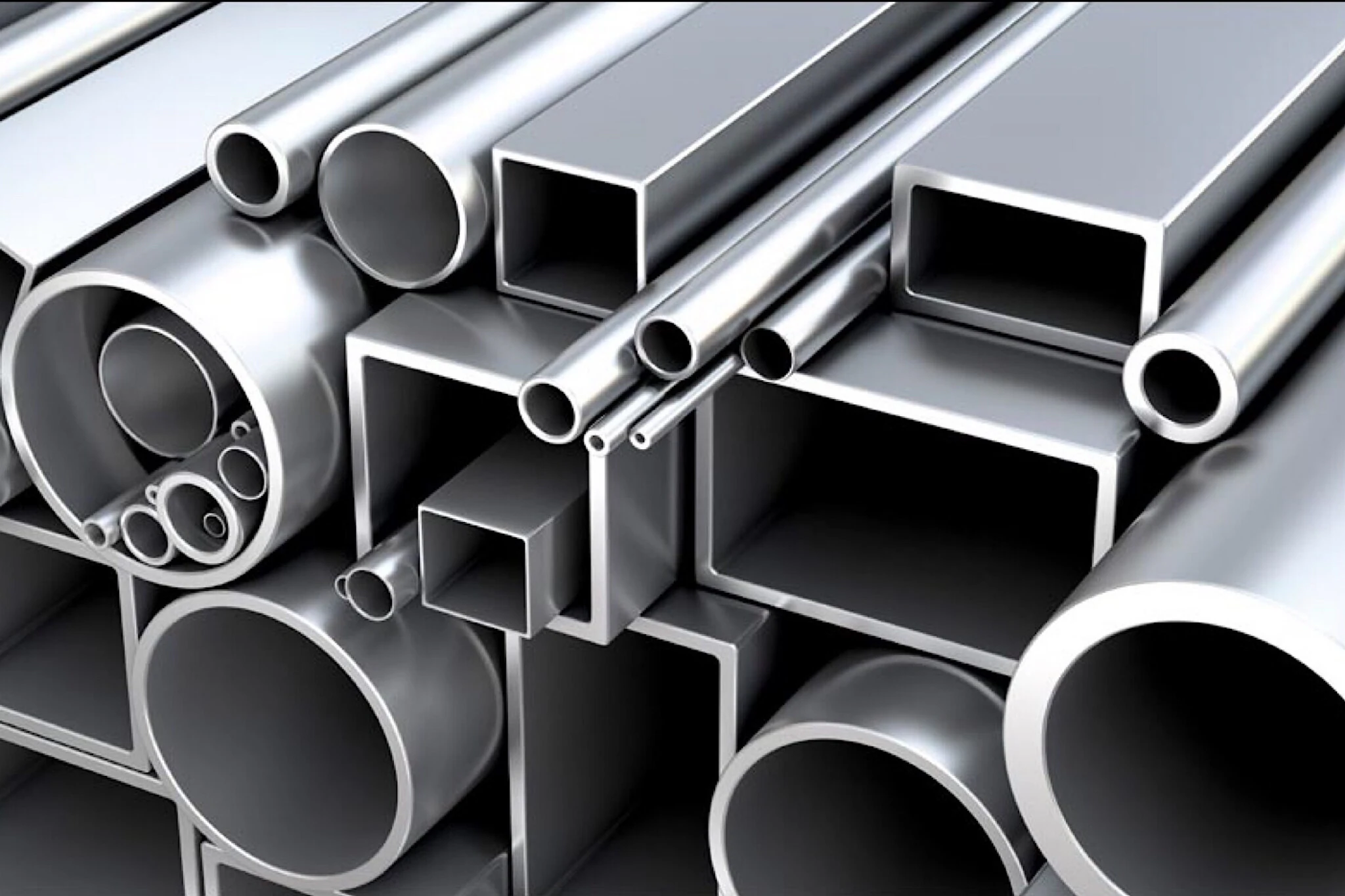
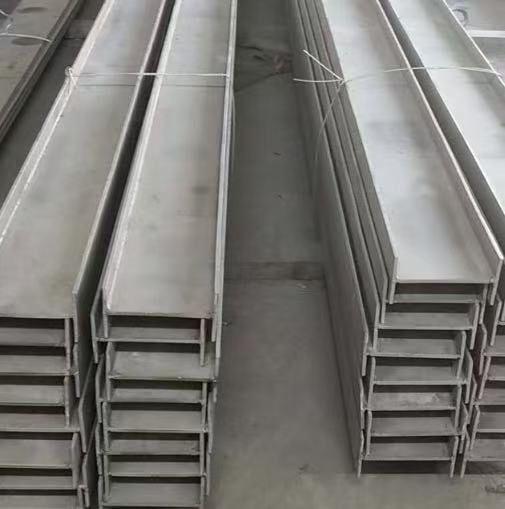
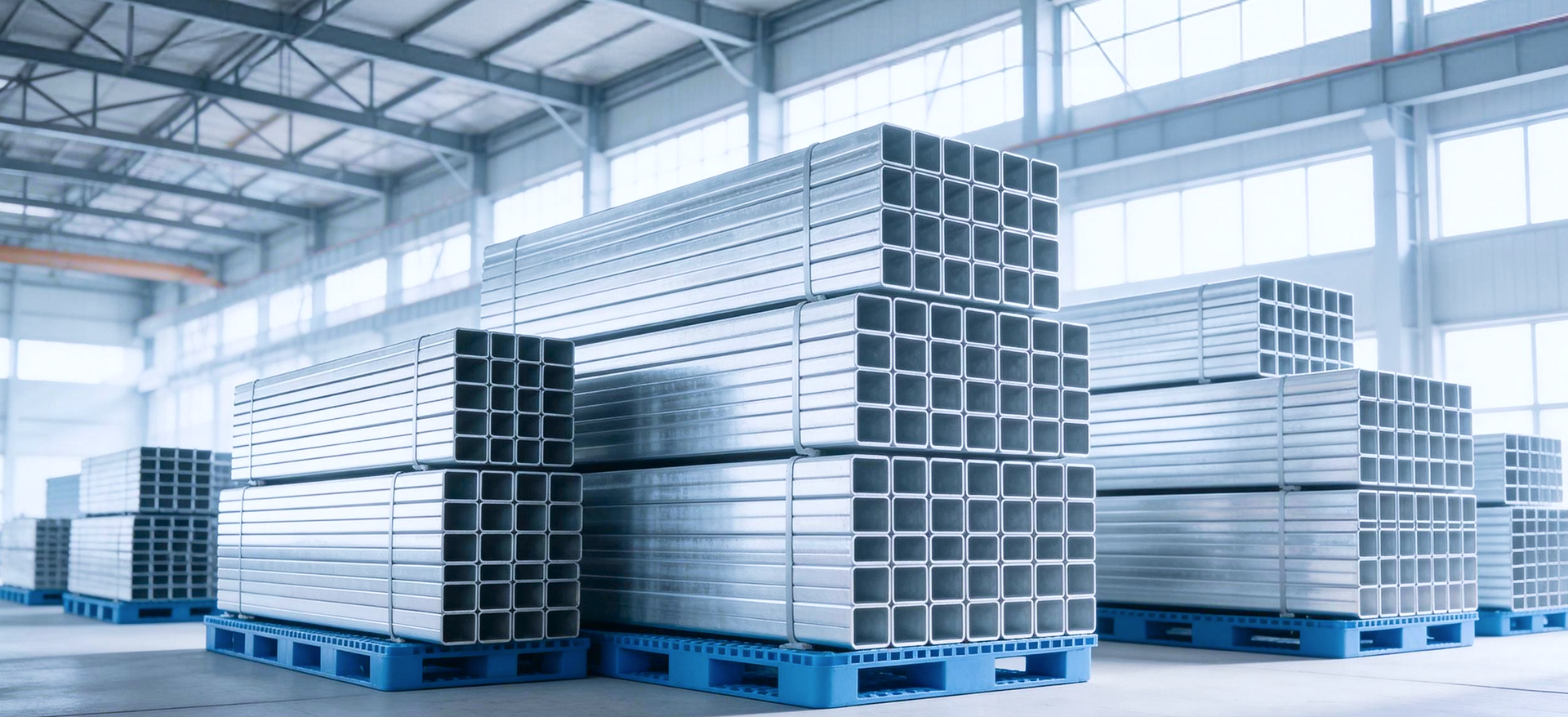
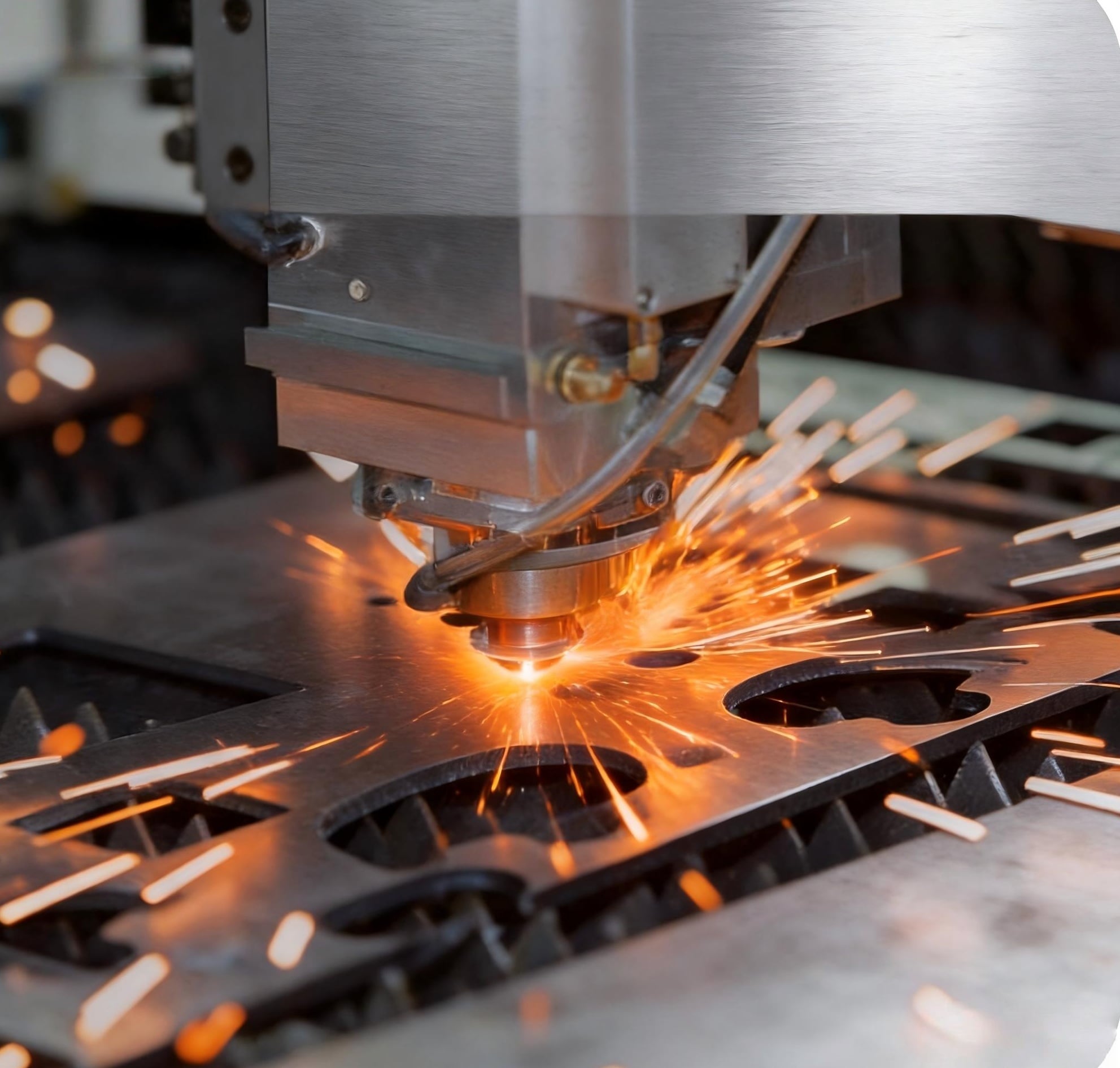
Product form also affects application. Alloy steel round bar is suitable for turning, forging, shafts, pins, fasteners, and machined components. Alloy steel plate is used for molds, machine bases, tooling parts, pressure components, and heavy fabrication. Alloy steel bar can be supplied in hot rolled, forged, peeled, turned, annealed, normalized, quenched and tempered, or cut-to-size condition according to processing needs.
When selecting alloy steel, buyers should not focus only on price. Important factors include grade equivalence, chemical composition, mechanical properties, hardness range, heat treatment route, machining allowance, ultrasonic testing need, surface defects, straightness, dimensional tolerance, and final working condition. For example, a gear manufacturer may need 8620 alloy steel for carburizing, while a shaft producer may choose 4140 alloy steel or 4340 alloy steel for quenched and tempered performance.
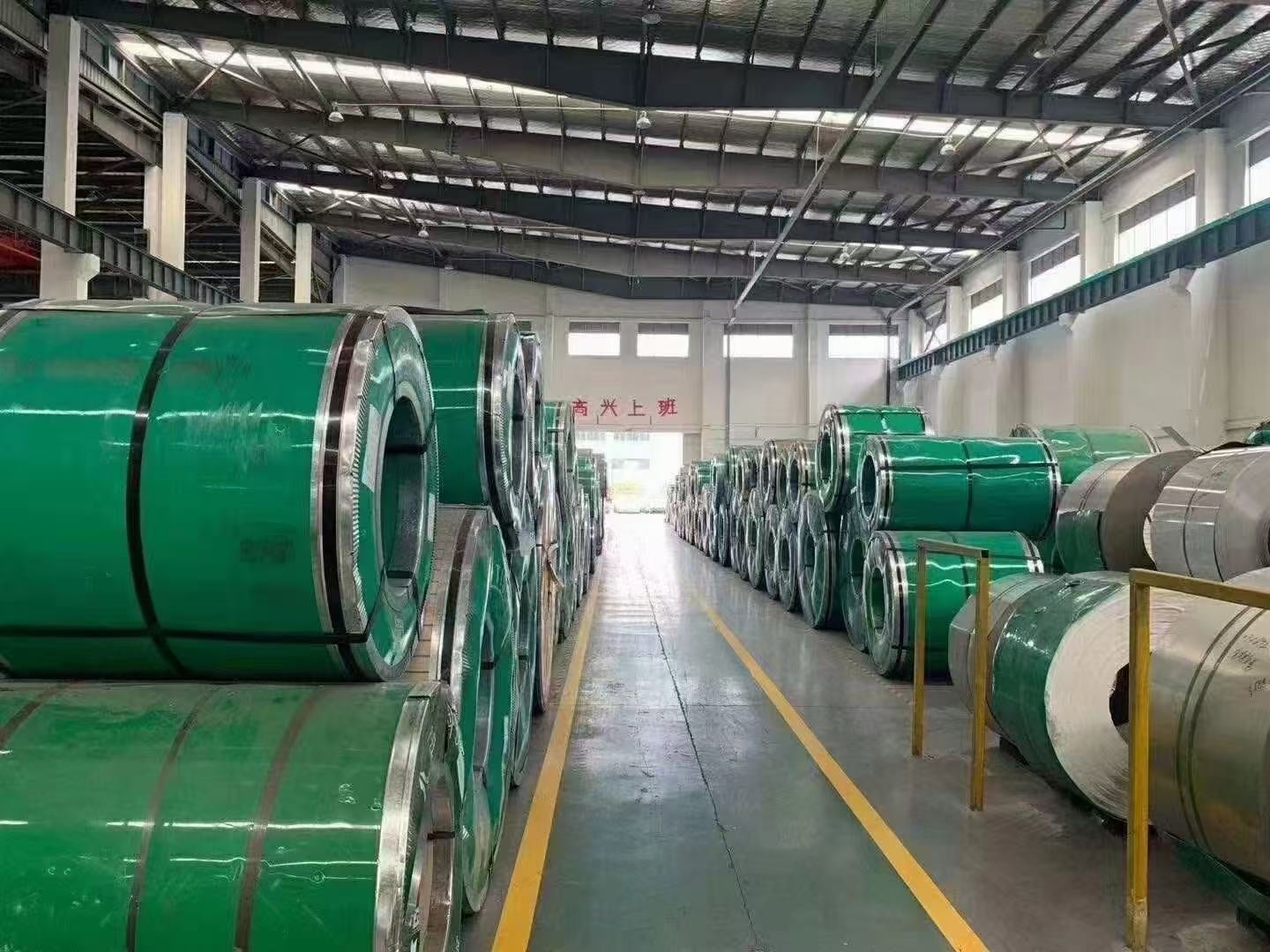
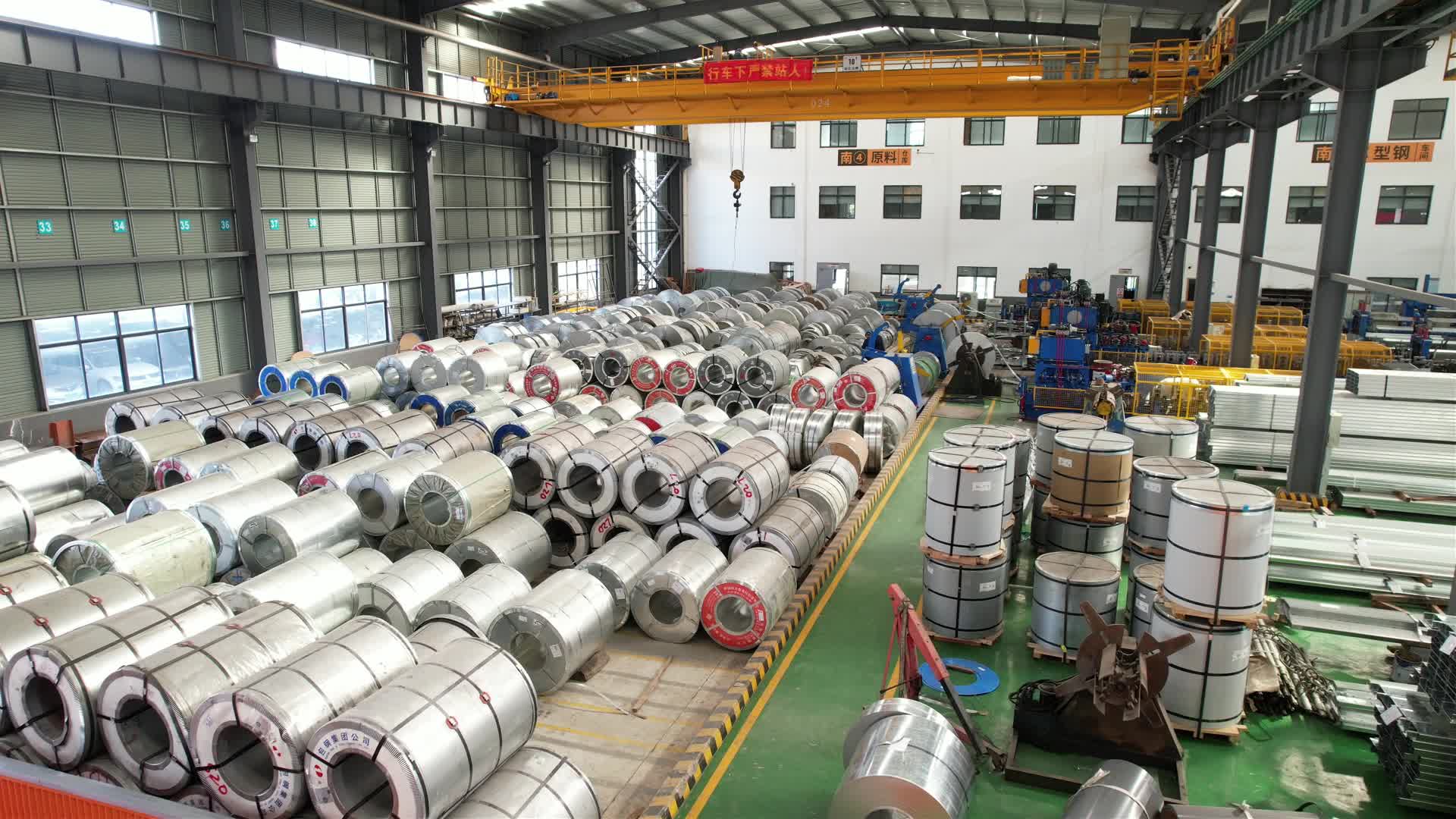
Our service supports alloy steel procurement with grade review, size confirmation, cutting coordination, surface protection, bundle packing, wooden box packing, label marking, documentation assistance, container loading, and logistics follow-up. The goal is to make alloy steel sourcing clear, efficient, and reliable for machining, forging, fabrication, heavy equipment, automotive production, maintenance, and export supply.
 EN
EN