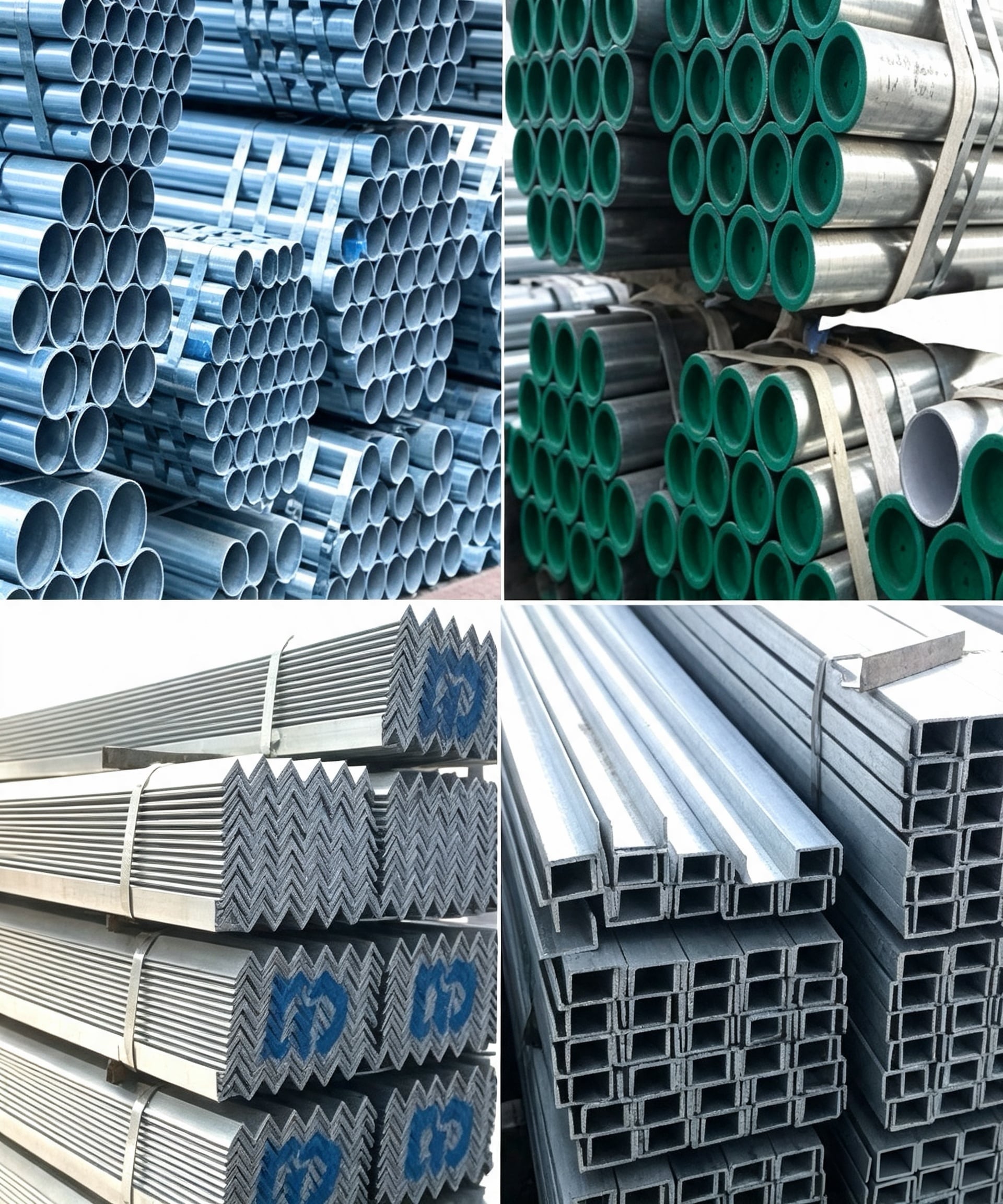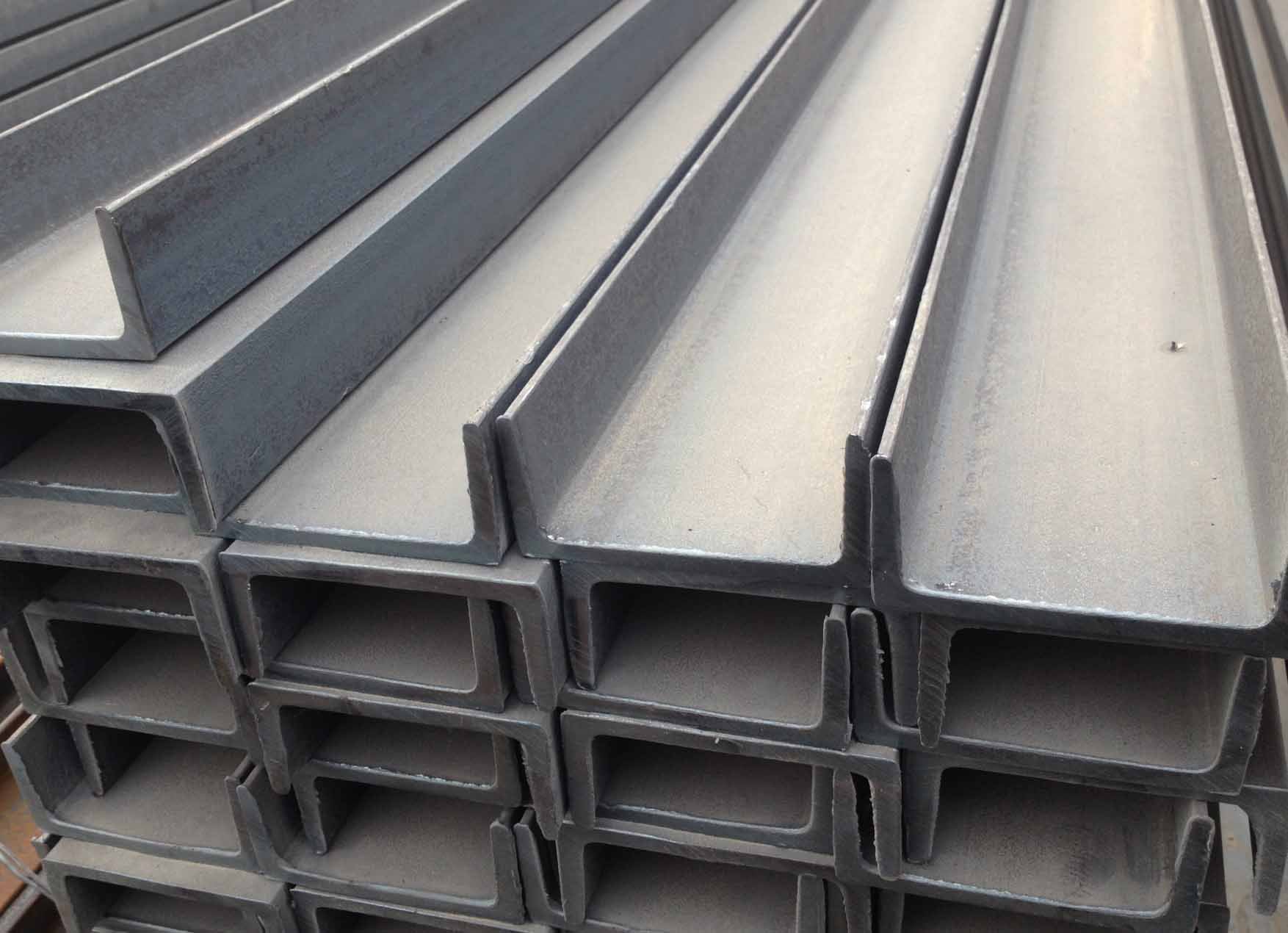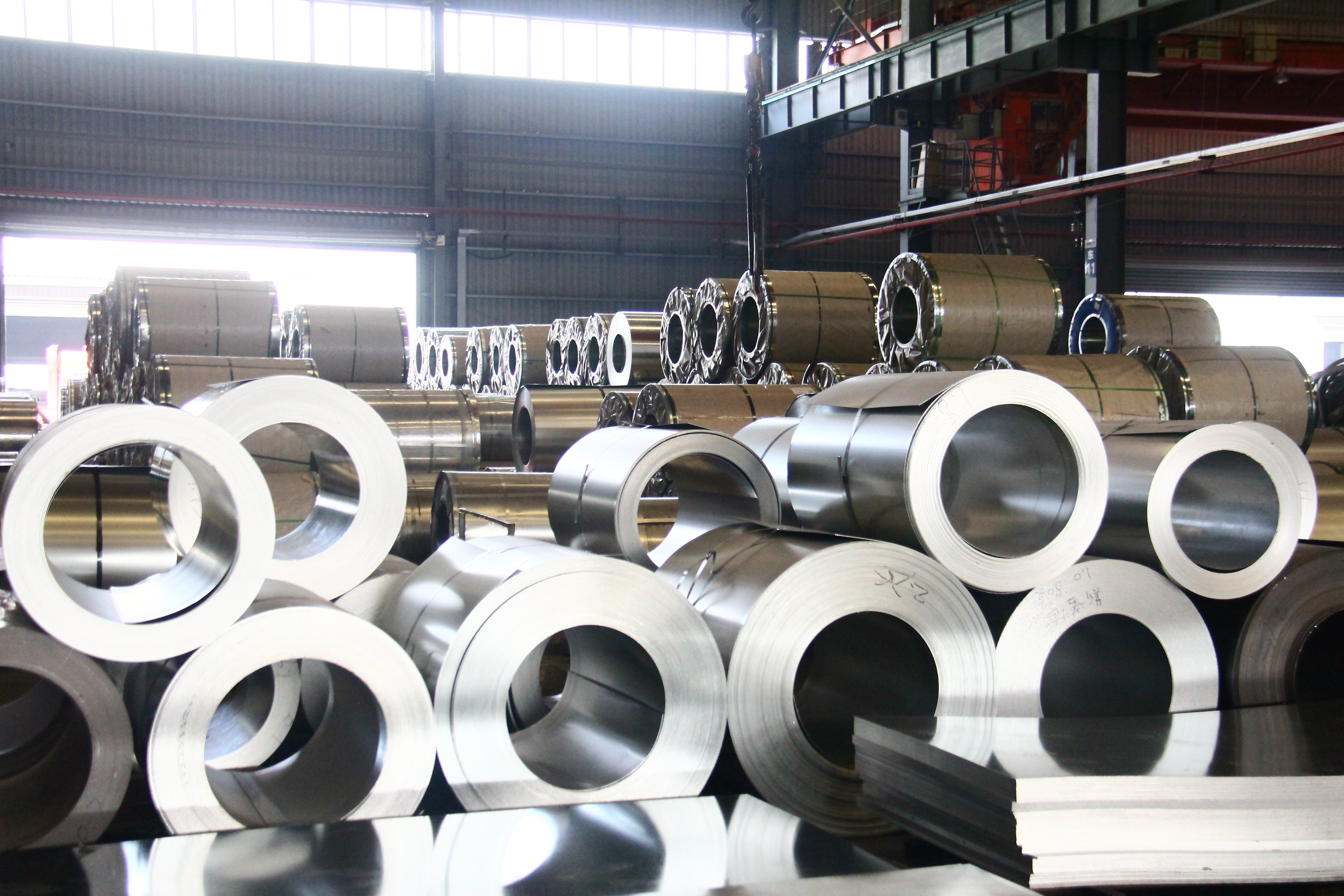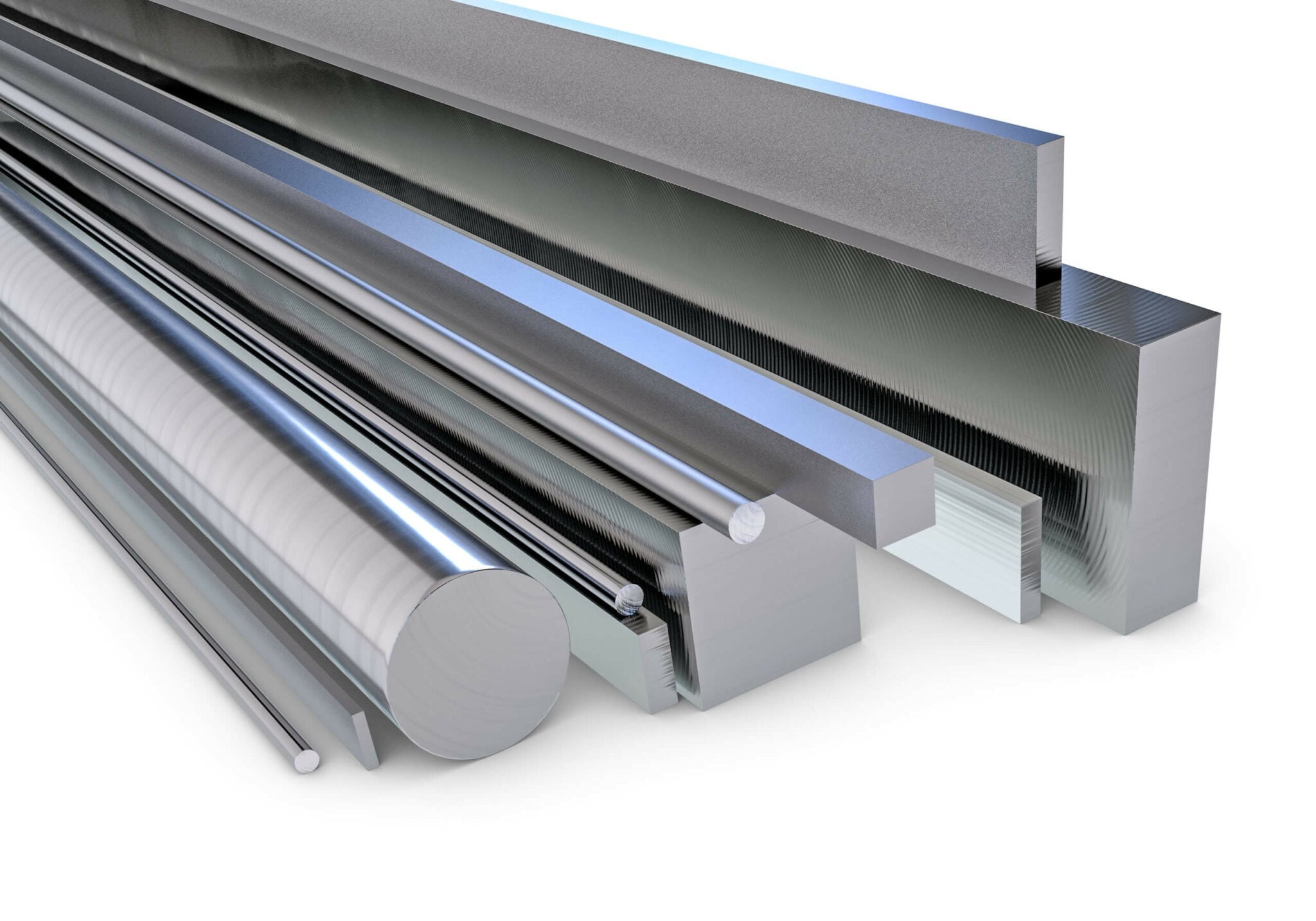
Fabricated metal is widely used when buyers need metal materials processed into practical parts, structures, assemblies, or project-ready components. Zhejiang Deqing International Steel Market supports overseas buyers with fabricated metal sourcing, material matching, drawing communication, processing coordination, packing, customs declaration, and export delivery.
When buyers search for fabricated metal, they usually need more than raw steel supply. Real fabricated metal procurement may include cutting, bending, welding, drilling, punching, grinding, polishing, surface treatment, assembly, inspection by dimensions, packing design, and shipment planning. Our platform helps buyers organize fabricated metal requirements through a practical export process.
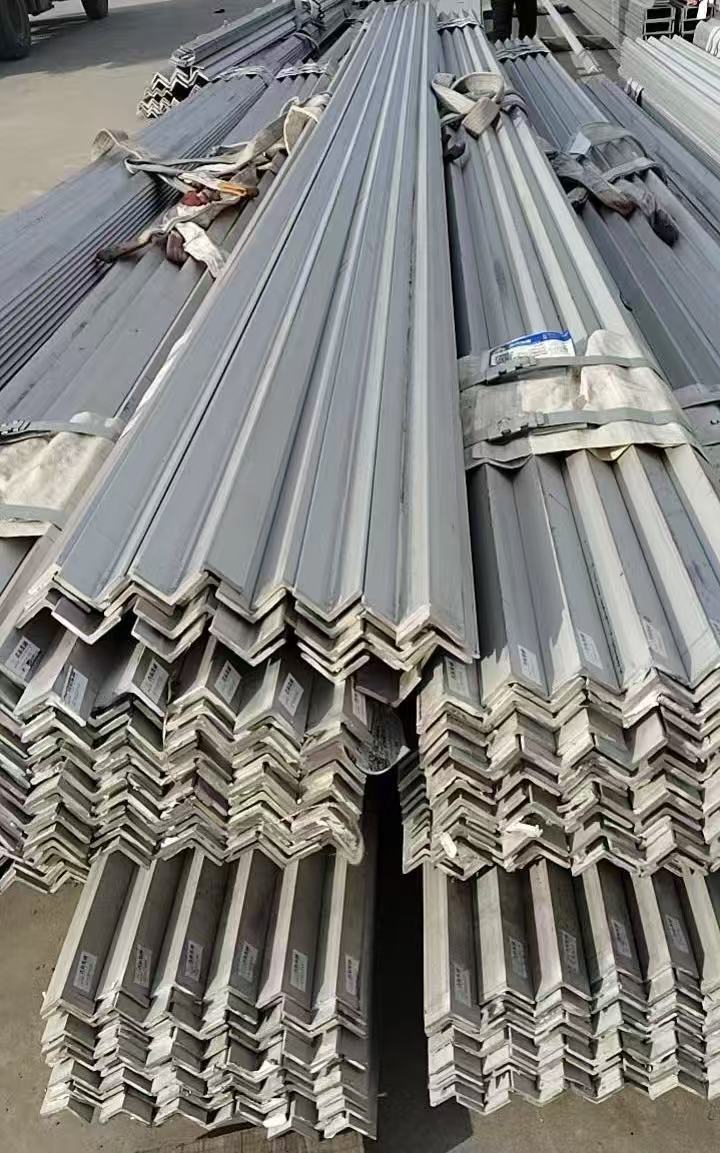
Common fabricated metal products include welded frames, machine guards, brackets, cabinets, panels, racks, shelves, platforms, stairs, handrails, base plates, enclosures, support structures, agricultural parts, furniture parts, tank parts, and custom metal components. Fabricated metal may be made from carbon steel, stainless steel, galvanized steel, aluminum, steel plate, steel sheet, tube, pipe, bar, angle, channel, or other metal profiles.
Carbon steel fabricated metal is often used for machinery frames, support brackets, base structures, construction parts, shelves, racks, platforms, and welded assemblies. It is practical when strength, availability, and cost control are important. Buyers should confirm whether the fabricated metal will be painted, powder coated, galvanized, machined, welded again, or installed outdoors.
Stainless fabricated metal is selected when corrosion resistance, clean appearance, or hygiene is important. Stainless fabricated metal is used in kitchen equipment, food processing equipment, chemical equipment, marine hardware, handrails, tanks, decorative panels, medical furniture, and visible industrial parts. Buyers should confirm grade, surface finish, welding appearance, polishing requirement, and packing protection.
Galvanized fabricated metal is useful for outdoor structures, fencing parts, agricultural frames, greenhouse supports, road facilities, brackets, platforms, and corrosion-resistant assemblies. The zinc surface helps protect steel in many moisture-exposed environments. Buyers should confirm whether the fabricated metal is made from pre-galvanized material or treated after fabrication, because this affects edges, weld areas, appearance, and cost.
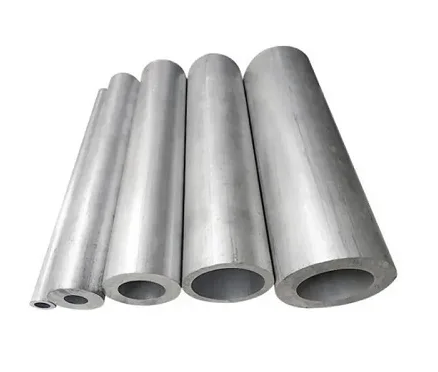
Aluminum fabricated metal is suitable for lightweight structures, frames, panels, equipment covers, furniture parts, display systems, transport equipment, and corrosion-sensitive applications. Aluminum fabricated metal can reduce weight, but buyers should consider material grade, thickness, welding method, bending radius, surface finish, and assembly requirements before ordering.
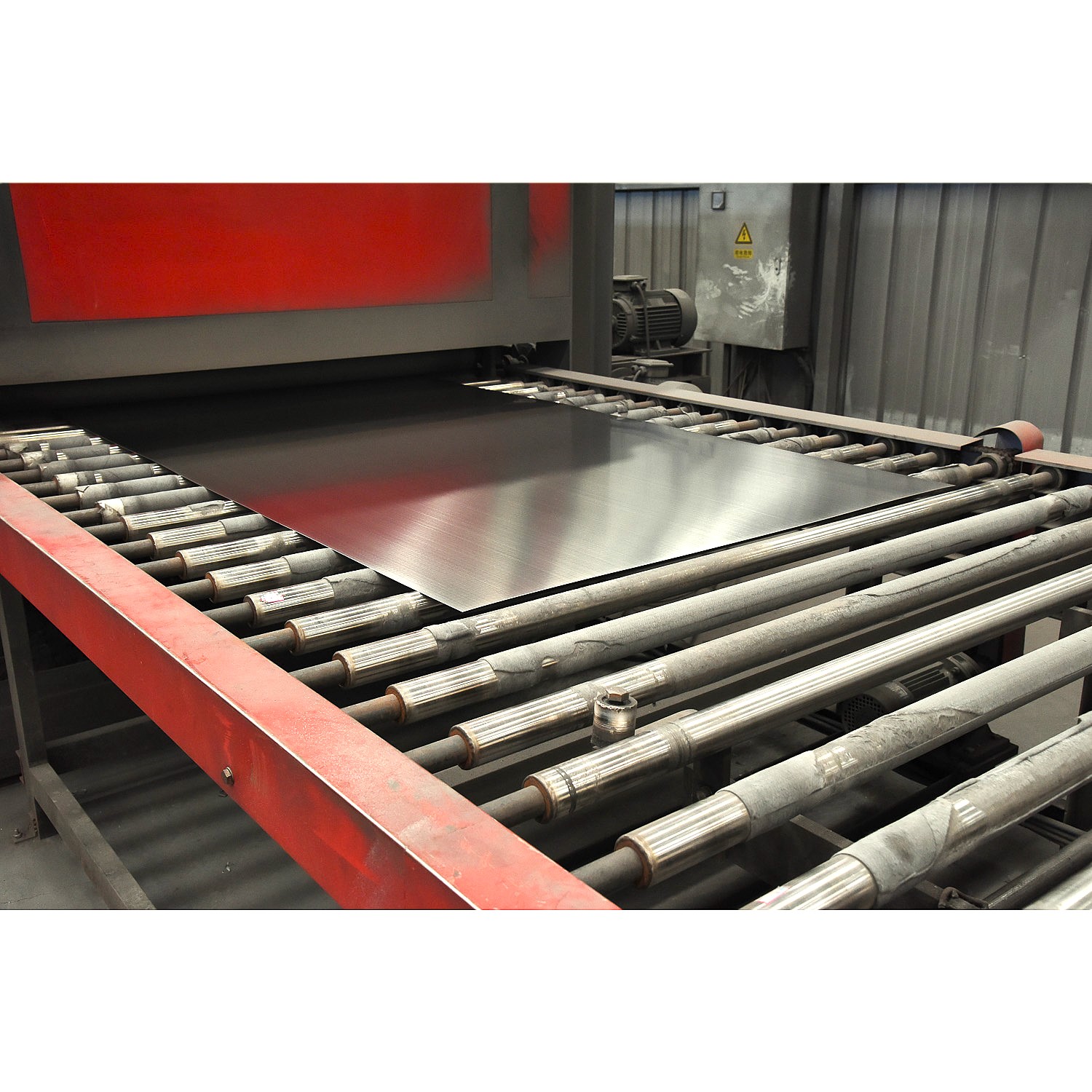
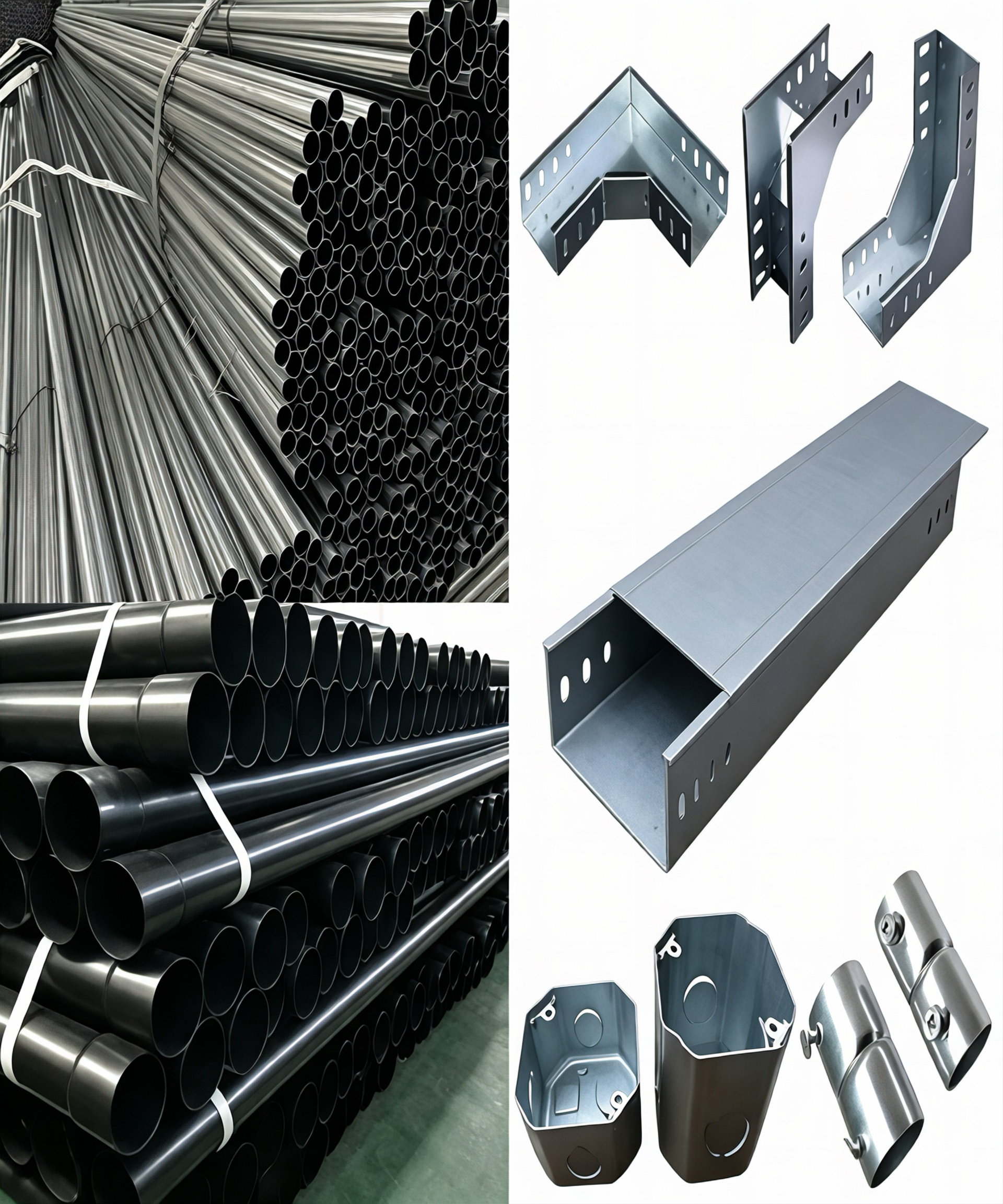
Sheet metal fabricated metal includes cut panels, bent parts, cabinets, boxes, covers, enclosures, trays, ducts, guards, and decorative parts. These fabricated metal products often require accurate cutting, bending sequence, hole positions, edge finishing, and surface protection. Drawings are very important for sheet metal fabricated metal because small dimensional errors may affect assembly.
Plate fabricated metal includes base plates, gussets, flanges, heavy brackets, machine beds, bearing plates, lifting plates, and structural components. Thick fabricated metal parts may require flame cutting, plasma cutting, laser cutting, drilling, beveling, grinding, welding, or machining. Buyers should provide thickness, hole locations, tolerance, edge condition, and final installation method.
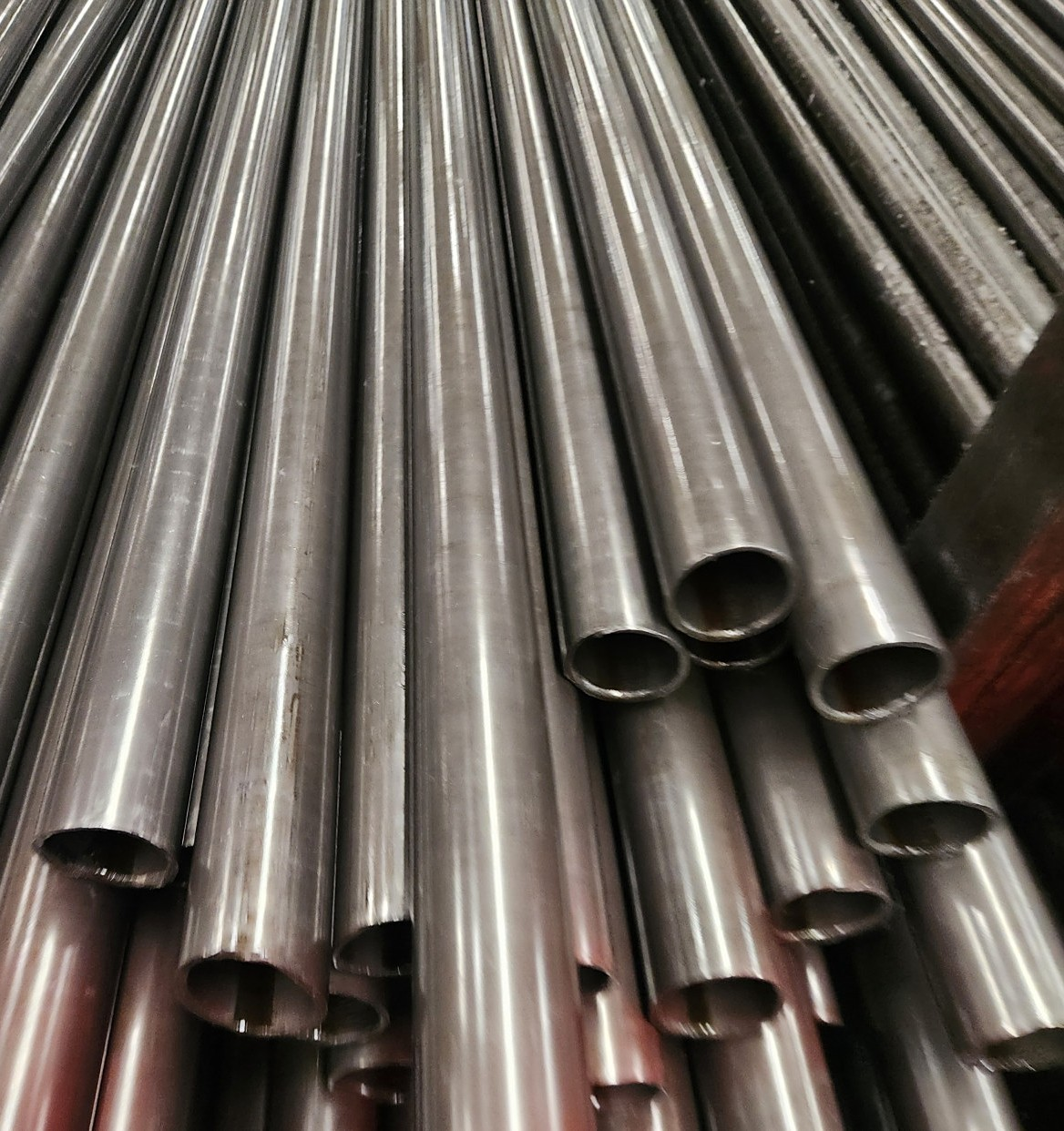
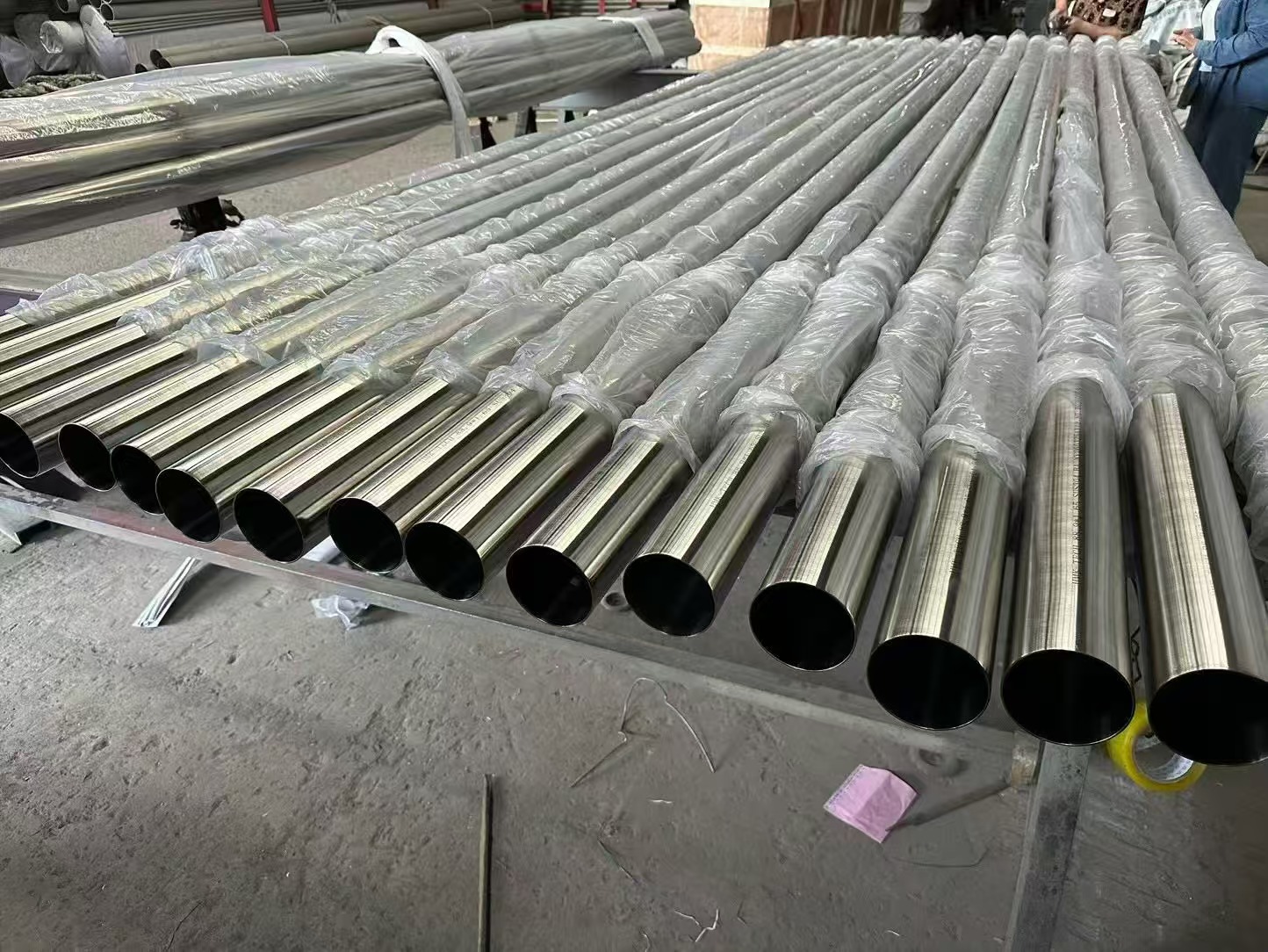
Tube and profile fabricated metal is widely used for frames, racks, handrails, stairs, platforms, greenhouse structures, furniture, solar supports, fencing, and equipment bases. Tube-based fabricated metal may require cutting to length, drilling, punching, welding, end caps, brackets, surface treatment, and packing. Straightness, welding alignment, and hole accuracy are important for assembly.
Welded fabricated metal requires clear communication about weld position, weld size, welding appearance, grinding needs, and final use. Some fabricated metal parts require strong structural welding, while visible decorative parts require cleaner weld appearance. Buyers should explain whether the fabricated metal will be load-bearing, visible, painted, polished, or assembled with other parts.
Surface finish affects both appearance and durability. Fabricated metal can be supplied with raw surface, oiled surface, polished surface, brushed stainless finish, painted finish, powder-coated finish, galvanized finish, or protected surface depending on material and project requirements. Buyers should confirm whether the fabricated metal will be used indoors, outdoors, in a wet area, or in a visible installation.
Tolerance control is important for fabricated metal because many parts must fit with bolts, hinges, slots, pipes, frames, motors, or other components. For general support parts, practical fabrication tolerances may be acceptable. For machinery, cabinets, equipment covers, and assembly parts, tighter dimensional control may be needed. Drawings and sample photos help reduce misunderstanding.
Processing coordination helps buyers receive fabricated metal closer to final use. Depending on the order, fabricated metal can be cut, bent, welded, drilled, punched, tapped, polished, marked, assembled, wrapped, palletized, or packed in wooden cases. For repeated parts, a clear size list and part numbering system can improve production and receiving efficiency.
Construction buyers use fabricated metal for brackets, platforms, stairs, handrails, embedded parts, frames, drainage covers, gates, fencing, roof supports, and custom installation parts. These fabricated metal products must match site drawings, load conditions, coating requirements, and installation sequence. Proper packing and labels help contractors identify parts quickly at the project site.
Machinery builders use fabricated metal for machine frames, guards, bases, covers, panels, rollers, supports, mounting plates, and welded components. These buyers often care about hole positions, flatness, welding deformation, machining allowance, surface finish, and assembly fit. Fabricated metal for machinery should be reviewed together with drawings and related components.
Furniture and display buyers purchase fabricated metal for table frames, chair frames, shelves, retail racks, cabinets, stands, decorative panels, and support structures. These fabricated metal products may require smooth surfaces, neat welding, polishing, powder coating, accurate holes, and protective packing. Appearance requirements should be explained before quotation.
Agricultural and outdoor buyers use fabricated metal for greenhouse frames, trellis supports, fencing accessories, gates, brackets, storage racks, tool frames, and farm equipment parts. Galvanized fabricated metal or painted fabricated metal may be selected according to exposure conditions. Buyers should consider rust protection, installation convenience, and handling at the destination.
Packing is critical for fabricated metal export orders because parts may have sharp edges, painted surfaces, polished surfaces, complex shapes, or mixed sizes. Packing methods may include plastic wrapping, foam protection, paper separation, wooden pallets, wooden cases, steel straps, labels, part numbers, waterproof wrapping, and reinforced container loading plans.
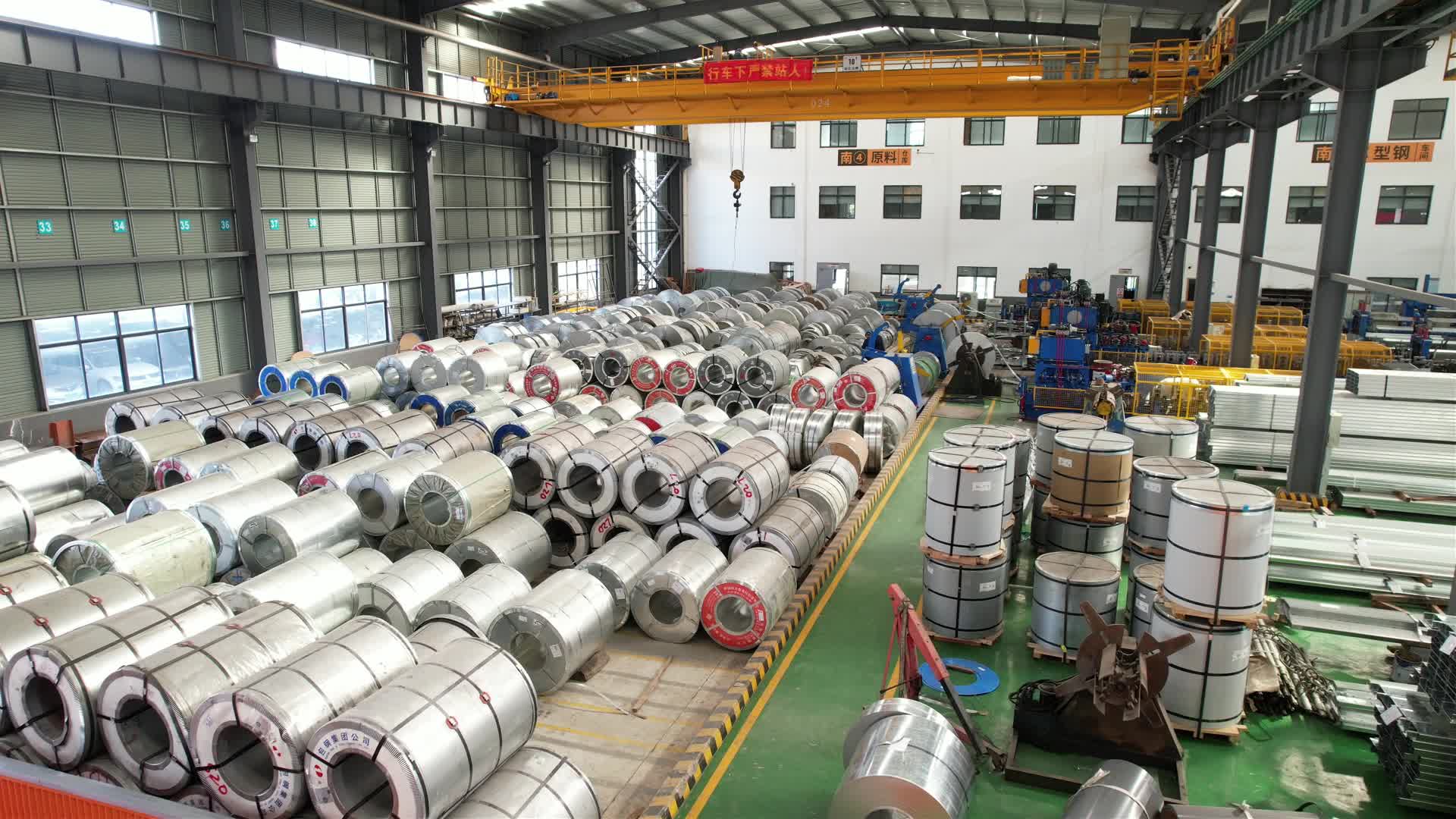
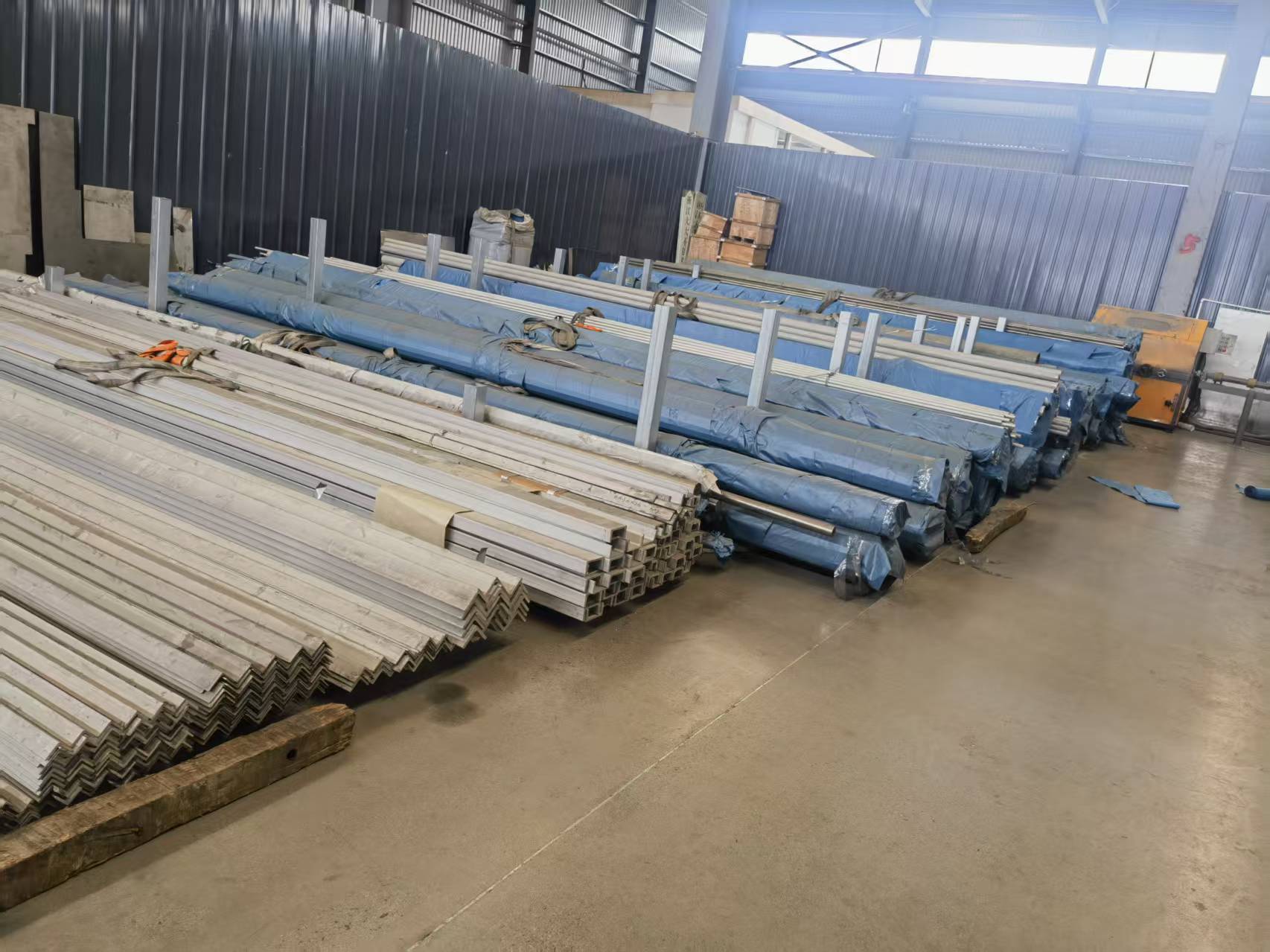
Many buyers purchase fabricated metal together with raw metal materials such as steel plate, steel sheet, steel tube, stainless steel pipe, aluminum profiles, fasteners, fittings, flanges, wire products, and standard hardware. Zhejiang Deqing International Steel Market helps coordinate mixed procurement, warehouse organization, packing, customs declaration, container loading, and export delivery.
When requesting a quotation for fabricated metal, buyers should provide drawings, material grade, thickness, size, tolerance, quantity, surface finish, welding requirement, hole details, assembly notes, packing method, destination port, and delivery schedule. If drawings are not available, clear sketches, photos, samples, and application descriptions can help discuss practical fabricated metal options.
Zhejiang Deqing International Steel Market is located in Deqing, Zhejiang, within the Yangtze River Delta industrial region. With access to metal resources, processing coordination, warehouse organization, trucking routes, and port-connected logistics, we help overseas buyers source fabricated metal for production, resale, installation, repair, and project use.
A reliable fabricated metal supply plan includes application review, drawing confirmation, material selection, processing coordination, surface finish matching, packing design, customs declaration, container loading, and delivery tracking. Our goal is to help buyers receive fabricated metal in a practical, organized, and export-ready way.
 EN
EN