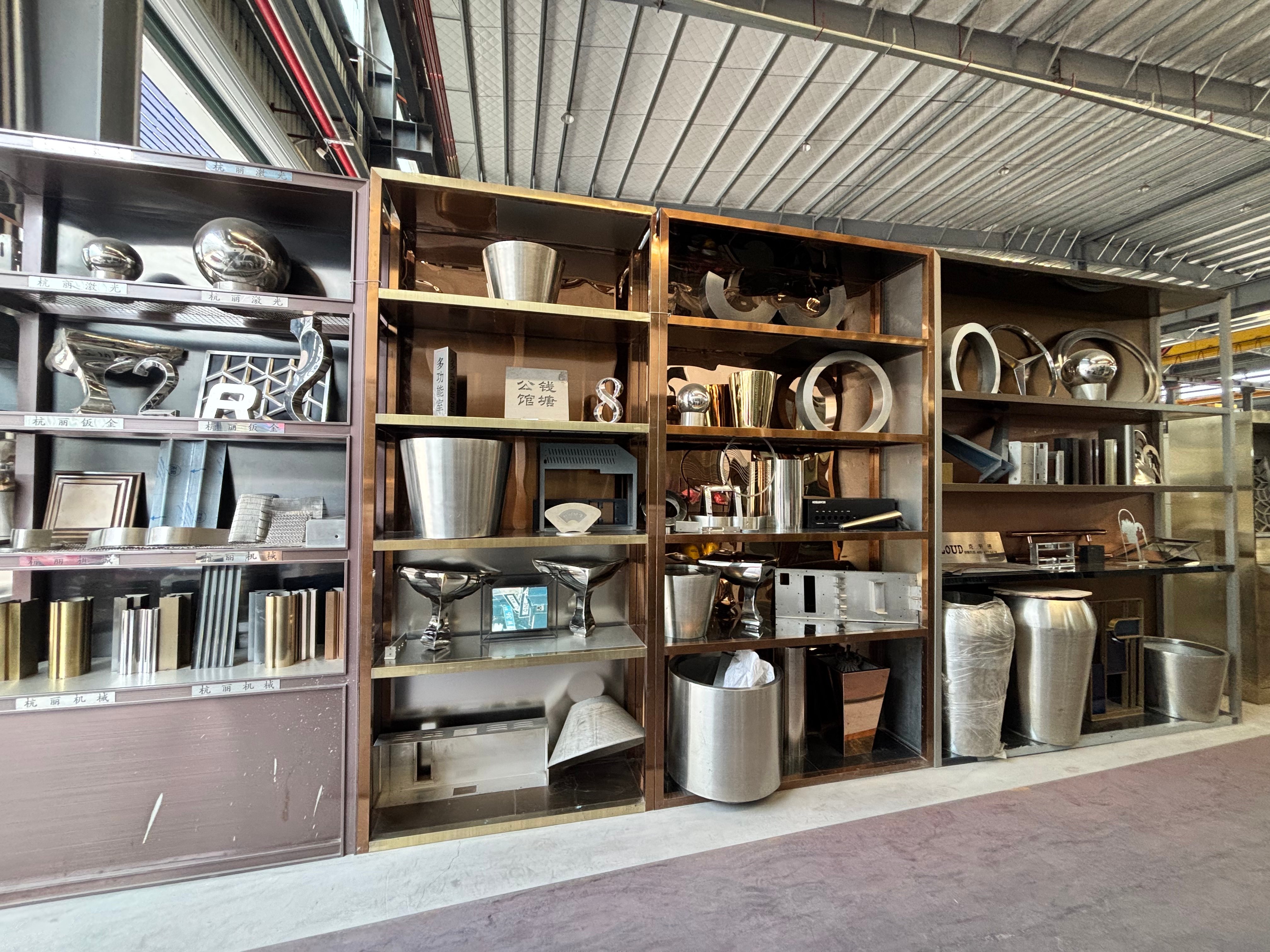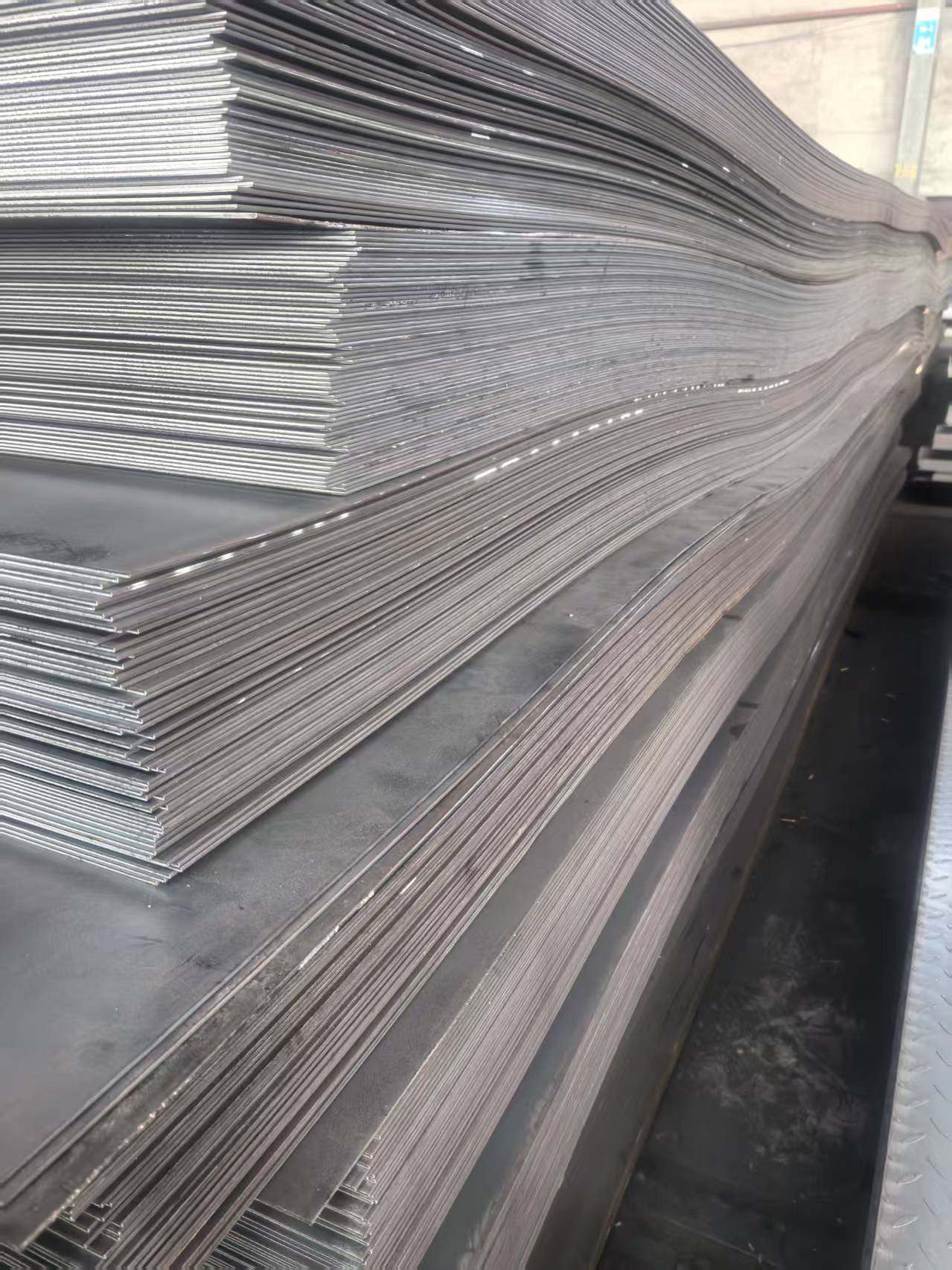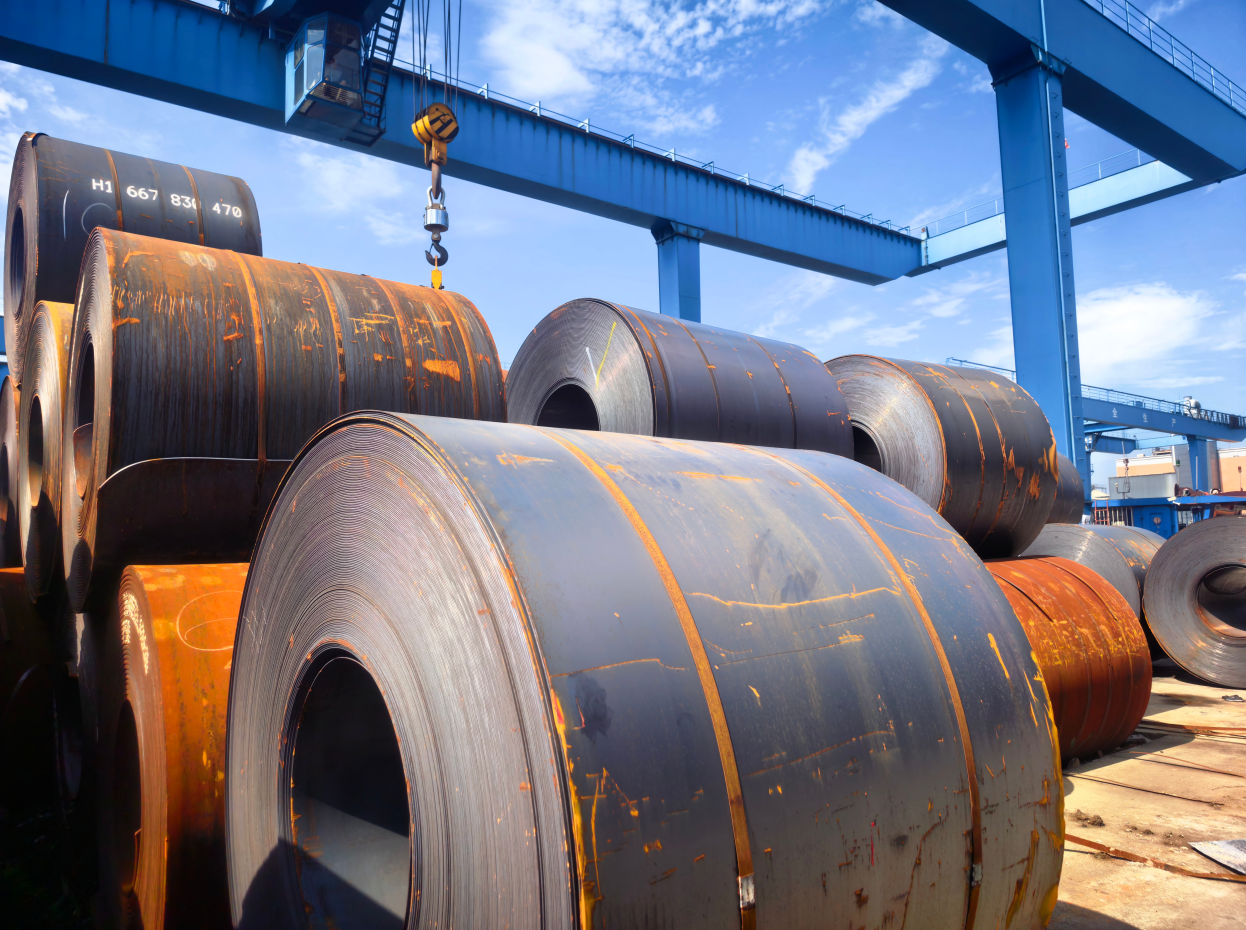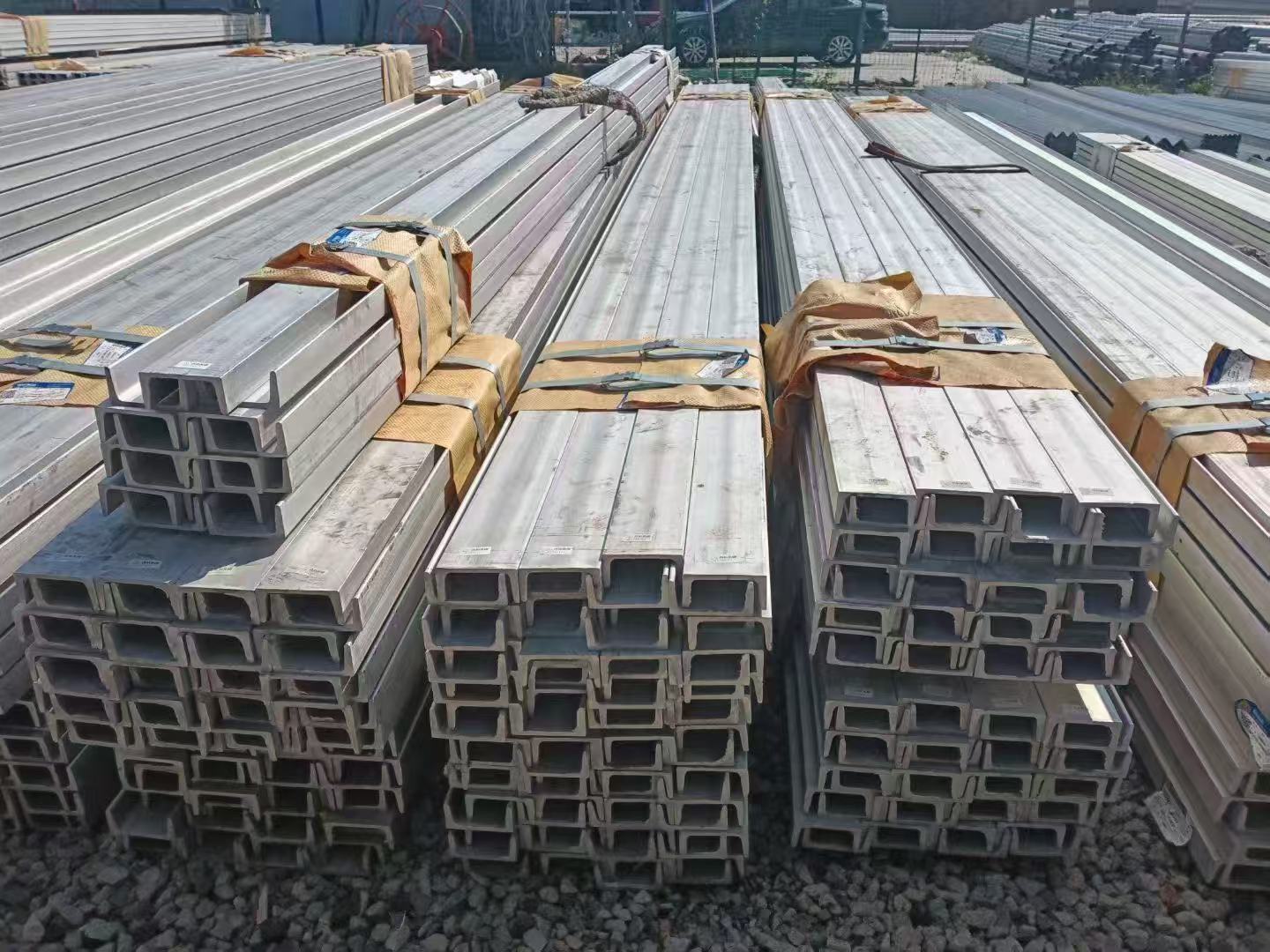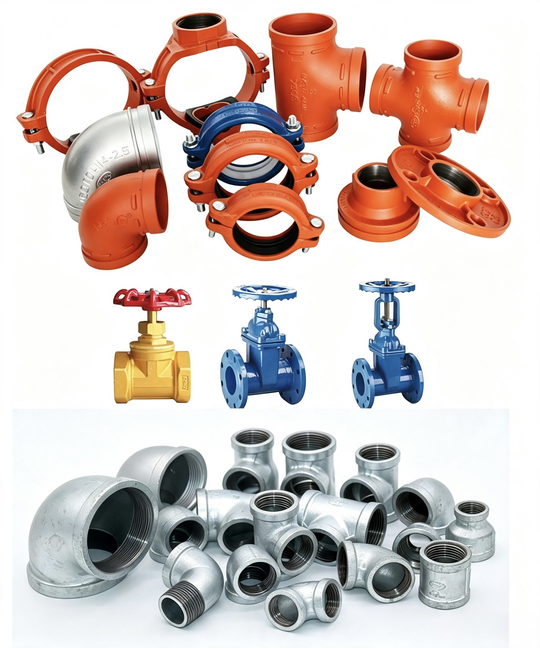
Metal fabrication products are practical components made from steel, stainless steel, galvanized steel, aluminum, and other metal materials through cutting, forming, welding, drilling, punching, stamping, grinding, finishing, and assembly preparation. Zhejiang Deqing International Steel Market supports overseas buyers with metal fabrication products, material sourcing, processing coordination, packing, customs declaration, and export delivery.
Many buyers choose metal fabrication products because standard steel stock cannot directly meet real project or production needs. Machinery factories may need covers, guards, base plates, brackets, and welded frames. Construction contractors may need stair parts, platforms, handrails, connection plates, and façade supports. Metal fabrication products help reduce local workshop preparation and improve installation efficiency.
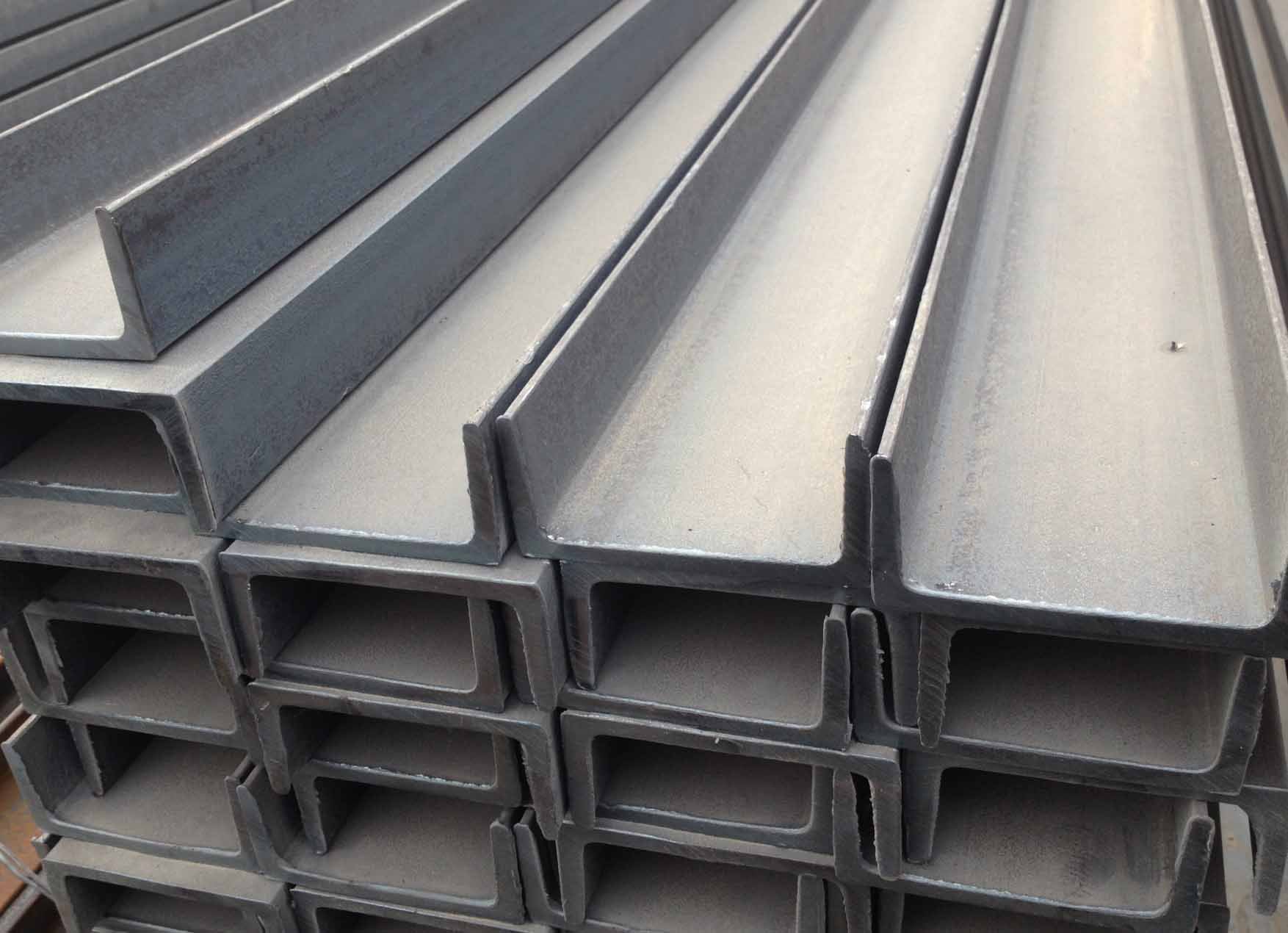
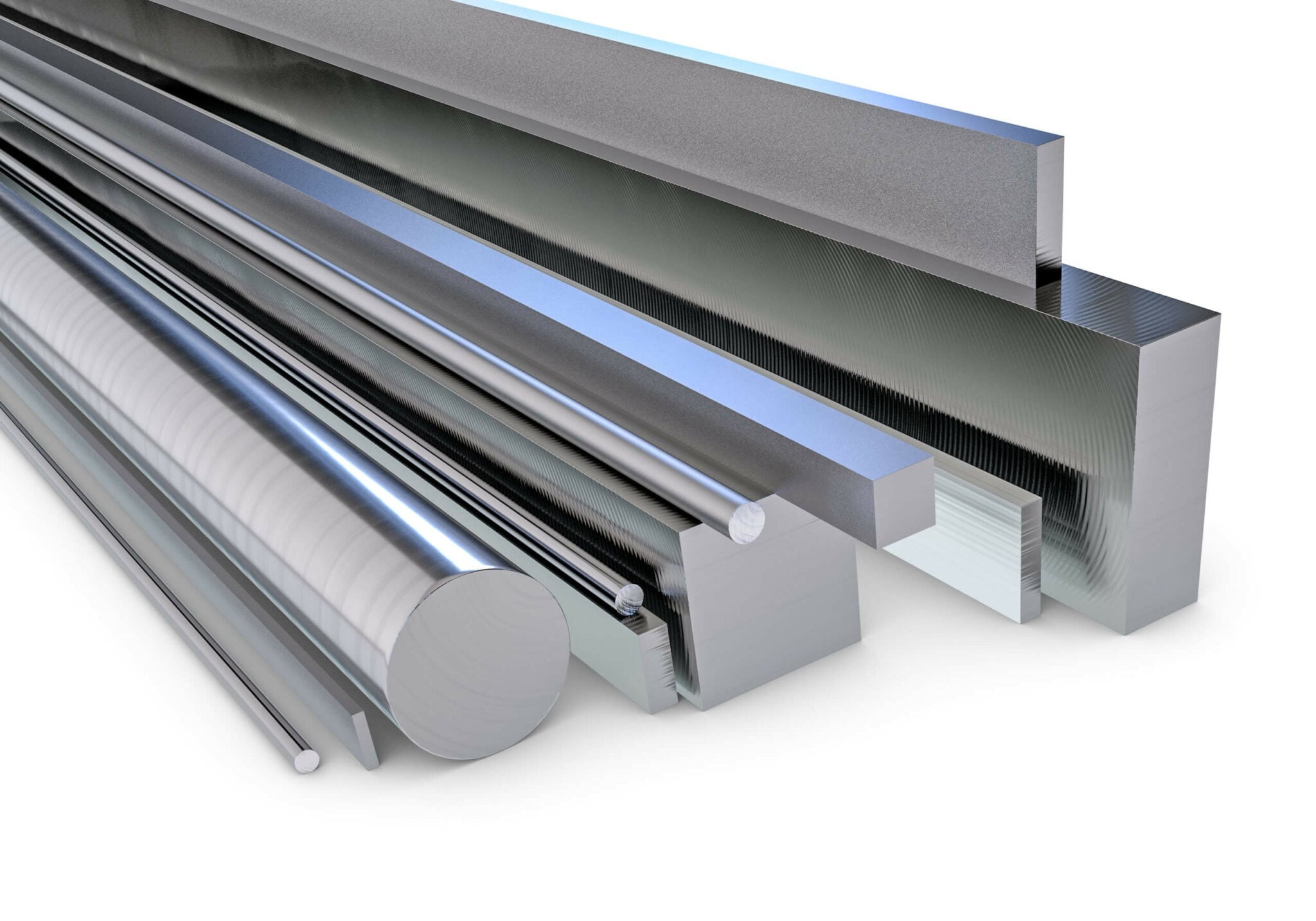
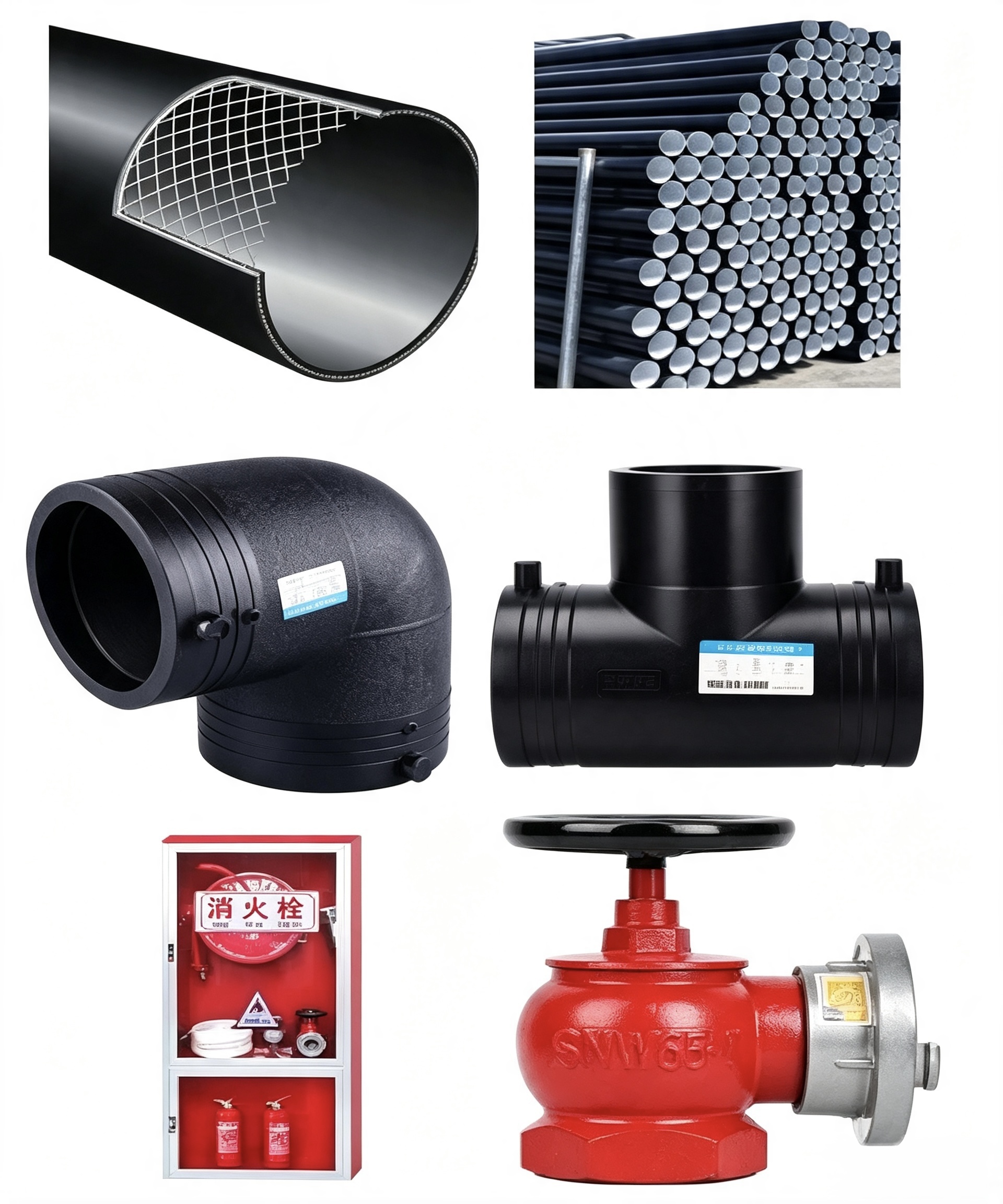
Metal fabrication products can be produced from carbon steel sheet, steel plate, stainless steel sheet, stainless steel plate, galvanized sheet, aluminum sheet, alloy steel plate, steel tube, stainless tube, pipe, round bar, flat bar, square bar, angle steel, channel steel, beam, grating, checker plate, perforated sheet, and custom profiles.
Carbon steel metal fabrication products are widely used for machine bases, structural frames, brackets, platforms, guards, agricultural equipment, storage racks, construction supports, base plates, and general industrial components. Carbon steel offers practical strength and cost control. Buyers should confirm whether carbon steel parts require painting, galvanizing coordination, drilling, welding, or later assembly.
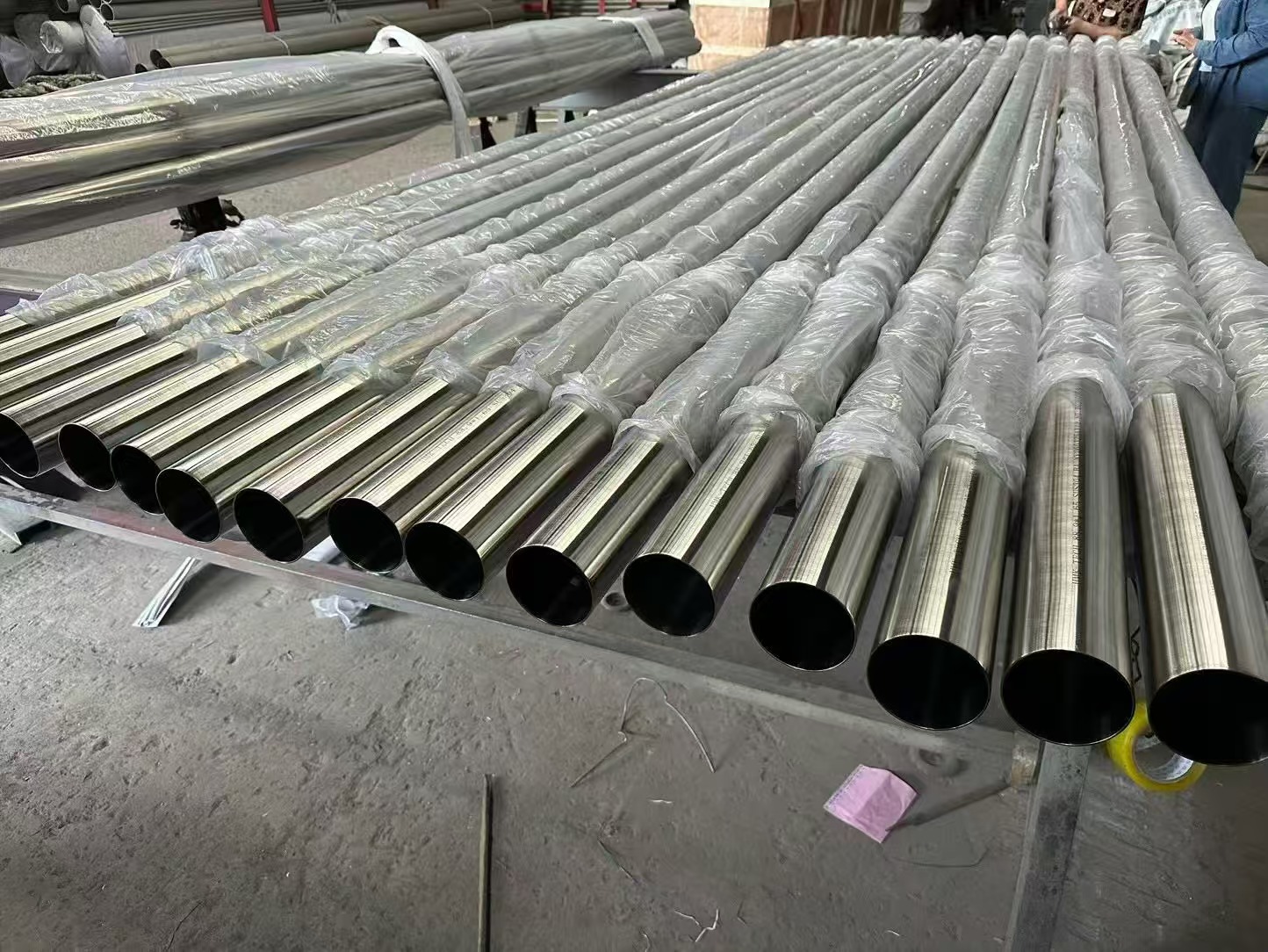
Stainless steel metal fabrication products are selected when corrosion resistance, clean surfaces, or visible appearance is important. Common applications include kitchen equipment, food processing parts, handrails, cabinets, marine hardware, tanks, trays, decorative panels, furniture parts, and chemical equipment covers. Stainless steel grade, finish, visible side, weld appearance, and packing protection should be confirmed early.
Galvanized metal fabrication products are often used for outdoor brackets, greenhouse components, fencing accessories, ventilation parts, duct supports, roof accessories, agricultural parts, cable trays, and light construction assemblies. Buyers should consider cut edges, bend areas, punched holes, welded zones, and working environment when planning galvanized fabricated components.
Aluminum metal fabrication products are useful when lightweight handling, corrosion resistance, or clean appearance is required. Aluminum panels, covers, housings, display frames, signs, transport components, enclosure parts, furniture parts, and decorative trims are common examples. Alloy grade, temper, thickness, bend radius, finish, and packing protection affect final quality.
Material selection is the first step for metal fabrication products. Different materials respond differently to laser cutting, shearing, sawing, bending, rolling, drilling, punching, welding, polishing, and surface finishing. Stainless steel may need careful surface protection. Aluminum may require suitable bend radius. Carbon steel may require later coating. Galvanized steel needs attention near cut and welded areas.
Drawing review is essential for metal fabrication products. Drawings should show material grade, thickness, outside dimensions, hole diameter, hole position, slot direction, bend line, bend angle, bend radius, weld location, tolerance, finish, and quantity. Clear drawings help processing coordination match the real installation or assembly requirement.
Cutting is usually the first process for metal fabrication products. Cutting methods may include shearing, sawing, laser cutting, plasma cutting, flame cutting, waterjet cutting, slitting, and tube cutting. The suitable method depends on material type, thickness, profile shape, edge condition, tolerance, quantity, and later forming or welding steps.
Bending is common for metal fabrication products such as brackets, covers, trays, channels, guards, cabinets, enclosures, shelf parts, stair components, and construction accessories. Buyers should confirm thickness, bend angle, inside radius, bend direction, visible surface, hole position, and tolerance before bending begins.
Rolling may be used for metal fabrication products such as curved plates, cylinders, cones, tank shells, duct sections, hoppers, covers, and equipment parts. Rolling requires attention to material thickness, rolling radius, springback, edge preparation, welding allowance, and final shape requirement.
Punching and drilling are important for metal fabrication products with bolt holes, slots, ventilation openings, cable holes, mounting points, base plate holes, handrail post holes, and repeated part patterns. Drawings should show hole diameter, center distance, edge distance, slot direction, thread requirement, and part orientation.
Welding is a core process for many metal fabrication products. Welded frames, racks, platforms, stairs, guards, cabinets, brackets, tanks, hoppers, pipe assemblies, and structural parts may require different weld sizes, joint forms, bevel details, grinding levels, and appearance expectations. Clear weld notes support better fabrication coordination.
Stamping and forming can be used for repeated metal fabrication products such as clips, washers, brackets, covers, panels, reinforcement plates, ventilation parts, cabinet parts, and small hardware. Tooling needs, order quantity, material ductility, thickness, tolerance, and surface finish should be reviewed before production.
Surface finish coordination is important for metal fabrication products. Carbon steel parts may need oil protection, primer painting, finish painting, powder coating coordination, or galvanizing coordination. Stainless steel parts may need brushing, polishing, grinding, or protective film. Aluminum parts may need brushing, polishing, or coating coordination.
Deburring and edge finishing improve the safety and usability of metal fabrication products. Cut edges, punched holes, welded corners, and formed areas may create burrs or sharp edges. Depending on the order, parts can be deburred, chamfered, ground, polished, brushed, marked, wrapped, or packed by part number.
Tolerance planning should be realistic for metal fabrication products. Construction parts may allow practical fabrication tolerance, while machinery parts may need tighter dimensions, flatness, accurate hole positions, and controlled weld distortion. Decorative parts may focus more on surface appearance, edge smoothness, and scratch prevention.
Metal fabrication products for machinery include machine guards, covers, brackets, base plates, frames, hoppers, panels, flanges, spacers, tube assemblies, and welded structures. These parts may need accurate cutting, drilling, welding preparation, grinding, part labels, and grouped packing for workshop assembly.
Metal fabrication products for construction include connection plates, gussets, embedded plates, stair components, platforms, handrail parts, façade brackets, roof supports, channels, angles, grating parts, and structural accessories. Organized labels and packing groups help contractors identify components quickly at the jobsite.
Metal fabrication products for furniture and decoration include stainless panels, aluminum trims, display racks, table frames, shelves, signage parts, decorative screens, cabinet frames, and handrail components. Visible metal parts require careful surface protection, smooth edges, consistent size, and clean packing.
Metal fabrication products for agricultural and outdoor projects include greenhouse parts, fencing accessories, livestock equipment panels, ventilation covers, roof edges, storage bin components, machine guards, tool supports, and galvanized brackets. Material choice should consider exposure, load, installation method, and budget.
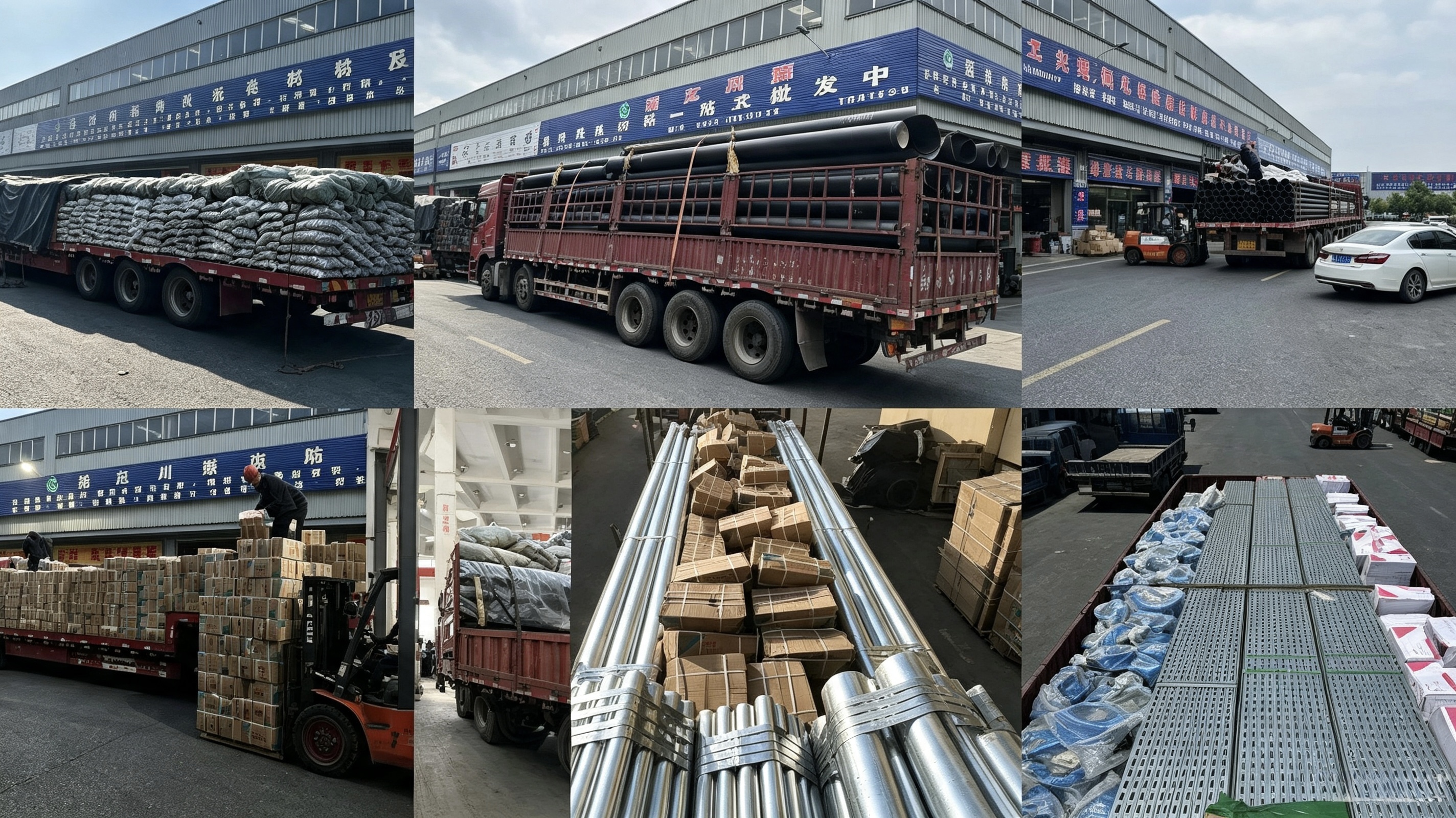
Packing is critical for export metal fabrication products because parts may be heavy, sharp, polished, painted, coated, long, small, irregular, or supplied with mixed part numbers. Packing may include protective film, paper separation, foam padding, plastic wrapping, cartons, wooden pallets, wooden cases, steel straps, waterproof wrapping, labels, and reinforced loading.
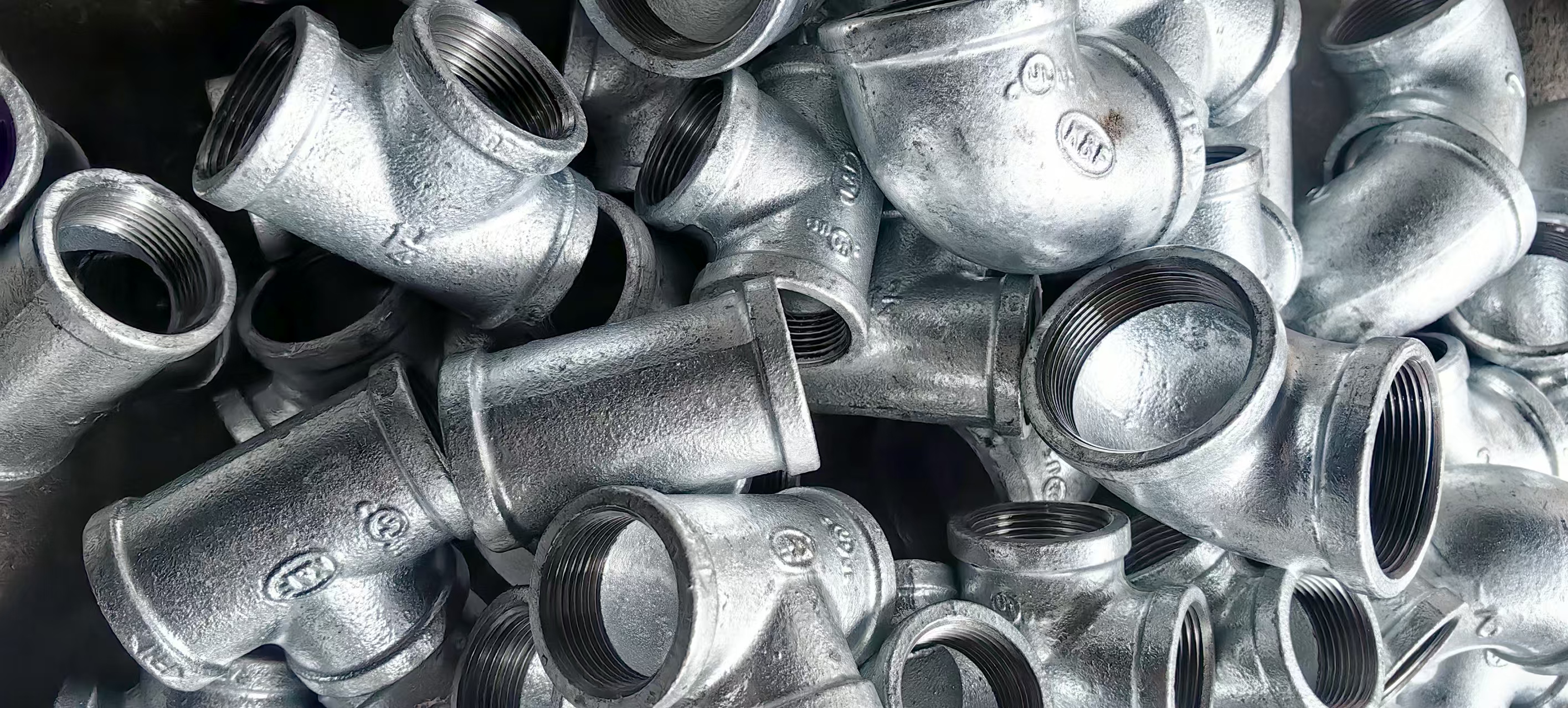
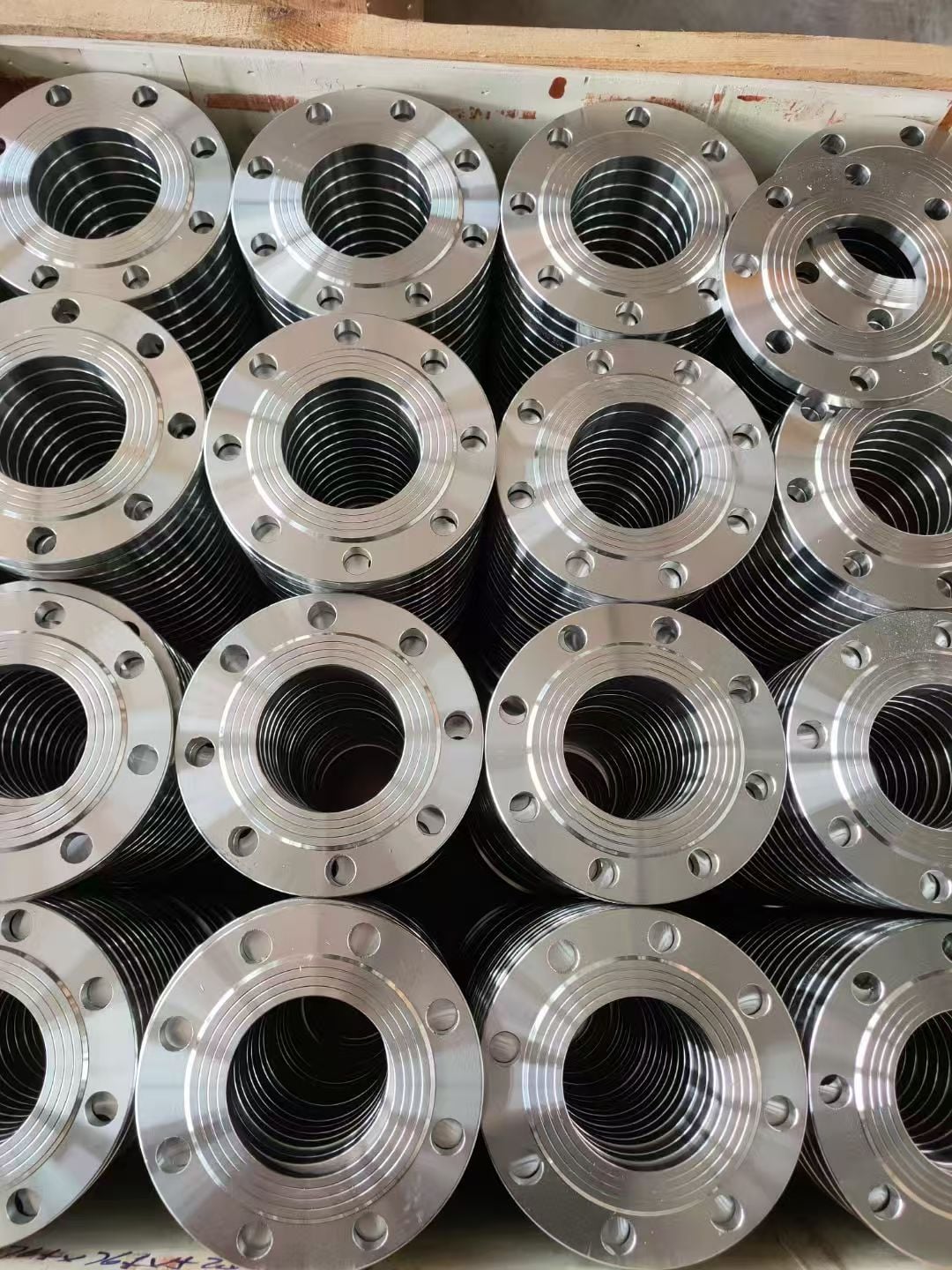
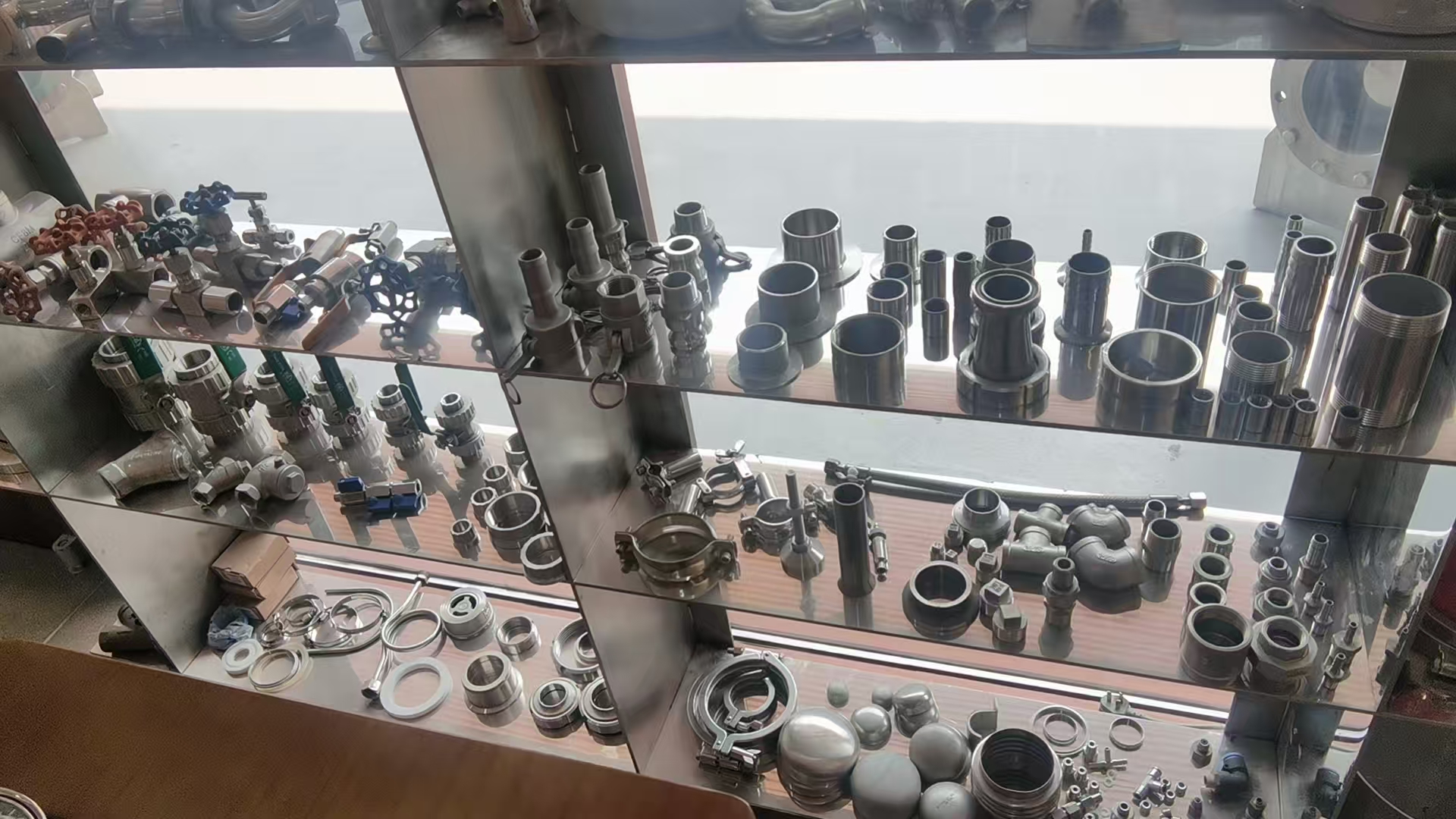
Many buyers combine metal fabrication products with steel plates, steel sheets, stainless tubes, galvanized materials, aluminum profiles, grating, checker plate, fasteners, fittings, flanges, wire mesh, standard hardware, and machined parts. Zhejiang Deqing International Steel Market helps coordinate mixed procurement, warehouse organization, export packing, customs declaration, container loading, and delivery planning.
When requesting a quotation for metal fabrication products, buyers should provide drawings, material grade, thickness, dimensions, hole layout, bend radius, weld details, tolerance, surface finish, quantity, packing method, destination port, and delivery schedule. If drawings are unavailable, sketches, photos, samples, or application descriptions can support initial discussion.
Located in Deqing, Zhejiang, within the Yangtze River Delta industrial region, Zhejiang Deqing International Steel Market connects steel resources, stainless materials, aluminum products, processing coordination, warehouse handling, trucking routes, and port-linked logistics. We help overseas buyers arrange metal fabrication products for production, resale, installation, repair, and industrial supply.
A reliable metal fabrication products supply plan includes application review, material selection, drawing confirmation, cutting method matching, forming review, drilling and welding coordination, finish planning, packing design, customs declaration, container loading, and delivery tracking. Our goal is to help buyers receive practical, organized, and export-ready metal fabrication products.
 EN
EN