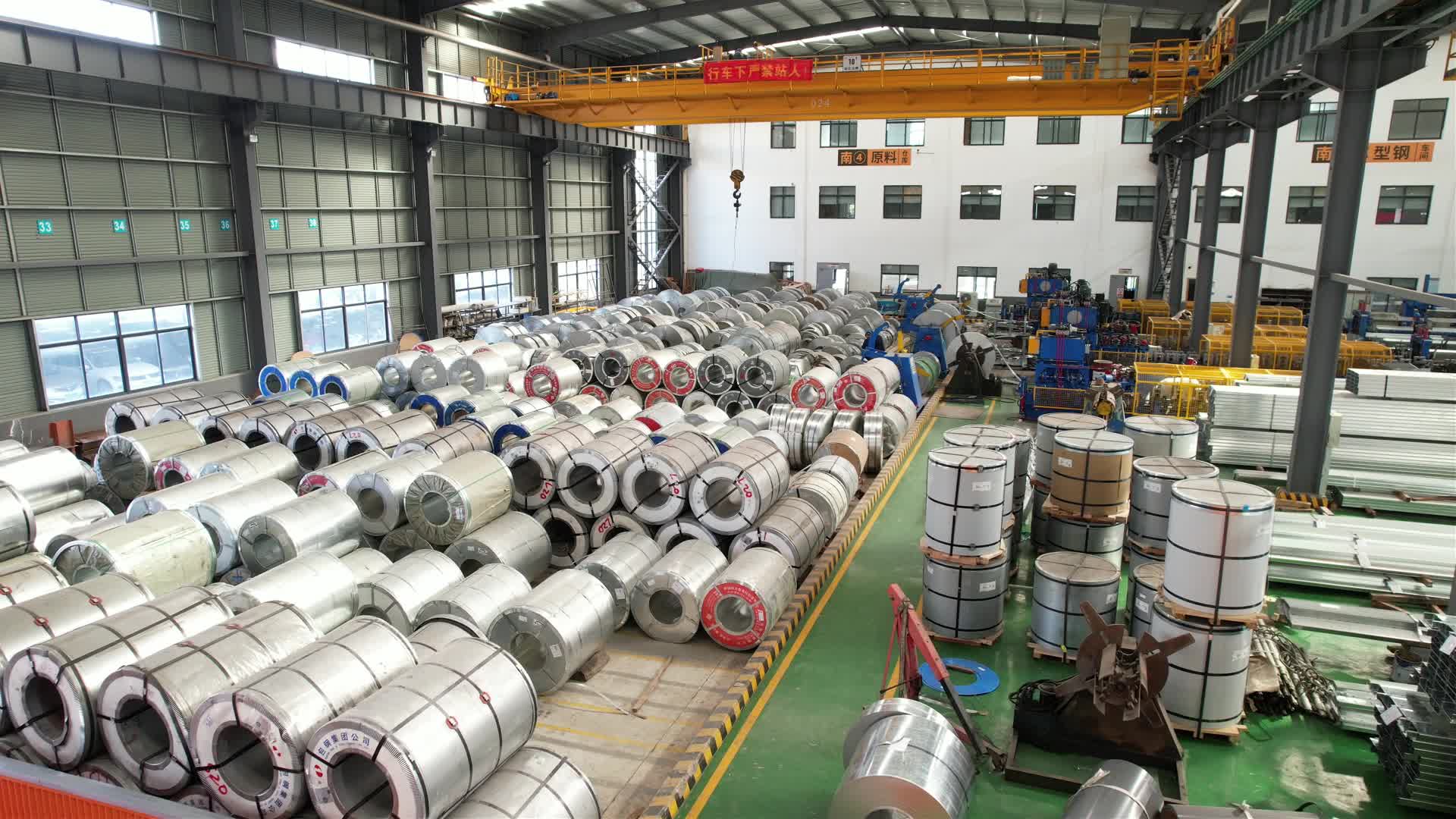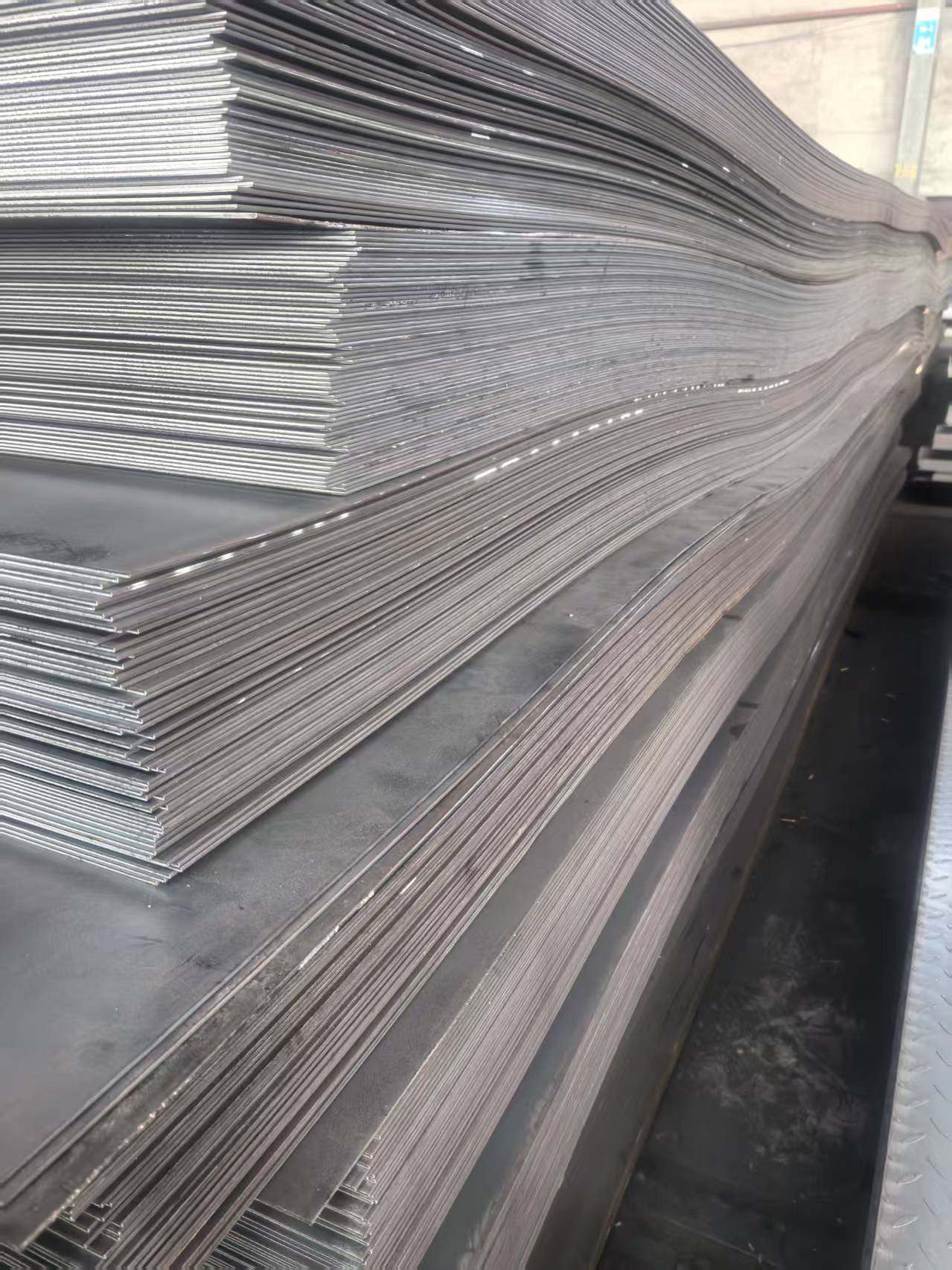
Plate welding is an important fabrication process for buyers who need steel plate, stainless plate, alloy plate, or aluminum plate joined into strong components, assemblies, frames, tanks, bases, supports, and industrial structures. Zhejiang Deqing International Steel Market supports overseas buyers with plate welding sourcing, material matching, cutting preparation, welding coordination, packing, customs declaration, and export delivery.
Many buyers choose plate welding when single plate pieces cannot meet structural, dimensional, or functional requirements. A machine base may need several steel plates welded into one rigid structure. A tank project may need plate welding for panels and stiffeners. A construction project may need brackets, gussets, platforms, or connection plates. Plate welding helps transform raw plate into practical parts for production and installation.
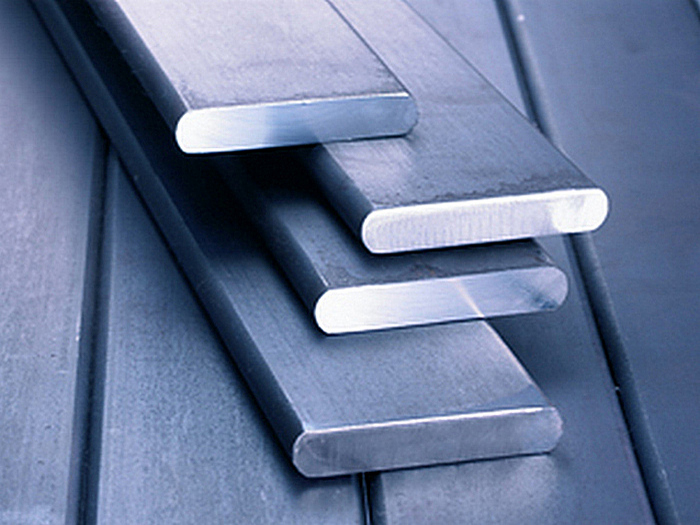
Plate welding can be arranged for carbon steel plate, stainless steel plate, alloy steel plate, galvanized plate, wear-resistant plate, checker plate, aluminum plate, and cut-to-size plate components. The suitable material depends on strength demand, corrosion exposure, temperature condition, abrasion risk, welding behavior, surface finish, and project budget.
Carbon steel plate welding is widely used for machinery frames, construction parts, equipment bases, platforms, racks, supports, brackets, storage bins, hoppers, and welded structures. Carbon steel is practical for strength and cost control. Buyers should confirm plate grade, thickness, weld size, bevel requirement, surface treatment, and whether the plate welding parts will be painted, galvanized, machined, or assembled later.
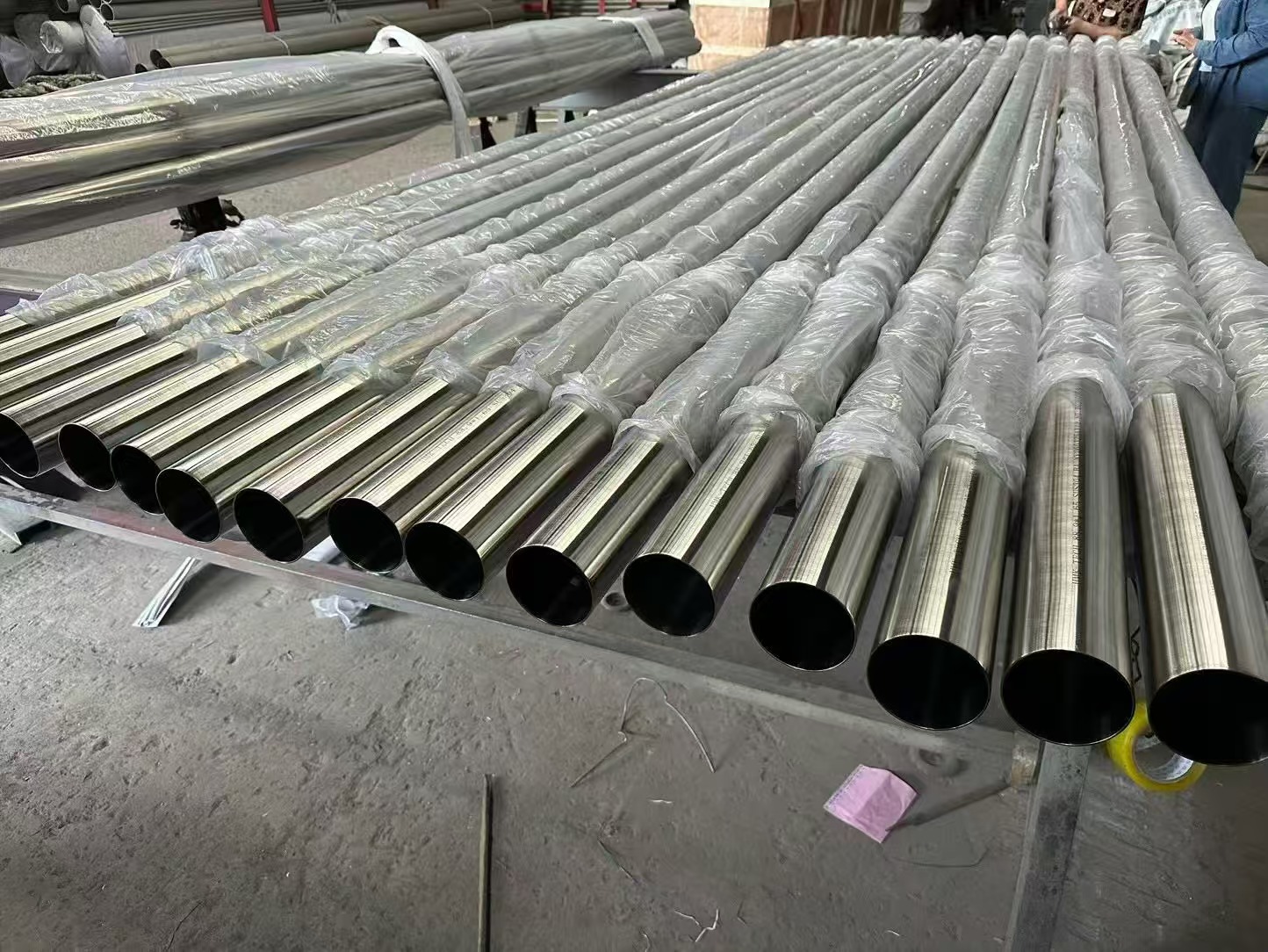
Stainless steel plate welding is selected when corrosion resistance, clean appearance, or hygiene is important. Stainless plate welding is used for kitchen equipment, food processing tanks, chemical equipment, marine hardware, decorative structures, medical furniture, and visible industrial parts. Buyers should confirm grade, surface finish, weld appearance, polishing requirement, heat discoloration expectation, and packing protection.
Alloy plate welding may be used for heavy-duty machinery, mining equipment, high-strength structures, wear-related parts, transport equipment, and special industrial assemblies. Alloy materials may require more careful plate welding planning because strength, preheating needs, weld metal selection, distortion control, and later machining allowance can affect final performance. Buyers should provide drawings and working conditions before quotation.
Wear-resistant plate welding is often used for hoppers, chutes, liners, mining equipment, material handling systems, buckets, crusher parts, and abrasion-exposed structures. Plate welding for wear-resistant materials should consider joint design, edge preparation, weld placement, heat effect, and replacement convenience. Buyers should explain the wear direction, load condition, and whether the welded plate part will be bolted or fixed permanently.
Galvanized plate welding may be used for outdoor structures, agricultural parts, fencing components, brackets, ventilation parts, and light construction assemblies. Buyers should note that welding can affect zinc coating near the weld area, so surface repair or later coating coordination may be needed depending on project requirements. Plate welding plans should consider appearance, corrosion protection, and use environment.
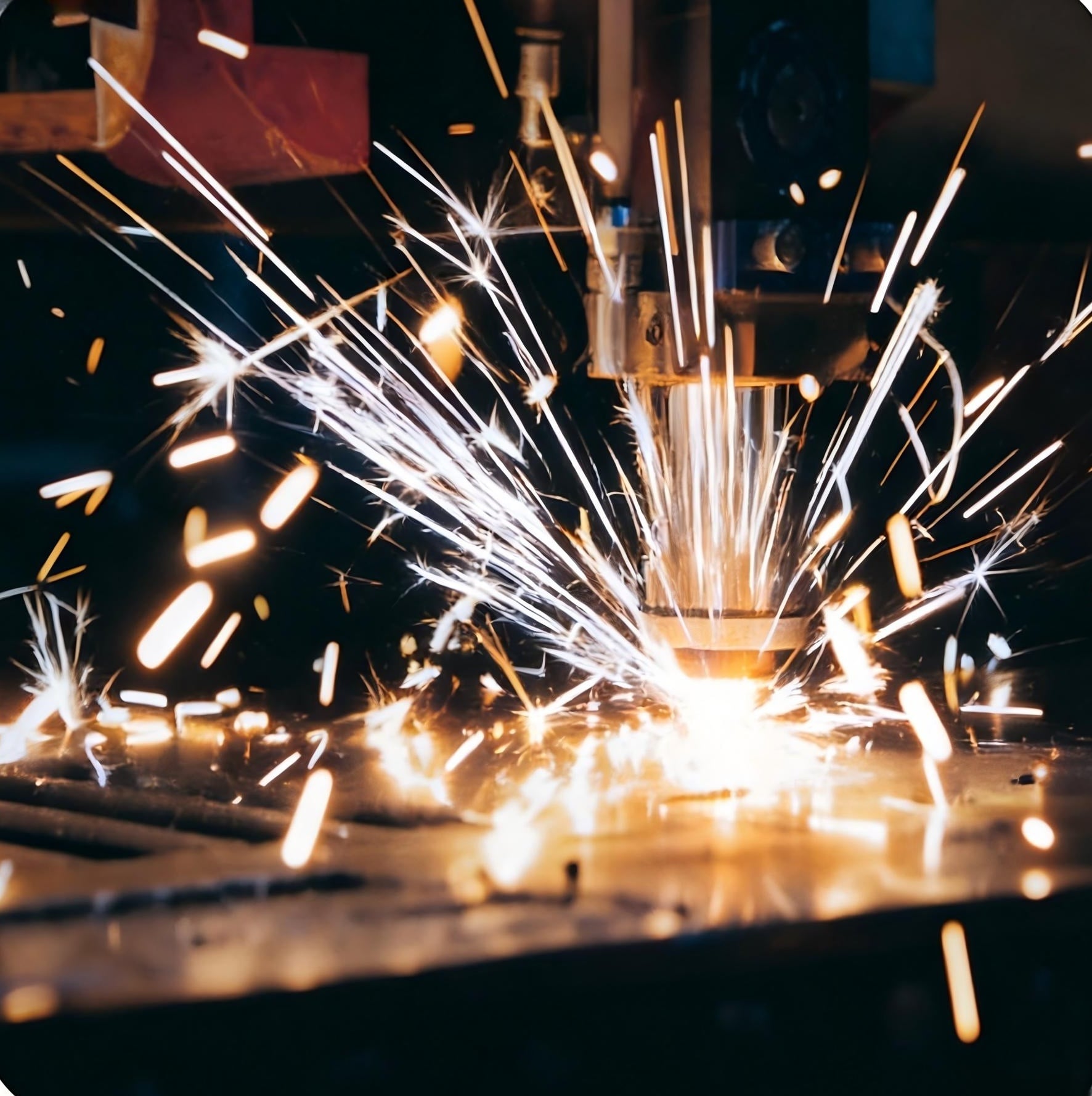
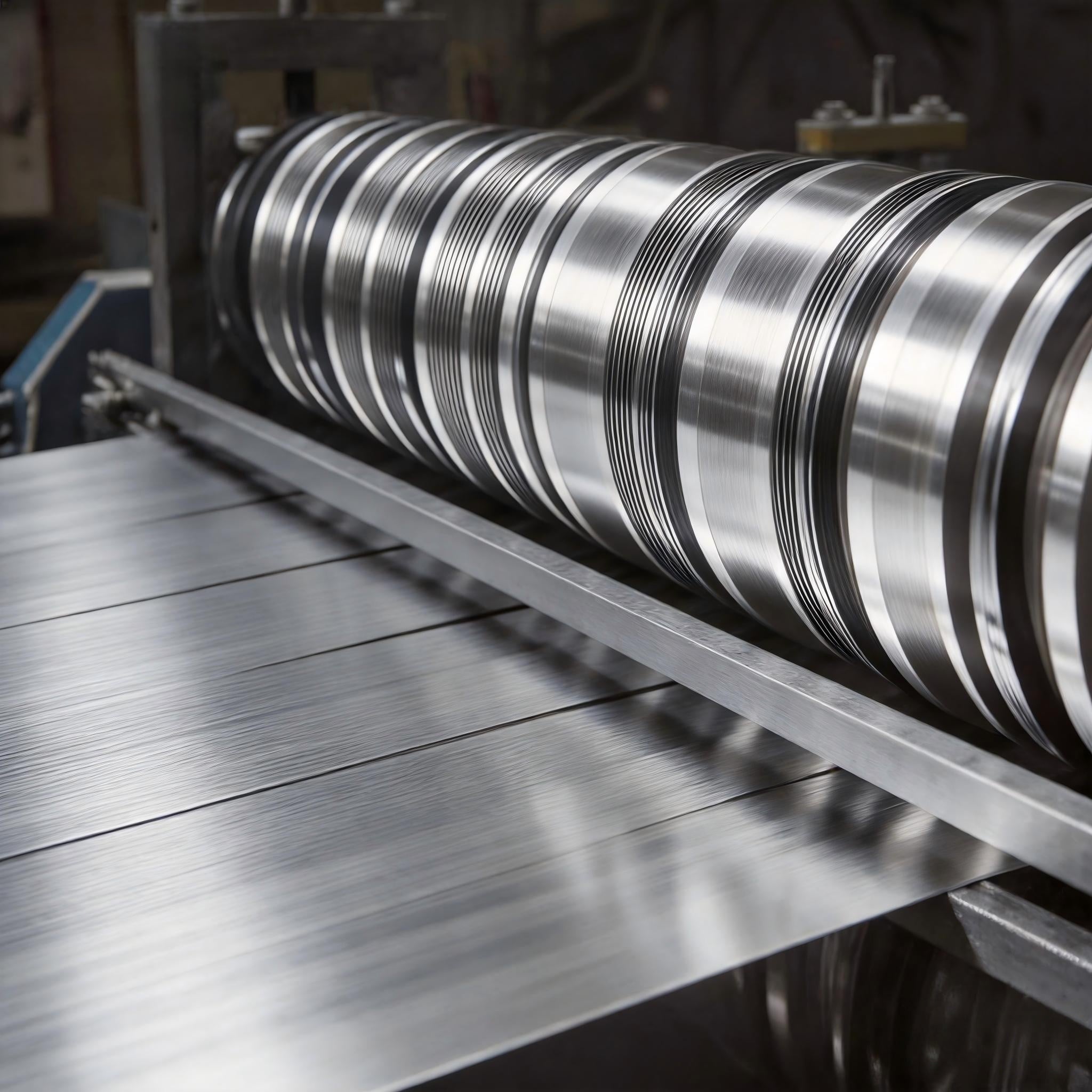
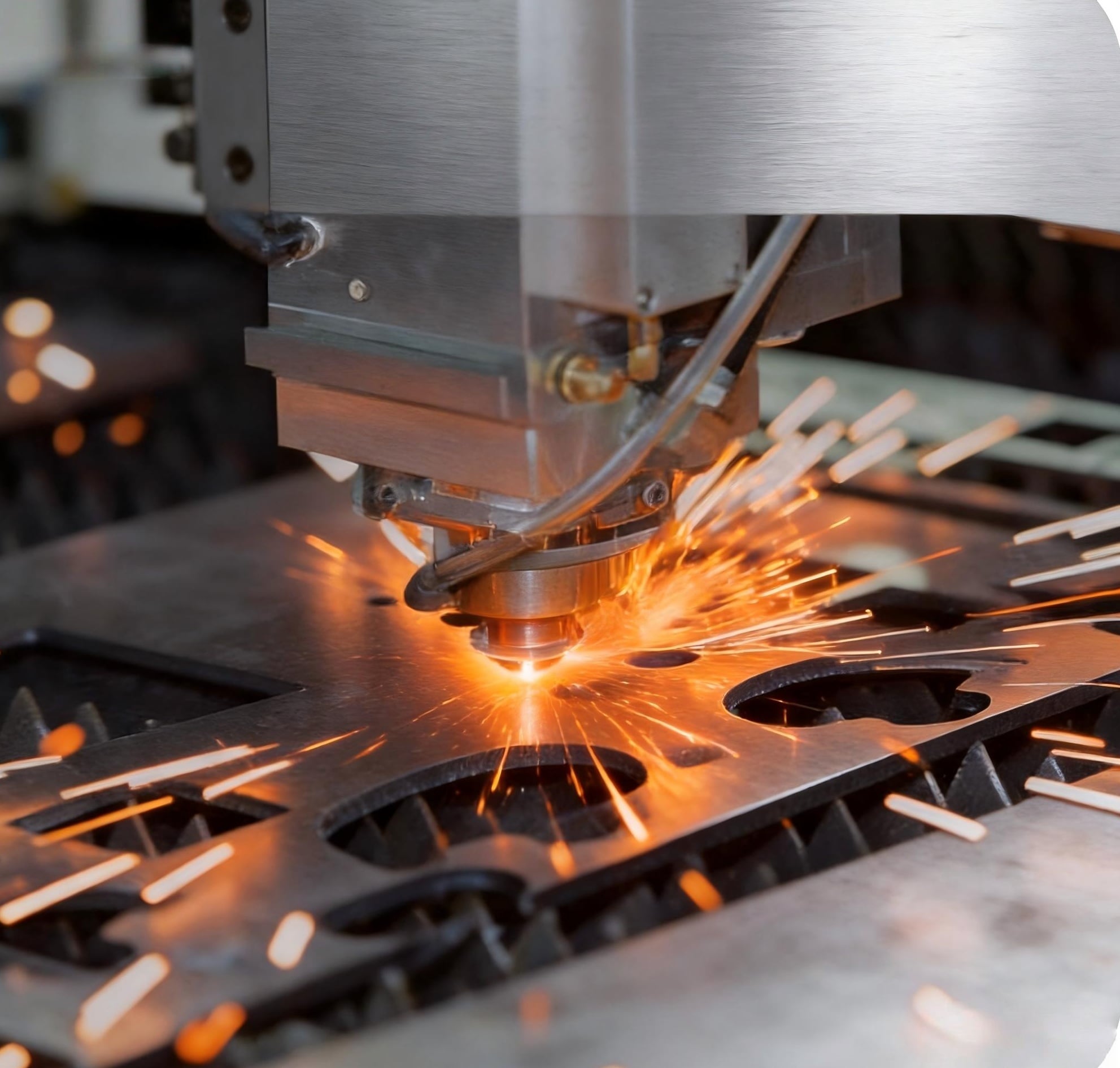
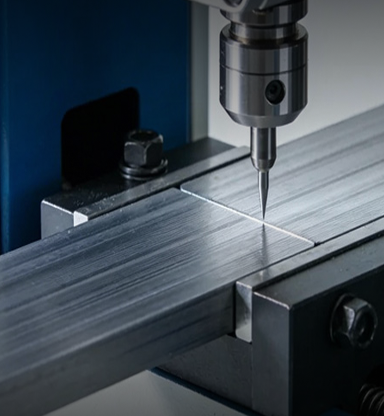
Plate welding usually starts with plate cutting. Cutting methods may include shearing, flame cutting, plasma cutting, laser cutting, waterjet cutting, or sawing depending on thickness, material, shape, and tolerance. Accurate cutting improves plate welding fit-up, reduces gap issues, lowers grinding time, and helps welded assemblies stay closer to required dimensions.
Beveling is important for many plate welding projects, especially when plate thickness is large or full penetration is needed. Bevel design may include single V, double V, single bevel, double bevel, or other joint forms according to drawings and welding requirements. Buyers should clearly confirm bevel angle, root gap, root face, weld side, and final assembly direction.
Fit-up affects the quality and appearance of plate welding. If plate edges, holes, slots, or stiffeners do not align correctly, welding deformation and assembly problems may increase. Drawings should show plate size, hole positions, joint location, weld symbols, tolerance, and assembly sequence. Clear plate welding drawings help reduce misunderstanding before production coordination.
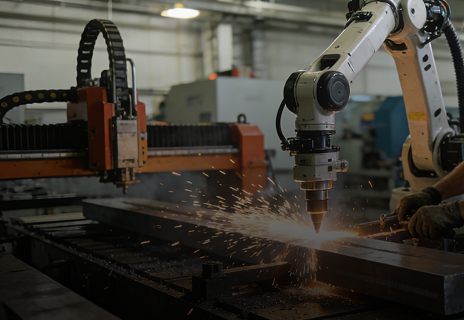
Weld type should be selected according to application. Plate welding may include butt welds, fillet welds, lap welds, plug welds, corner welds, groove welds, and stiffener welds. A machinery base may require strong fillet welds and grinding. A tank may require continuous welds. A bracket may use intermittent welds. Buyers should specify weld length, weld size, weld position, and appearance requirement.
Distortion control is a practical issue in plate welding. Heat can bend, twist, or shrink welded plate assemblies, especially when plate is thin or welds are long. Welding sequence, clamping, tack welding, balanced welds, controlled heat input, and later straightening may be considered. Buyers should indicate critical flatness, hole alignment, and assembly dimensions.
Plate welding can be combined with drilling, punching, bending, rolling, grinding, machining, polishing, painting coordination, powder coating coordination, and part marking. Many buyers prefer processed plate welding parts because they reduce workshop preparation after arrival. For equipment bases, brackets, tank panels, covers, and frames, combined processing can improve installation efficiency.
Surface treatment may be required after plate welding. Carbon steel plate welding parts may need grinding, primer painting, finish painting, powder coating, oil protection, or galvanizing coordination. Stainless plate welding parts may need pickling, polishing, brushing, or surface cleaning depending on use. The final finish should match environment, appearance, and handling needs.
Plate welding for machinery includes machine bases, guards, covers, support frames, mounting plates, bearing seats, brackets, hoppers, and welded structures. These parts may require accurate holes, flat mounting surfaces, machining allowance, strong welds, and clear labels. Buyers should provide assembly drawings and indicate critical dimensions.
Plate welding for construction includes base plates, gusset plates, stairs, platforms, handrail parts, embedded parts, support brackets, roof components, connection plates, and steel frame accessories. These parts should match site drawings, bolt layouts, installation sequence, and surface protection requirements. Organized packing helps contractors find components faster at the jobsite.
Plate welding for tanks and containers includes shell plates, bottom plates, cover plates, stiffeners, nozzles, brackets, and support parts. Buyers should confirm material, plate thickness, shape, weld continuity, surface treatment, and usage environment. For pressure-related or regulated equipment, final design and acceptance should be handled according to applicable project requirements by qualified parties.
Plate welding for agricultural and mining equipment includes buckets, liners, bins, frames, guards, blades, chutes, brackets, repair panels, and support structures. These applications may involve impact, abrasion, vibration, dust, moisture, and outdoor exposure. Material thickness, wear resistance, weld layout, and surface protection should be selected according to real operating conditions.
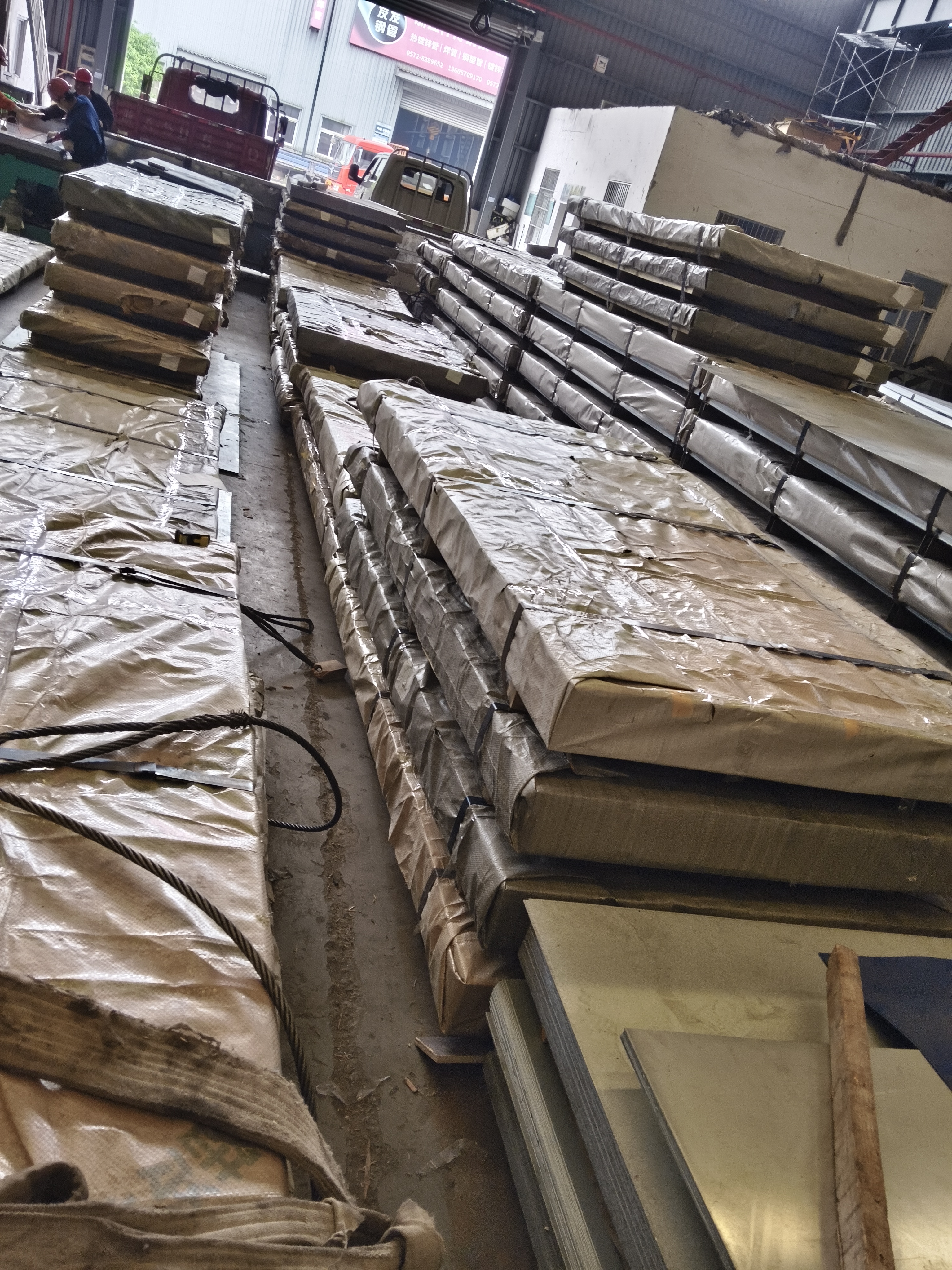
Packing is important for plate welding export orders because welded plate assemblies may be heavy, sharp, irregular, painted, polished, or supplied in mixed part numbers. Packing may include wooden pallets, wooden cases, steel frames, foam protection, waterproof wrapping, steel straps, edge protection, labels, part numbers, and reinforced container loading plans.
Many buyers purchase plate welding parts together with steel plate, steel tube, steel pipe, channel, angle, beam, fasteners, flanges, fittings, stainless steel products, aluminum profiles, and custom fabricated metal parts. Zhejiang Deqing International Steel Market helps coordinate mixed procurement, warehouse organization, export packing, customs declaration, container loading, and delivery planning through one platform.
When requesting a quotation for plate welding, buyers should provide drawings, material grade, plate thickness, part size, weld symbols, bevel details, tolerance, hole positions, surface finish, quantity, packing method, destination port, and delivery schedule. If formal drawings are not ready, sketches, photos, samples, and application descriptions can support initial plate welding discussion.
Located in Deqing, Zhejiang, within the Yangtze River Delta industrial region, Zhejiang Deqing International Steel Market connects steel resources, plate cutting support, welding fabrication coordination, warehouse handling, trucking routes, and port-linked logistics. We help overseas buyers arrange plate welding for production, resale, installation, maintenance, repair, and industrial supply.
A reliable plate welding supply plan includes application review, material selection, drawing confirmation, cutting preparation, bevel checking, welding coordination, distortion control discussion, surface finish planning, packing design, customs declaration, container loading, and delivery tracking. Our goal is to help buyers receive plate welding parts in a practical, organized, and export-ready condition.
 EN
EN