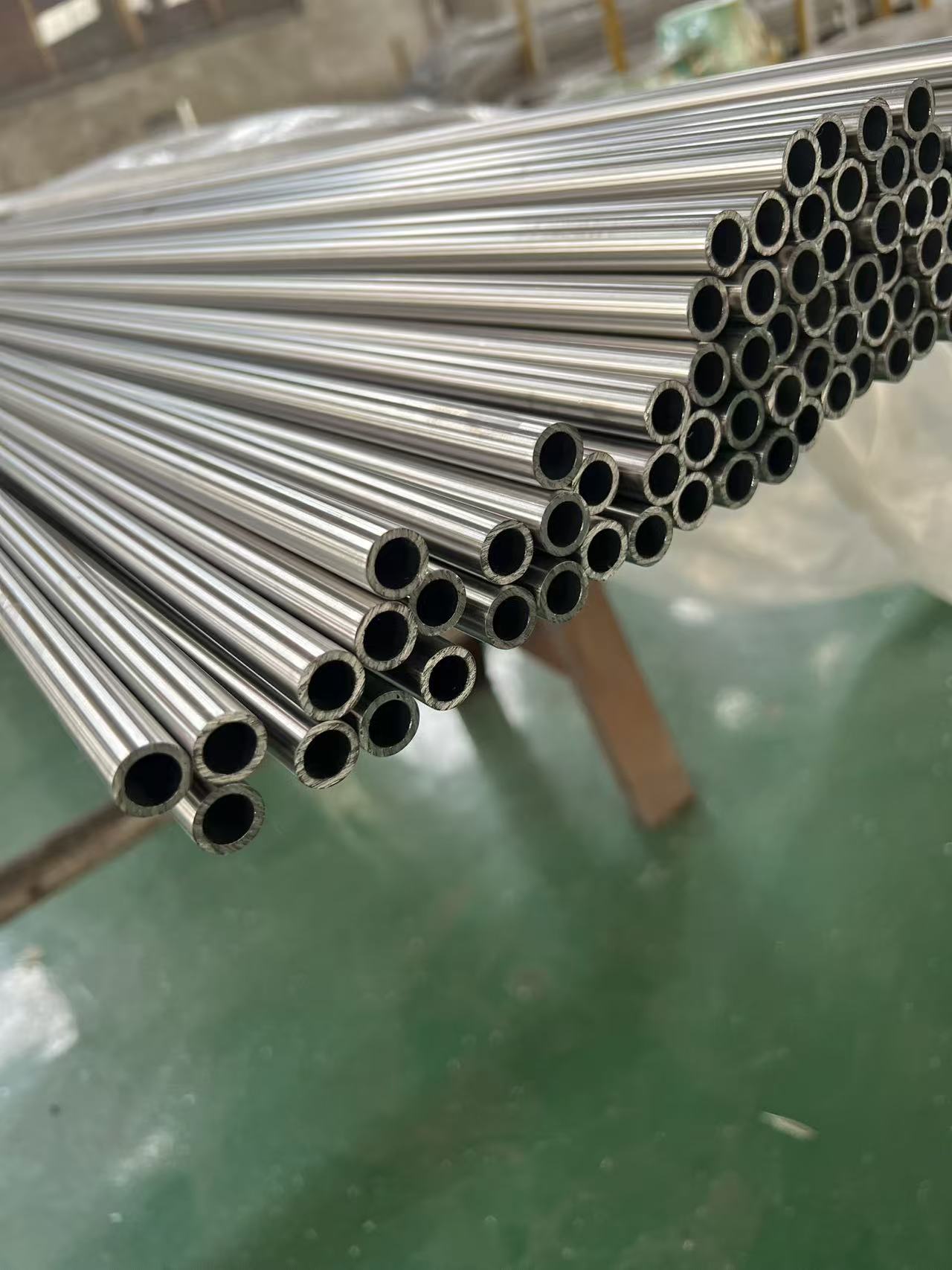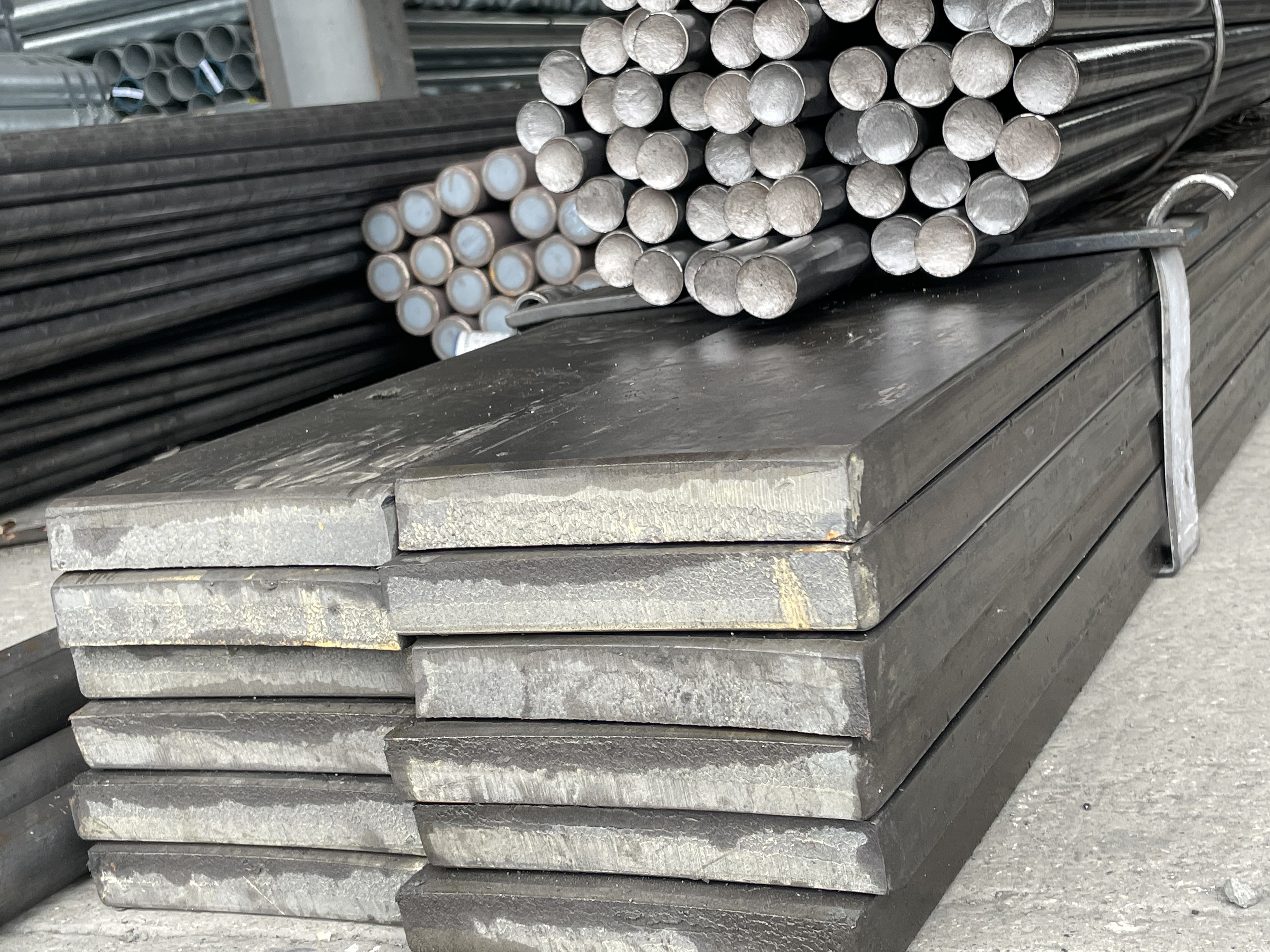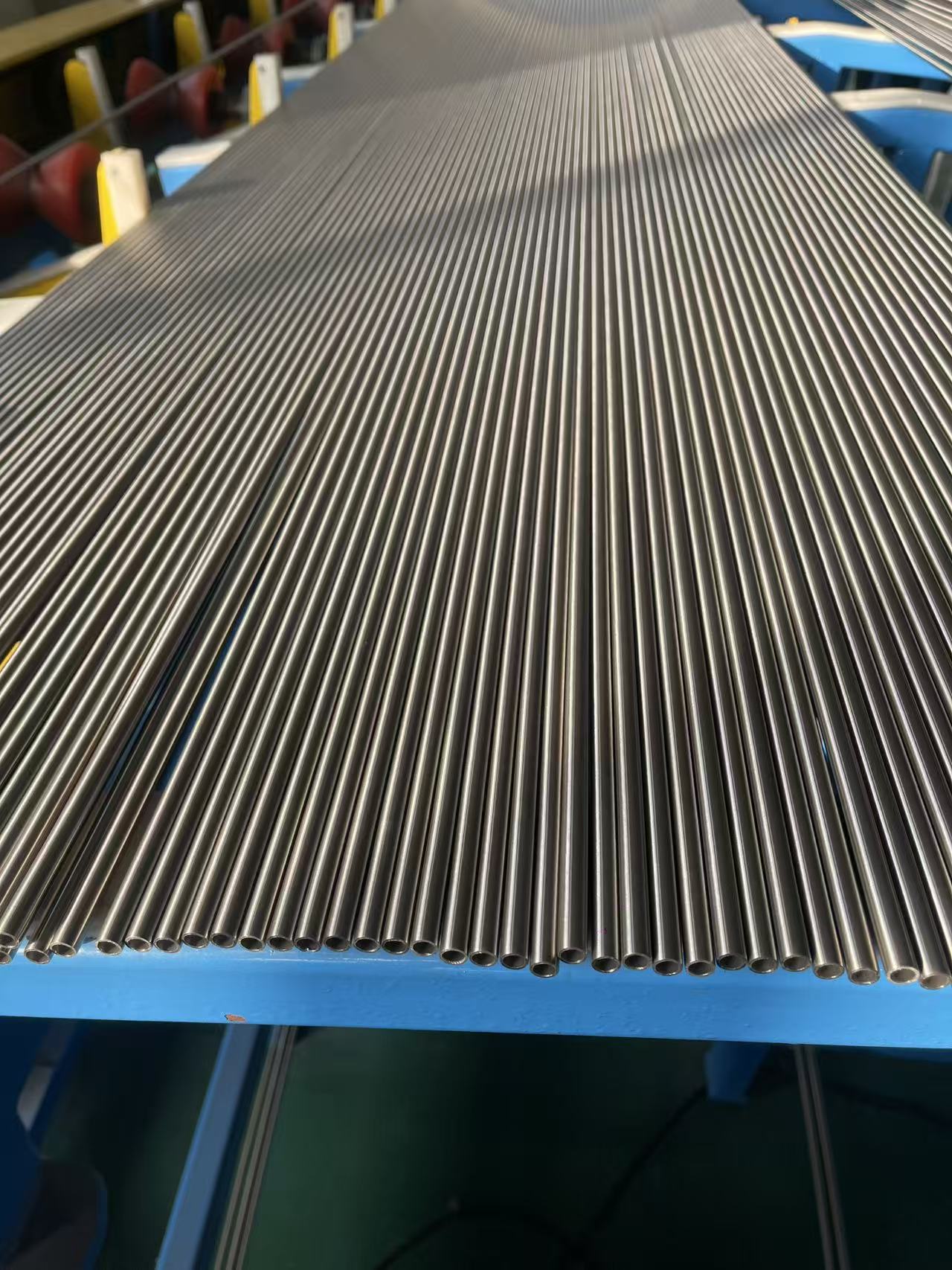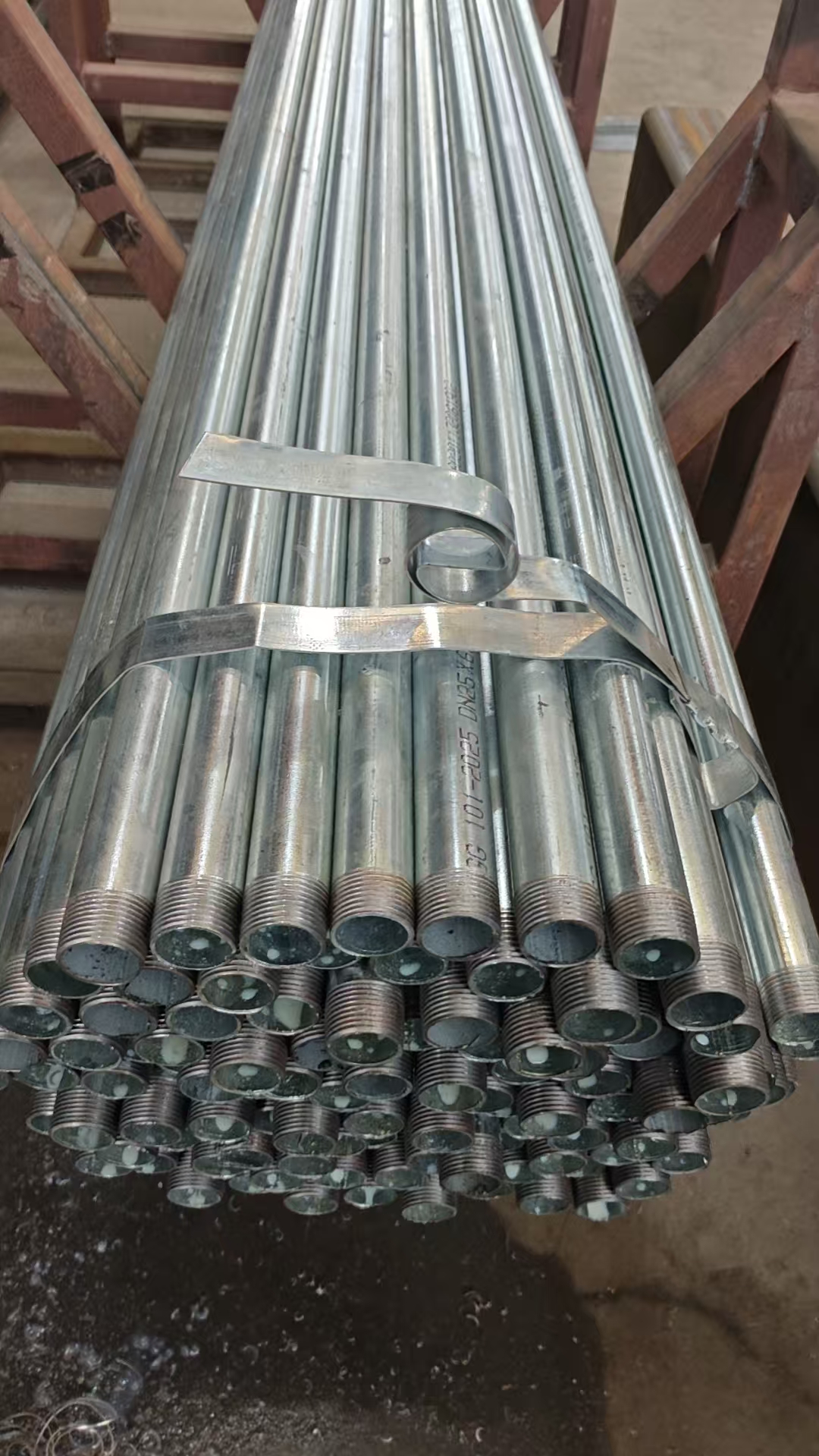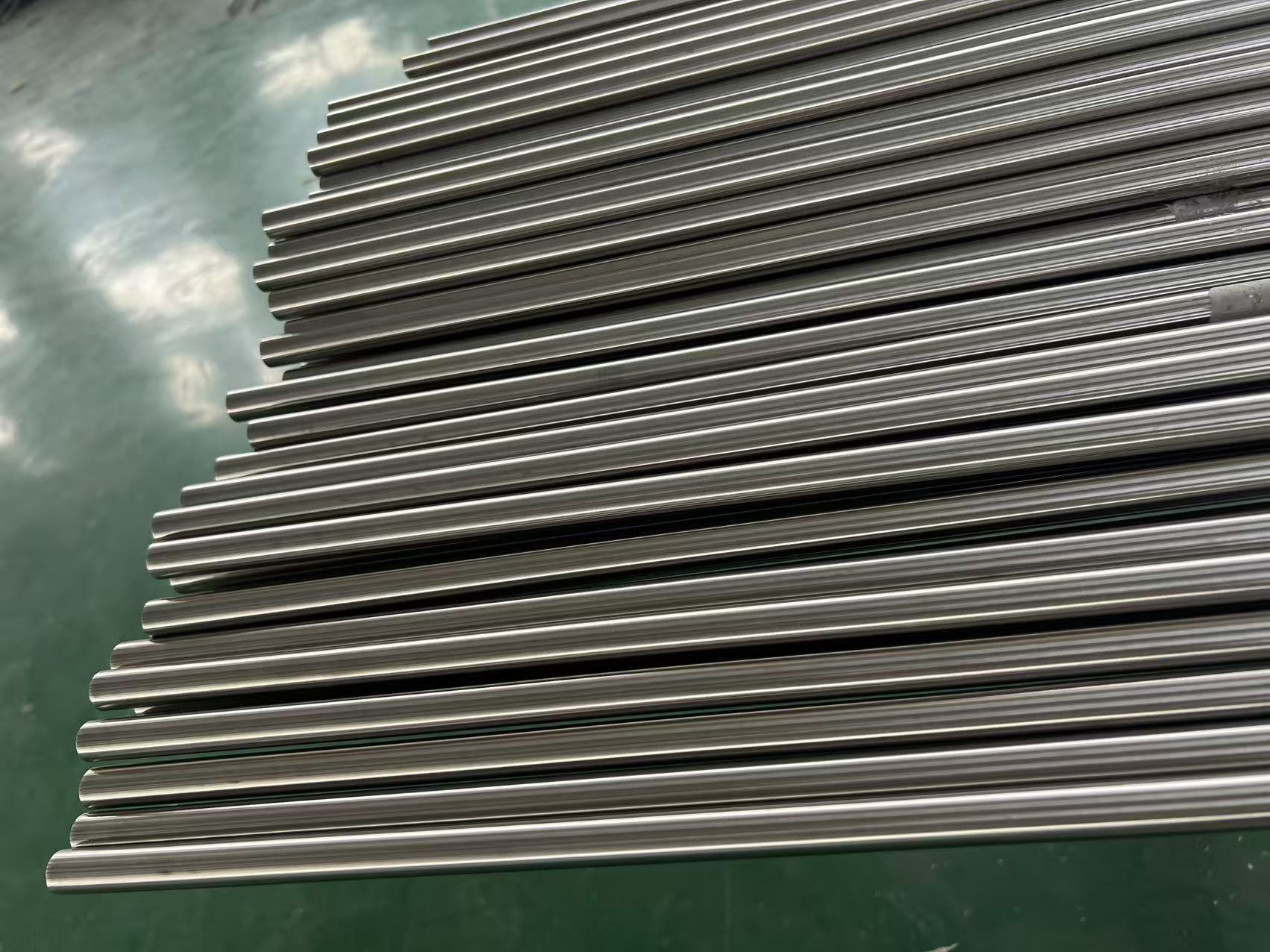
Seamless stainless steel tube is widely used where corrosion resistance, clean inner surfaces, pressure-related performance, stable dimensions, and continuous tube structure are important. Zhejiang Deqing International Steel Market supports global buyers with seamless stainless steel tube sourcing, size confirmation, grade matching, processing coordination, packing, customs declaration, and export delivery.
Compared with welded stainless steel tube, seamless stainless steel tube is produced without a welded seam along the tube body. This makes seamless stainless steel tube a practical choice for chemical equipment, heat exchangers, hydraulic systems, instrumentation, marine hardware, food equipment, medical equipment, pressure-related pipelines, and machinery parts where tube integrity and dimensional consistency are important.
Choosing the right seamless stainless steel tube starts with the final application. A chemical equipment buyer may need seamless stainless steel tube with better corrosion resistance. A heat exchanger producer may need stable wall thickness and accurate outside diameter. A machinery factory may need seamless stainless steel tube for sleeves, shafts, rollers, or machined parts. A food equipment buyer may focus on clean surfaces and easy cleaning.
Grade selection is one of the most important steps. 304 seamless stainless steel tube is widely used for general corrosion resistance, water systems, food equipment, machinery, and indoor or outdoor industrial use. 316 seamless stainless steel tube and 316L seamless stainless steel tube are often selected for marine, chemical, moisture-exposed, or more corrosive environments. Buyers should match the grade with real working conditions rather than selecting by price alone.
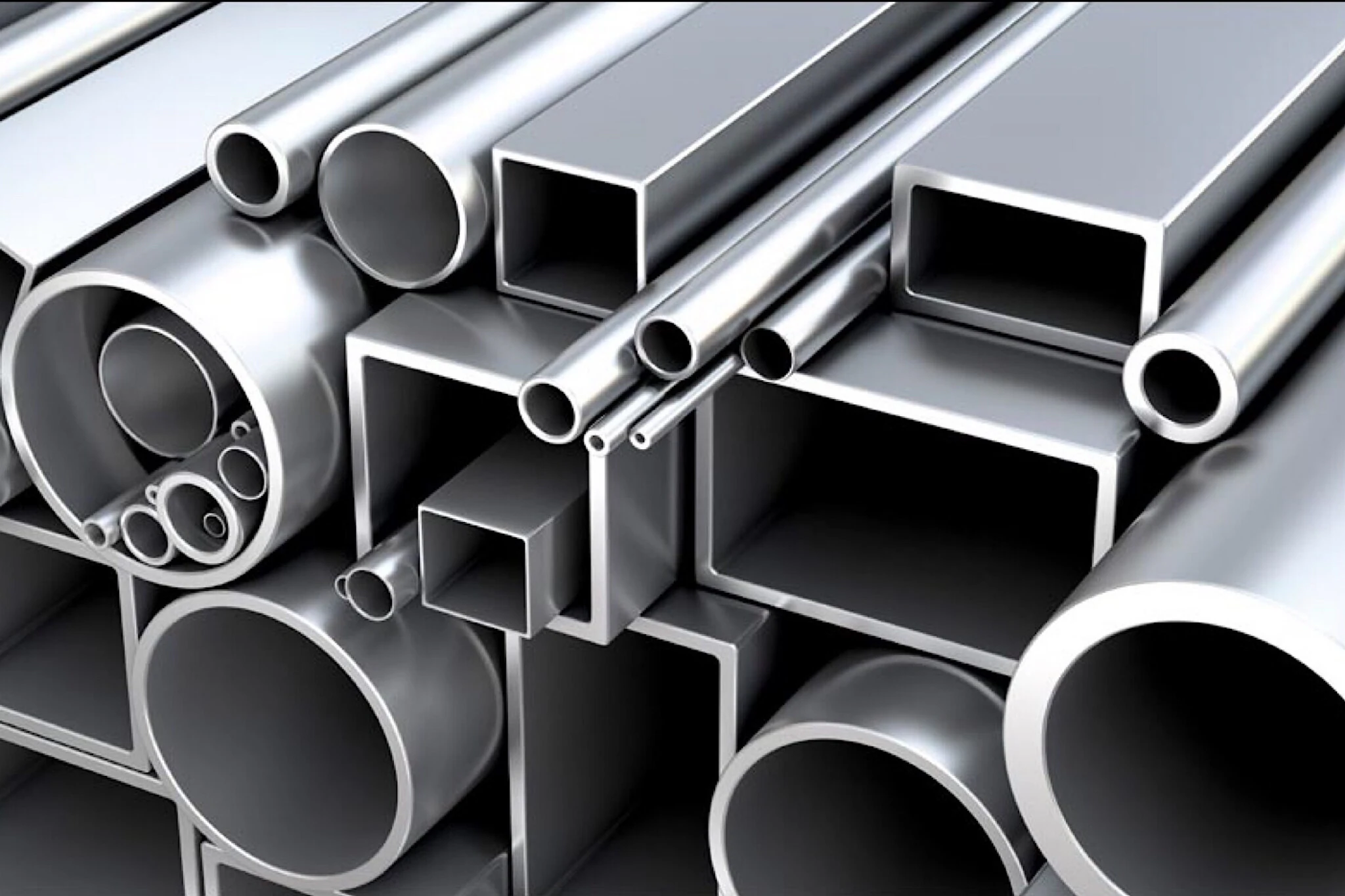
The size of seamless stainless steel tube should be confirmed clearly before quotation. Buyers should provide outside diameter, wall thickness, length, tolerance, quantity, and end condition. Small seamless stainless steel tube may be used for instrumentation, precision parts, and fluid lines. Medium seamless stainless steel tube is common in equipment, piping, and fabrication. Thick-wall seamless stainless steel tube may be used for machining blanks, high-strength parts, or pressure-related applications.
Wall thickness affects strength, weight, flow capacity, machining allowance, and installation method. If seamless stainless steel tube is too thin for the application, it may not meet load or pressure-related needs. If it is too thick, it may increase cost and make cutting, bending, or installation more difficult. A practical balance between strength, corrosion resistance, processing needs, and budget should be discussed before ordering.
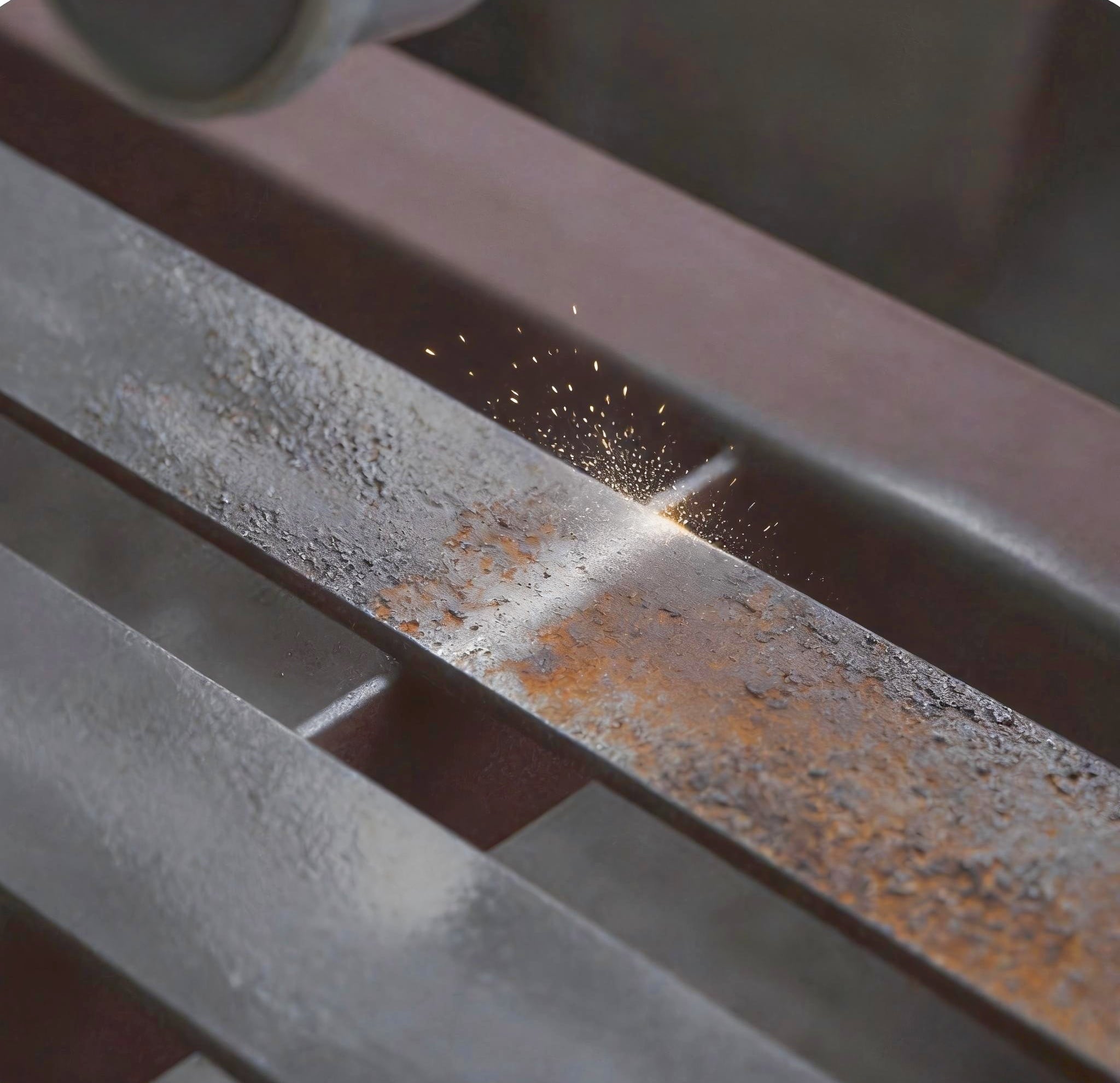
Surface finish also matters. Seamless stainless steel tube may be supplied with pickled surface, bright annealed surface, polished surface, brushed surface, or protected surface depending on availability and application. Industrial seamless stainless steel tube may accept a normal production surface, while visible parts, sanitary equipment, or decorative systems may require smoother surfaces and additional protection during packing.
Seamless stainless steel tube can be used in heat exchanger and boiler-related equipment because it supports continuous tube structure and stable performance in demanding systems. Buyers should confirm tube size, grade, wall thickness, operating environment, forming needs, and cutting requirements. If the tube will be bent, expanded, or connected to tube sheets, the processing method should be discussed early.
Food processing and sanitary equipment buyers may use seamless stainless steel tube in pipelines, frames, supports, transfer systems, and equipment parts. In these applications, smooth surfaces, corrosion resistance, cleaning convenience, and correct grade selection are important. 304 seamless stainless steel tube is common in general food equipment, while 316 or 316L seamless stainless steel tube may be considered for more aggressive environments.
Chemical and marine buyers often choose seamless stainless steel tube for better corrosion resistance and stable tube structure. In chemical systems, the media type, temperature, flow condition, and cleaning process can affect grade selection. In marine or coastal applications, 316 seamless stainless steel tube or 316L seamless stainless steel tube may be more suitable than basic grades, depending on exposure and service expectations.
Machinery builders use seamless stainless steel tube for rollers, bushings, sleeves, precision components, shafts, spacers, supports, and machined parts. In these cases, outside diameter, inner diameter, wall thickness, straightness, cutting length, and surface condition are important. If seamless stainless steel tube will be further machined, buyers should provide drawing details and machining allowance requirements.
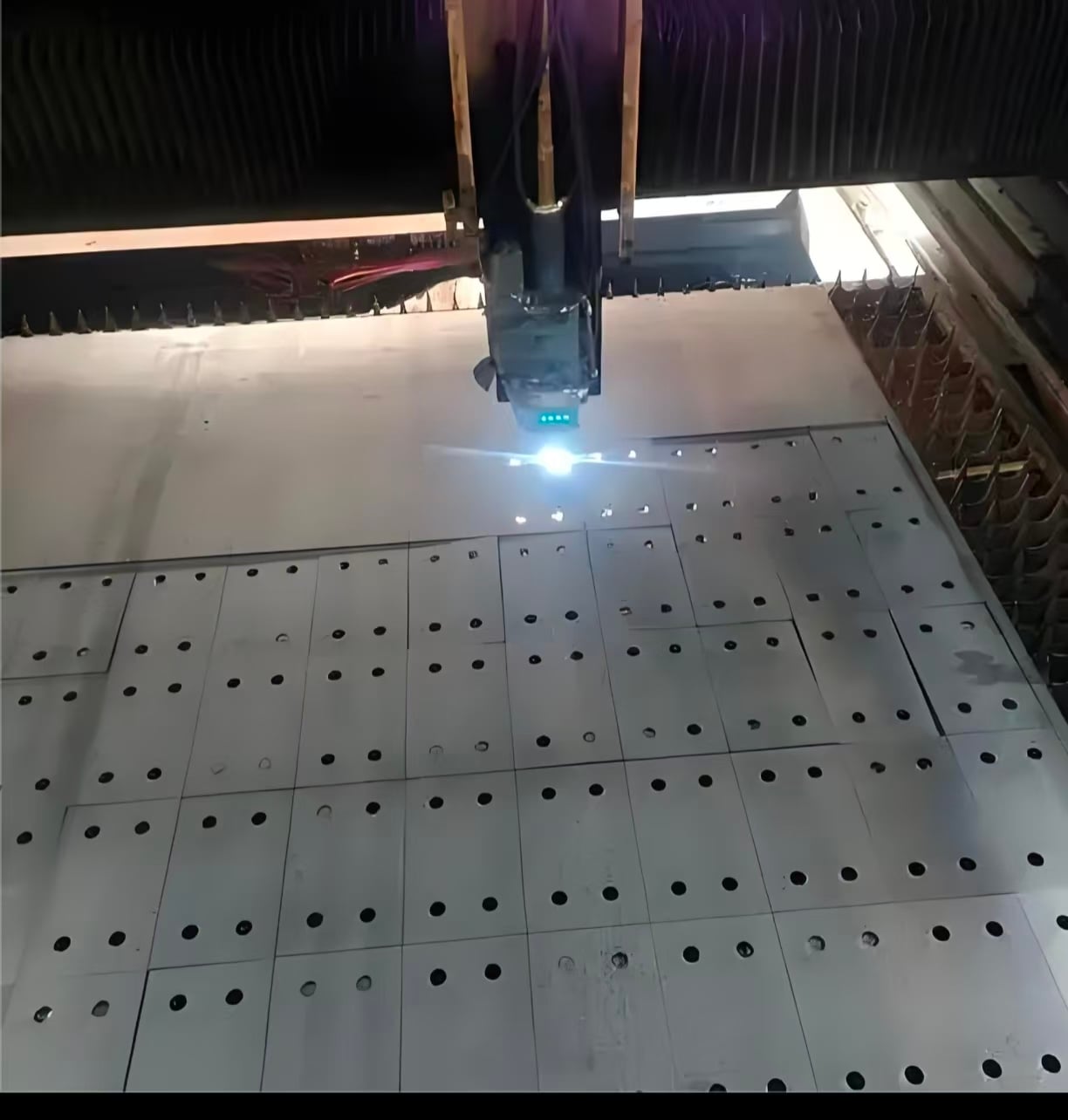
Processing support helps buyers receive seamless stainless steel tube in a more usable condition. Depending on order requirements, seamless stainless steel tube can be cut to length, deburred, polished, marked, capped, wrapped, bundled, palletized, or packed in wooden cases. For precision or surface-sensitive seamless stainless steel tube, careful separation and protective wrapping help reduce scratches during transport.
Tube ends should be confirmed based on installation needs. Seamless stainless steel tube may be supplied with plain ends, deburred ends, capped ends, beveled ends, or cut ends. For welded systems, end preparation may matter. For machinery parts, cut length accuracy and burr control are important. For export delivery, plastic caps or wrapping can help protect the tube interior and edges.
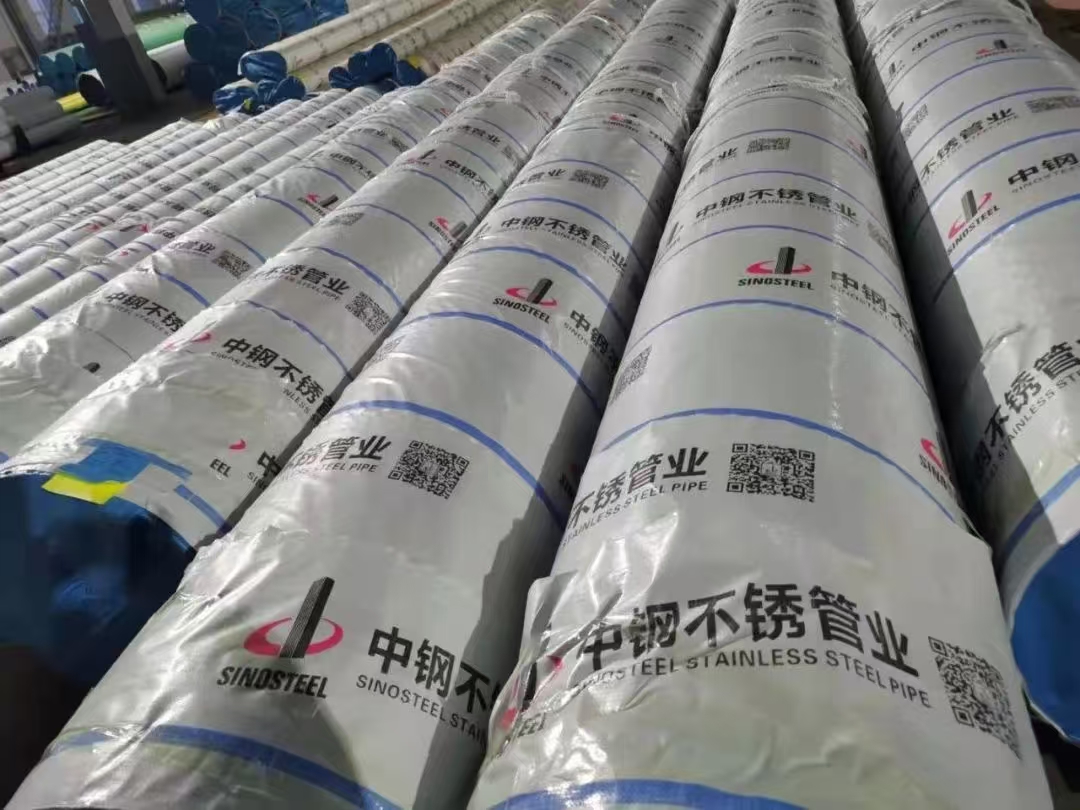
Packing is especially important for seamless stainless steel tube because stainless surfaces may be scratched during loading, shipping, or unloading. Common packing methods include bundle straps, plastic caps, woven bags, waterproof wrapping, wooden supports, pallets, wooden cases, labels, and reinforced container loading. Polished seamless stainless steel tube may require film, paper separation, or soft protection.
Many buyers purchase seamless stainless steel tube together with stainless steel fittings, flanges, valves, fasteners, gaskets, sheet, plate, bar, profiles, and fabricated parts. Zhejiang Deqing International Steel Market helps organize mixed metal procurement so buyers can reduce communication time, improve loading efficiency, and receive project materials in one coordinated shipment.
When requesting a quotation for seamless stainless steel tube, buyers should provide grade, outside diameter, wall thickness, length, tolerance, surface finish, quantity, cutting request, packing method, destination port, and expected delivery schedule. If the exact grade or size is uncertain, buyers can describe the working environment so practical seamless stainless steel tube options can be discussed.
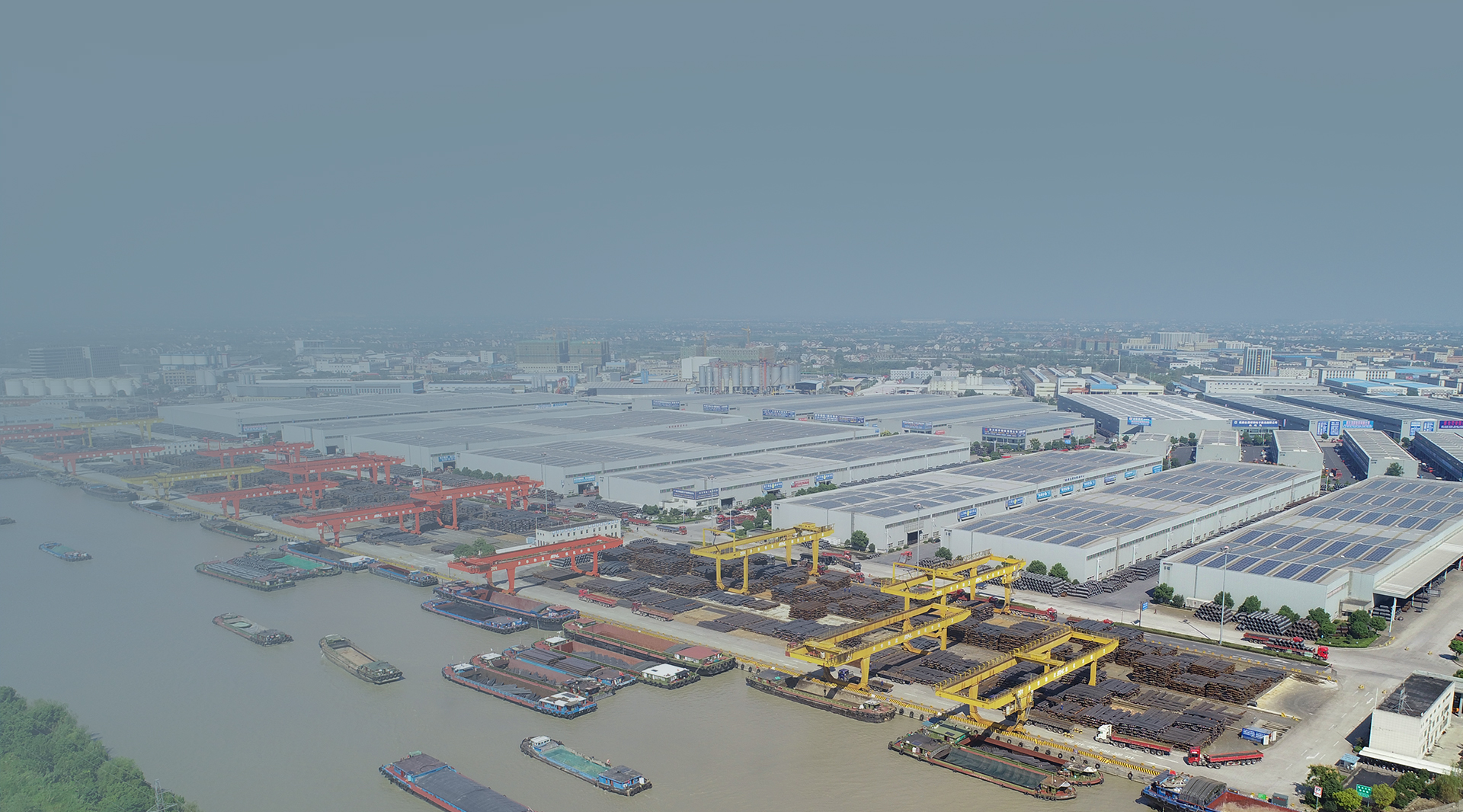
Located in Deqing, Zhejiang, within the Yangtze River Delta industrial region, Zhejiang Deqing International Steel Market has access to stainless steel resources, processing coordination, warehouse organization, trucking routes, and port-connected logistics. We help overseas buyers manage seamless stainless steel tube procurement for real production, resale, equipment assembly, and project installation.
A reliable seamless stainless steel tube supply plan includes application review, grade selection, size confirmation, wall thickness checking, finish matching, processing coordination, packing design, customs declaration, container loading, and delivery tracking. Zhejiang Deqing International Steel Market helps buyers source seamless stainless steel tube with practical specifications and export-focused support.
 EN
EN