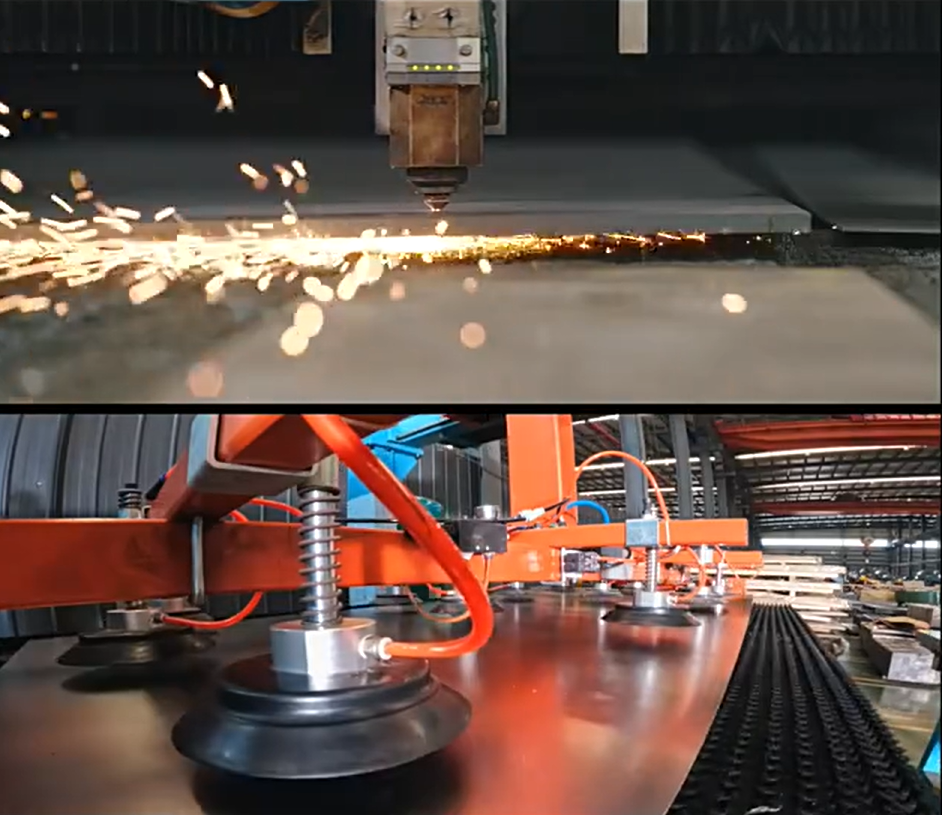
Sheet metal welding is a key fabrication process used to join thin or medium-thickness metal sheets into functional parts, assemblies, and structures. It is widely applied in industrial equipment, building components, machinery panels, electrical cabinets, warehouse fittings, ventilation systems, metal partitions, transport equipment, and custom fabrication projects. For global buyers, successful sheet metal welding depends not only on welding skill, but also on proper material selection, accurate cutting, suitable forming, surface preparation, and reliable export delivery.
Zhejiang Deqing International Steel Market supports sheet metal welding projects by combining steel trading, warehousing, processing, fabrication resources, and international logistics. Instead of sourcing sheets from one supplier, tubes from another supplier, and welding-related components from a third supplier, buyers can coordinate major materials and processing steps through one integrated platform.
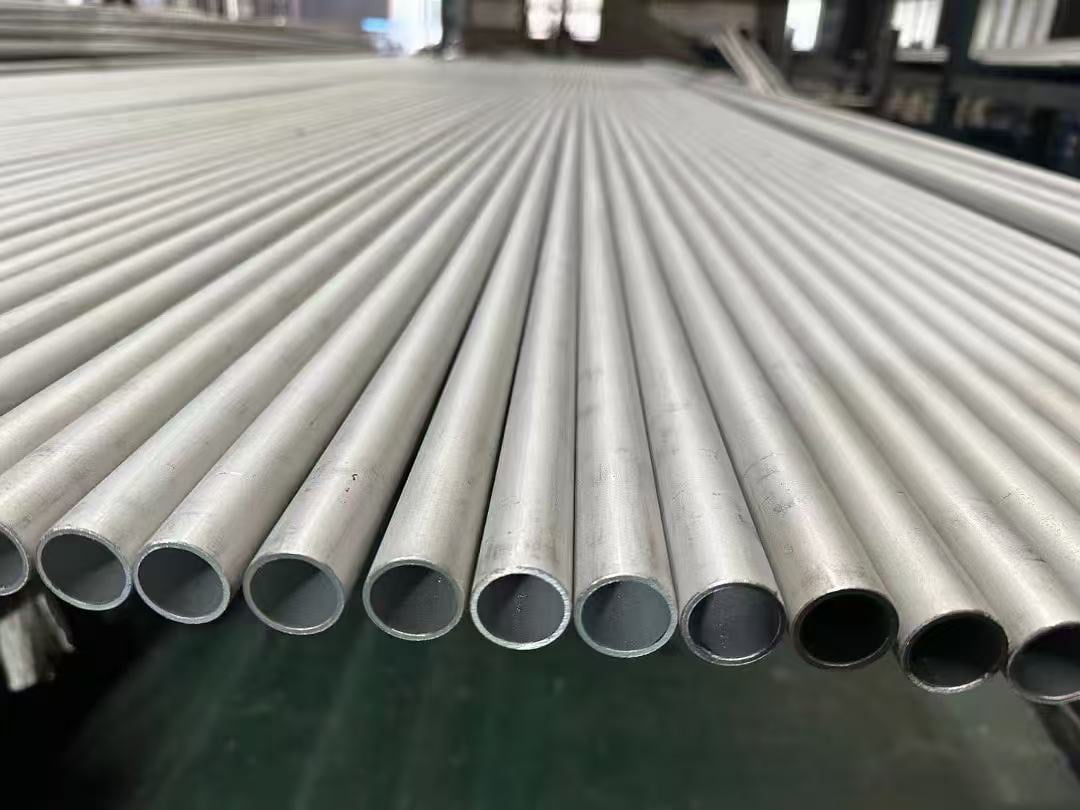
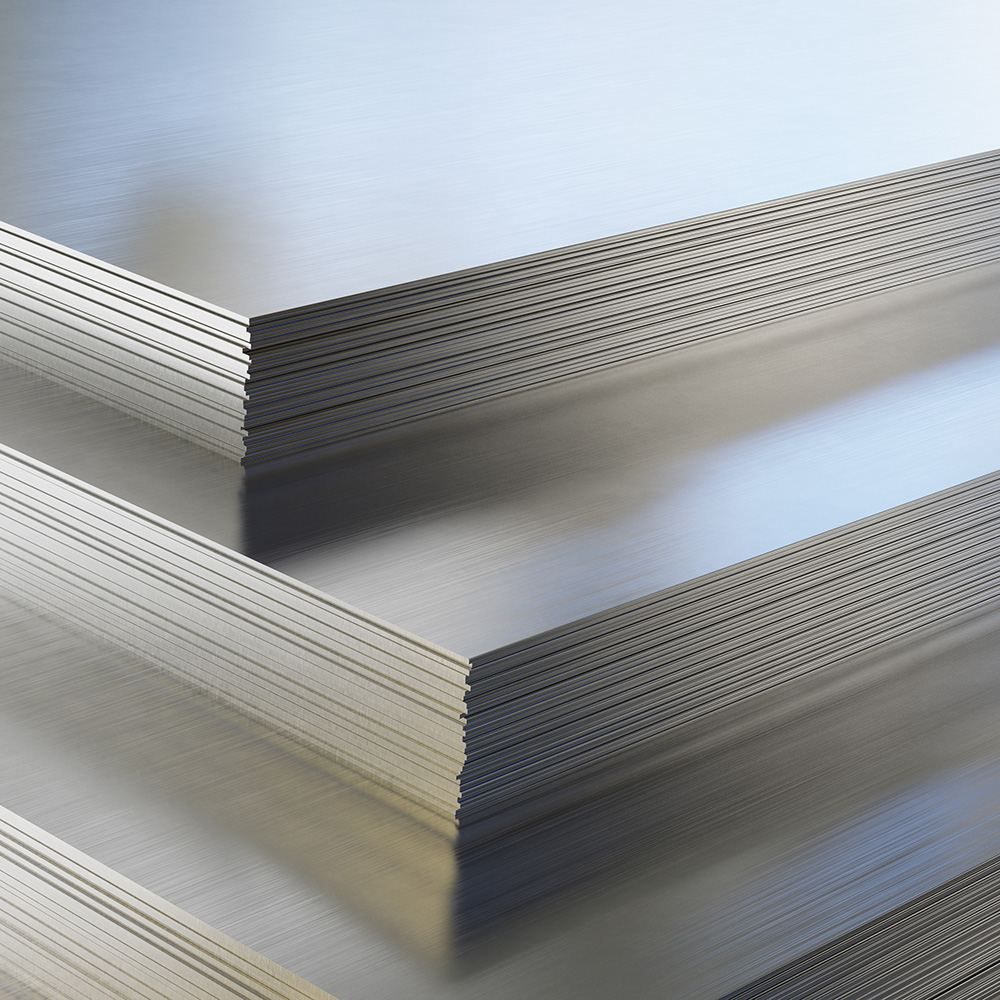
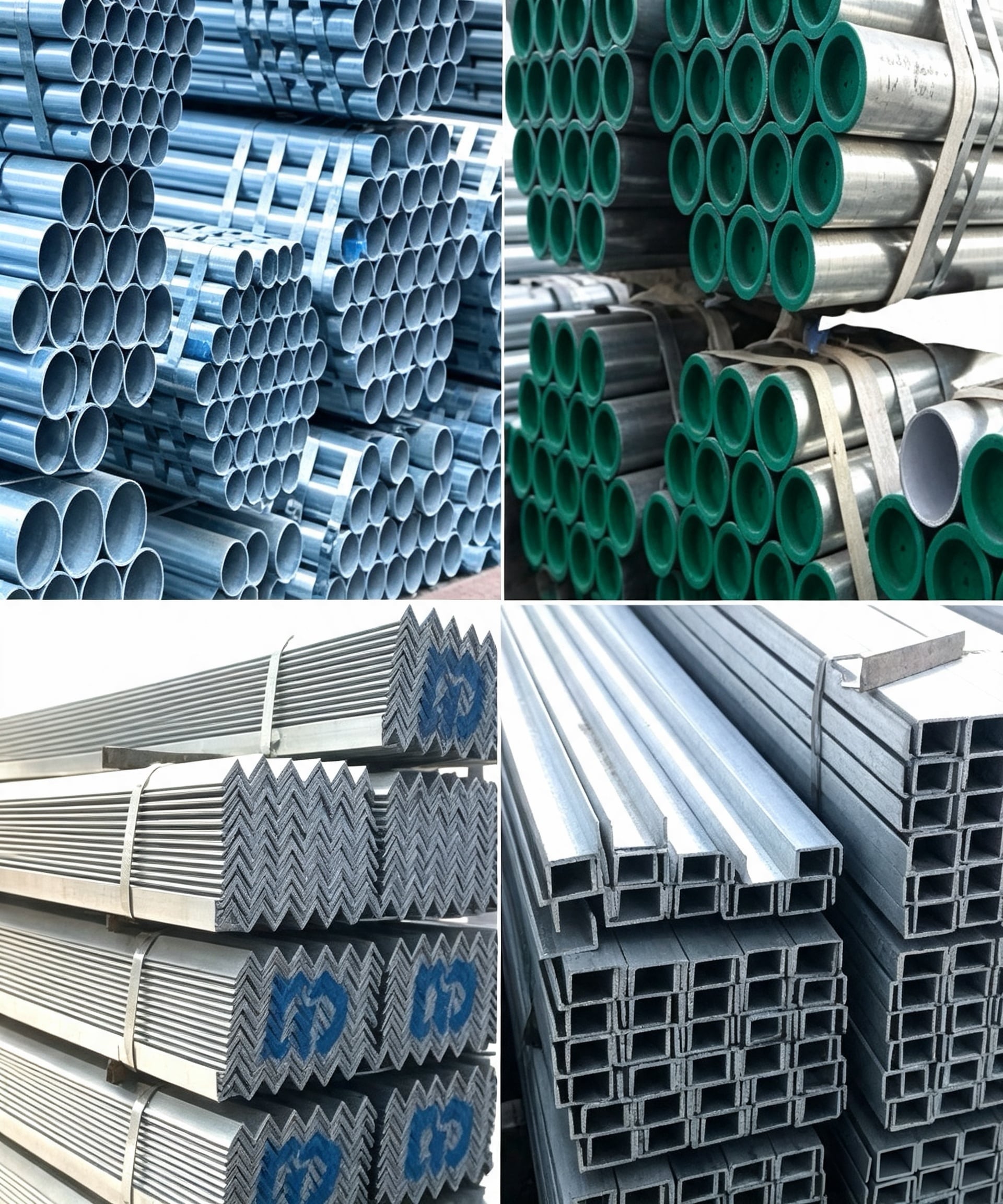
Material choice is the first step in sheet metal welding. Carbon steel is commonly used for machinery frames, brackets, covers, cabinets, and general industrial components because it is strong, economical, and easy to process. Stainless steel is often selected for sheet metal welding where corrosion resistance, clean appearance, or hygienic performance is required. Galvanized steel can be used for parts exposed to moderate corrosion conditions, while aluminum is suitable for lightweight sheet metal welding applications where lower weight and good formability are important.
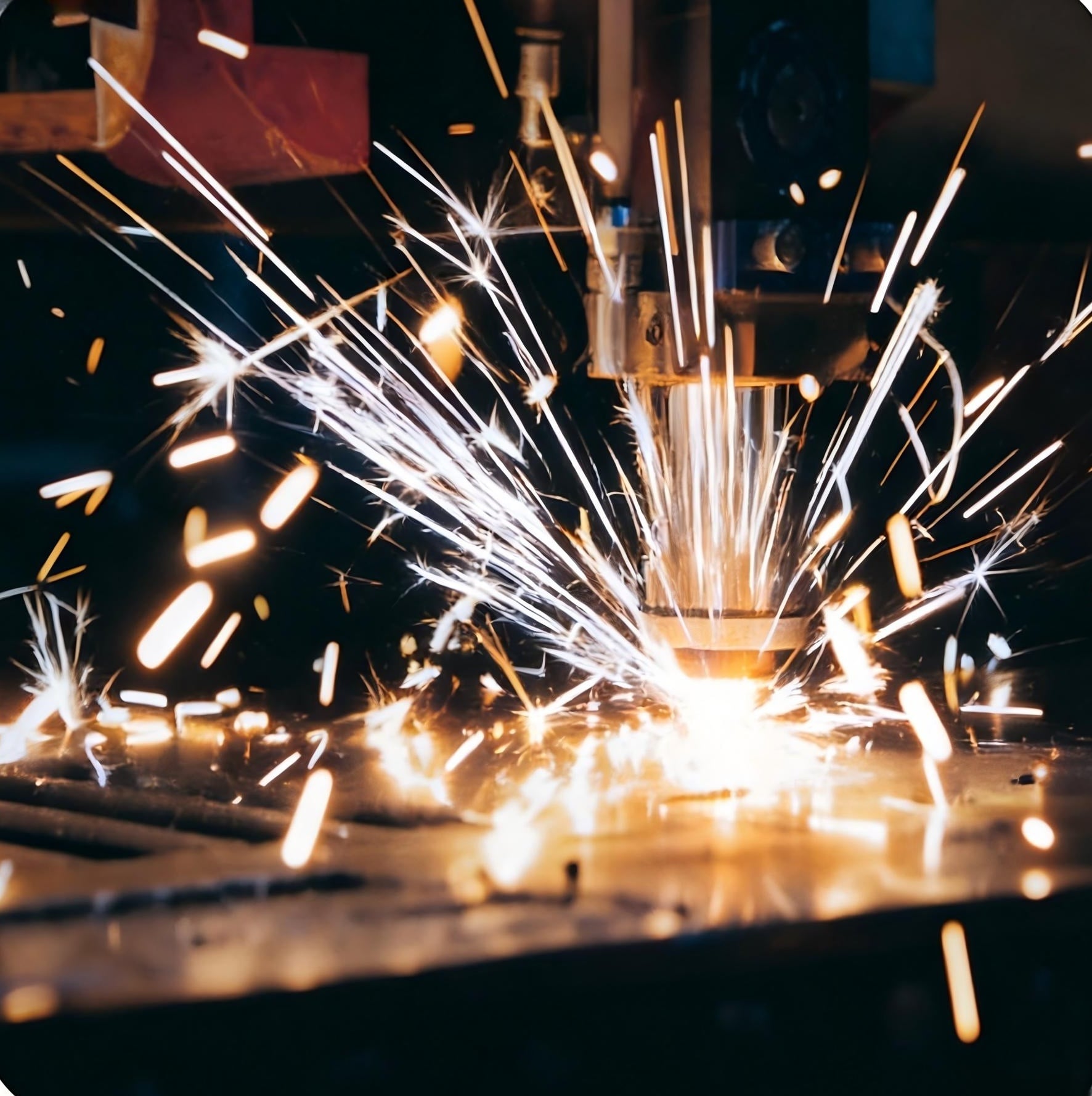
Thickness also matters. Thin sheets require better heat control during sheet metal welding to reduce distortion, burn-through, or uneven seams. Medium-thickness plates may require stronger joint design, proper edge preparation, and suitable welding methods. If a project includes folded panels, frames, support ribs, brackets, or enclosure parts, cutting accuracy and bending consistency are just as important as the welding process itself.
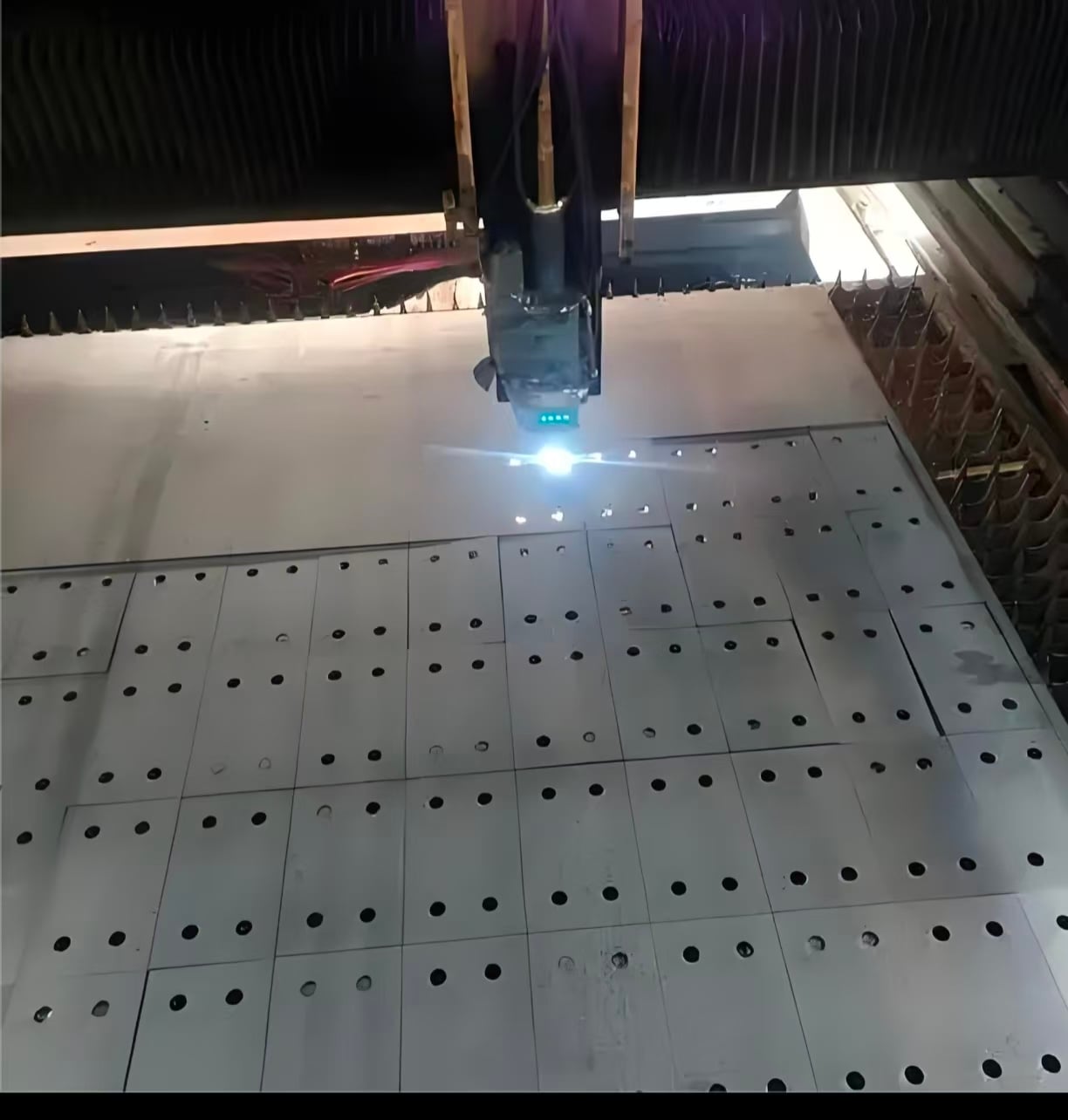
A typical sheet metal welding order may include several production steps. First, the buyer confirms the material grade, thickness, surface condition, and drawings. Then sheets or plates are cut, sheared, slit, punched, bent, or formed according to the required size. After that, welding can be arranged for panels, frames, corners, brackets, shells, or assemblies. Finally, the parts may need grinding, galvanizing, coating, polishing, inspection, packing, and shipment.
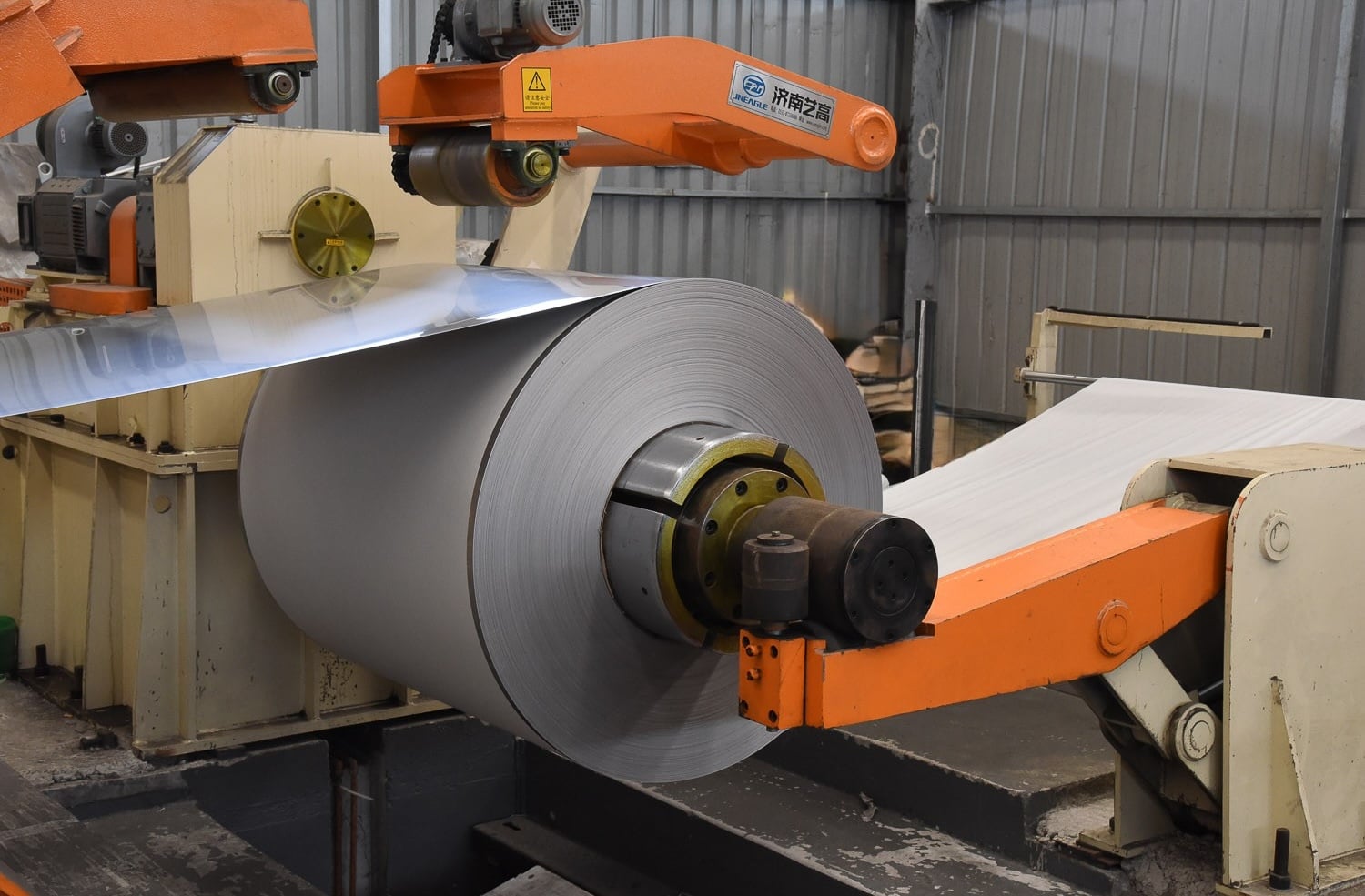
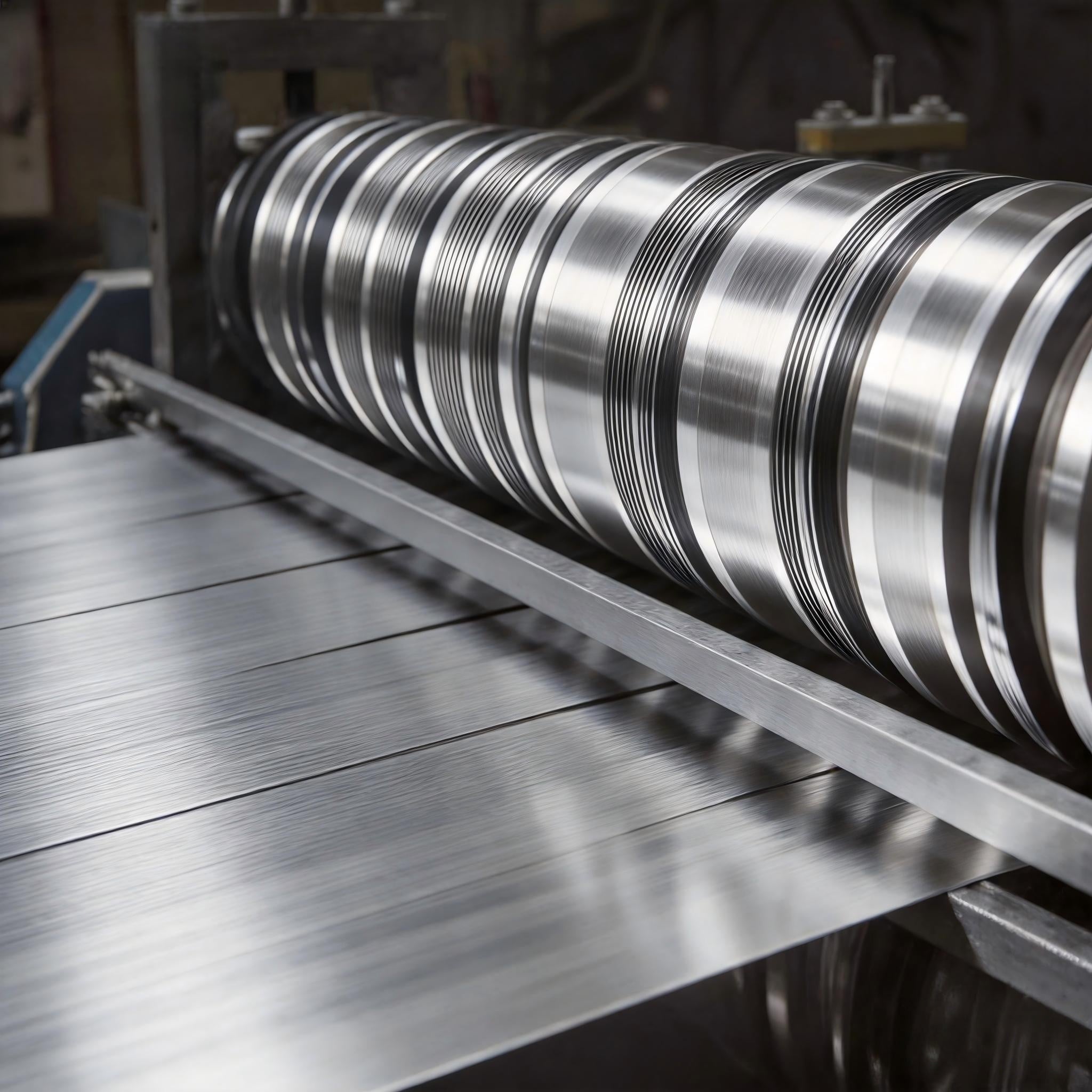
Our market provides access to processing services that support sheet metal welding, including metal shearing, coil slitting, cutting, fabrication, welding, galvanizing, surface coating, stamping, straightening, and leveling. These services are especially useful for buyers who want materials delivered closer to final assembly condition. For example, a machinery manufacturer may need cut and bent steel panels for sheet metal welding into equipment covers. A construction supplier may need galvanized sheet components welded into brackets or support parts. An electrical cabinet producer may require stainless steel or carbon steel panels with consistent dimensions before welding and finishing.
Sheet metal welding also requires attention to surface finish and post-treatment. Welded carbon steel parts may need painting, powder coating, galvanizing, or anti-rust treatment. Stainless steel welded parts may need polishing or passivation depending on use conditions. Aluminum sheet metal welding may require surface cleaning and careful packing to protect appearance during transportation. By planning surface treatment early, buyers can reduce rework and improve final product quality.
For international procurement, packaging and logistics are important. Welded sheet metal parts may have sharp edges, finished surfaces, or irregular shapes. Proper packing helps reduce scratches, deformation, and loading damage. Zhejiang Deqing International Steel Market supports export packing, container loading, customs declaration, and multimodal delivery through logistics routes connected with major ports. This makes sheet metal welding procurement more reliable for overseas fabricators, contractors, distributors, and project buyers.
Before ordering, buyers should provide drawings, material standards, thickness, weld type, quantity, tolerance requirements, surface treatment, inspection needs, and destination port. If the design is still under development, our team can assist in selecting suitable steel, stainless steel, aluminum, or galvanized materials for sheet metal welding based on use environment, strength requirement, appearance standard, and budget.
A reliable sheet metal welding solution is not only about joining two sheets together. It is a coordinated process involving material supply, dimensional control, welding preparation, fabrication, finishing, packing, and delivery. With large inventory, verified vendors, processing support, and export logistics, Zhejiang Deqing International Steel Market helps global buyers source sheet metal welding materials and fabricated components more efficiently.
 EN
EN