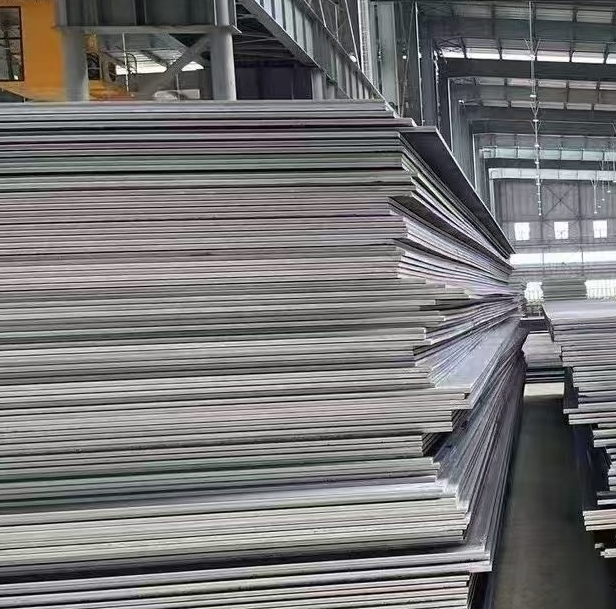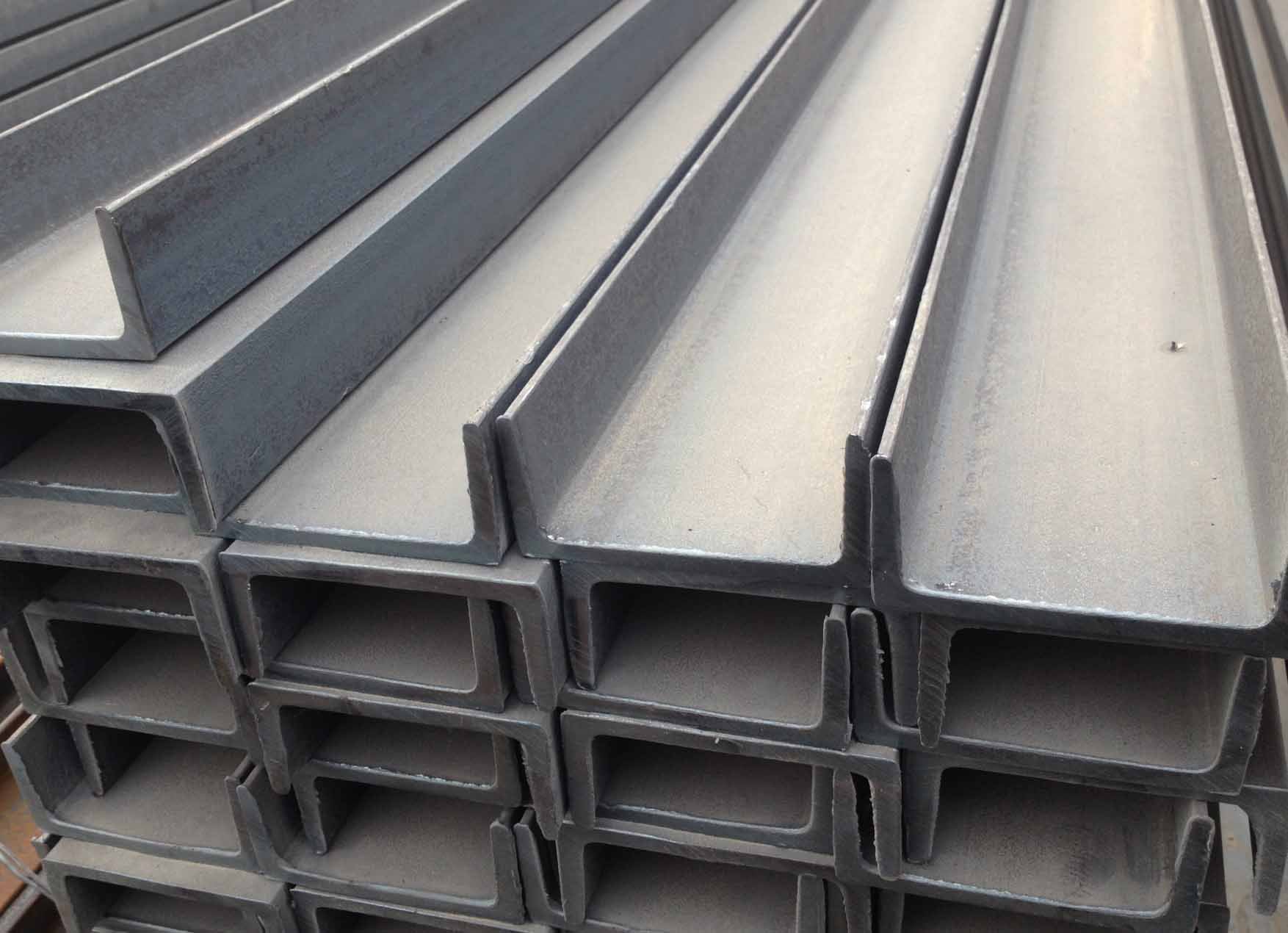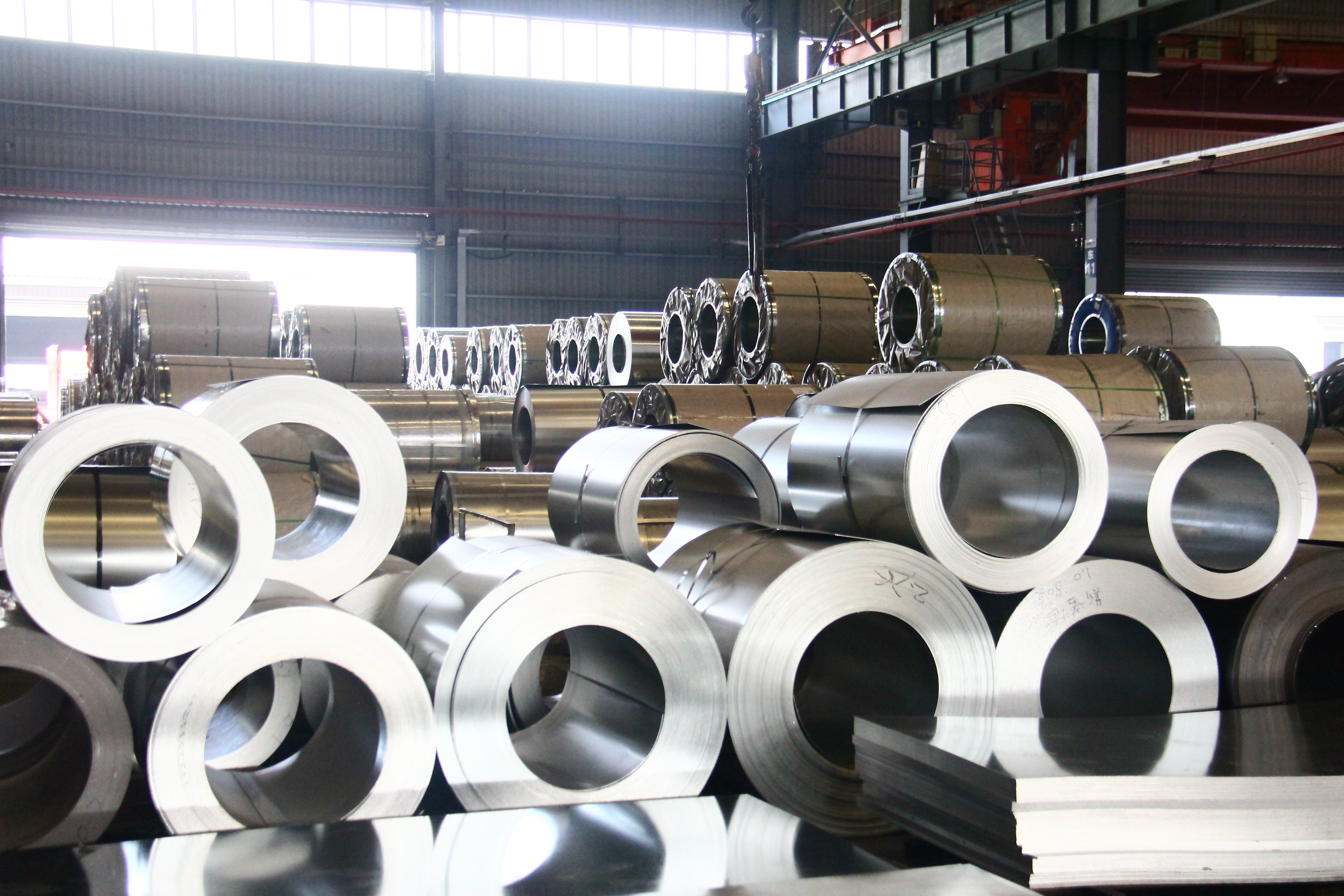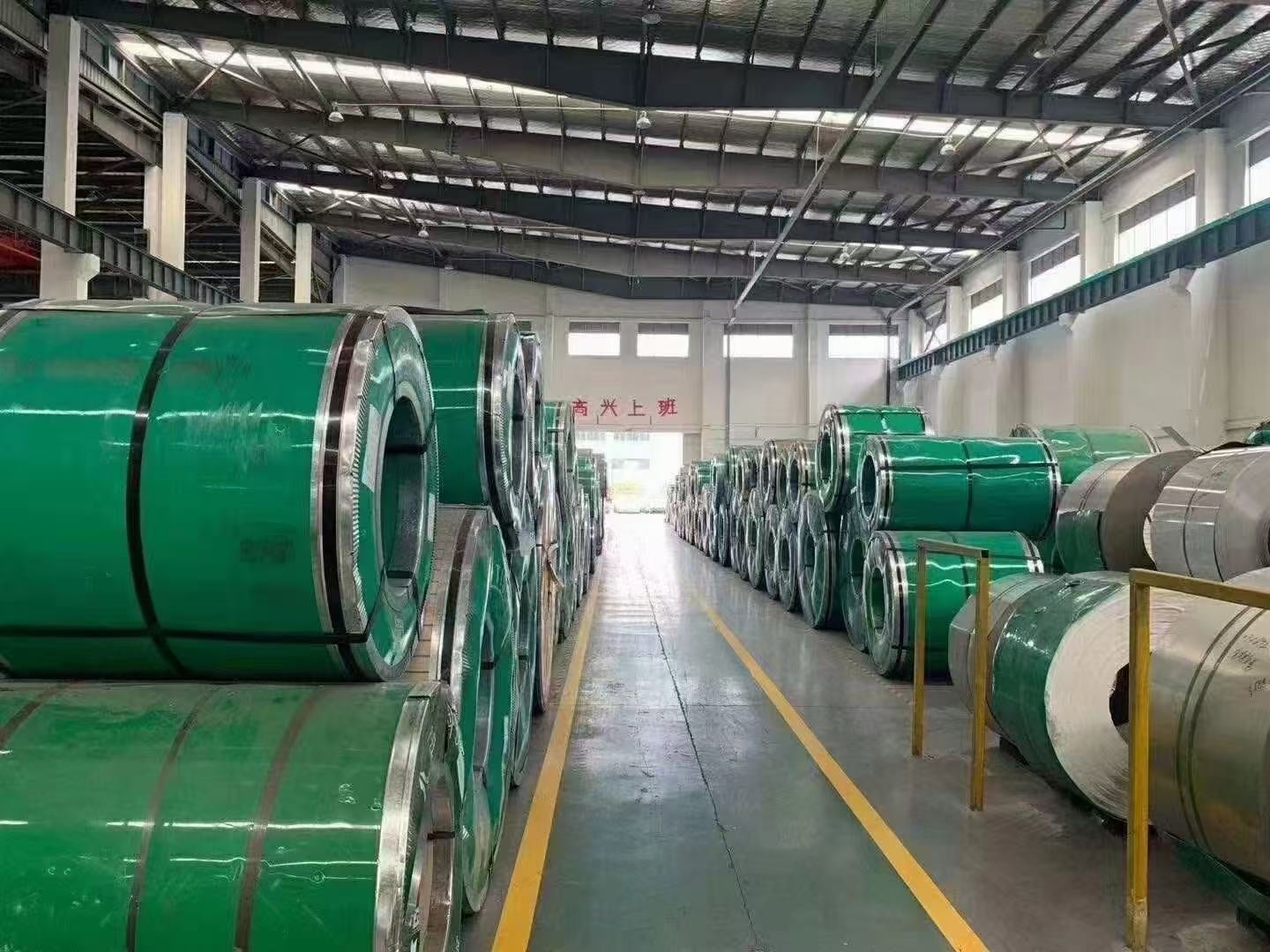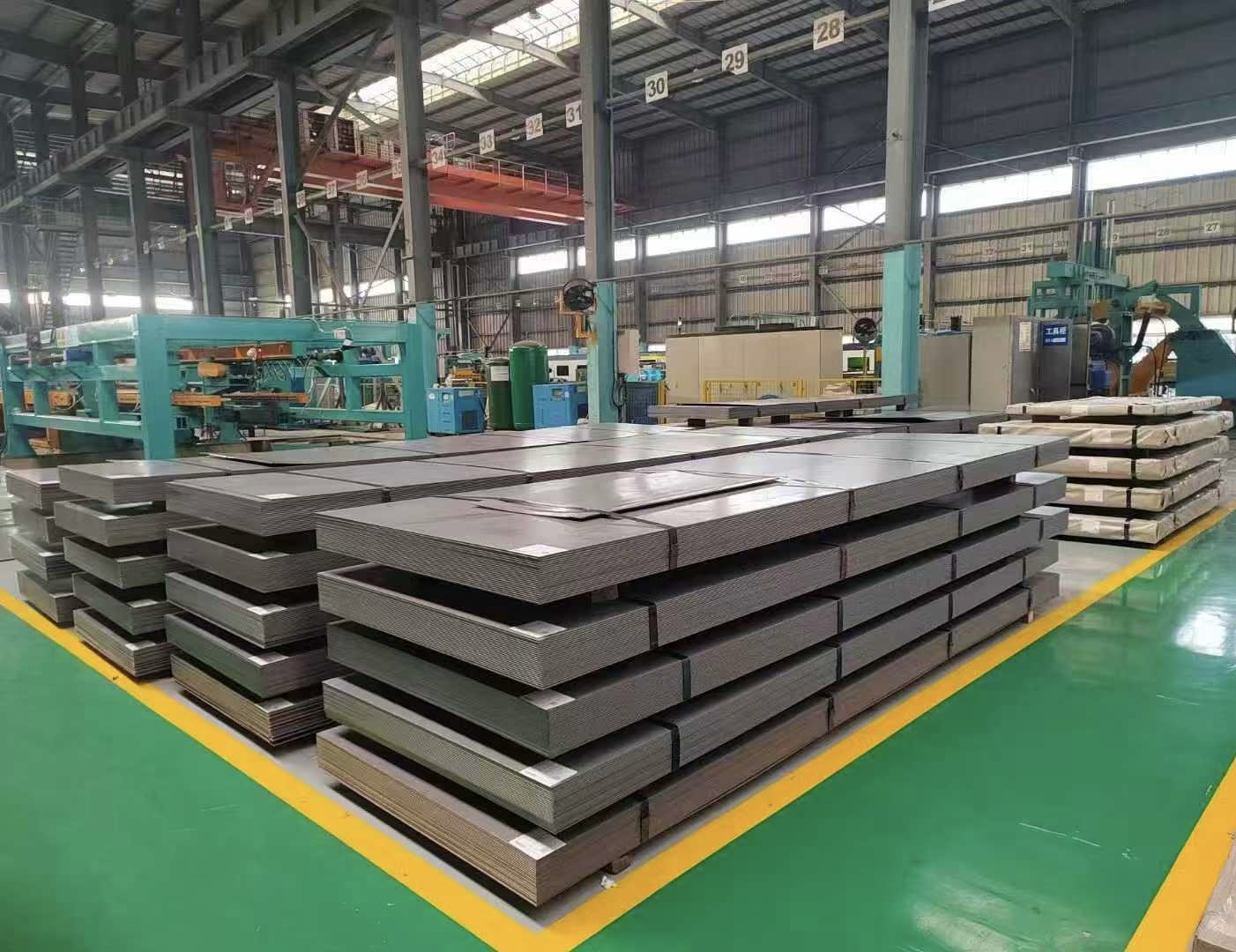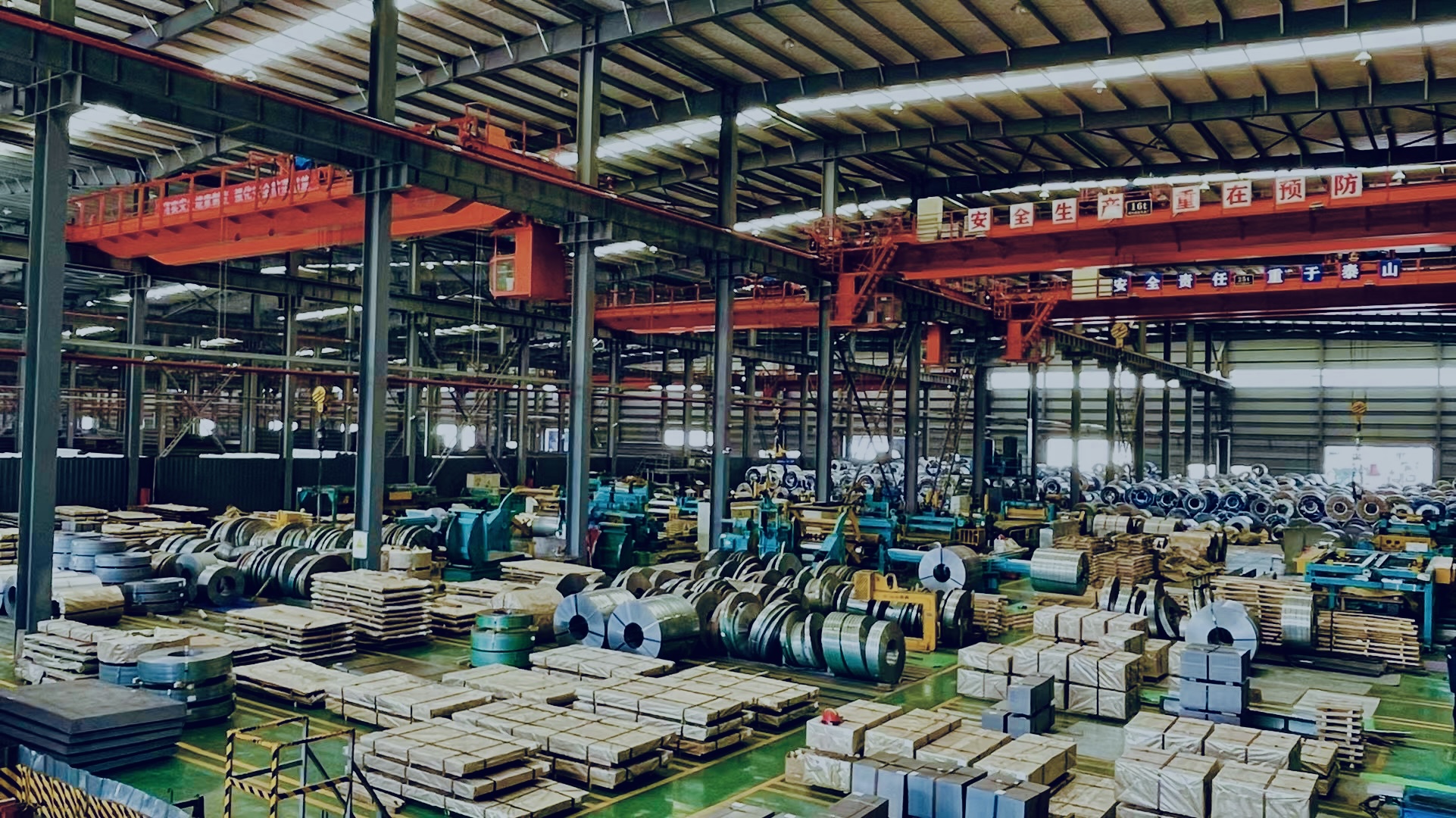
Steel plate manufacturers play an important role in construction, machinery, shipbuilding, bridges, mining, pressure equipment, transport systems, fabrication workshops, and industrial projects. Zhejiang Deqing International Steel Market supports steel plate manufacturers and international buyers with steel plate sourcing, grade matching, processing coordination, export packing, customs declaration, and delivery planning.
For many buyers, working with steel plate manufacturers is not only about finding available plate stock. Real procurement often includes confirming material grade, thickness, width, length, flatness, cutting method, surface condition, loading plan, packing protection, and delivery schedule. Our platform helps steel plate manufacturers and global buyers organize these details in a practical and export-ready way.
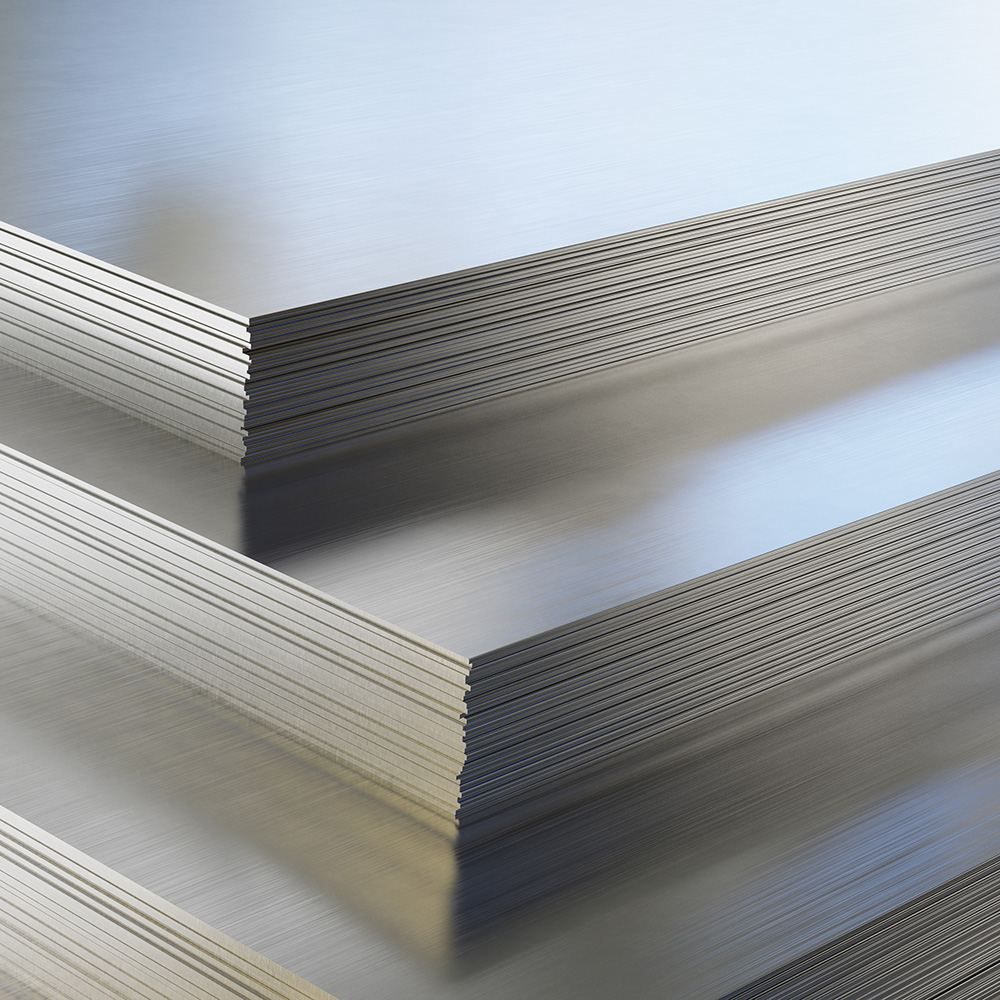
Steel plate manufacturers commonly supply carbon steel plate, alloy steel plate, stainless steel plate, structural steel plate, wear-resistant steel plate, shipbuilding plate, boiler plate, pressure vessel plate, galvanized plate, checker plate, and processed steel plate blanks. Each type has different applications, so steel plate manufacturers should match the plate with the actual working environment and fabrication process.
Carbon steel plate is widely used by steel plate manufacturers for general structures, machinery frames, base plates, brackets, building components, welded parts, and fabrication projects. It offers practical strength and cost efficiency for many industrial uses. Buyers should confirm grade, yield strength, thickness, surface condition, and whether cutting or welding will be required after delivery.
Structural steel plate is often used in bridges, construction frames, heavy equipment, platforms, supports, and large welded assemblies. Steel plate manufacturers serving structural projects should pay attention to load requirements, welding methods, thickness tolerance, flatness, and cutting accuracy. If a project requires multiple plate sizes, clear size lists and marking plans can improve workshop efficiency.
Stainless steel plate is selected when corrosion resistance, clean appearance, or hygienic performance is important. Steel plate manufacturers may supply stainless steel plate for tanks, kitchen equipment, food processing machines, chemical equipment, marine hardware, decorative panels, and industrial enclosures. Common grades include 201, 304, 316, 316L, and 430, depending on corrosion conditions, appearance needs, and budget.
Wear-resistant steel plate is used in mining, quarrying, cement, material handling, buckets, liners, chutes, crushers, and heavy-duty equipment. Steel plate manufacturers should understand whether the plate will face abrasion, impact, sliding wear, or mixed working conditions. Thickness, hardness level, bending needs, cutting method, and welding requirements should be reviewed before ordering.
Boiler plate and pressure-related steel plate are used in tanks, boilers, heat exchangers, pressure equipment, and industrial vessels. Steel plate manufacturers handling this category should focus on grade suitability, thickness, forming behavior, welding preparation, and surface condition. Buyers should provide working conditions and fabrication requirements so the steel plate can be matched more accurately.
Shipbuilding plate and marine-related steel plate are used in hull structures, decks, offshore components, docks, barges, and marine equipment. Steel plate manufacturers supporting marine projects should consider corrosion exposure, plate size, cutting plan, welding performance, and packing method. For long-distance shipment, edge protection and stable loading are important to reduce transport damage.
Checker plate, also called tread plate, is used for flooring, walkways, stairs, ramps, truck beds, platforms, and anti-slip surfaces. Steel plate manufacturers can supply checker plate in carbon steel, galvanized steel, stainless steel, or aluminum according to the application. Buyers should confirm pattern type, thickness, width, length, surface condition, and whether cutting to size is needed.
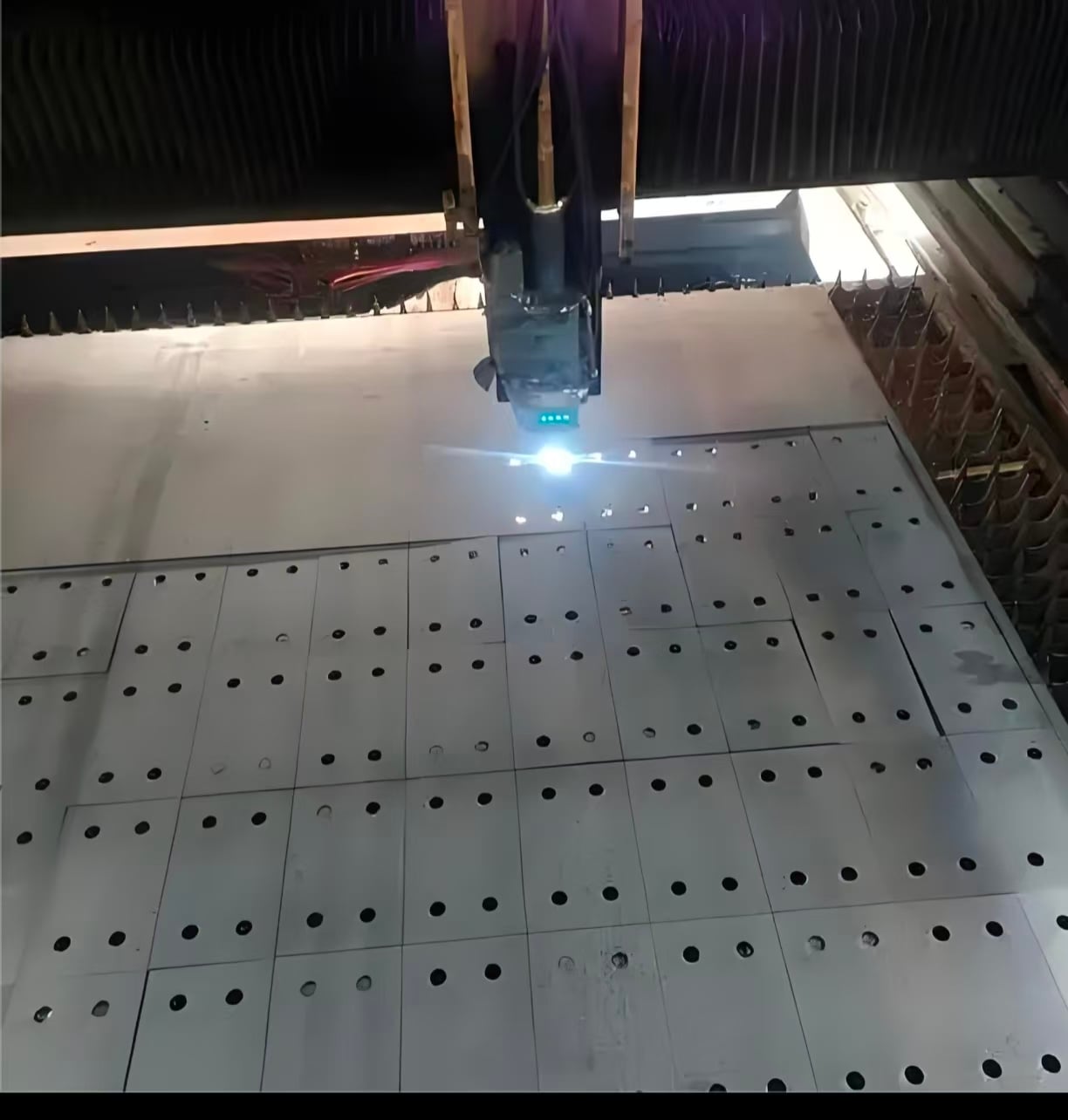
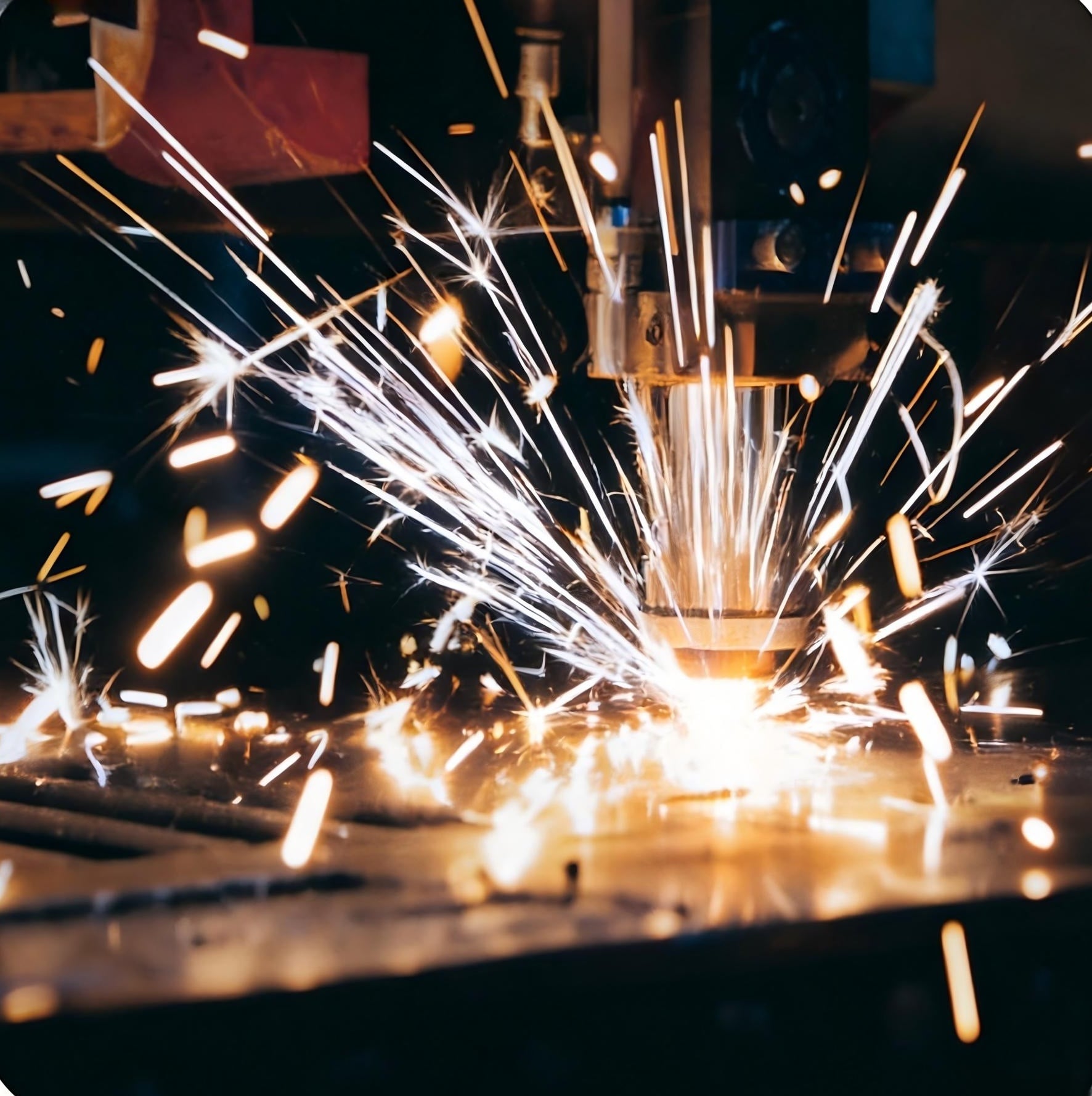
Processing support is important for steel plate manufacturers and buyers who need ready-to-use material. Depending on the order, steel plate can be cut by flame, plasma, laser, waterjet, or shearing methods. Steel plate manufacturers may also require beveling, drilling, marking, surface protection, straight cutting, shaped cutting, or size sorting before export. The correct processing method depends on thickness, tolerance, edge quality, and budget.
Thickness selection should match the final use. Thin steel plate may be used for covers, panels, enclosures, ducts, and light fabrication. Medium steel plate is common for brackets, frames, machine parts, tanks, and structural supports. Thick steel plate is used for heavy machinery, base plates, large welded parts, molds, tooling, and load-bearing structures. Steel plate manufacturers should consider both strength and processing feasibility.
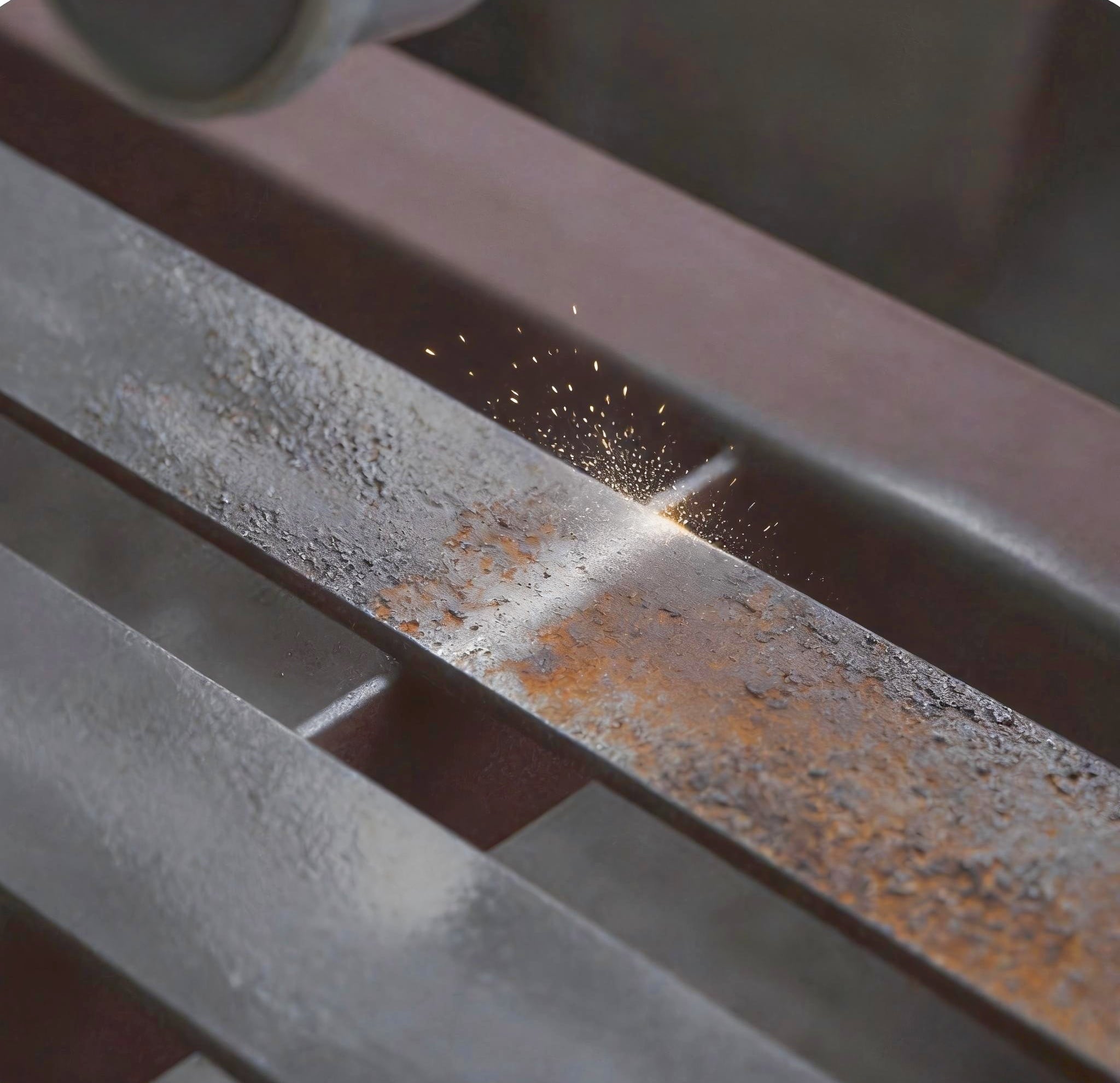
Surface condition should be discussed before shipment. Steel plate manufacturers may supply plates with mill finish, pickled surface, shot-blasted surface, painted surface, galvanized surface, polished stainless surface, or protected surface depending on the product type. If the steel plate will be painted, welded, machined, bent, or exposed outdoors, surface expectations should be clearly confirmed.
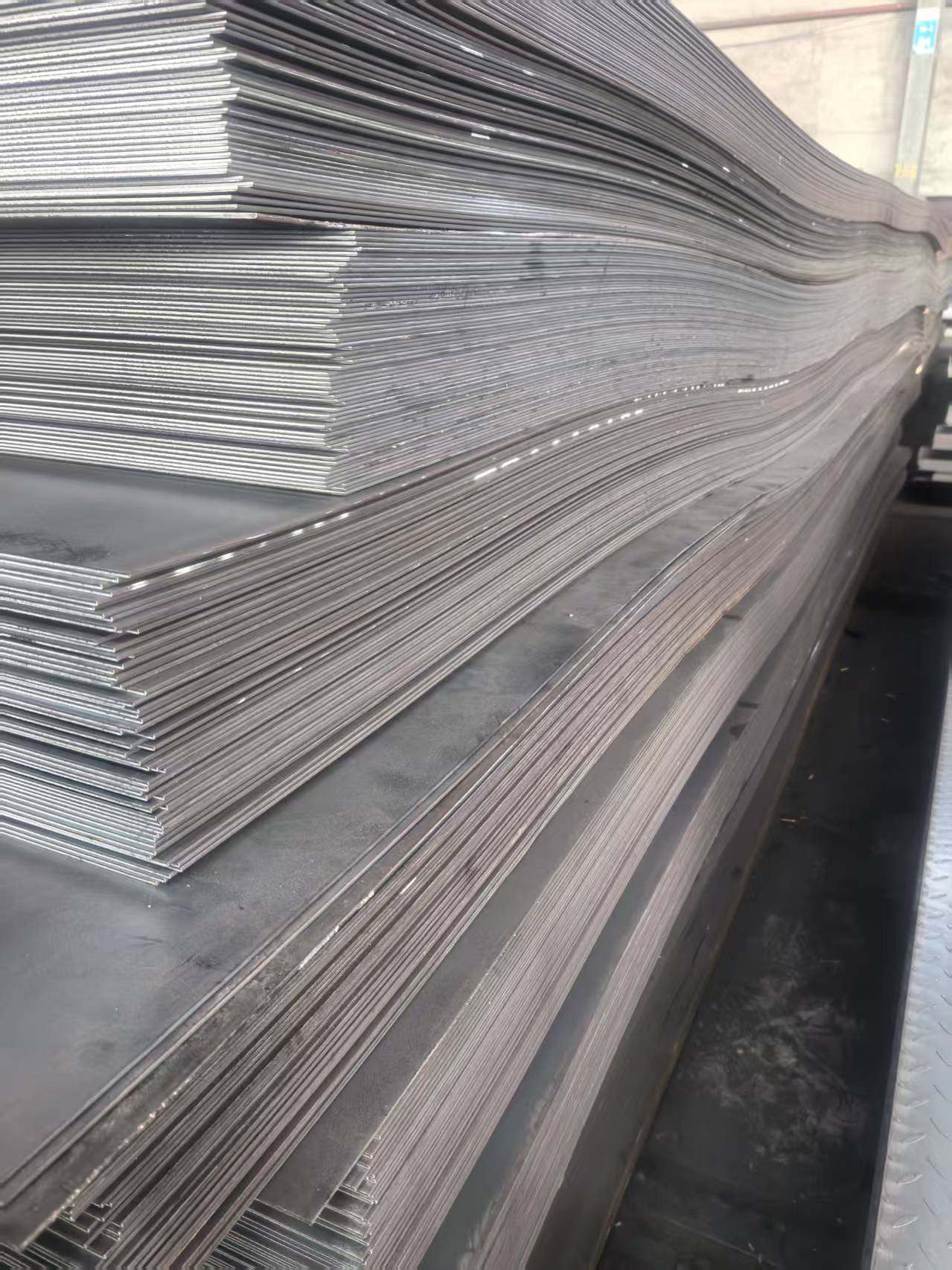
Packing is especially important for export steel plate orders. Heavy plates may require steel straps, wooden supports, waterproof wrapping, edge protection, labels, and reinforced container loading. Stainless steel plate or decorative plate may need film protection, paper separation, wooden pallets, and careful handling. Proper packing helps steel plate manufacturers reduce scratches, rust risk, edge damage, and unloading problems.
Steel plate manufacturers often need mixed procurement. A machinery project may require steel plate, steel bar, steel pipe, fasteners, fittings, and fabricated parts. A construction project may combine structural steel plate with beams, channels, angles, galvanized products, and wire products. A food equipment buyer may need stainless steel plate, stainless steel tube, fittings, and brackets. One-platform coordination can reduce communication time.
When requesting a quotation from steel plate manufacturers, buyers should provide grade, thickness, width, length, quantity, tolerance, surface condition, cutting request, packing method, destination port, and expected delivery schedule. If drawings are involved, size lists and technical notes should be shared clearly. If the exact grade is uncertain, buyers can describe the application so practical steel plate options can be discussed.
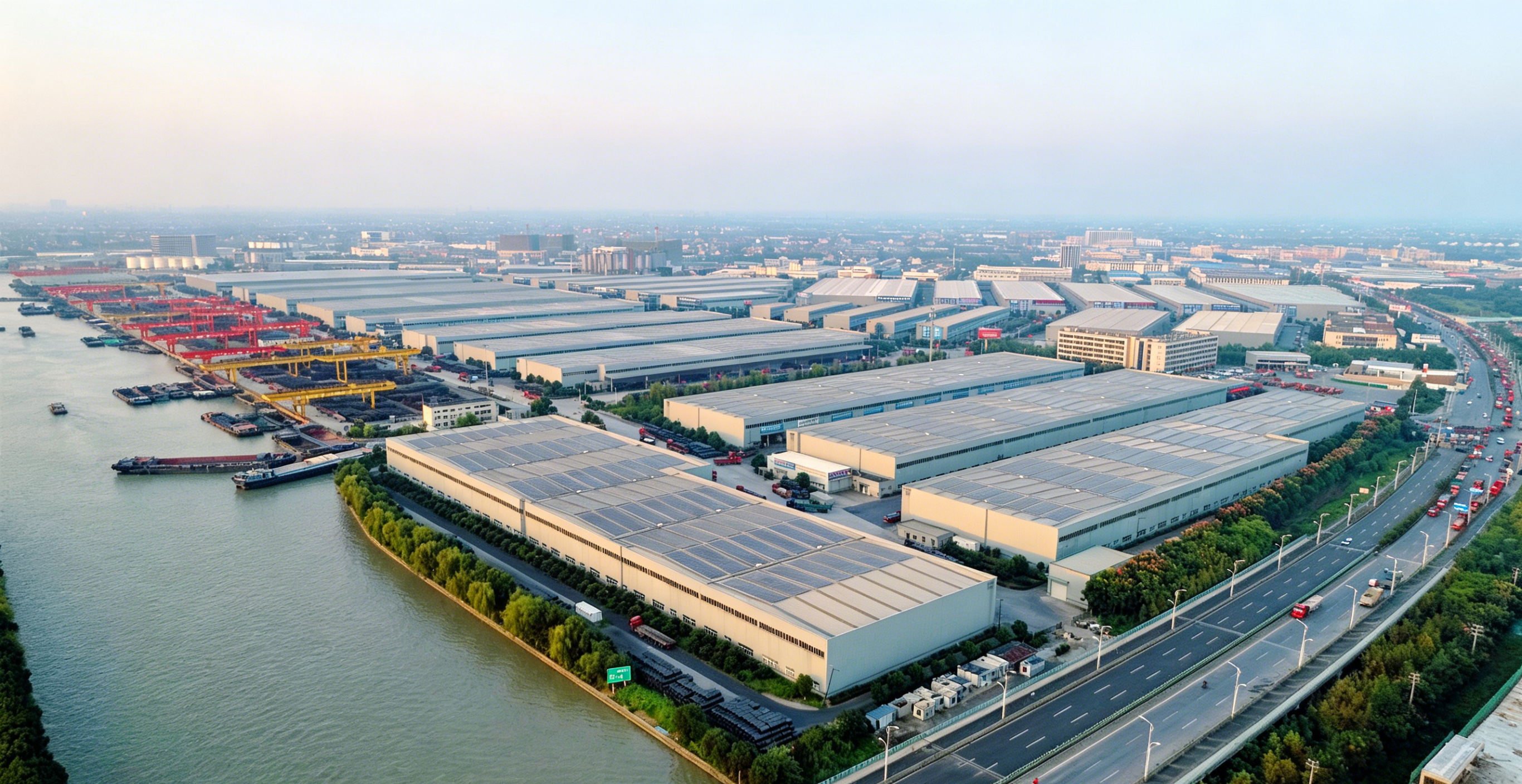
Zhejiang Deqing International Steel Market is located in Deqing, Zhejiang, within the Yangtze River Delta industrial region. With access to broad metal resources, warehouse organization, processing coordination, trucking routes, and port-connected logistics, we support steel plate manufacturers and overseas buyers in managing steel plate orders more efficiently.
A reliable procurement plan for steel plate manufacturers includes application review, grade selection, thickness confirmation, size matching, cutting coordination, surface protection, packing design, customs declaration, container loading, and delivery tracking. Zhejiang Deqing International Steel Market helps steel plate manufacturers and global buyers reduce sourcing risk and organize steel plate supply for real production and project use.
 EN
EN