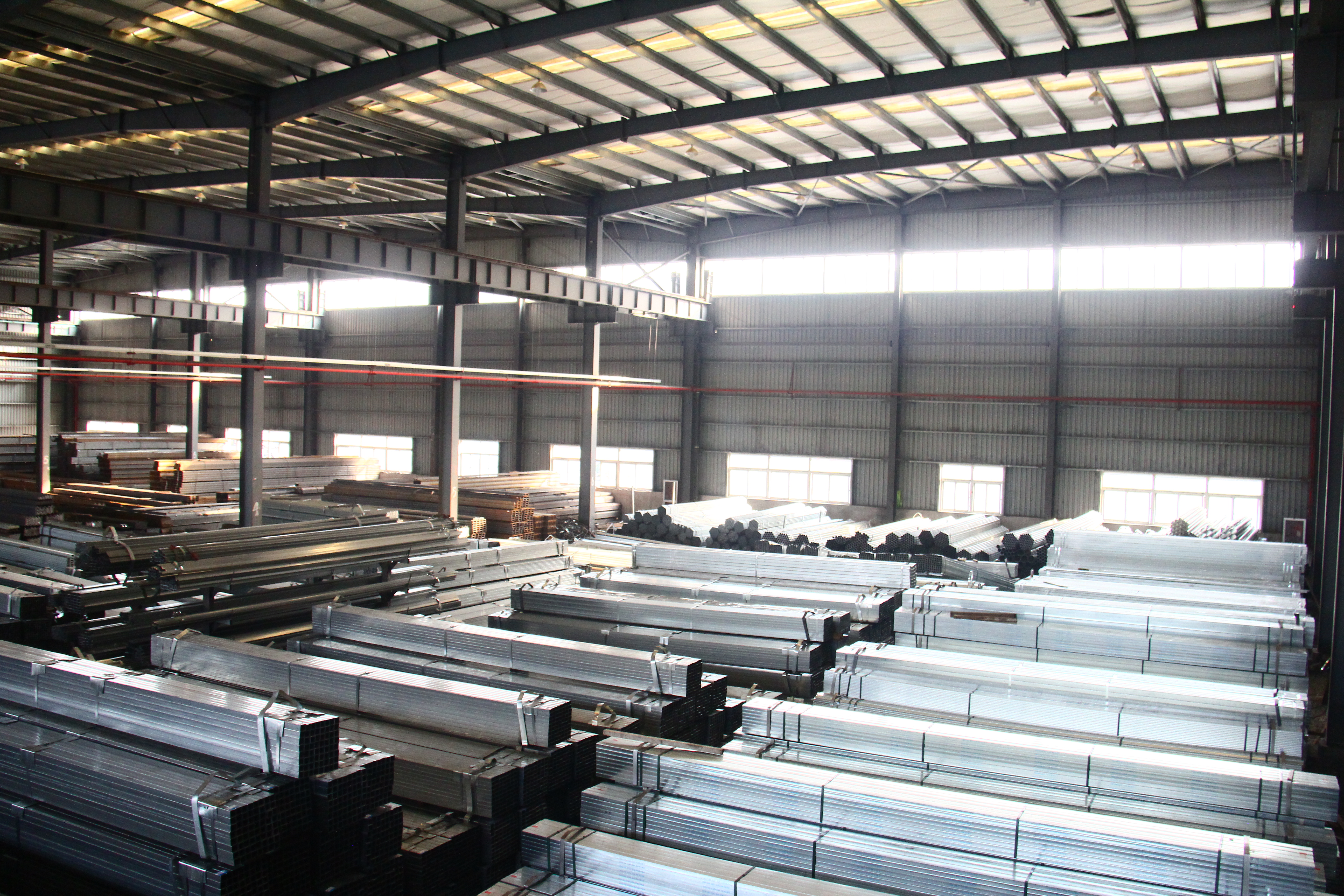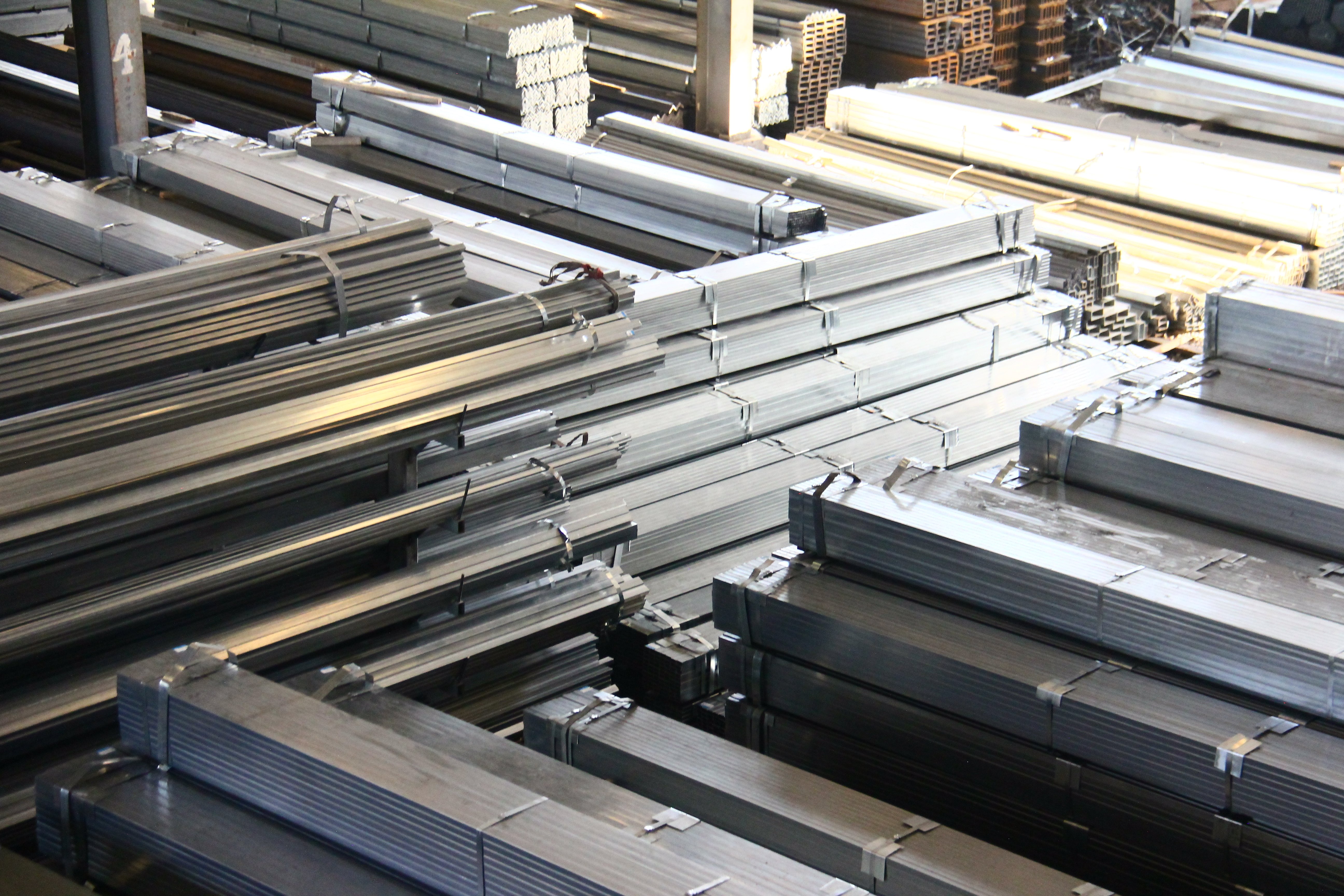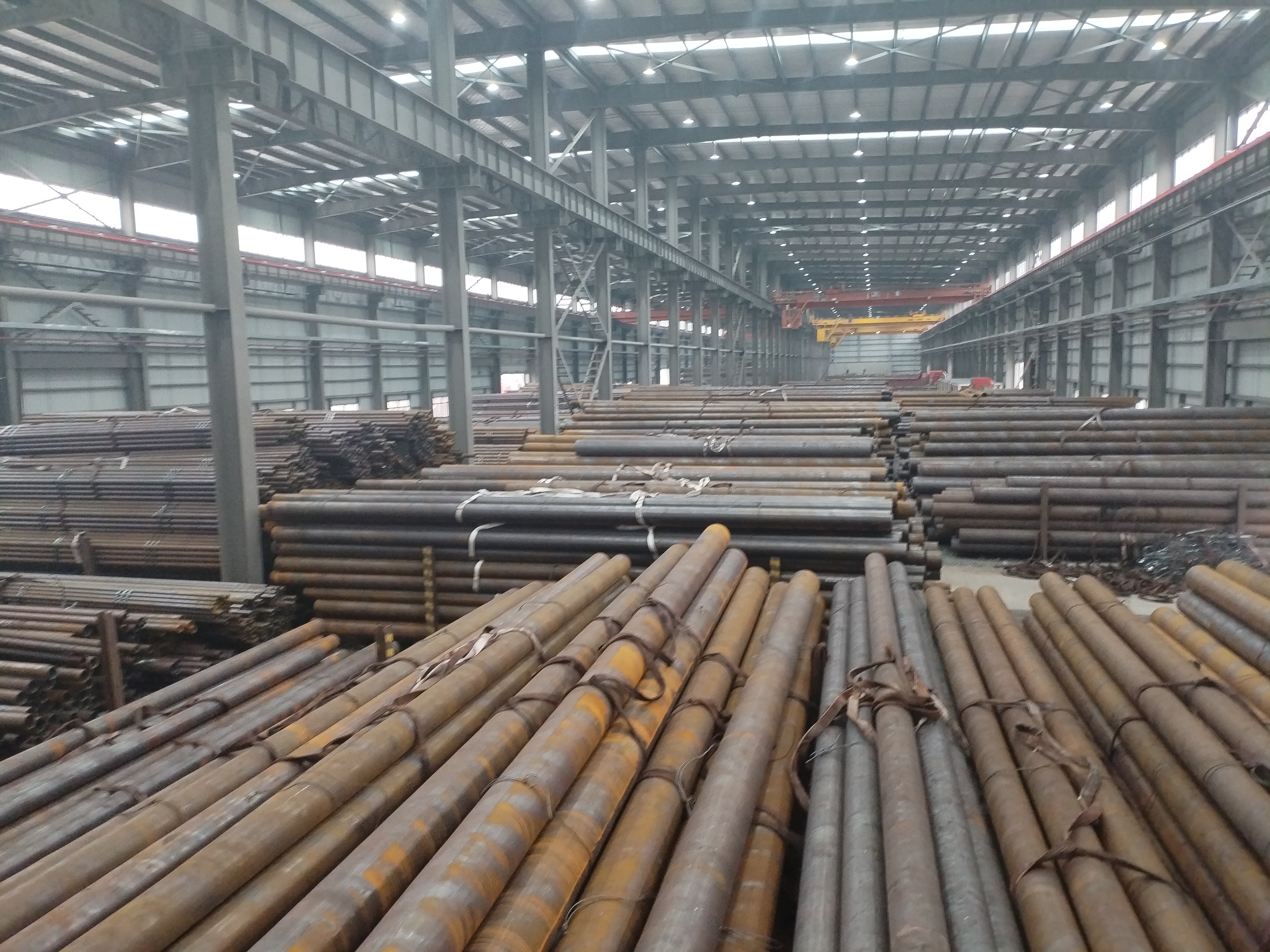
Steel tube suppliers are important for buyers who need strong, practical, and easy-to-process metal tubes for construction, machinery, furniture, handrails, racks, frames, greenhouses, solar supports, automotive parts, decoration, and industrial fabrication. Zhejiang Deqing International Steel Market supports steel tube suppliers and global buyers with sourcing, size matching, processing coordination, packing, customs declaration, and export delivery.
For many buyers, working with steel tube suppliers is not only about finding tube stock. Real procurement often includes confirming tube shape, material grade, outside diameter, wall thickness, length, tolerance, surface finish, end condition, cutting plan, packing method, and shipment schedule. Our platform helps steel tube suppliers organize these details in a practical and export-focused process.
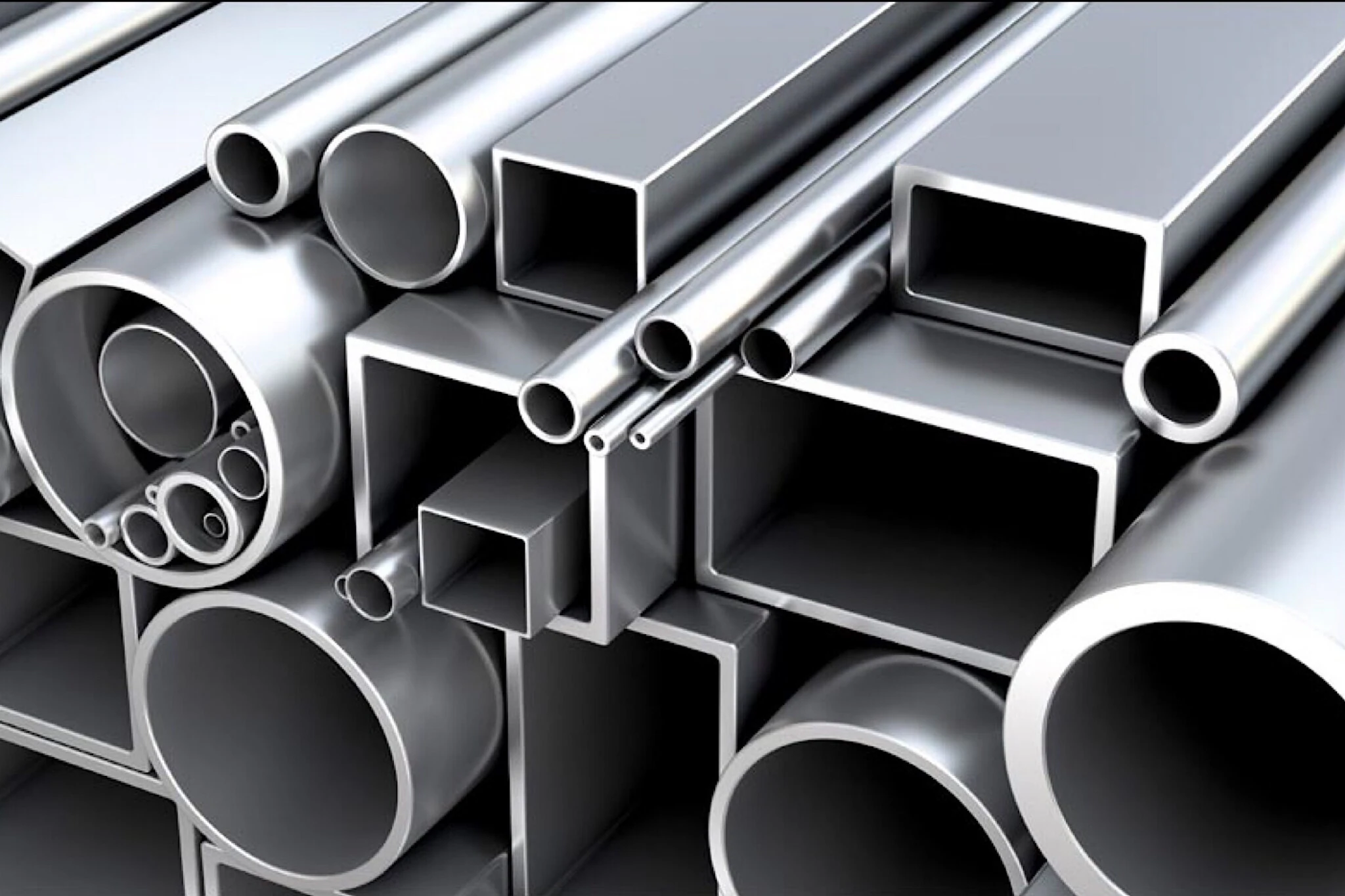
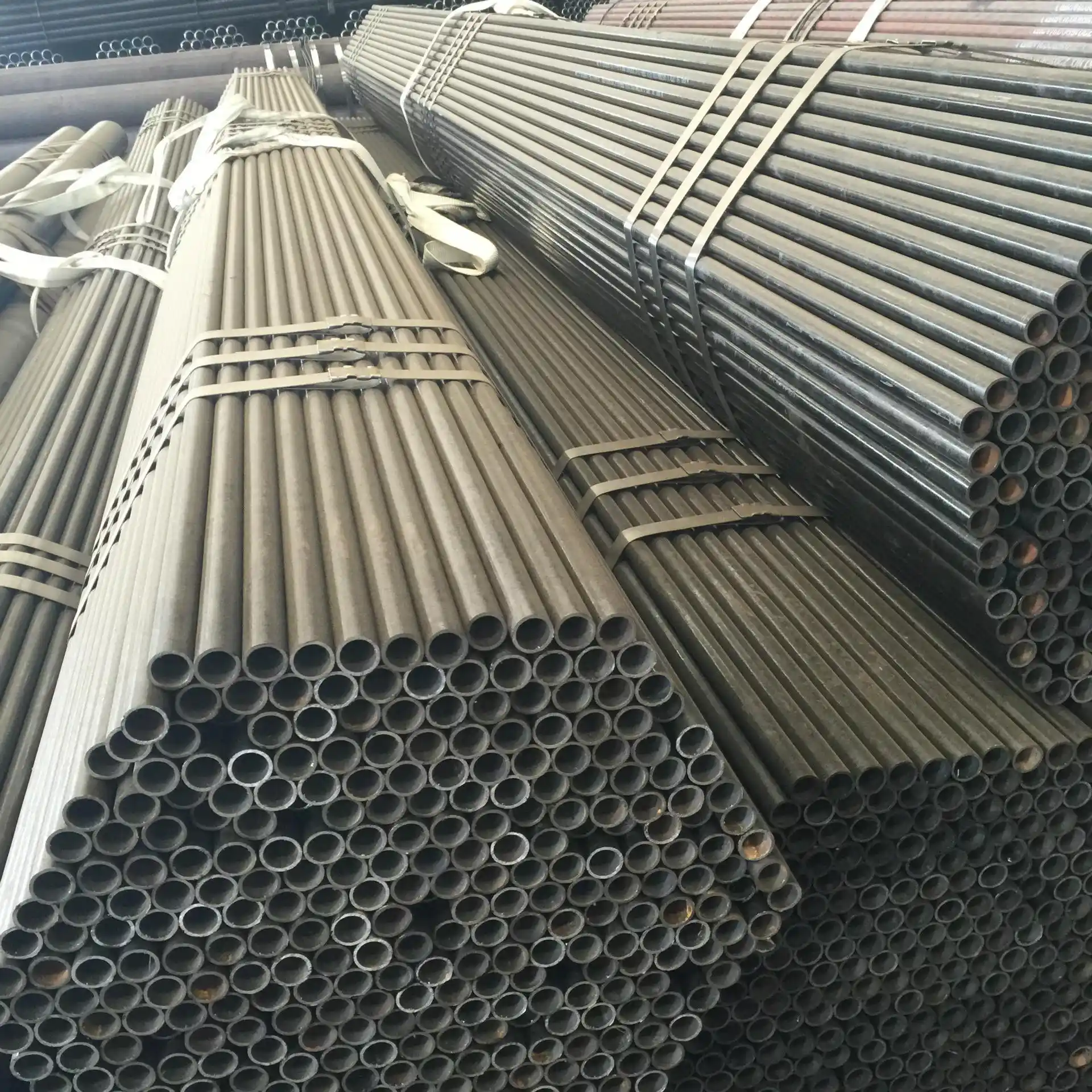
Steel tube suppliers commonly provide round steel tube, square steel tube, rectangular steel tube, galvanized steel tube, stainless steel tube, carbon steel tube, welded steel tube, seamless steel tube, precision tube, structural tube, decorative tube, and processed tube parts. Different products are used for different strength, appearance, corrosion, forming, welding, and assembly requirements.
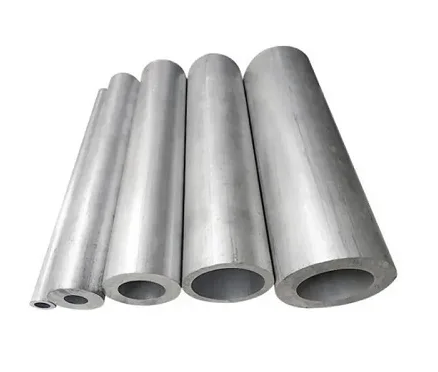
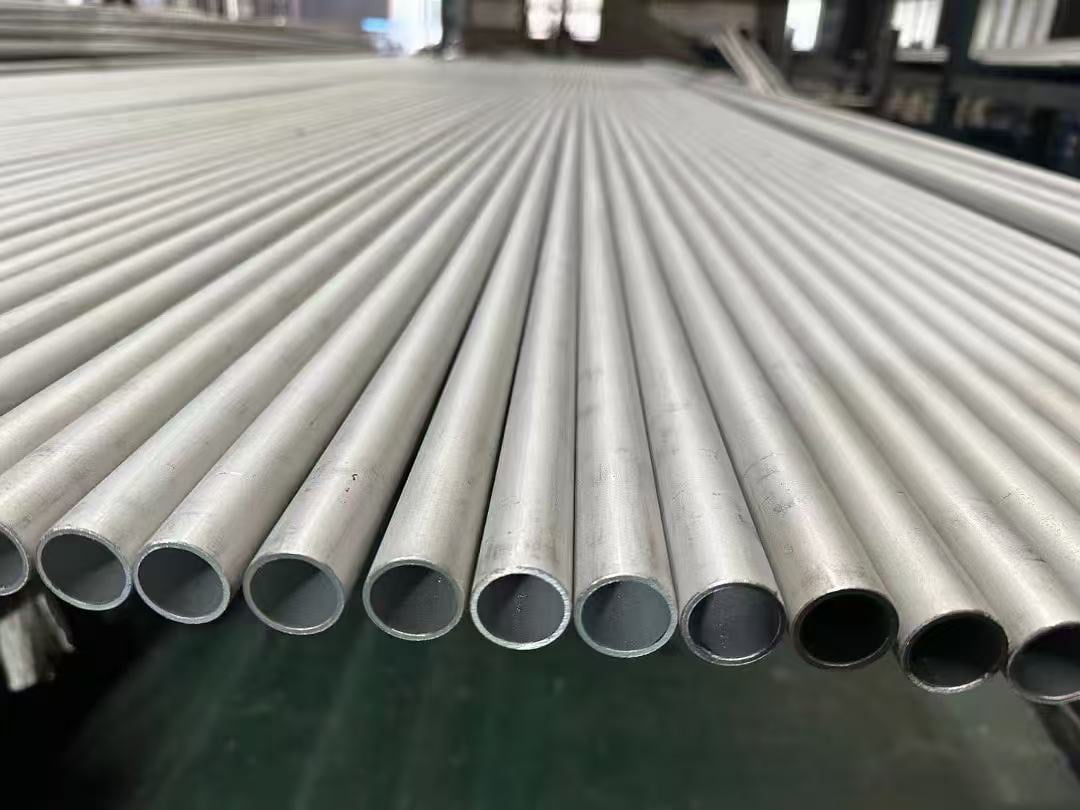
Round steel tube is widely used by steel tube suppliers for handrails, frames, fitness equipment, machinery parts, furniture, automotive components, pipelines, supports, and decorative structures. It is easy to combine with fittings, clamps, welded joints, and machined parts. Buyers should confirm outside diameter, wall thickness, material grade, length, surface condition, and end processing requirements before ordering.
Square steel tube and rectangular steel tube are popular for structural frames, racks, shelves, gates, fences, construction supports, machinery bases, solar brackets, furniture frames, and display systems. Steel tube suppliers often recommend these shapes when buyers need flat surfaces for welding, bolting, mounting, or assembly. Wall thickness and straightness should be matched with load and fabrication requirements.
Galvanized steel tube is used when steel tube suppliers need to support buyers with corrosion resistance for outdoor structures, greenhouses, fencing, scaffolding, handrails, road facilities, agriculture, and light construction. Zinc coating can help protect steel in many moisture-exposed environments. Buyers should confirm coating condition, tube size, wall thickness, length, cutting needs, and packing method.
Stainless steel tube is selected when steel tube suppliers serve buyers who require corrosion resistance, clean appearance, or decorative surfaces. Stainless steel tube is used in handrails, kitchen equipment, food machinery, medical furniture, marine hardware, decorative frames, chemical equipment, and architectural trim. Common grades include 201, 304, 316, and 316L according to environment and budget.
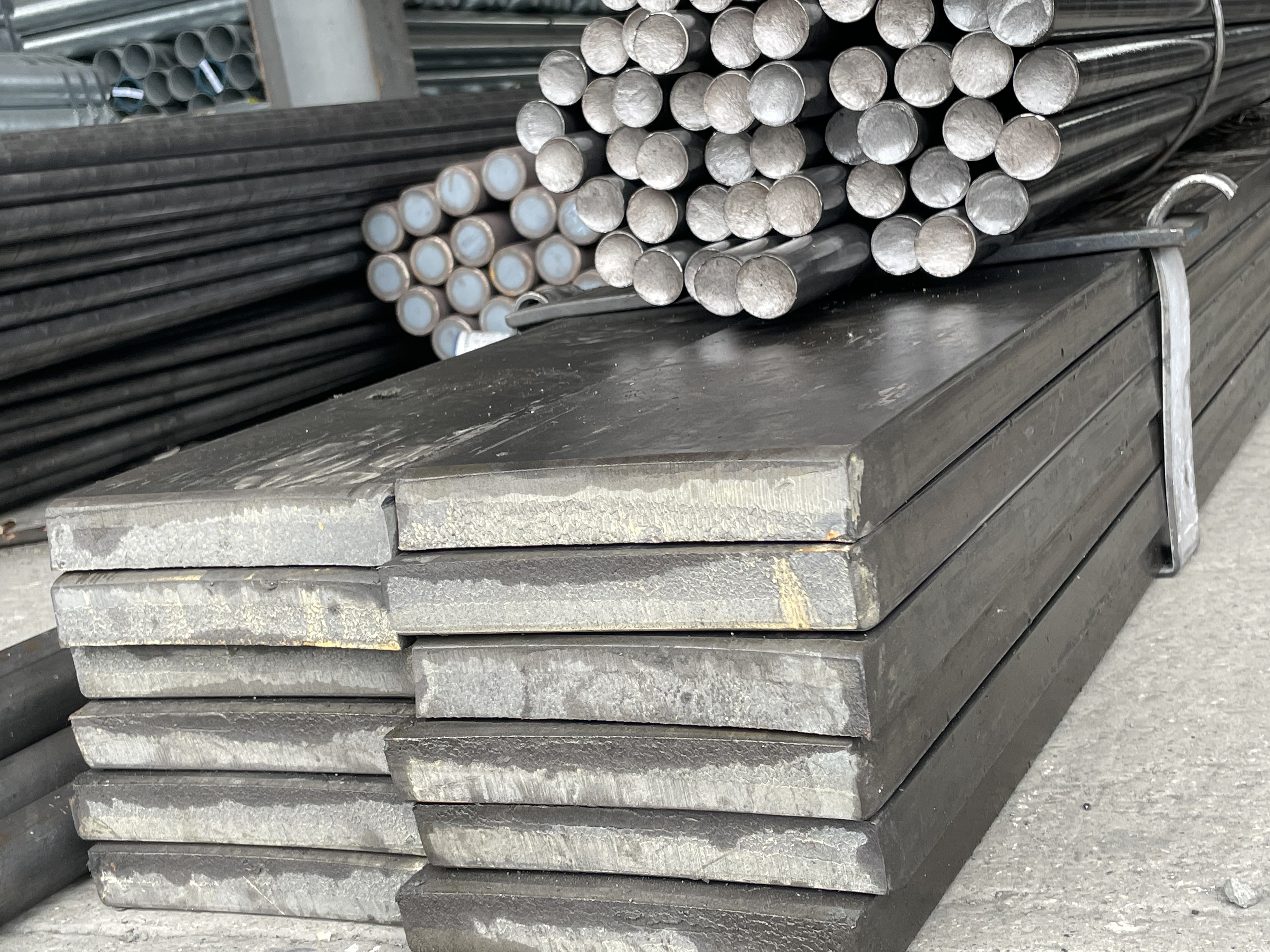
Carbon steel tube remains a practical option for machinery, construction, welded frames, brackets, equipment supports, transport racks, and general fabrication. Steel tube suppliers can provide carbon steel tube in different shapes and wall thicknesses for cost-effective production. If the tube will be welded, painted, powder coated, bent, or drilled, buyers should explain the next processing step clearly.
Seamless steel tube and welded steel tube have different advantages. Seamless tube is often used where pressure, machining, or higher structural consistency is required. Welded tube is widely used for construction, frames, furniture, general structures, and standard fabrication. Steel tube suppliers should help buyers compare cost, availability, size range, tolerance, and final application before selecting the tube type.
Precision steel tube may be required for automotive parts, machinery components, hydraulic-related parts, rollers, sleeves, bushings, and equipment assemblies. Steel tube suppliers handling precision tube orders should pay attention to outside diameter tolerance, inner diameter requirement, surface condition, straightness, wall thickness accuracy, and cutting length. Drawings or technical notes are useful for such orders.
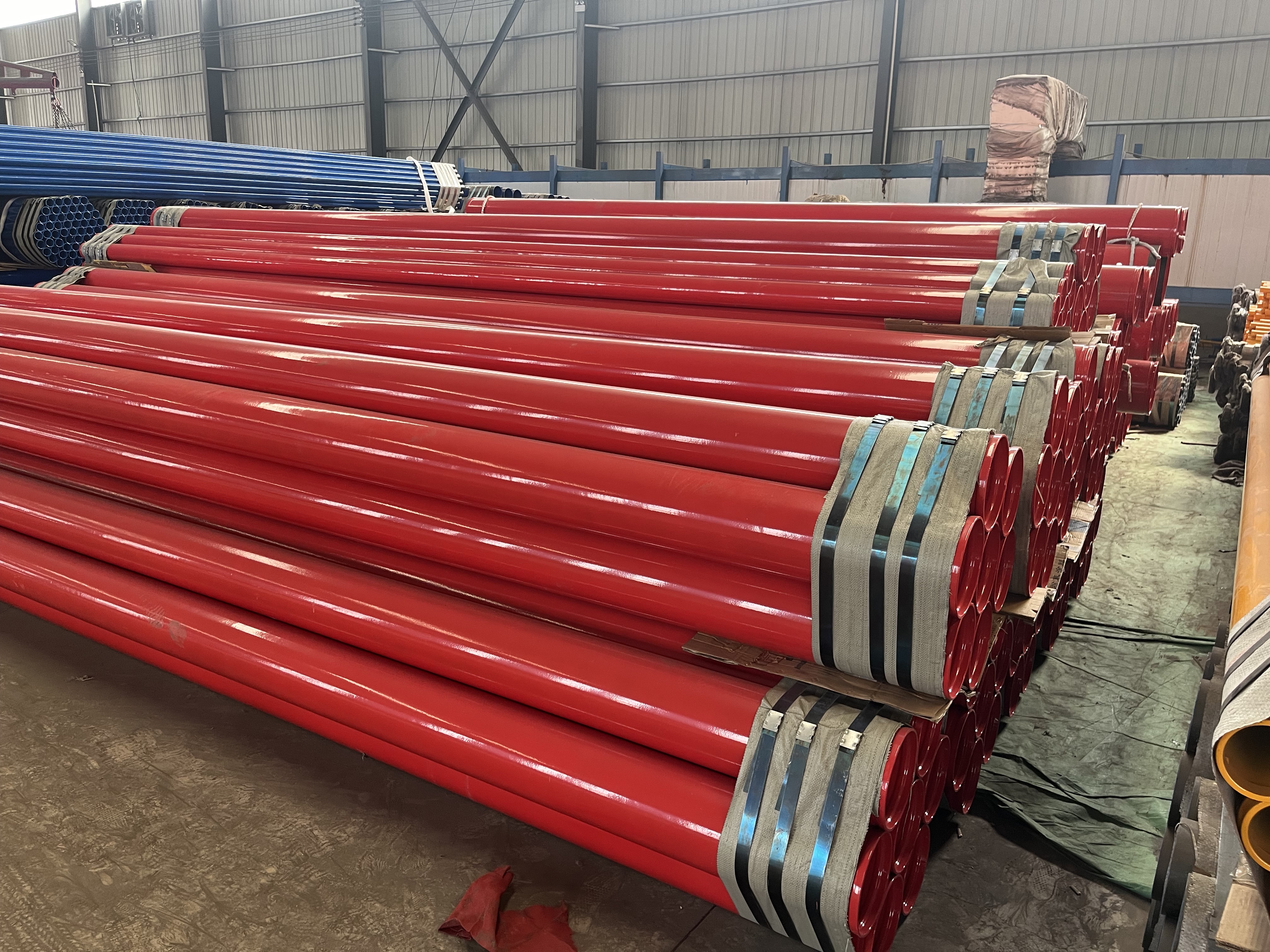
Surface finish should be confirmed before shipment. Steel tube suppliers may provide black surface, oiled surface, galvanized surface, polished stainless surface, brushed stainless surface, painted surface, or protected surface according to product type. Decorative tubes need better surface protection, while hidden industrial tubes may accept normal production surfaces. Buyers should explain whether appearance is critical.
Processing support helps steel tube suppliers deliver materials closer to final use. Tubes can be cut to length, beveled, drilled, punched, deburred, marked, bundled, wrapped, or prepared for bending and welding. For frames, racks, furniture, handrails, and equipment parts, accurate cutting lists can reduce workshop preparation time and improve assembly efficiency.
Tube end condition is another detail that affects installation. Steel tube suppliers may provide plain ends, beveled ends, threaded ends, capped ends, deburred ends, or protected ends depending on application. For welded frames, clean and accurate cut ends are important. For decorative tubes, end protection can reduce scratches and dents during transport.
Steel tube suppliers serve construction projects with scaffold tubes, structural tubes, handrail tubes, fence tubes, greenhouse tubes, support tubes, and galvanized tubes. Buyers should consider outdoor exposure, load requirements, corrosion resistance, tube spacing, connection method, and installation conditions. Practical tube selection can reduce later maintenance and improve project durability.
Machinery and equipment buyers use steel tube suppliers for machine frames, guards, handles, shafts, sleeves, rollers, support frames, base structures, and welded assemblies. These applications may require stable straightness, repeatable dimensions, suitable wall thickness, and processing compatibility. If the tube will be machined or assembled with other parts, drawings and tolerance requirements should be shared.
Furniture and display system buyers often work with steel tube suppliers for table legs, chair frames, shelves, retail racks, stands, cabinets, and decorative structures. These buyers may focus on surface finish, tube shape, welding quality, polishing, powder coating preparation, and packing protection. Stainless steel tube, carbon steel tube, and galvanized tube may all be suitable depending on appearance and use.
Packing is critical for export tube orders. Steel tube suppliers may use steel straps, plastic caps, waterproof wrapping, woven bags, wooden supports, pallets, bundle labels, edge protection, and reinforced container loading plans. Stainless or polished tubes may need additional film, paper separation, or soft protection. Proper packing helps steel tube suppliers reduce scratches, rust risk, deformation, and unloading confusion.
When requesting a quotation from steel tube suppliers, buyers should provide material grade, tube shape, outside diameter, wall thickness, length, tolerance, surface finish, quantity, processing request, packing method, destination port, and delivery schedule. If drawings or cutting lists are involved, they should be shared clearly to improve quotation accuracy and reduce production mistakes.
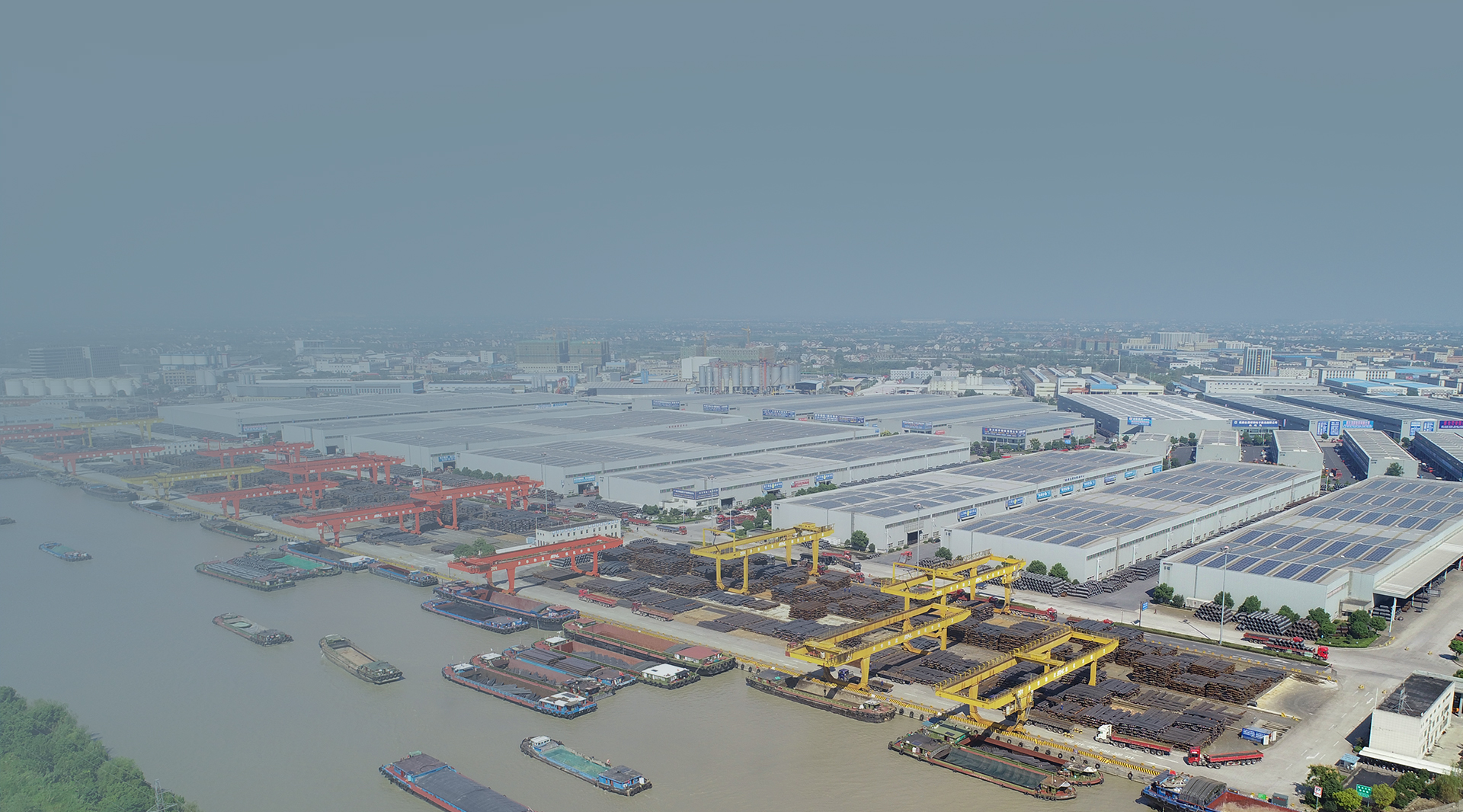
Zhejiang Deqing International Steel Market is located in Deqing, Zhejiang, within the Yangtze River Delta industrial region. With access to metal resources, warehouse organization, processing coordination, trucking routes, and port-connected logistics, we help steel tube suppliers and overseas buyers manage steel tube procurement more efficiently.
A reliable supply plan with steel tube suppliers includes application review, material selection, size confirmation, surface finish checking, processing coordination, packing design, customs declaration, container loading, and delivery tracking. Zhejiang Deqing International Steel Market helps buyers reduce sourcing risk and organize steel tube supply for real production, resale, and project installation.
 EN
EN