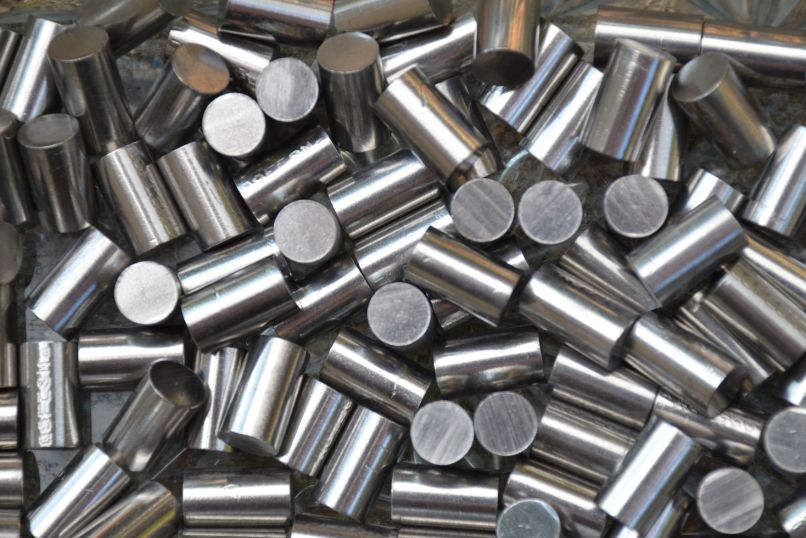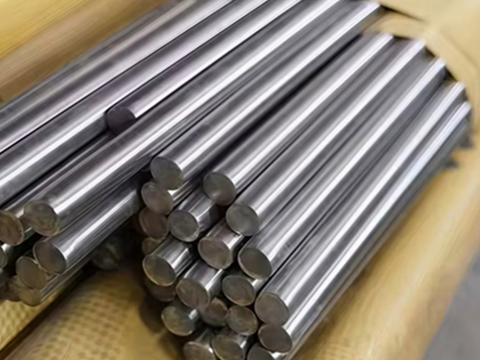
Studs are threaded fastening parts used where bolts may not be the most suitable option. They are commonly installed into tapped holes, welded onto base material, passed through flanges, or used with nuts on both sides. Zhejiang Deqing International Steel Market supports overseas buyers with studs sourcing, specification review, related hardware matching, packing, customs declaration, and export delivery.
A typical studs order may include double-end studs, full-thread studs, tap-end studs, weld studs, anchor studs, flange studs, stainless studs, carbon steel studs, alloy steel studs, nuts, washers, coupling nuts, anchors, flanges, base plates, pipe clamps, brackets, and repair kits. The correct studs selection depends on diameter, length, thread pitch, thread engagement, end design, material, finish, load condition, installation method, and working environment.
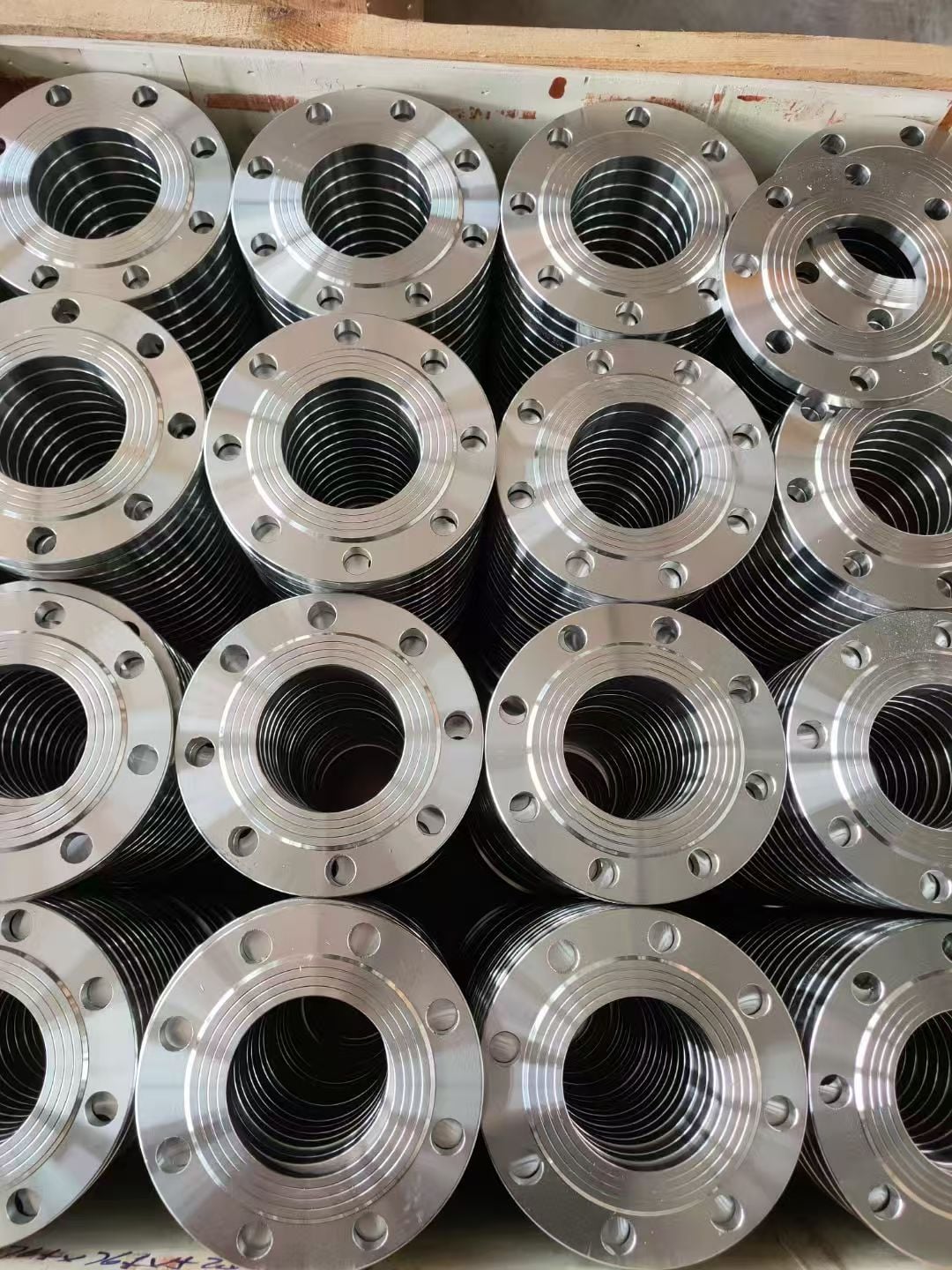
Before purchasing studs, buyers should confirm whether the application is machinery mounting, flange connection, steel frame positioning, pipe system installation, automotive repair, equipment maintenance, anchor fixing, welded assembly, or resale stock. Studs used for flanges may require matched nuts and washers on both ends, while studs used in tapped machinery holes must fit the internal thread accurately.
Thread matching is essential. Metric studs are usually described by diameter and pitch, such as M8 × 1.25, M10 × 1.5, or M16 × 2.0. Inch studs are often described by diameter and threads per inch. If studs do not match nuts, tapped holes, coupling nuts, or mating parts, the assembly may cross-thread, seize, loosen, or fail to tighten correctly.
Length selection should include total connected thickness, washer thickness, nut height, required thread engagement, and any exposed thread allowance. Double-end studs may have different thread lengths on each end. Full-thread studs offer flexible positioning, while tap-end studs are useful when one end is fixed into a tapped hole and the other end accepts a nut.
Material and finish should follow the use environment. Carbon steel studs are practical for general machinery, construction hardware, and warehouse stock. Stainless studs are useful for humid areas, exposed fittings, and clean appearance needs. Alloy steel studs may be selected for stronger mechanical assemblies. Zinc-plated studs are common for indoor hardware, while galvanized studs may be considered for selected outdoor support work.
Accessory matching improves installation efficiency. Many studs are used together with hex nuts, heavy nuts, flat washers, spring washers, coupling nuts, anchors, flanges, plates, and brackets. Ordering studs with matching accessories helps reduce missing parts, thread mismatch, and repeated purchasing steps.
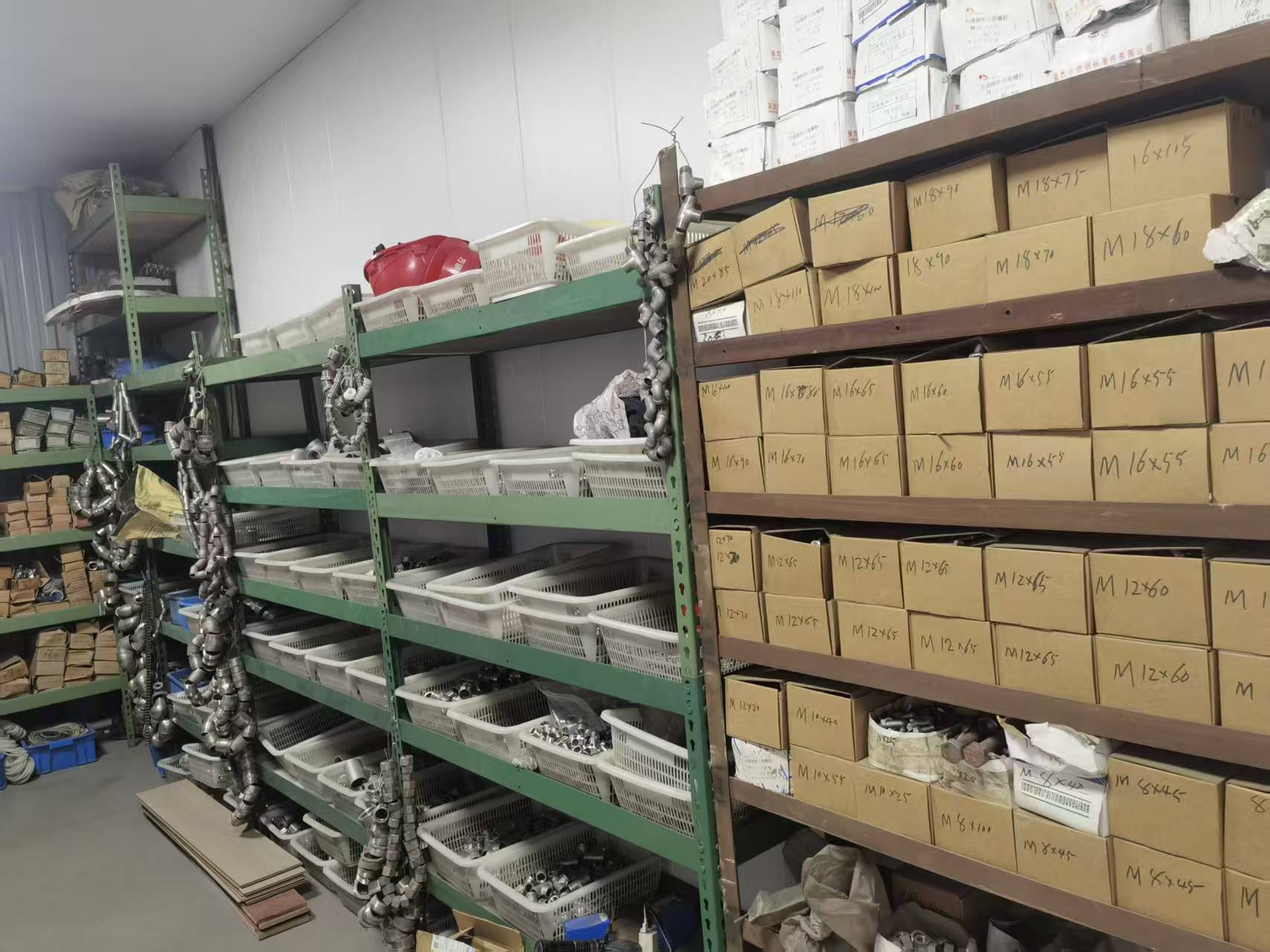
Packing is important because studs may have exposed threads on one or both ends. Suitable packing can include small bags, inner boxes, cartons, wooden cases, pallets, waterproof wrapping, end protection, item labels, and grouped loading. Clear labels help buyers identify studs quickly after arrival and reduce warehouse sorting, resale, or assembly mistakes.
When requesting studs, buyers should provide stud type, diameter, total length, thread pitch, thread length on each end, material, finish, quantity, packing preference, destination port, and delivery schedule. Drawings, photos, samples, flange details, or equipment assembly descriptions can also help confirm suitable studs for project use.
 EN
EN