Alloy 7075 is a high-strength aluminum-zinc alloy widely selected when a project requires excellent strength-to-weight performance, good machinability, and reliable performance in demanding mechanical applications. Compared with many general aluminum grades, alloy 7075 offers much higher strength, which makes alloy 7075 a common choice for precision machined parts, aerospace-related components, molds, fixtures, brackets, automation equipment, and high-load structures.
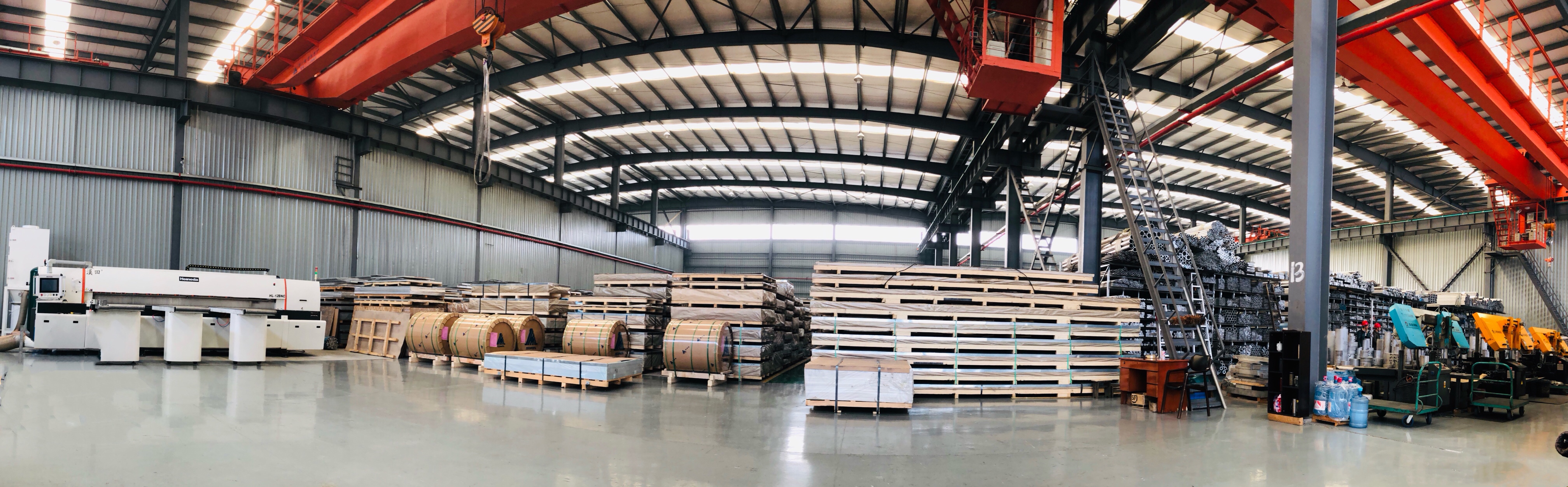
Zhejiang Deqing International Steel Market provides integrated sourcing support for alloy 7075 and related metal products. Our platform connects global buyers with verified vendors, warehouse resources, processing services, export packing, customs declaration, and logistics delivery. Buyers can source alloy 7075 together with aluminum sheet, aluminum plate, aluminum coil, aluminum extrusion, stainless steel, carbon steel, fittings, fasteners, and custom processed components through one coordinated procurement channel.
Alloy 7075 is often used where ordinary aluminum cannot provide enough strength. Typical alloy 7075 applications include aircraft-related parts, precision CNC components, high-strength plates, tooling blocks, molds, mechanical arms, jigs, fixtures, gears, shafts, connectors, bicycle parts, sports equipment, and transport components. Actual use should always be confirmed according to design standards, load conditions, temper, tolerance, and inspection requirements.
The main advantage of alloy 7075 is strength. In suitable tempers, alloy 7075 can provide high tensile strength and hardness while keeping the weight lower than many steel materials. This makes alloy 7075 useful for parts that must be strong but not excessively heavy. However, alloy 7075 is not the best choice for every application. If a project requires excellent corrosion resistance, heavy welding, or complex forming, another aluminum grade may be more suitable.
Temper selection is one of the most important points when buying alloy 7075. Common tempers such as T6, T651, T73, or other available conditions may provide different strength, stress relief, corrosion behavior, and dimensional stability. Alloy 7075 T651 plate is often selected for machining stock because it may offer improved stress-relieved performance compared with non-stress-relieved material. Buyers should confirm the exact alloy 7075 temper before quotation.
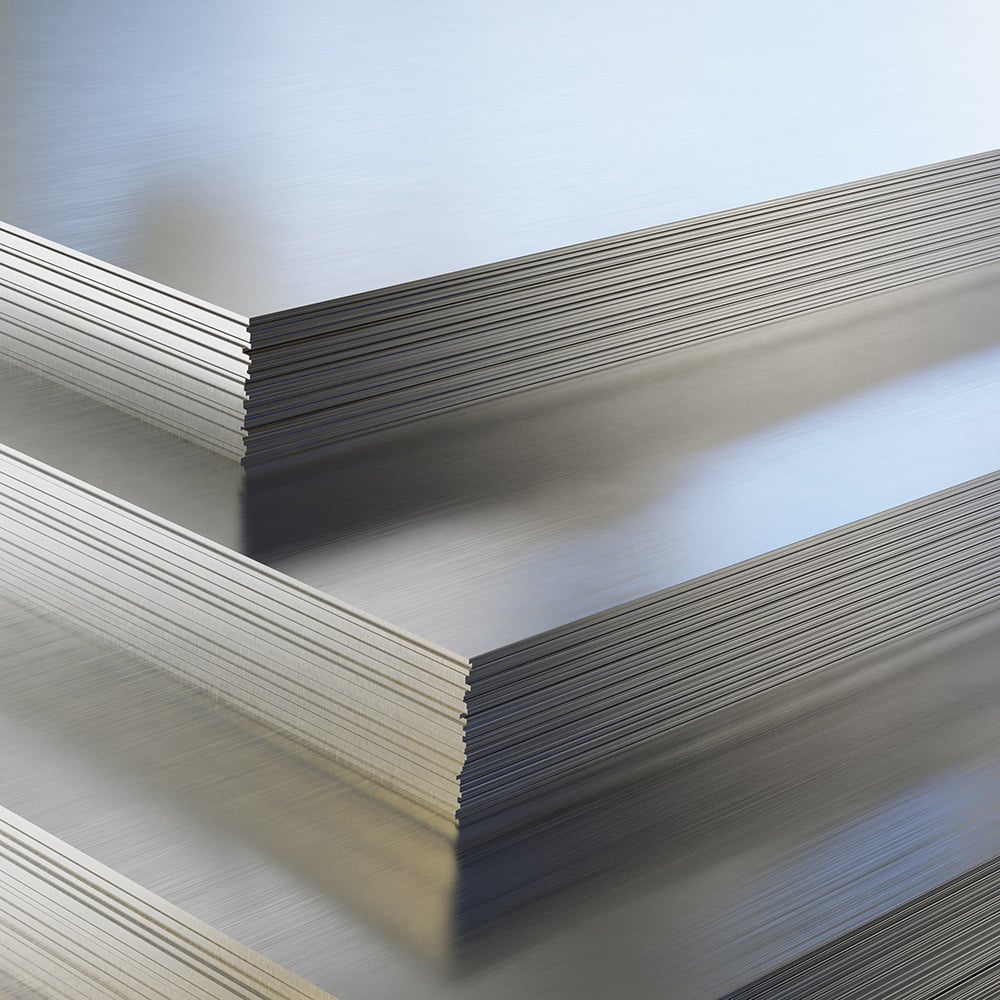
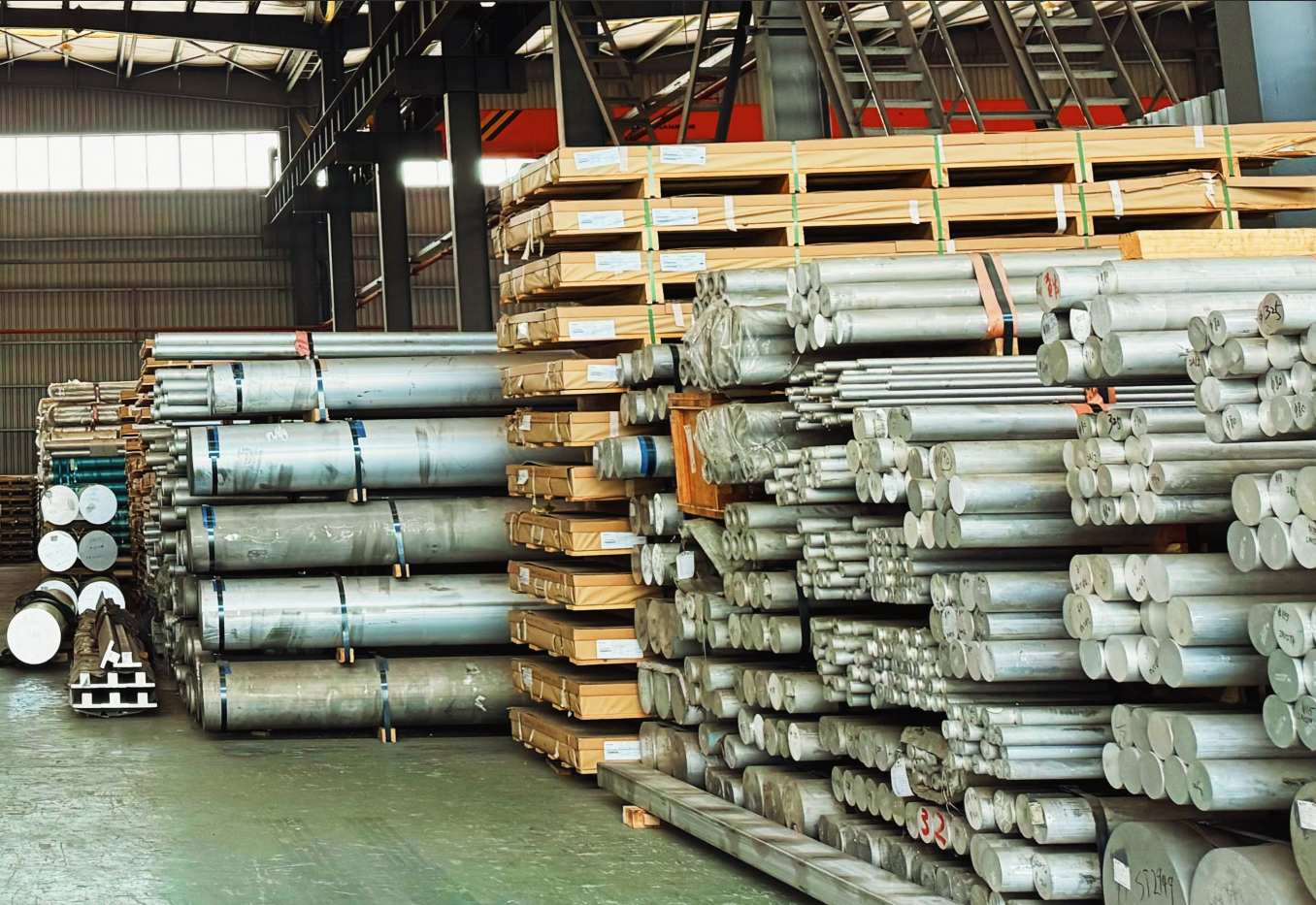
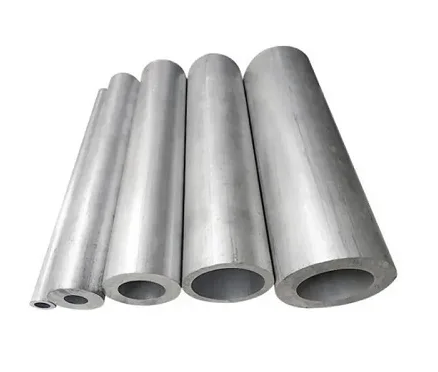
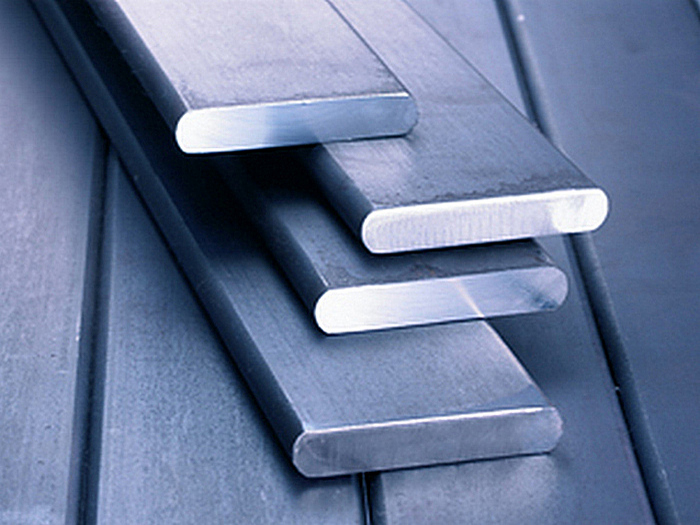
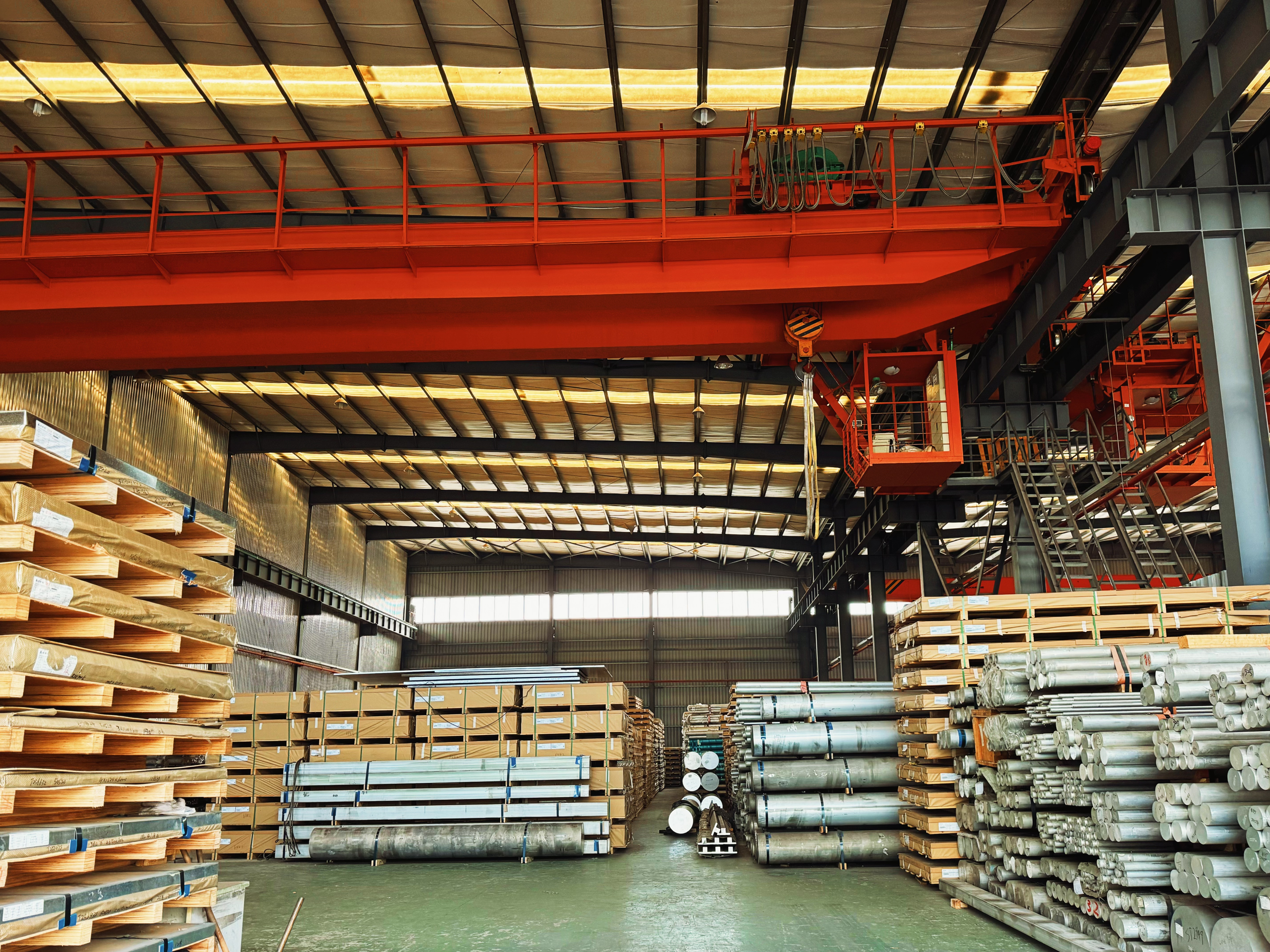
Different product forms of alloy 7075 support different manufacturing needs. Alloy 7075 plate is widely used for tooling plates, molds, fixtures, machine components, and structural parts. Alloy 7075 bar and alloy 7075 rod are suitable for turning, milling, pins, shafts, connectors, and high-strength CNC components. Alloy 7075 block is used for precision machining, mold bases, jigs, and custom parts. Alloy 7075 sheet may be used where thinner high-strength material is required.
Machinability is another reason buyers choose alloy 7075. With proper cutting tools, cooling, and machining parameters, alloy 7075 can be processed into accurate components with good surface results. For CNC projects, buyers should confirm alloy 7075 thickness, flatness, straightness, machining allowance, internal stress concerns, and surface protection. For thick alloy 7075 plate or block, stress-relieved material may help reduce deformation during machining.
Alloy 7075 also has limitations. It generally has lower corrosion resistance than some 5xxx or 6xxx aluminum grades, so alloy 7075 may require anodizing, painting, coating, plating, sealing, or controlled service conditions depending on the application. Alloy 7075 is also not usually selected for welded structures because welding may reduce local mechanical properties and create fabrication challenges. These issues should be reviewed before order confirmation.
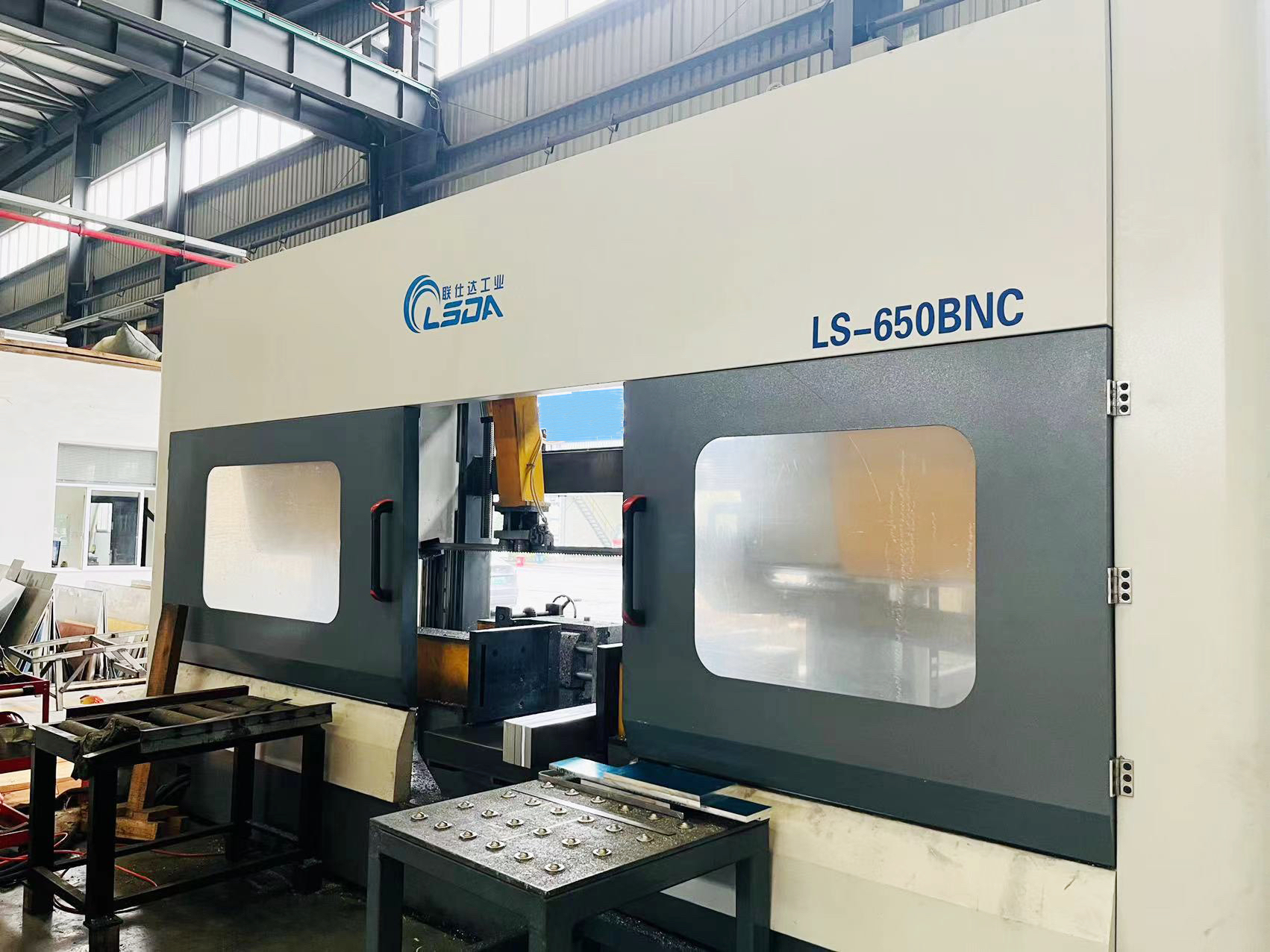
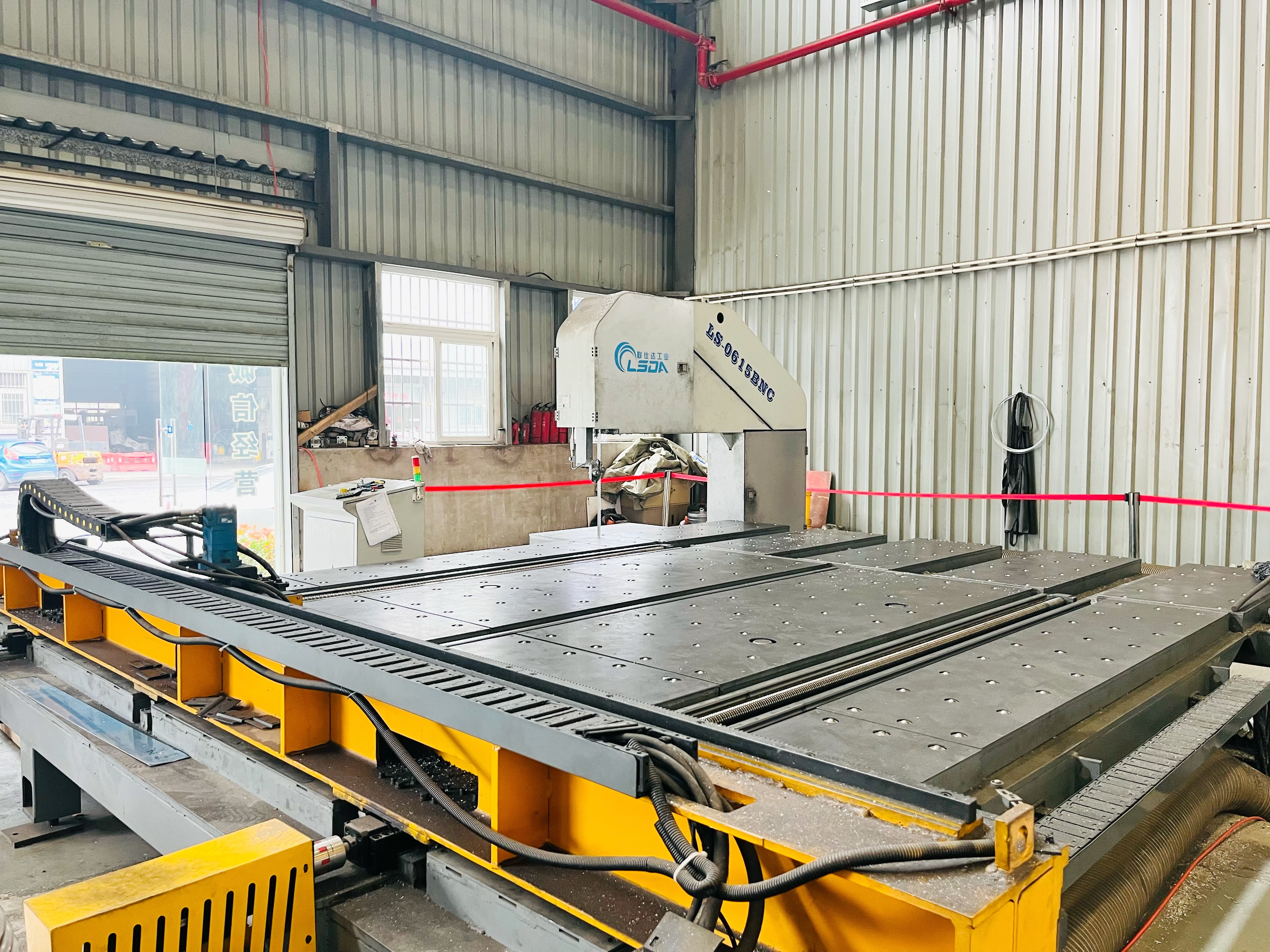
Processing support can make alloy 7075 easier for buyers to use. Depending on the order, alloy 7075 can be saw-cut into blanks, cut to length, sheared, milled, drilled, marked, surface protected, separated by size, labeled by batch, and packed for export. For precision alloy 7075 orders, tolerance, flatness, parallelism, surface condition, cutting method, and machining allowance should be clearly confirmed.
For example, a CNC machining factory may need alloy 7075 bar for high-strength turned parts. A mold manufacturer may require alloy 7075 plate or block cut into machining blanks. An automation equipment builder may use alloy 7075 for lightweight high-load brackets and fixtures. A distributor may purchase alloy 7075 together with aluminum extrusion, stainless steel fasteners, and carbon steel components for mixed metal supply.
When sourcing alloy 7075, buyers should provide clear specifications. Important details include standard, temper, product form, thickness, width, length, diameter, tolerance, surface finish, straightness, flatness, quantity, cutting list, certificate requirement, packing method, and destination port. If alloy 7075 will be used in aerospace-related, precision, or safety-sensitive applications, technical standards and documentation requirements should be confirmed before purchasing.
Mill test certificates can usually be supported for alloy 7075 orders when required and available for the selected batch. Certificate information may include alloy grade, temper, heat or batch number, chemical composition, mechanical properties, dimensions, production standard, and inspection results. Buyers should request certificate requirements before order confirmation, especially when alloy 7075 is used for regulated projects, export compliance, or precision machining.
Surface condition should also be considered. Alloy 7075 used for machining stock may only require clean mill finish and proper protection, while alloy 7075 used for visible components may require tighter surface control. If anodizing, painting, hard coating, or other surface treatment is planned, buyers should confirm suitability, finish expectations, and surface defects before shipment. Protective packing helps reduce scratches and handling marks.
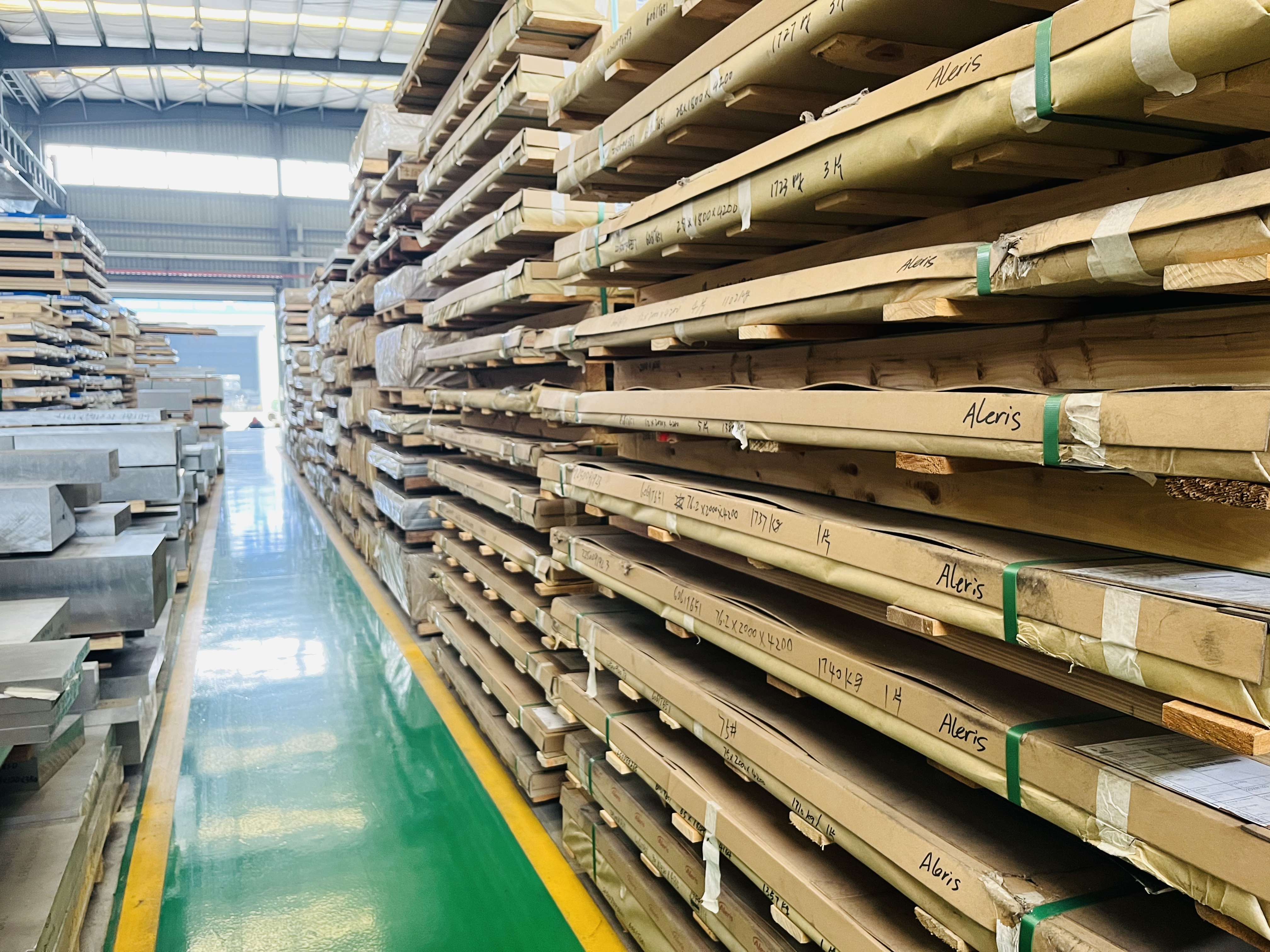
Export packing is important because alloy 7075 plate, bar, block, and cut blanks may have sensitive edges, machined surfaces, or high unit value. Packing may include wooden pallets, wooden cases, waterproof wrapping, paper separation, edge protectors, bundle labels, plastic film, and reinforced loading plans. Proper packing helps protect alloy 7075 from scratches, moisture stains, dents, bending, and loading damage during long-distance transportation.
Located in Deqing, Zhejiang, in the Yangtze River Delta, Zhejiang Deqing International Steel Market benefits from strong metal supply resources and logistics connectivity. With verified vendors, broad product categories, warehouse capacity, processing coordination, and multimodal transport routes connected with major Chinese ports, we help overseas buyers manage alloy 7075 procurement more efficiently.
A reliable alloy 7075 supply plan is not only about finding high-strength aluminum. It includes grade confirmation, temper matching, stock review, cutting planning, machining allowance, certificate communication, surface protection, export packing, customs documents, and delivery coordination. Zhejiang Deqing International Steel Market helps manufacturers, distributors, machining workshops, contractors, and project buyers source alloy 7075 with lower procurement risk and stronger supply chain support.
 EN
EN