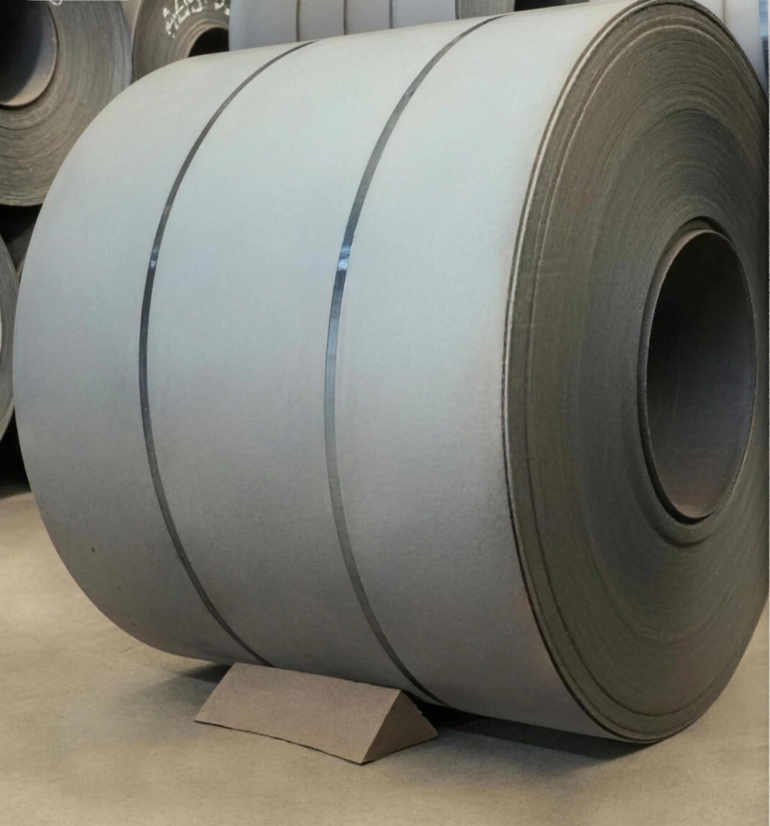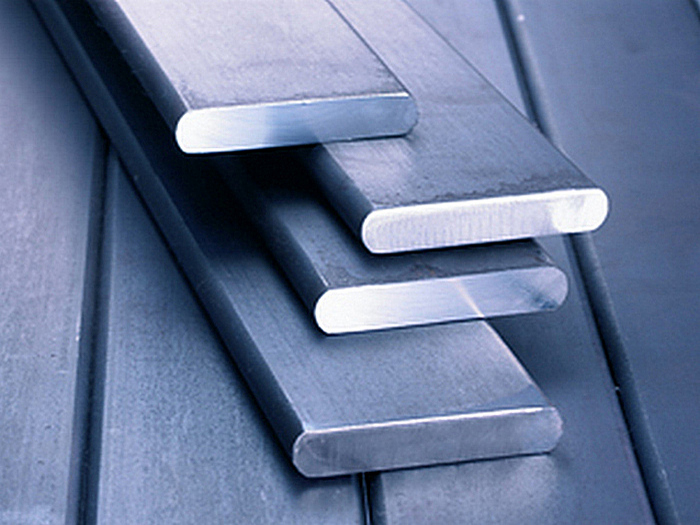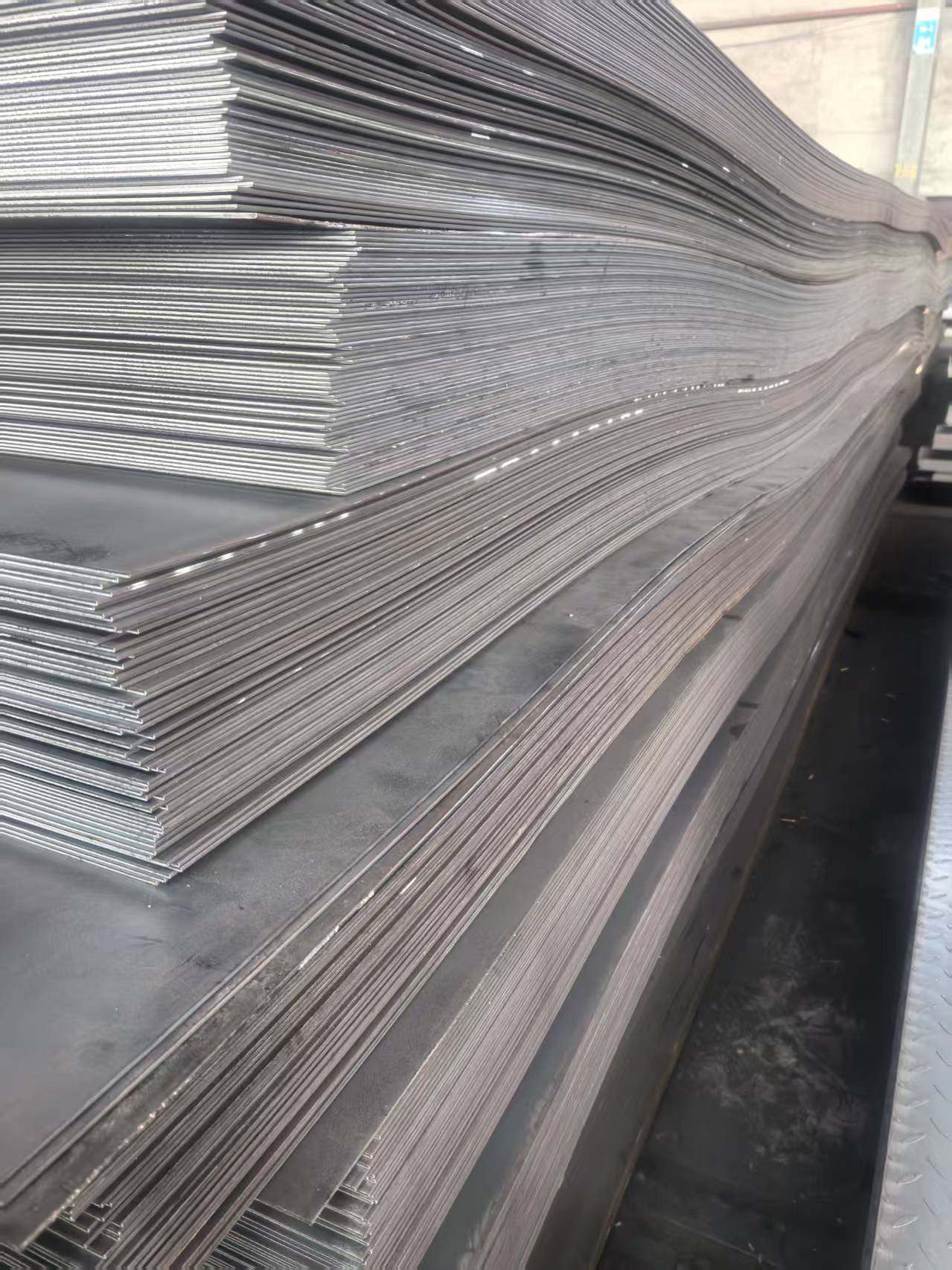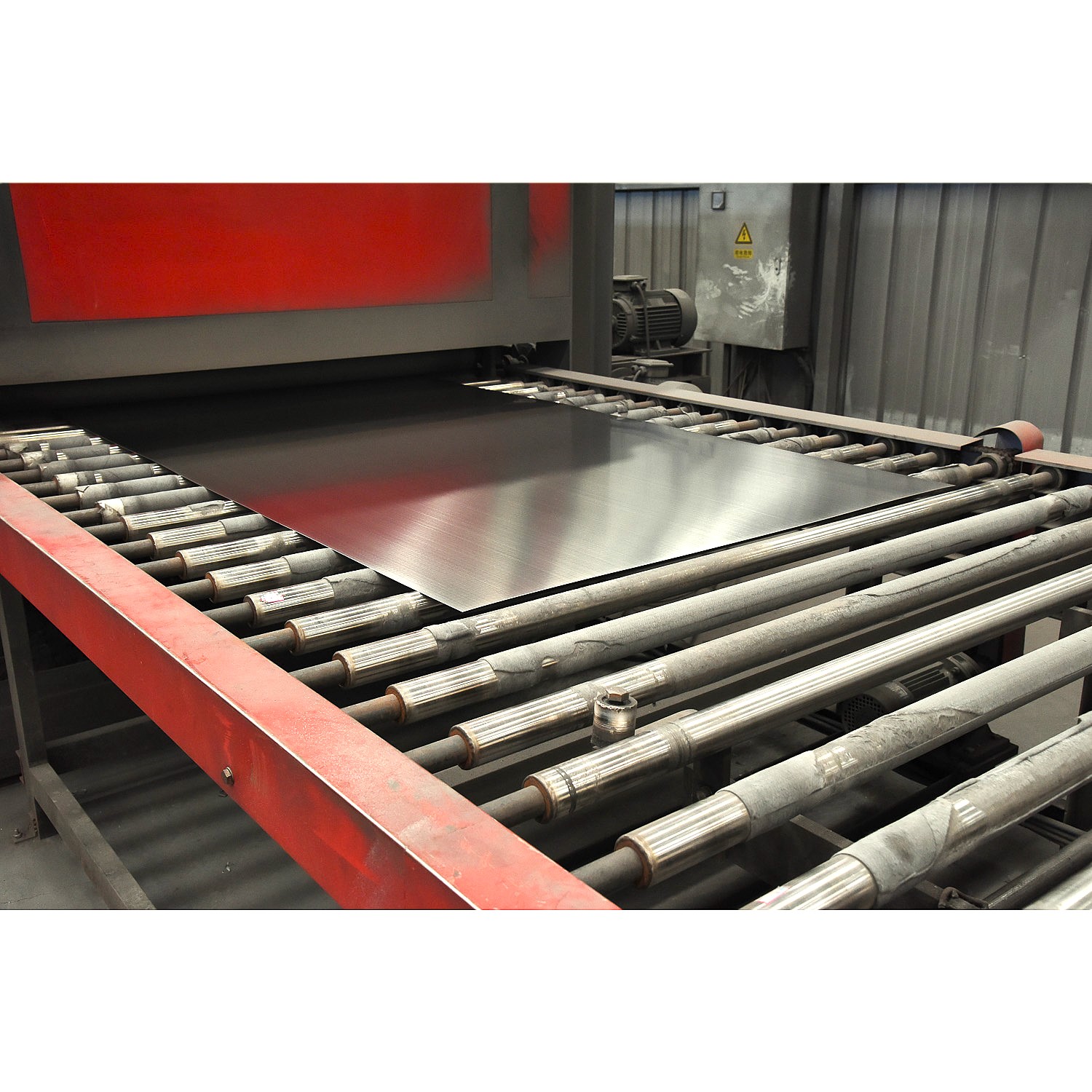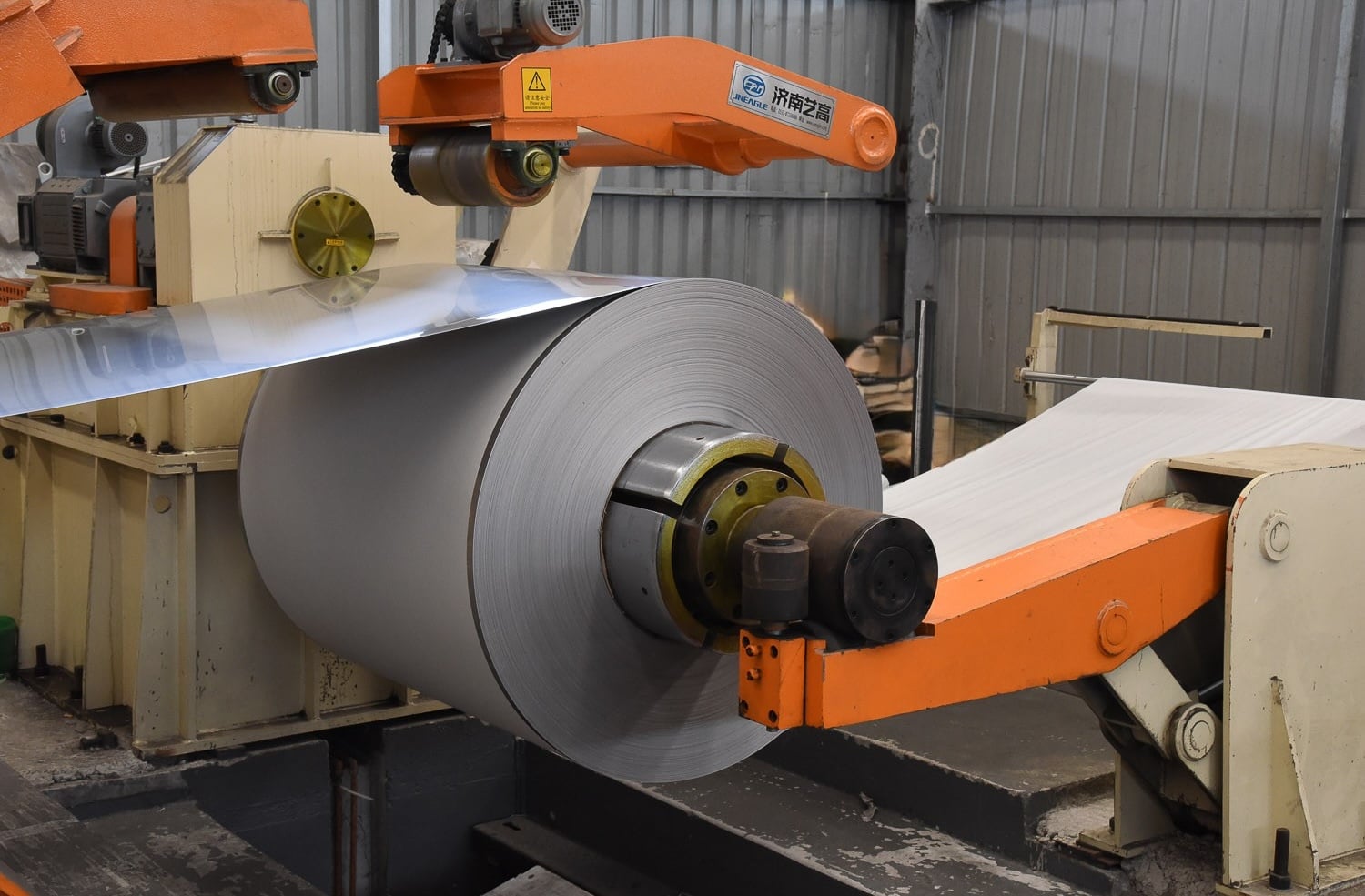
Aluminium coil is one of the most practical aluminum materials for continuous production, forming, cutting, cladding, insulation, roofing, packaging, decoration, and industrial fabrication. Because aluminium coil is lightweight, corrosion resistant, easy to process, and suitable for many surface treatments, it is widely used by manufacturers, contractors, distributors, and metal processing workshops.
Zhejiang Deqing International Steel Market provides integrated sourcing support for aluminium coil and related metal products. Our platform connects buyers with verified vendors, warehouse resources, processing services, export packing, customs declaration, and logistics delivery. Instead of sourcing aluminium coil, aluminum sheets, aluminum plates, steel products, and fittings from separate channels, buyers can consolidate procurement through one coordinated metal supply platform.
Aluminium coil is commonly used in construction and building material projects. Roofing systems, wall cladding, ceiling panels, curtain walls, gutters, trims, flashing, and insulation jackets often require aluminium coil because it can be slit, formed, coated, and cut according to project dimensions. For visible building applications, aluminium coil surface quality, coating color, flatness, and scratch protection should be confirmed before shipment.
In industrial manufacturing, aluminium coil is used for appliance panels, ventilation ducts, automotive parts, heat exchanger fins, electrical components, packaging materials, signage, and general sheet metal fabrication. Different applications require different aluminium coil specifications. For example, insulation production may focus on coil width and surface cleanliness, while appliance panels may require coating consistency and strict surface protection.
Alloy grade is an important factor when purchasing aluminium coil. Alloy 1060 aluminium coil is often selected for good formability, conductivity, and corrosion resistance. Alloy 3003 aluminium coil is commonly used where better strength than pure aluminum and good workability are needed. Alloy 5052 aluminium coil may be selected for stronger corrosion resistance and higher strength. The best aluminium coil grade depends on forming method, service environment, strength requirement, surface treatment, and budget.
Temper also affects aluminium coil performance. Softer aluminium coil is easier to bend, stamp, roll, and form, while harder temper aluminium coil may provide better shape stability. Buyers should confirm whether the aluminium coil will be used for deep drawing, roll forming, stamping, insulation wrapping, painting, coating, slitting, or panel production. The wrong temper may cause cracking, springback, deformation, or production waste.
Thickness and width are key procurement details. Thin aluminium coil is often used for insulation, packaging, decorative foil-like products, and heat transfer parts. Medium-thickness aluminium coil is commonly used for roofing, cladding, appliance panels, signage, and general fabrication. Wider aluminium coil may improve production efficiency for panel manufacturers, while narrow slitted aluminium coil is useful for trims, strips, seals, and electrical applications.
Surface condition should be confirmed early. Mill finish aluminium coil is suitable for many industrial uses, but coated aluminium coil, painted aluminium coil, embossed aluminium coil, or surface-protected aluminium coil may be needed for decorative, roofing, cladding, and appliance applications. If aluminium coil will be used for visible products, scratches, stains, rolling marks, color difference, and protective film requirements must be reviewed before order confirmation.
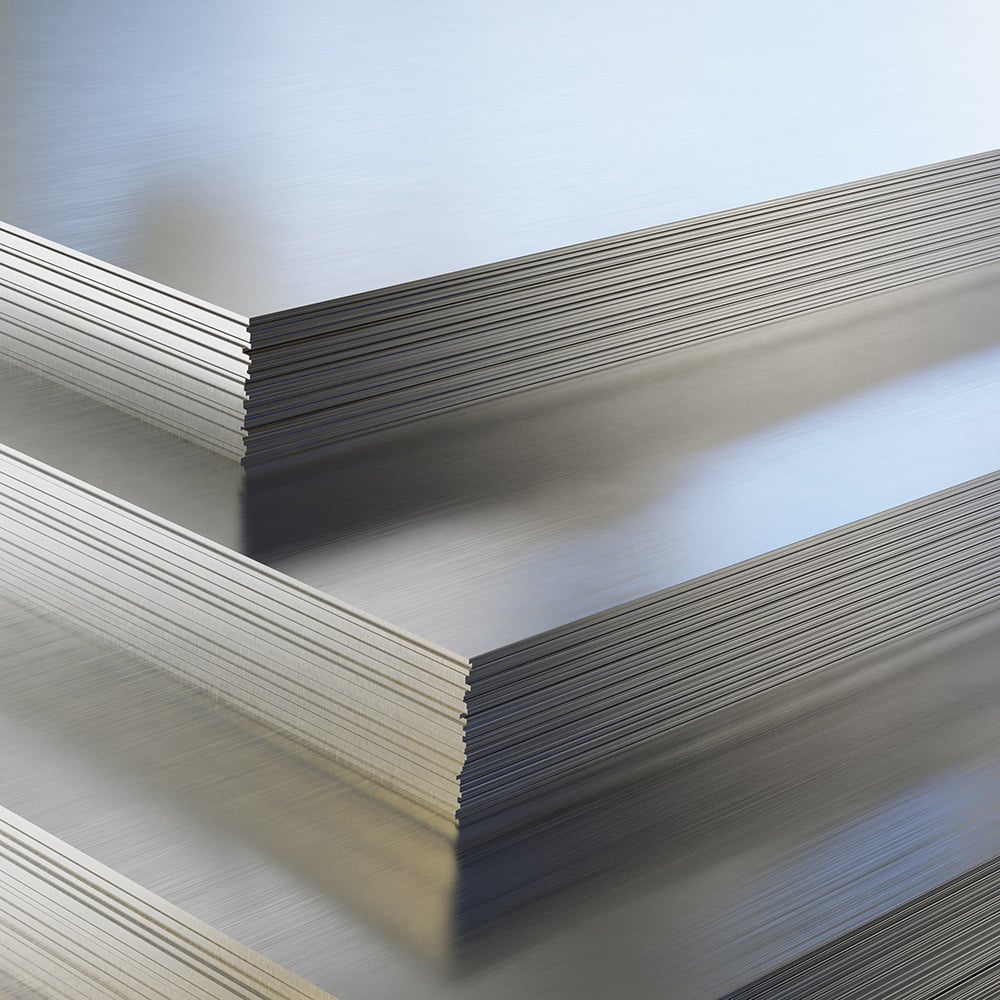
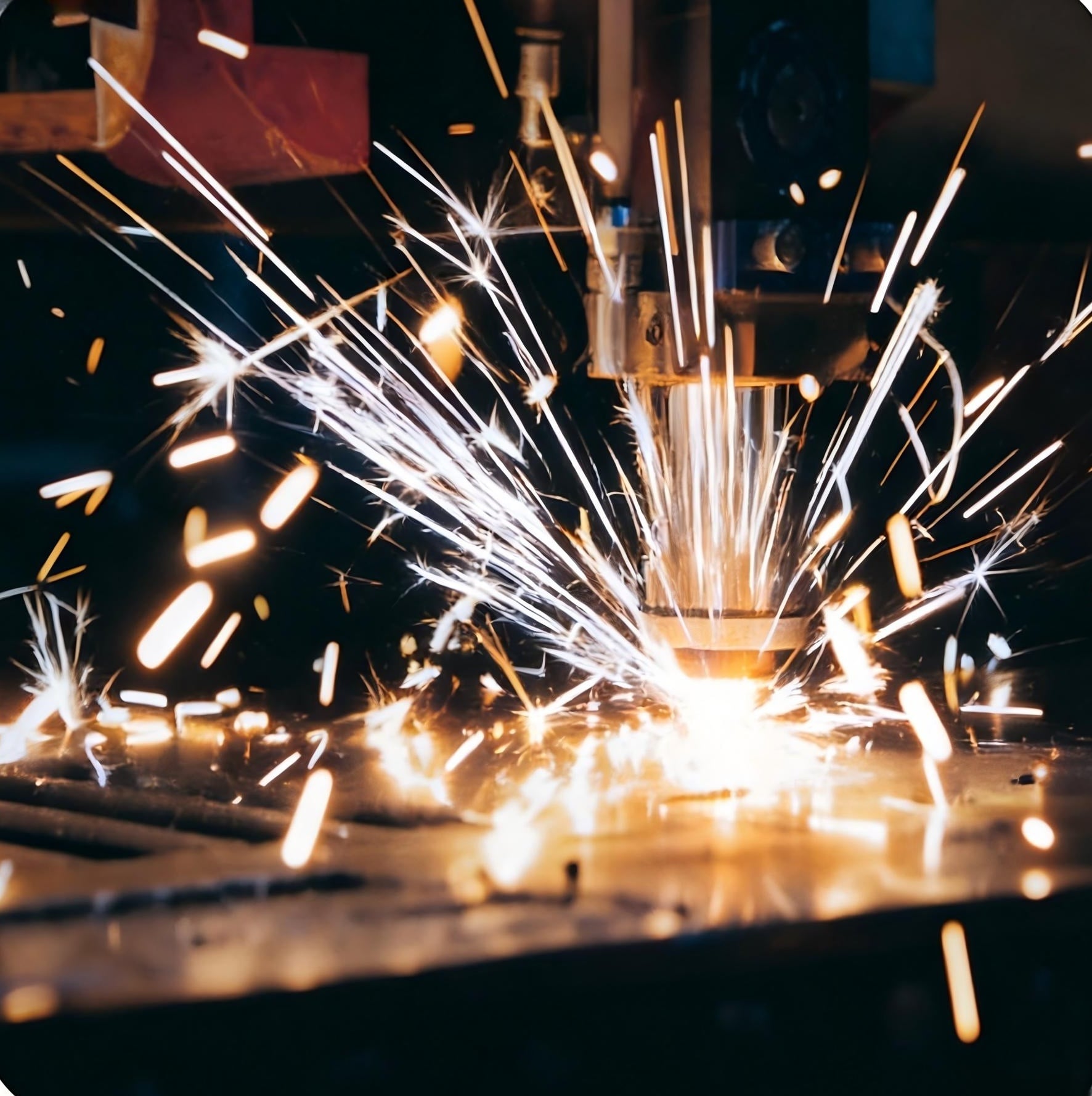
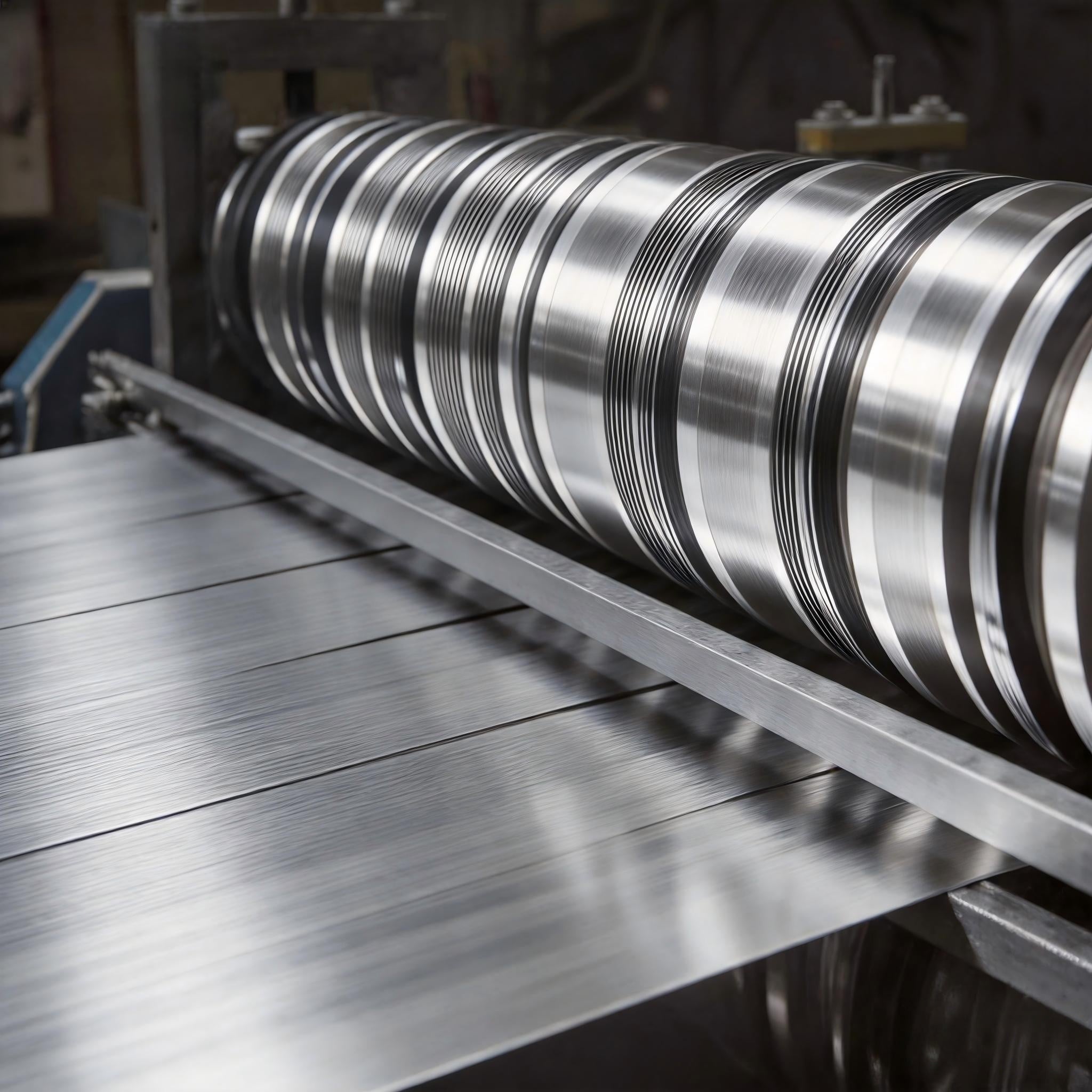
Processing makes aluminium coil more practical for buyers. Our platform can help coordinate coil slitting, cutting to length, shearing, leveling, surface protection, bundle labeling, and export packing. Slitted aluminium coil helps buyers receive narrow-width material ready for production. Cut-to-length aluminium coil can be prepared as flat sheets for workshops that do not have coil processing equipment. Leveling can improve flatness for panel and fabrication use.
For example, a roofing material supplier may need coated aluminium coil for roll-formed panels and matching trims. A thermal insulation manufacturer may require mill finish aluminium coil in specific widths for continuous wrapping. An appliance factory may need aluminium coil with controlled surface quality and protective film. A distributor may source aluminium coil together with aluminum sheet, stainless steel fasteners, and steel profiles for regional resale.
When sourcing aluminium coil, buyers should provide detailed specifications. Important information includes alloy grade, temper, thickness, width, coil weight, inner diameter, outer diameter if limited, surface finish, coating requirement, tolerance, edge condition, quantity, packing method, processing requirement, and destination port. If aluminium coil is used for painted, anodized, embossed, or laminated products, the downstream process should also be described.
Export packing is critical for aluminium coil because coils are heavy, surface-sensitive, and vulnerable to edge damage if handled improperly. Packing may include moisture-proof wrapping, steel or wooden pallets, eye-to-wall or eye-to-sky loading, edge protectors, inner core protection, separators, labels, and reinforced container loading plans. Proper packing helps reduce scratches, moisture stains, coil collapse, and deformation during long-distance transportation.
Zhejiang Deqing International Steel Market is located in Deqing, Zhejiang, in the Yangtze River Delta. With broad metal categories, verified vendor resources, warehouse capacity, processing coordination, and logistics connectivity, we help global buyers manage aluminium coil procurement more efficiently. Aluminium coil can also be shipped with aluminum plate, aluminum bar, stainless steel sheet, carbon steel products, structural steel, fittings, and fabricated parts.
A reliable aluminium coil supply solution is not only about available inventory. It also includes alloy and temper confirmation, coil size matching, surface review, processing planning, packing protection, export documents, container loading, and delivery management. Zhejiang Deqing International Steel Market helps contractors, manufacturers, distributors, and fabrication buyers source aluminium coil with stronger supply chain support and lower coordination risk.
 EN
EN