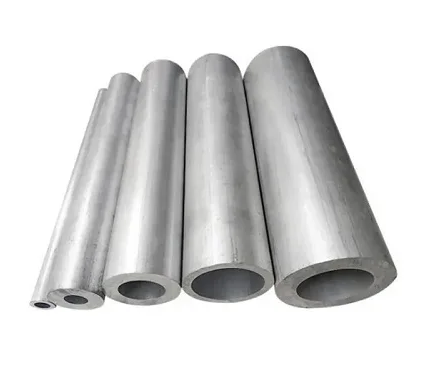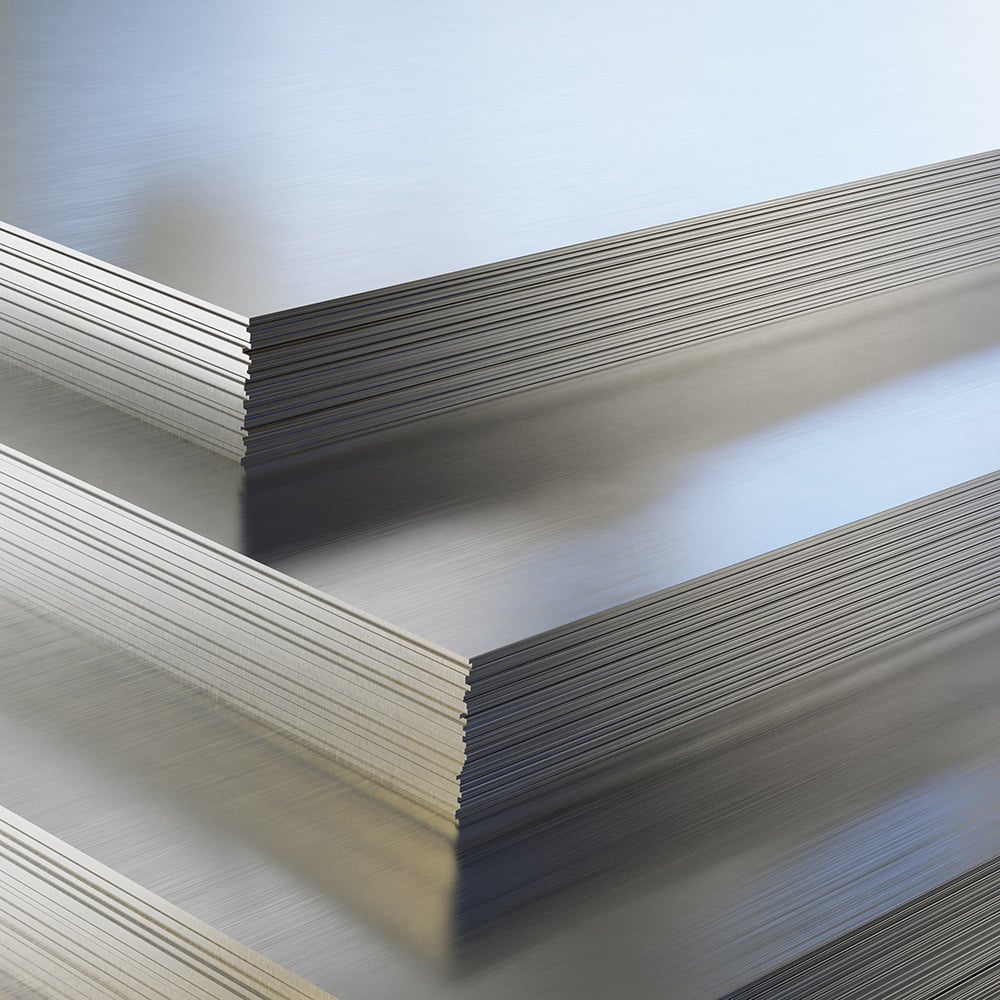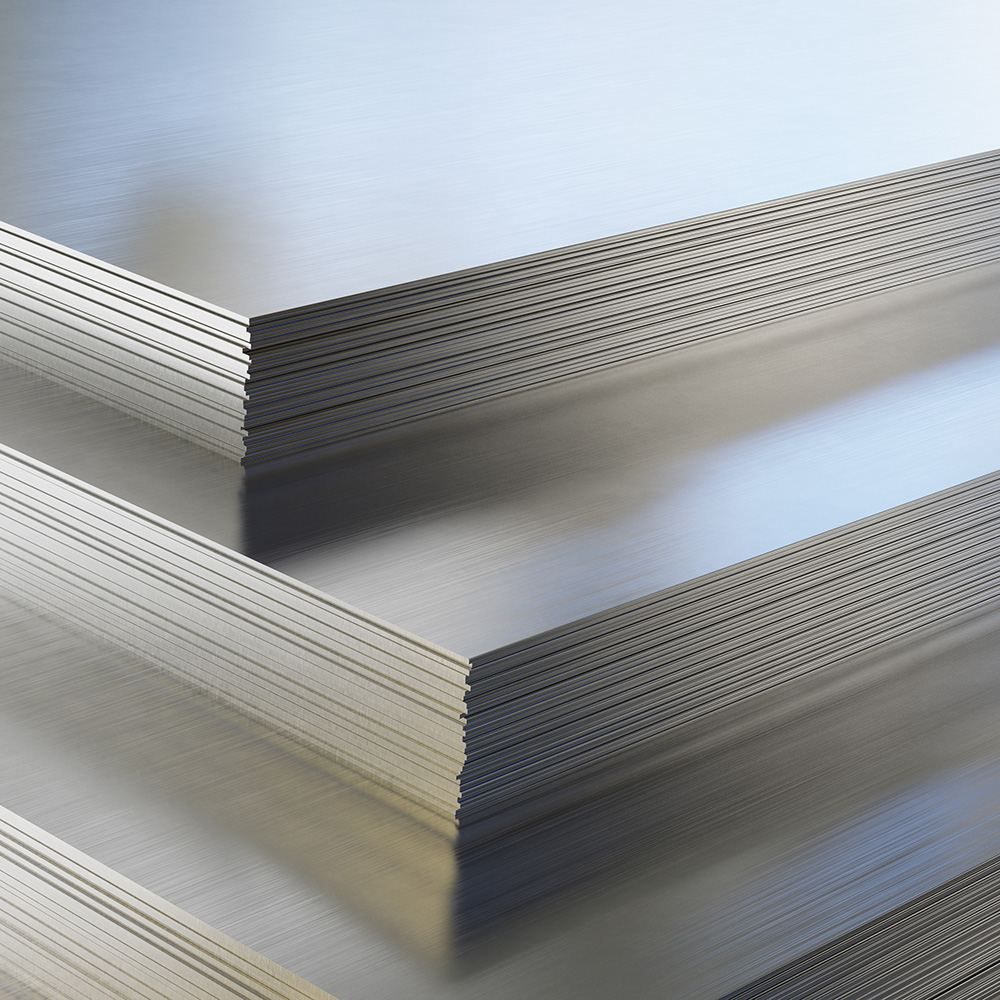
Cast aluminum material is widely used when a project needs lightweight metal parts with good formability, practical corrosion resistance, and design flexibility. Compared with many heavier metal materials, cast aluminum material can help reduce component weight while still supporting functional strength for machinery, transport, electrical, and industrial applications.
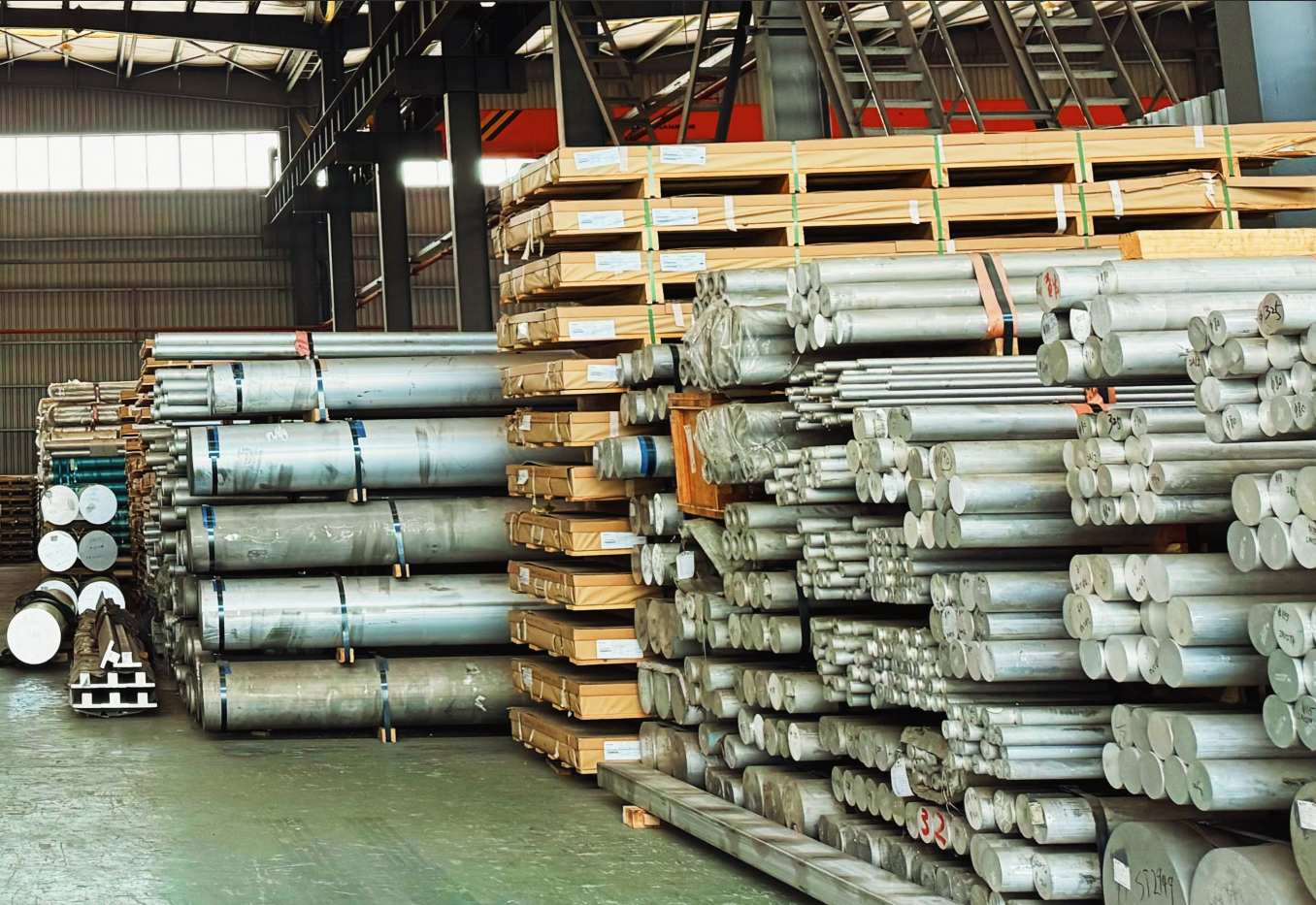
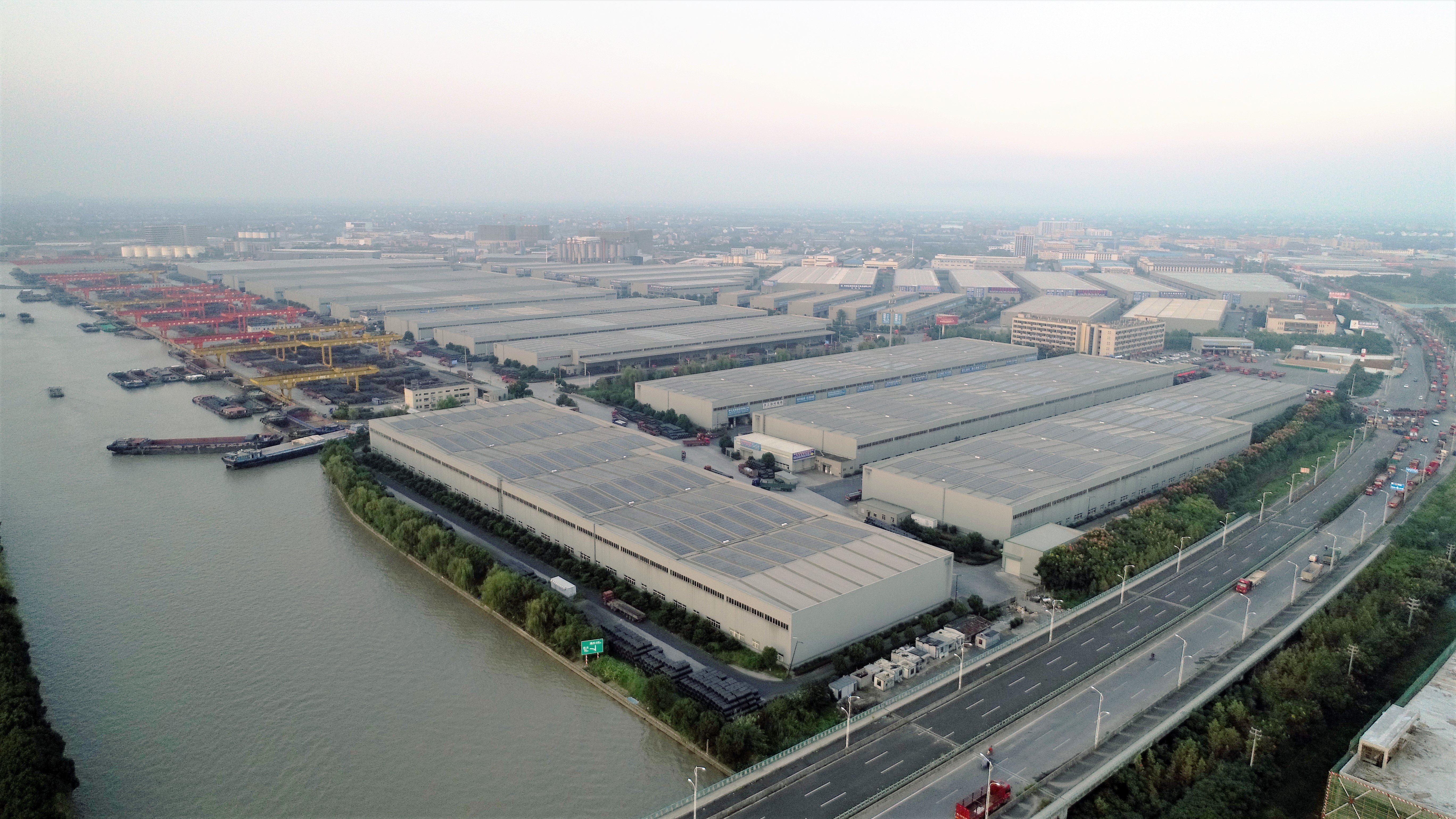
Zhejiang Deqing International Steel Market provides integrated sourcing support for cast aluminum material and related metal products. As a steel and metal supply platform, we connect global buyers with verified vendors, warehouse resources, processing services, packing support, customs declaration, and export logistics. Buyers can source cast aluminum material together with aluminum plate, bar, extrusion, stainless steel, carbon steel, fittings, and fabricated parts through one coordinated order.
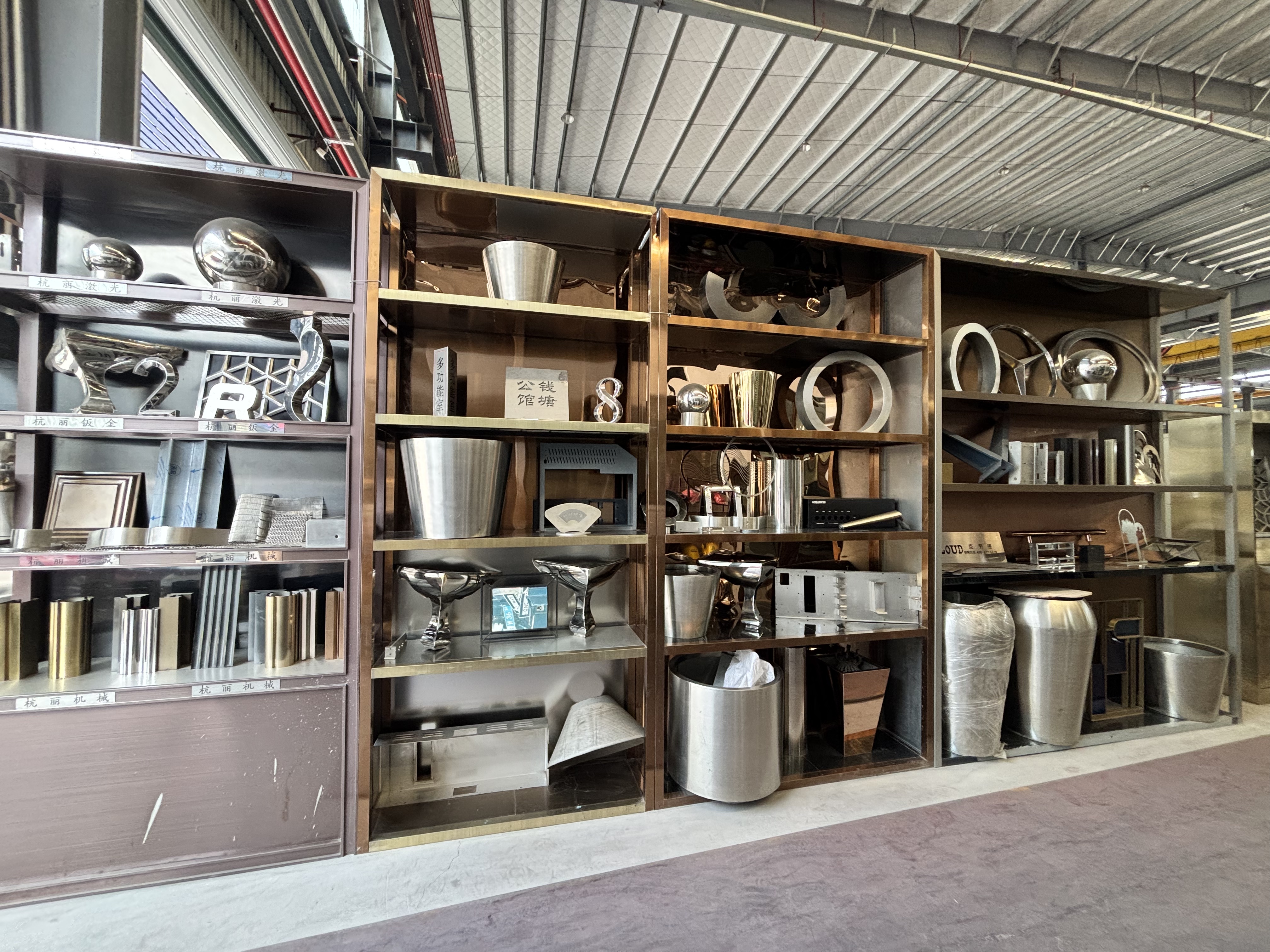
Cast aluminum material is often selected for parts with complex shapes. Typical applications include pump housings, valve bodies, motor housings, gearbox covers, brackets, bases, handles, machine frames, enclosures, tooling blocks, and custom industrial components. Because casting can form shapes that may be difficult or expensive to make from solid plate, cast aluminum material is useful for production designs that require cavities, ribs, mounting points, curved surfaces, or integrated structures.
Alloy selection is important when purchasing cast aluminum material. Different aluminum casting alloys offer different strength, hardness, corrosion resistance, machinability, thermal performance, and surface treatment suitability. Some cast aluminum material is chosen for general machinery use, while other cast aluminum material is selected for automotive parts, electrical equipment, or precision machined components. Buyers should confirm alloy grade and technical requirements before placing an order.
The casting method also affects performance. Sand casting may be suitable for larger or lower-volume cast aluminum material parts. Die casting can be useful for high-volume parts with good dimensional repeatability. Gravity casting and low-pressure casting may be selected for certain structural or quality requirements. The right method depends on part geometry, quantity, tolerance, surface finish, mechanical performance, and cost target.
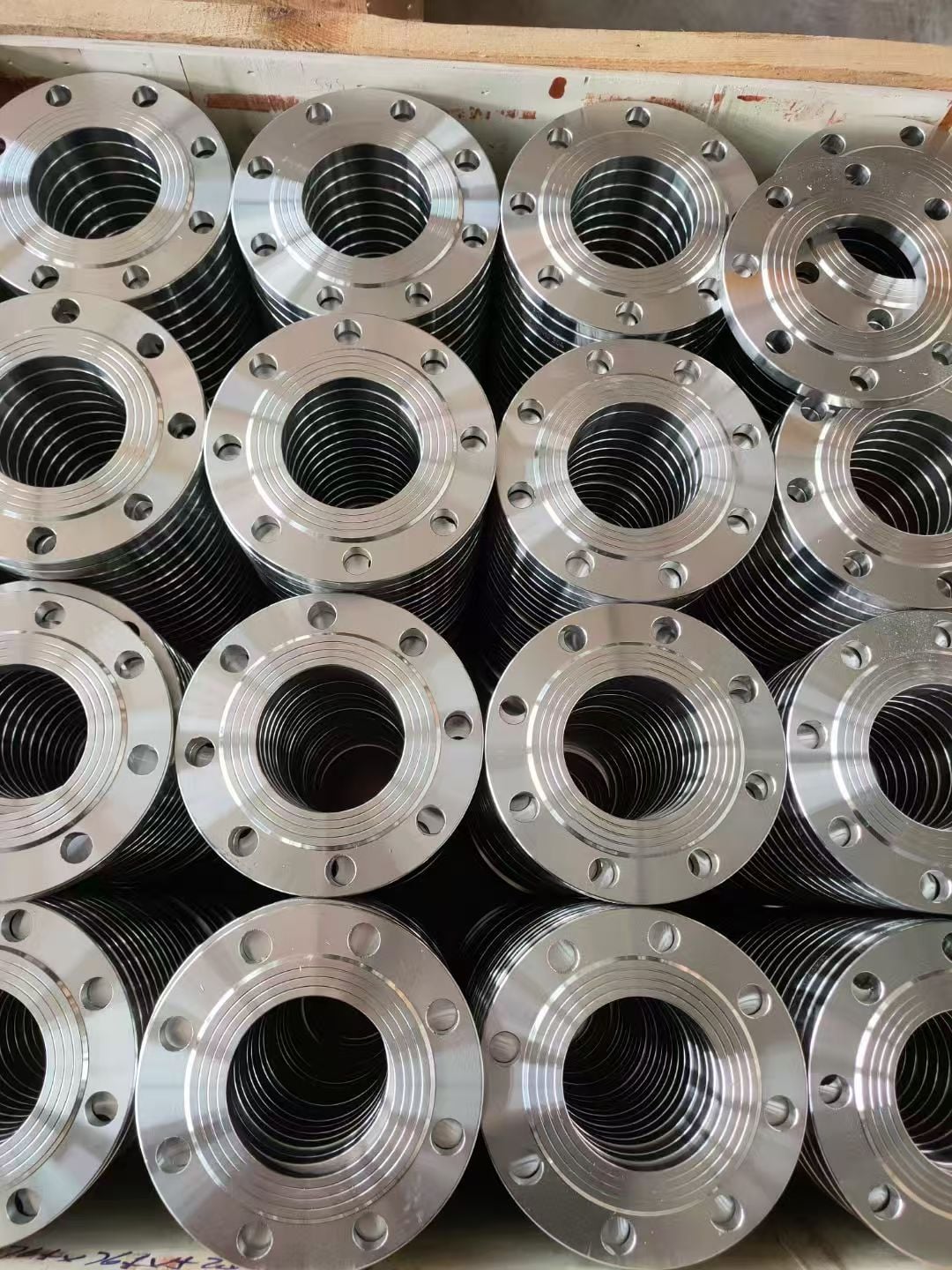
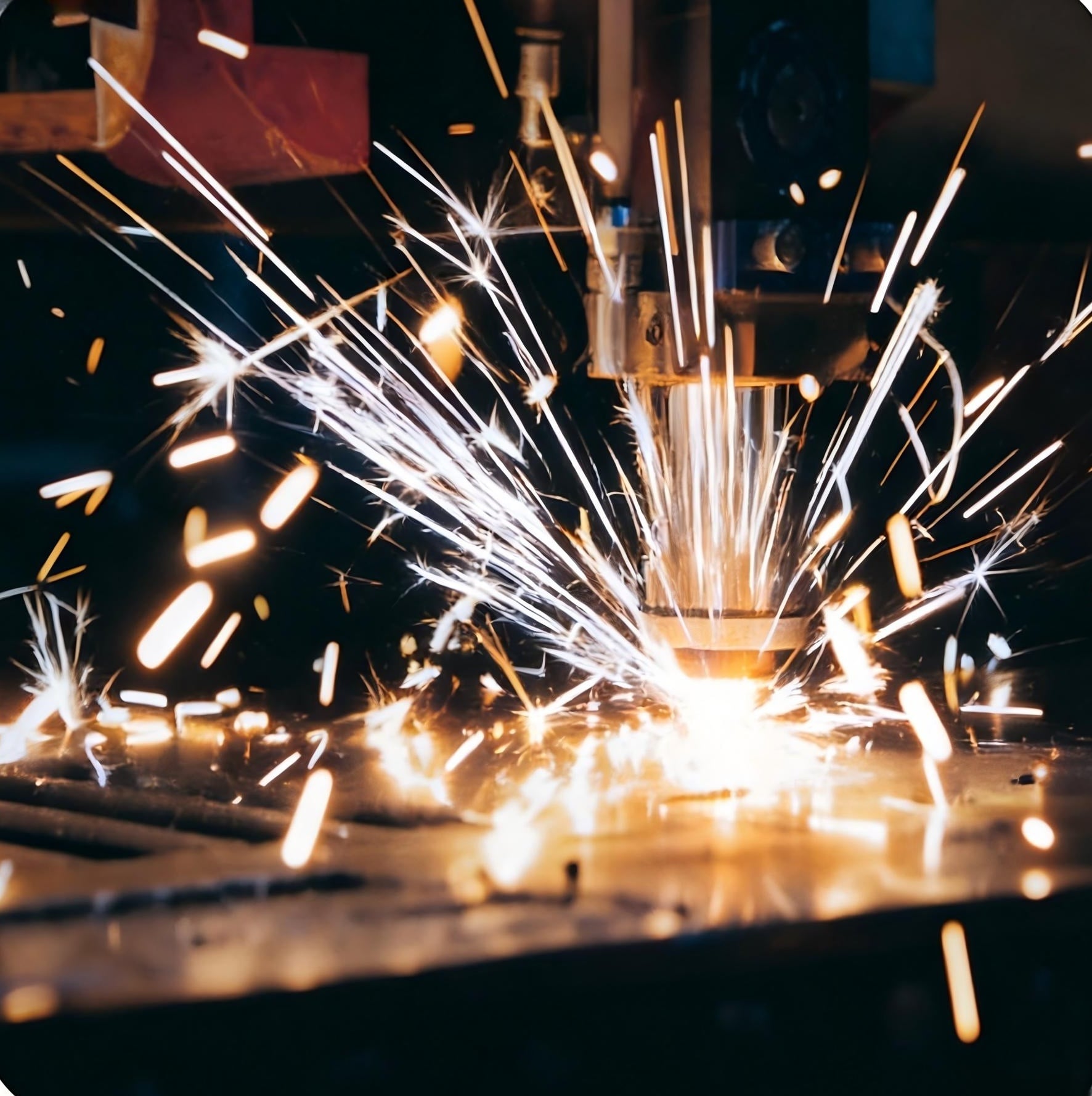
Many buyers do not need raw cast aluminum material only. They may need rough cast blanks, semi-machined parts, fully machined components, drilled parts, tapped holes, surface-treated parts, or parts packed for direct assembly. Our platform can help coordinate cutting, machining, drilling, surface treatment, inspection, and export packing according to drawings and project requirements. This helps buyers reduce secondary handling after delivery.
For example, a machinery manufacturer may need cast aluminum material for equipment bases and housings. An automotive parts buyer may need cast aluminum material blanks prepared for CNC machining. An electrical equipment factory may use cast aluminum material for enclosure bodies or heat-dissipation parts. A maintenance supplier may purchase cast aluminum material together with steel shafts, stainless steel fasteners, and aluminum bars for repair projects.
When sourcing cast aluminum material, buyers should provide clear technical information. Important details include alloy standard, casting process, drawing file, dimensions, tolerance, weight, heat treatment requirement, machining allowance, surface finish, inspection standard, quantity, packing method, and destination port. If the buyer only has a sample, photos and measurement details can help with preliminary evaluation, but formal drawings are recommended for accurate production.
Surface quality should also be reviewed. Cast aluminum material may show natural casting marks, parting lines, minor surface texture, or machining allowance depending on the process. If the part requires painting, anodizing, polishing, powder coating, or sealing, the surface treatment requirement should be confirmed early. Some cast aluminum material may need additional cleaning, deburring, shot blasting, or machining before final use.
Export packing is important for cast aluminum material because many parts have machined surfaces, holes, corners, or irregular shapes. Proper packing can reduce scratches, dents, deformation, moisture exposure, and handling damage during long-distance transportation. Depending on product size and weight, packing may include wooden cases, pallets, foam protection, waterproof wrapping, separators, labels, and reinforced loading plans.
Located in Deqing, Zhejiang, in the Yangtze River Delta, Zhejiang Deqing International Steel Market has access to strong industrial supply resources and logistics routes. With verified vendors, broad product categories, warehouse capacity, and multimodal transport connectivity, we help global buyers manage cast aluminum material sourcing more efficiently and consolidate multiple metal products in one shipment.
A reliable cast aluminum material supply plan is not only about finding aluminum parts. It includes material confirmation, casting method selection, machining planning, tolerance review, surface treatment, inspection, packing, documentation, and export delivery. Zhejiang Deqing International Steel Market helps contractors, manufacturers, distributors, and fabricators source cast aluminum material with better coordination and lower procurement risk.
 EN
EN