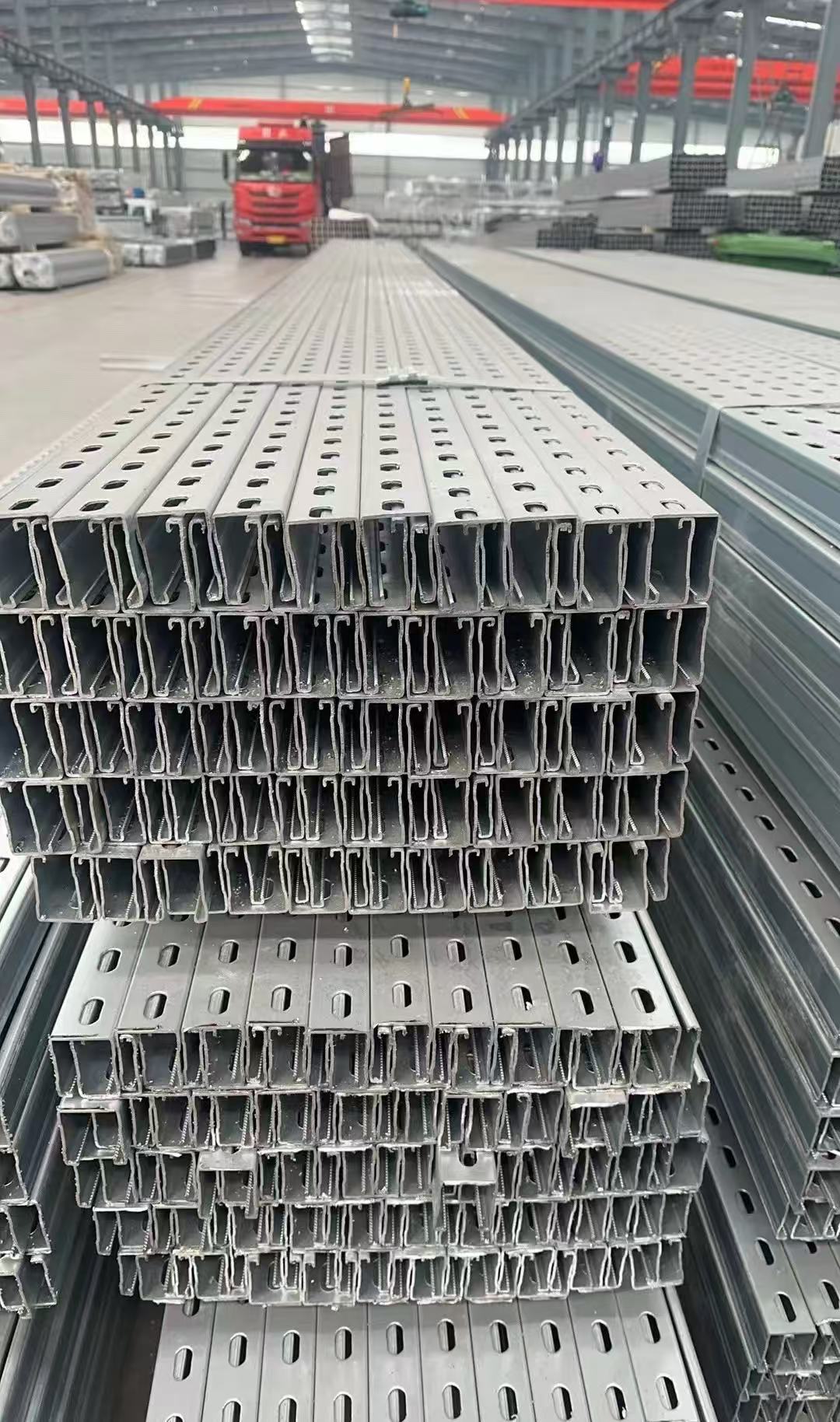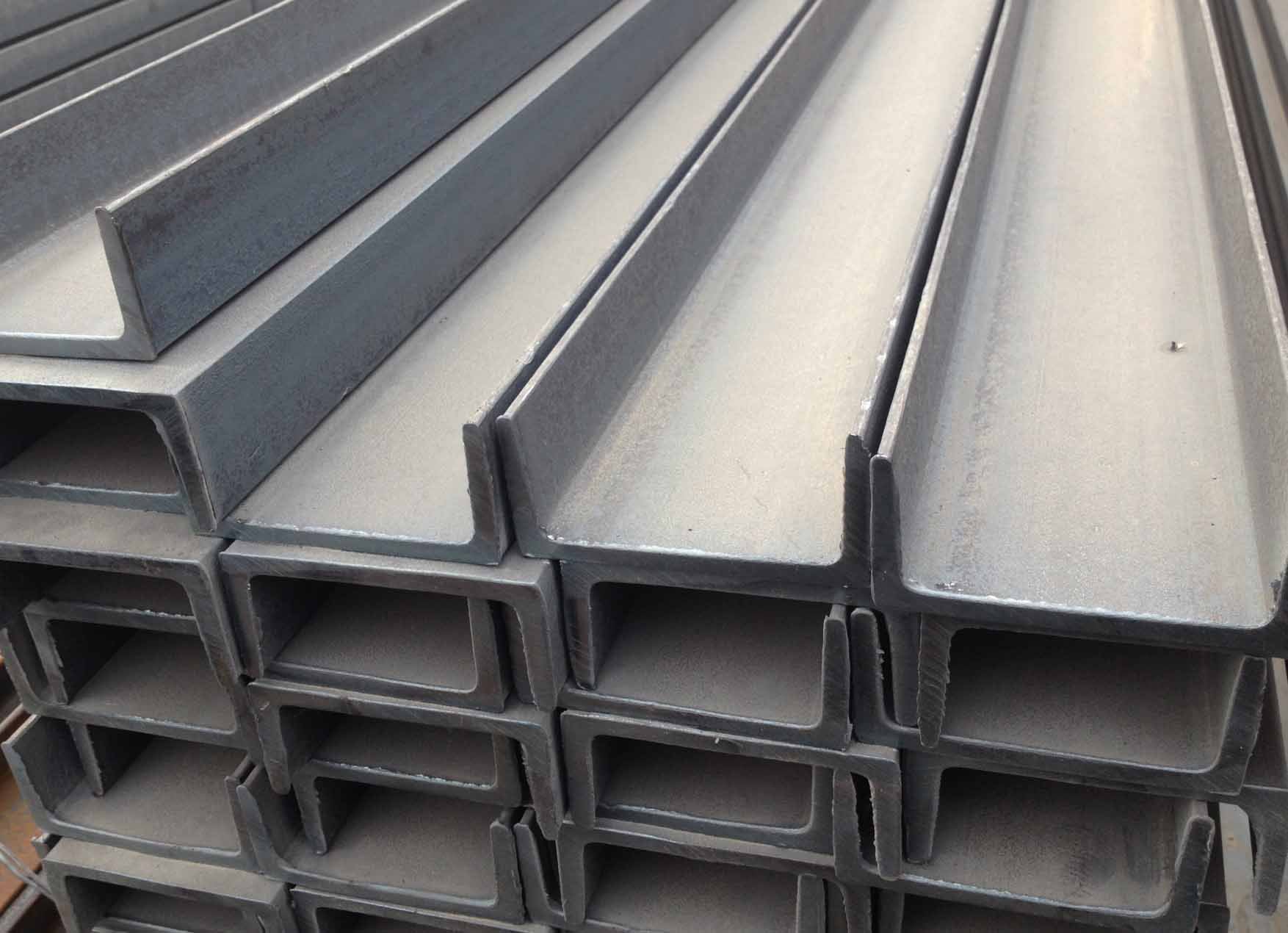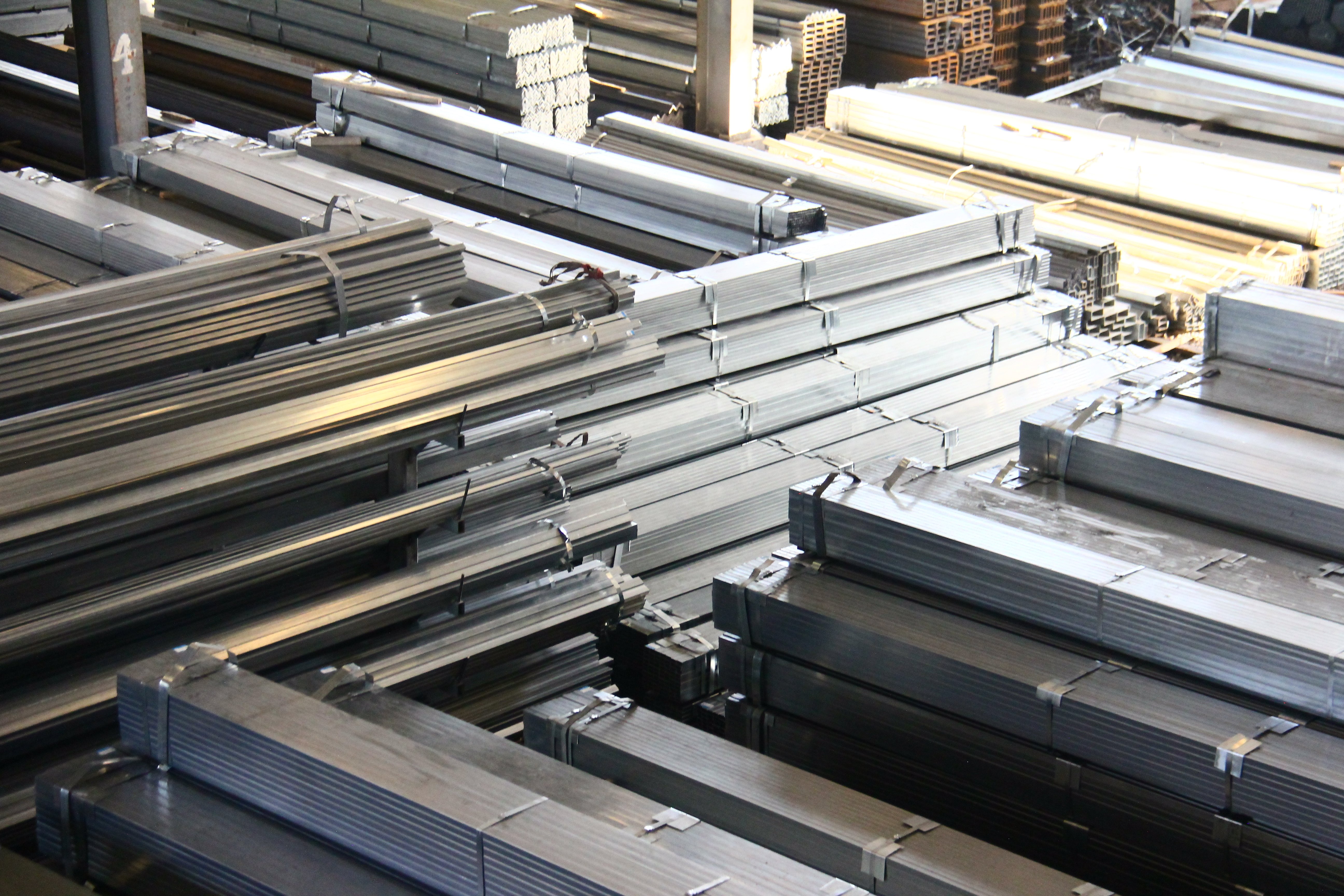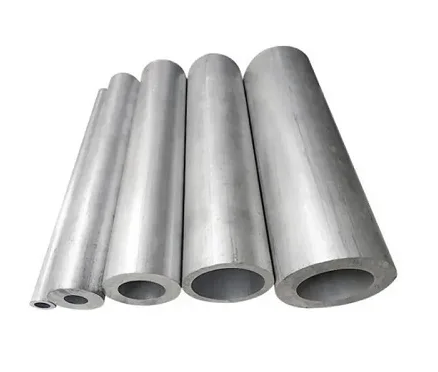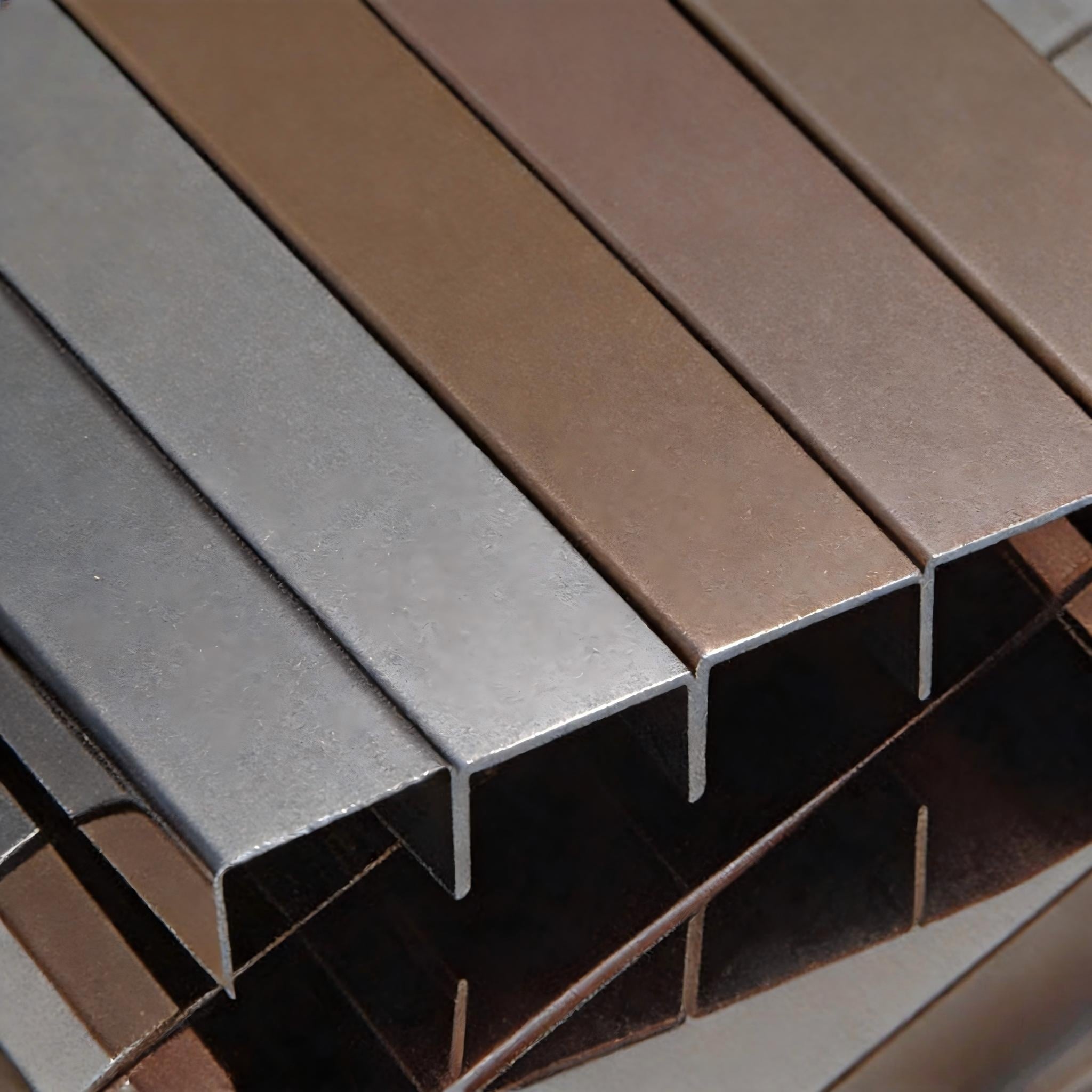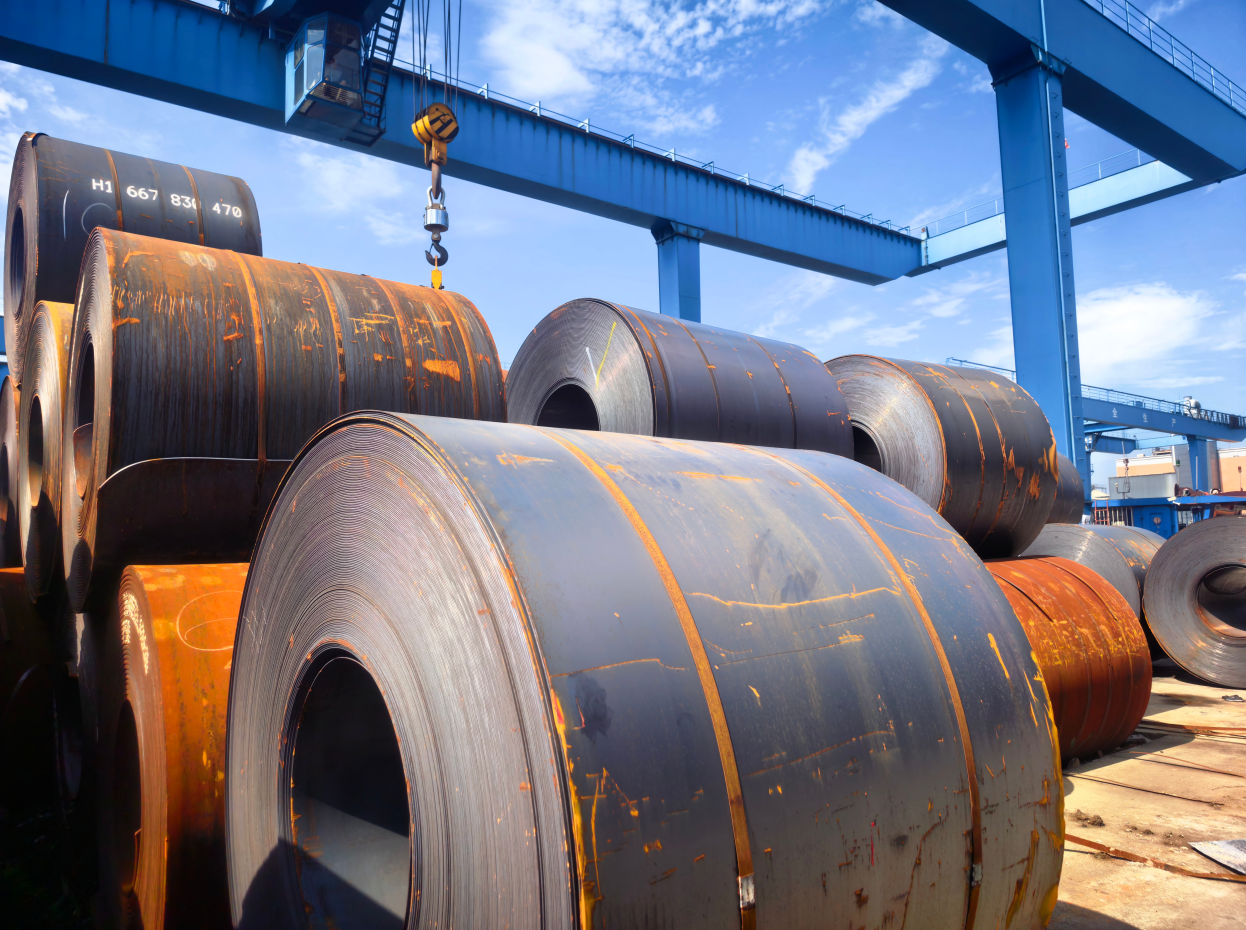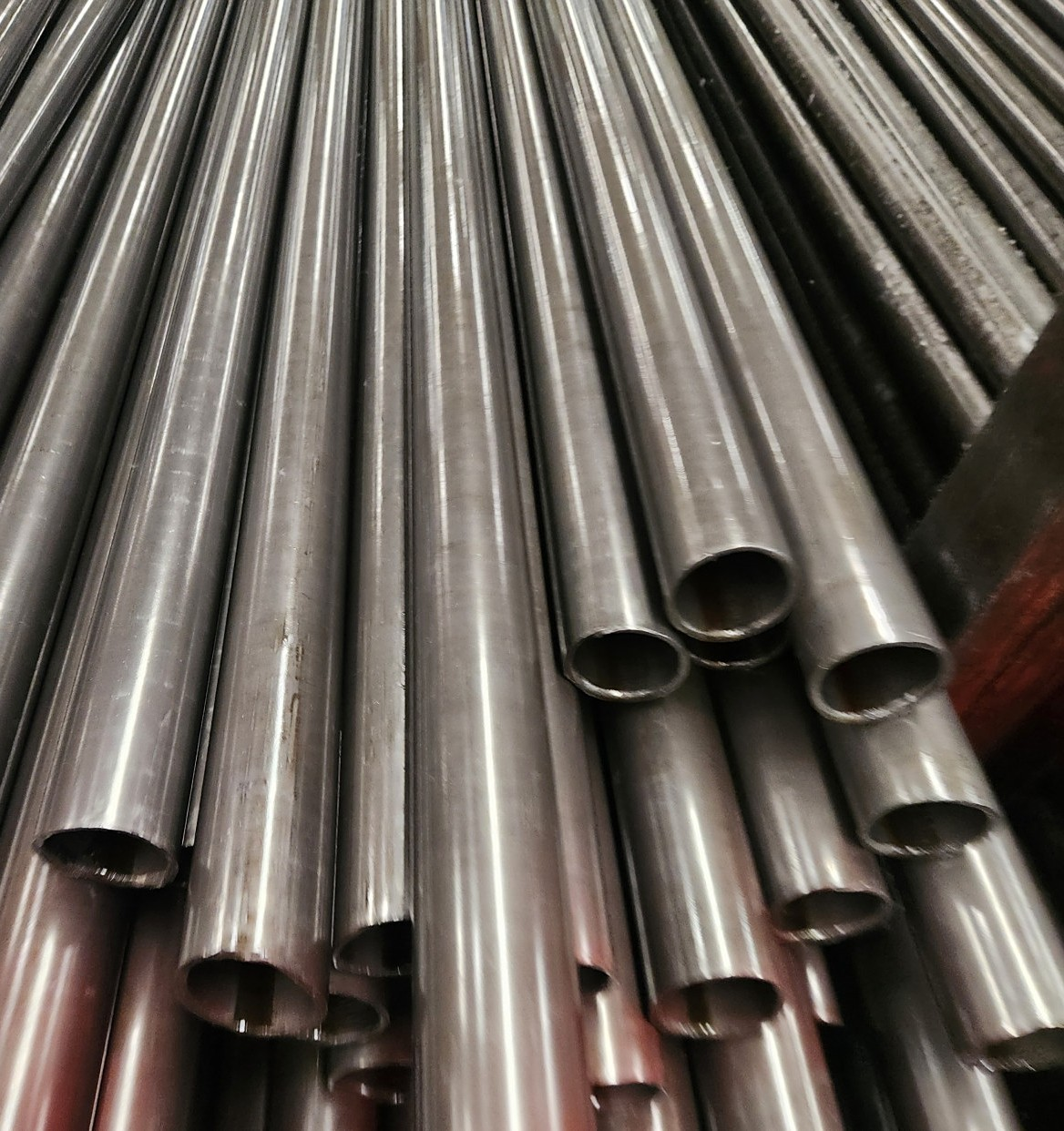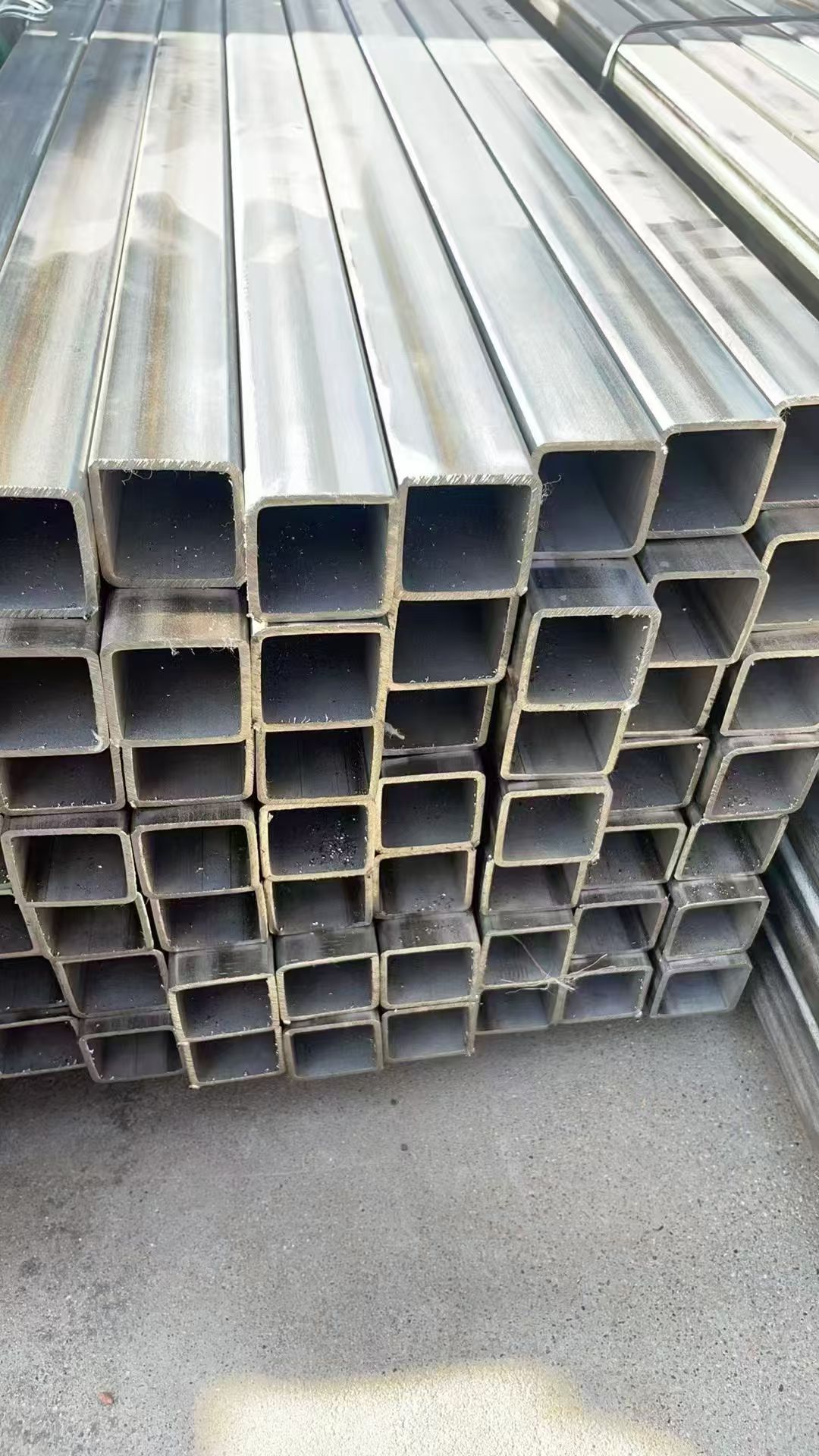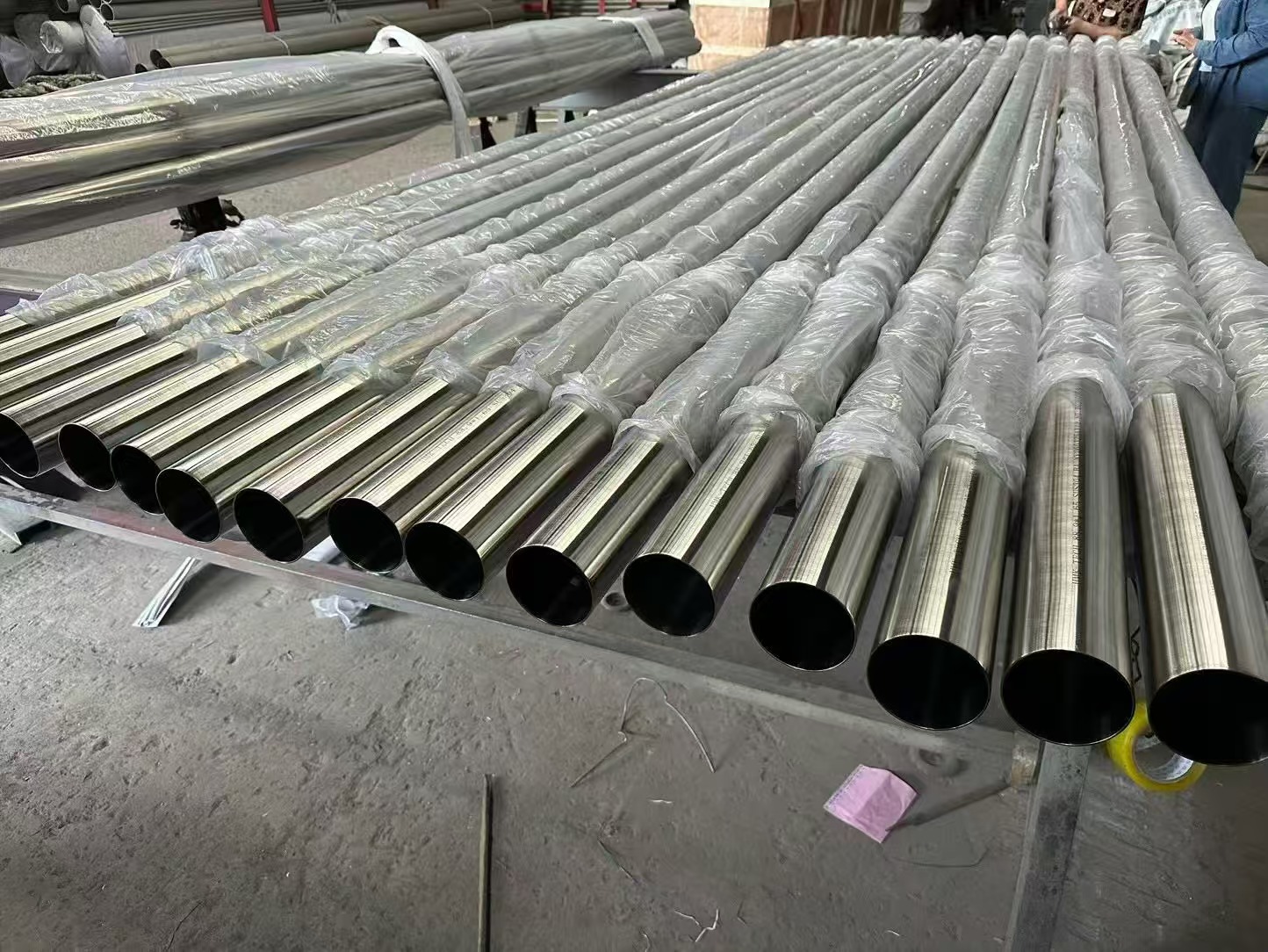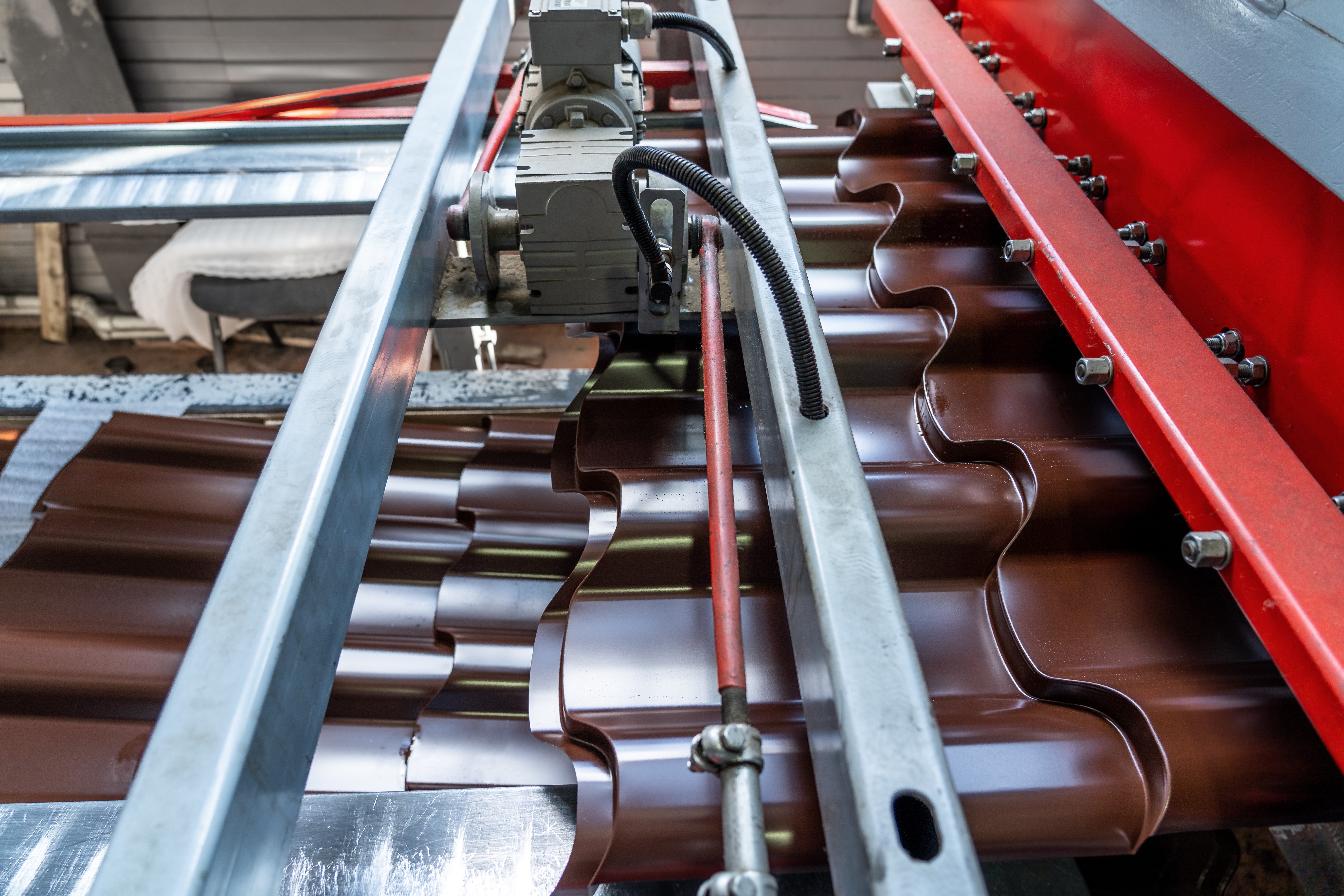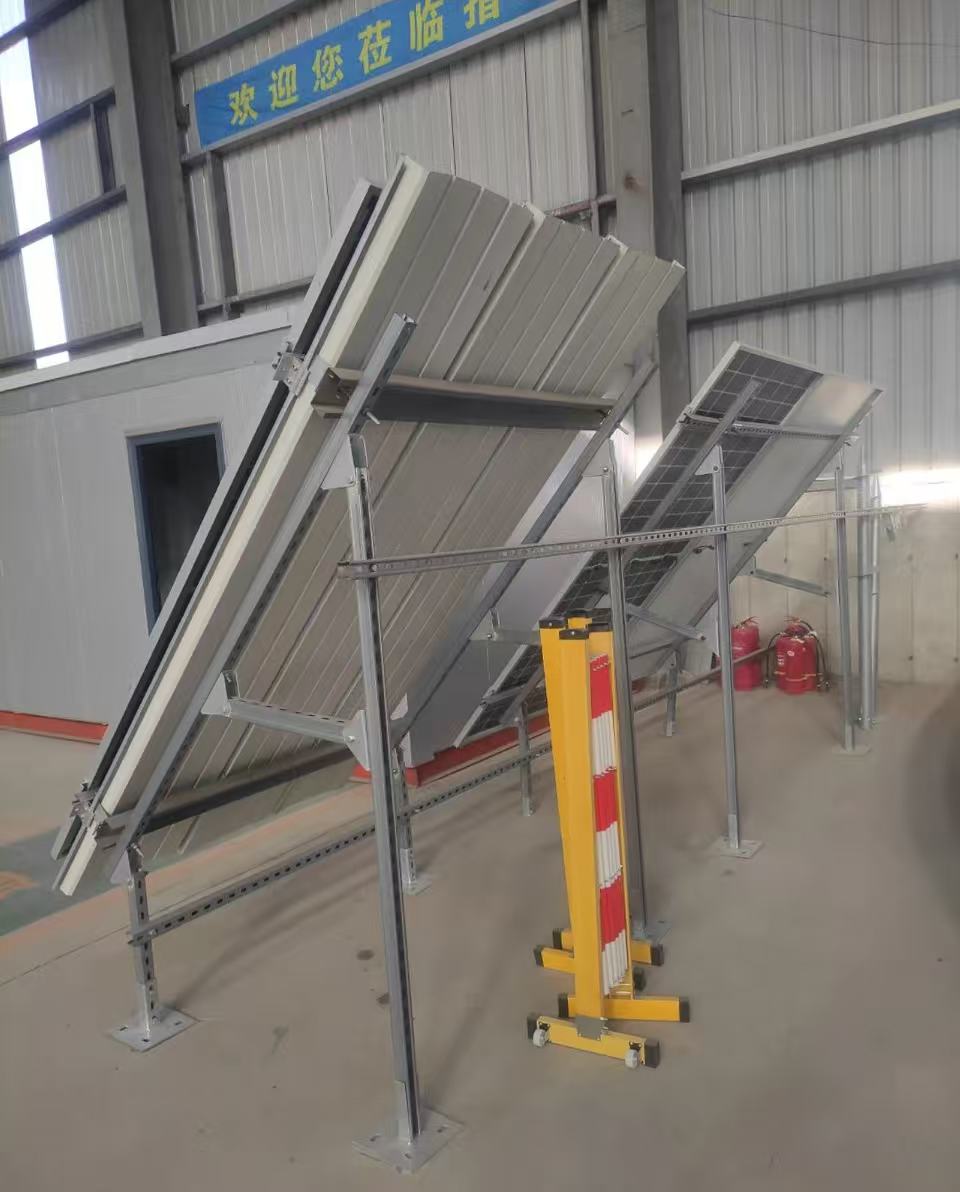
A galvanized structure is a steel structure protected by a zinc layer, usually through hot-dip galvanizing or by using pre-galvanized steel materials. The zinc coating helps isolate steel from moisture, oxygen, and many outdoor environmental factors, reducing rust risk and extending service life. Because of this protection, galvanized structure solutions are widely used in construction, industrial facilities, agricultural buildings, equipment frames, solar supports, pipe racks, walkways, guardrails, and outdoor steel assemblies.
From a practical engineering view, a galvanized steel structure usually includes main steel members, secondary supports, connection plates, brackets, bolts, tubes, channels, angles, beams, columns, and sometimes customized welded or assembled parts. The correct configuration depends on load requirements, installation method, environment, and project drawings. For example, an outdoor equipment platform may need galvanized beams, columns, grating support, stair stringers, handrails, base plates, anchor holes, and anti-slip walking surfaces. A solar mounting project may need galvanized channels, posts, purlins, clamps, and pre-punched connection parts.
Zhejiang Deqing International Steel Market supports buyers with galvanized structure procurement through steel trading, warehousing, processing, distribution, and export coordination. Buyers can request steel materials or semi-finished galvanized structure components according to drawings, bill of materials, steel grade, section size, wall thickness, plate thickness, hole diameter, length, tolerance, zinc coating requirement, packing method, destination, and delivery time.
The main value of galvanized structure is its balance between strength, corrosion protection, and cost efficiency. Compared with painted steel, galvanized steel often provides more uniform protection on edges, corners, and complex surfaces, especially when hot-dip galvanizing is used after fabrication. However, selection should still consider the working environment. Highly corrosive areas, chemical exposure, marine atmosphere, or underground installation may require thicker coating, additional protection, or special material review.
For fabrication projects, accurate drawing confirmation is essential. Cutting length, hole position, welding area, bolt connection, coating thickness, deformation control, and packing sequence can all affect final installation. If the galvanized structure is exported, packing and loading also matter. Long steel members, heavy welded parts, sharp edges, and zinc-coated surfaces should be protected to reduce scratching, bending, and handling damage during inland transport, port operation, and sea shipment.
Before quotation, buyers are encouraged to provide drawings, material grade, component list, dimensions, quantity, galvanizing requirement, inspection request, packing standard, destination port, and expected delivery schedule. With complete information, galvanized structure sourcing becomes clearer, more efficient, and better aligned with real project needs.
 EN
EN