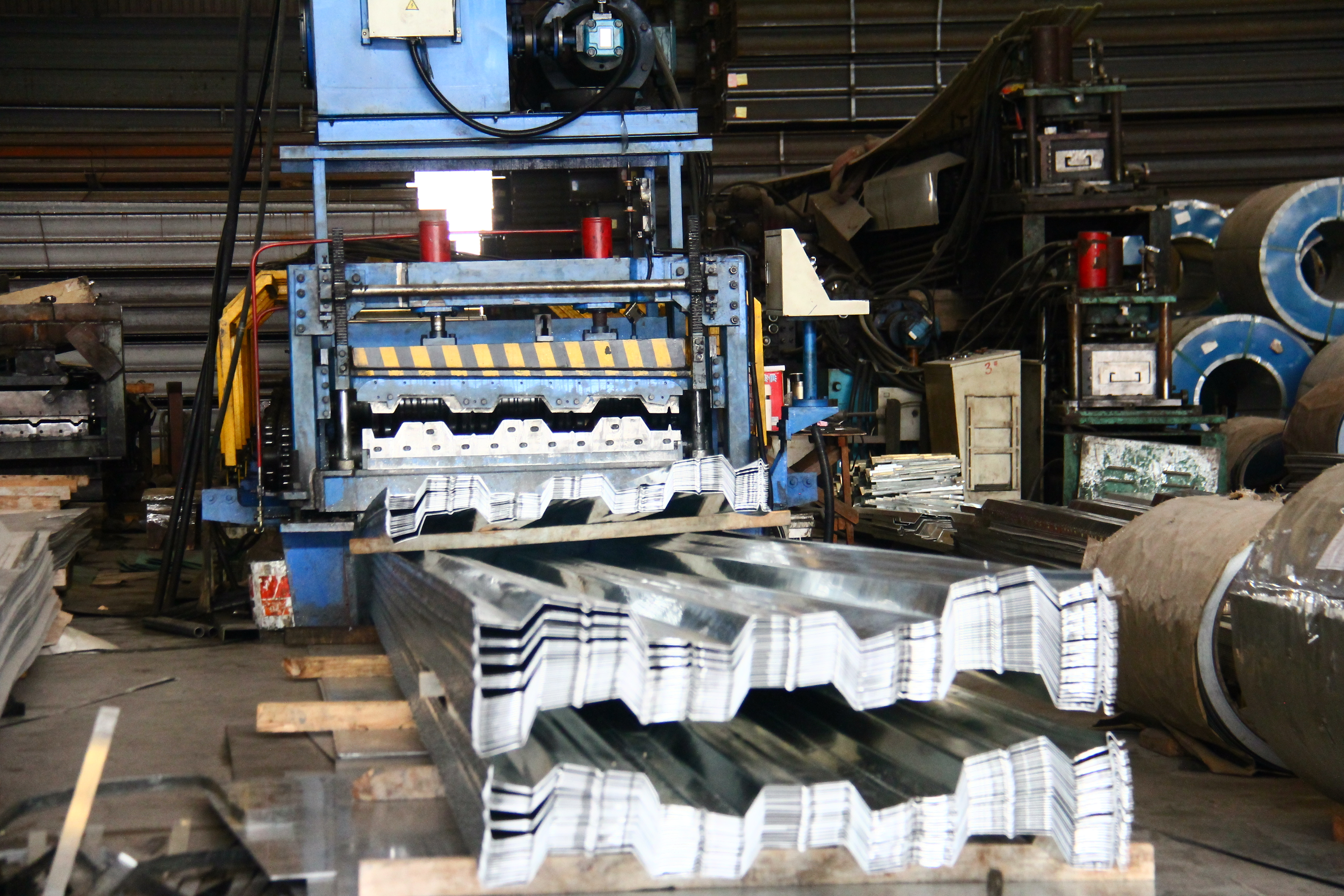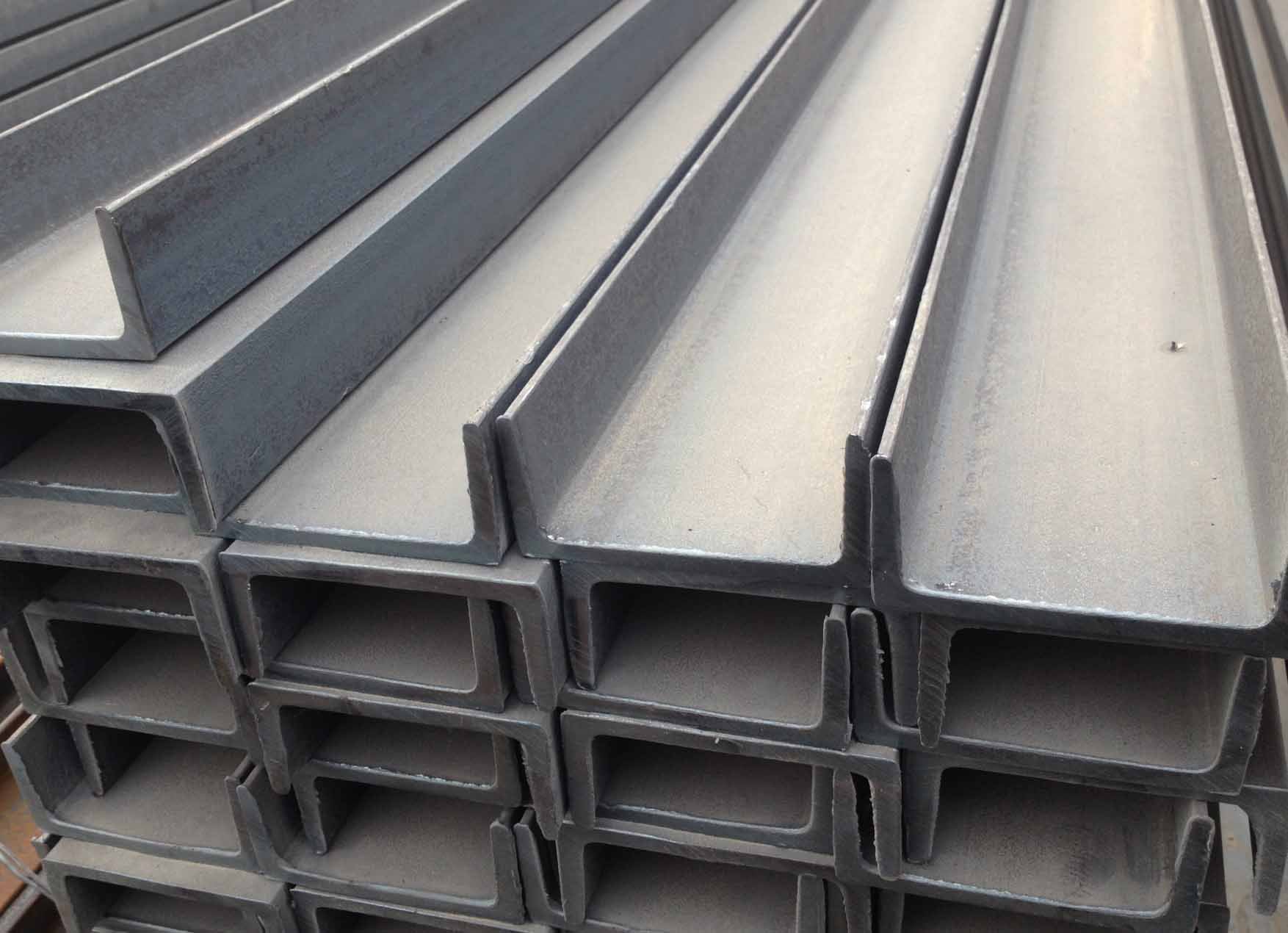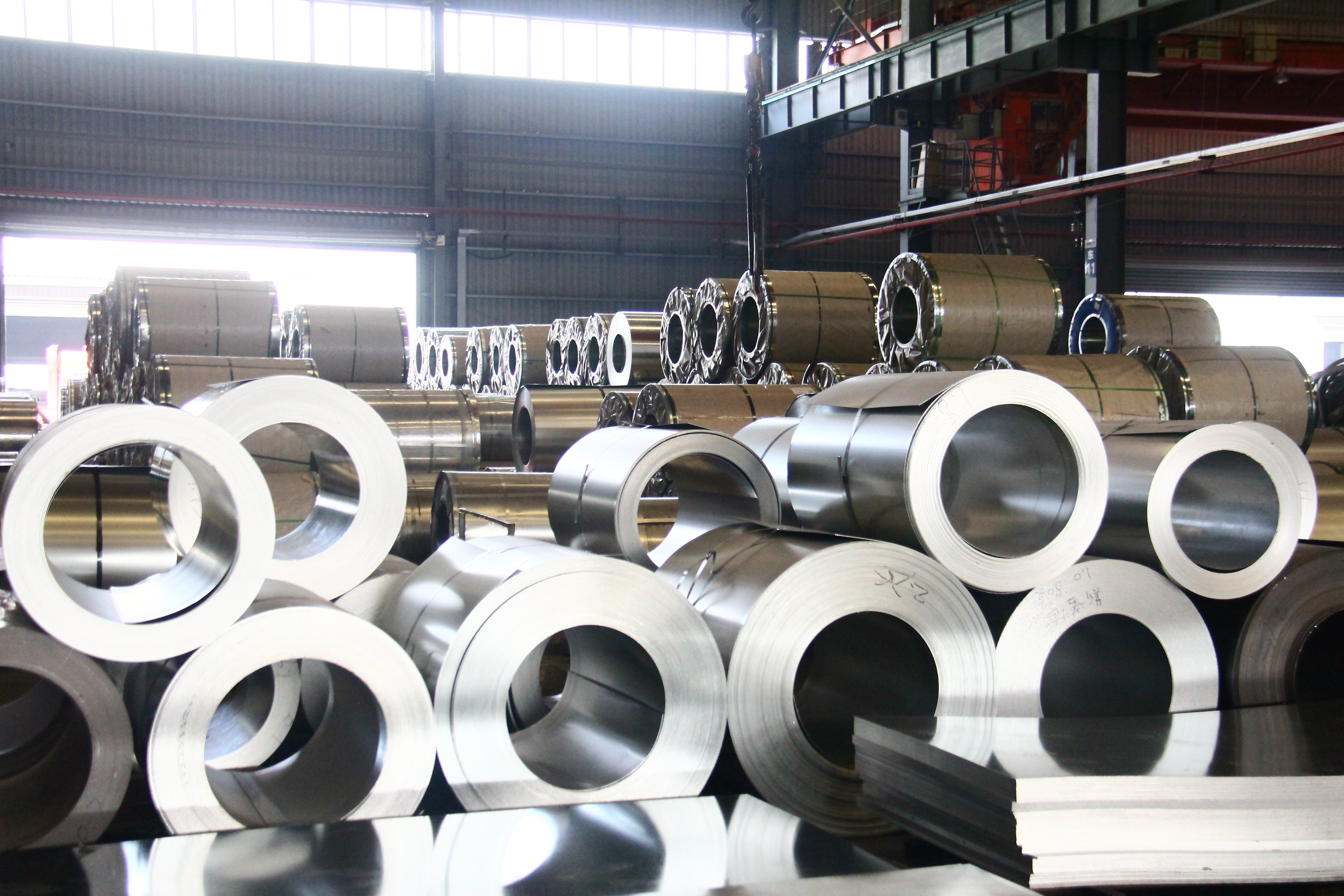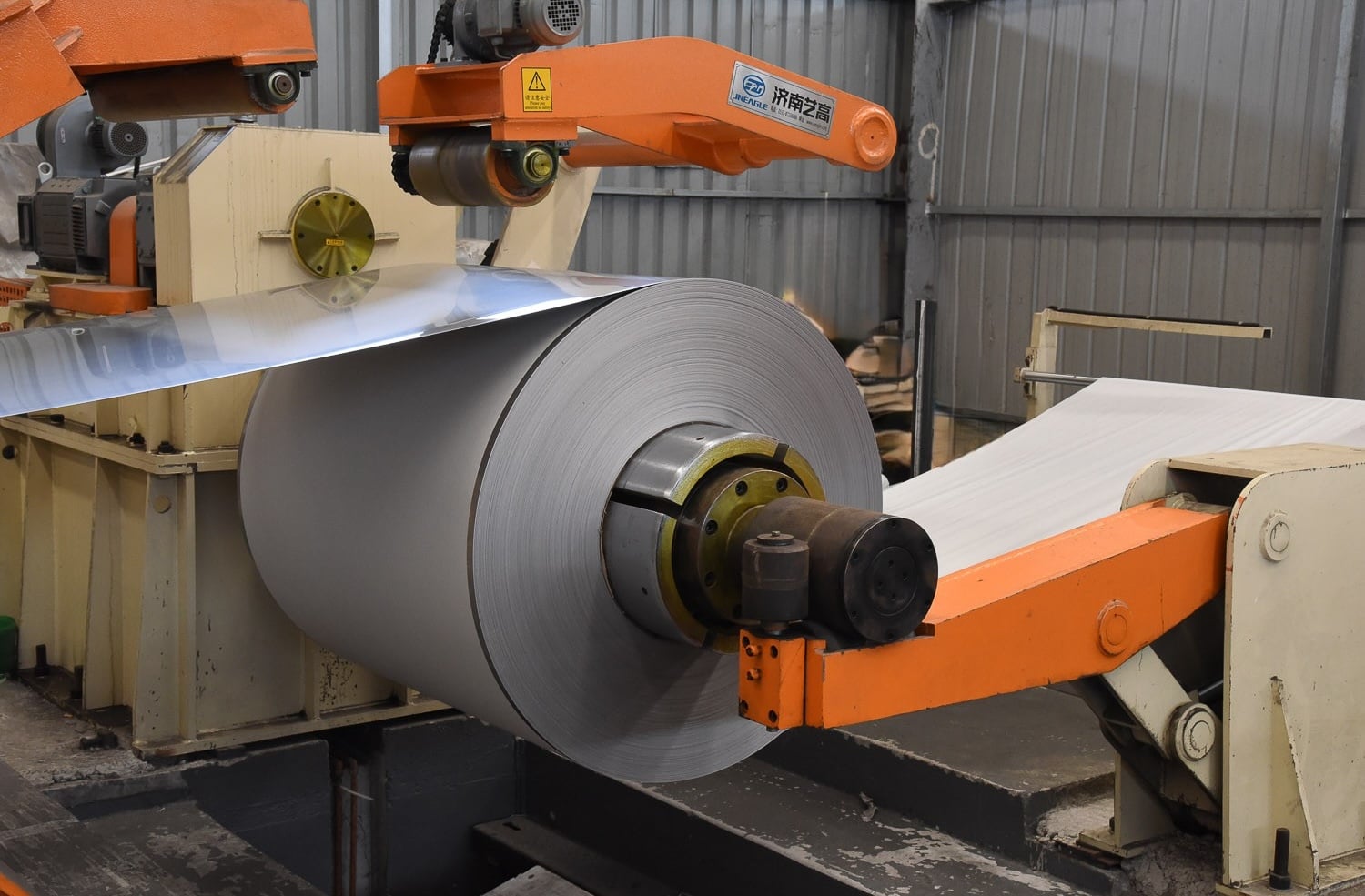
Sheet metal roofing is a durable and practical roofing solution used in industrial, commercial, agricultural, and modular building projects. Compared with many traditional roofing materials, sheet metal roofing offers strong weather resistance, relatively light weight, fast installation, easy maintenance, and good recyclability. It is commonly used for factories, warehouses, workshops, logistics centers, farm buildings, carports, temporary structures, and large-span steel buildings.
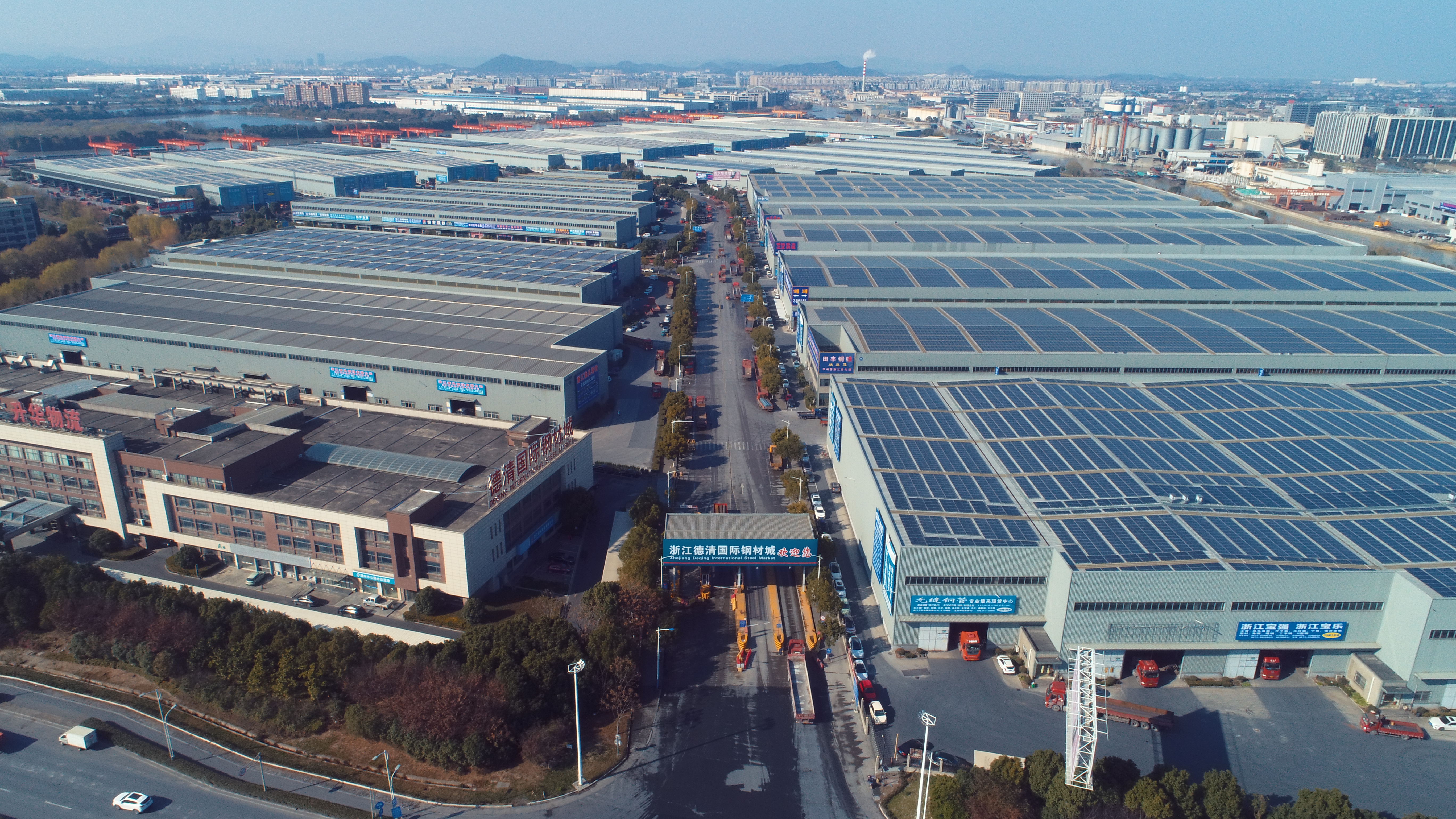
Zhejiang Deqing International Steel Market provides integrated sourcing support for sheet metal roofing materials and related steel components. Our platform combines verified vendors, large spot inventory, warehousing, processing resources, packing, customs declaration, and logistics delivery. Instead of purchasing roofing sheets, coils, structural sections, and accessories from multiple suppliers, buyers can coordinate sheet metal roofing procurement through one steel trading and service platform.
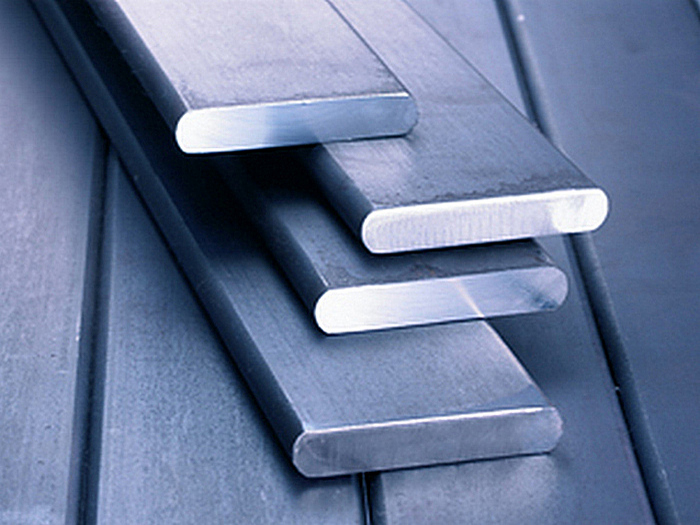
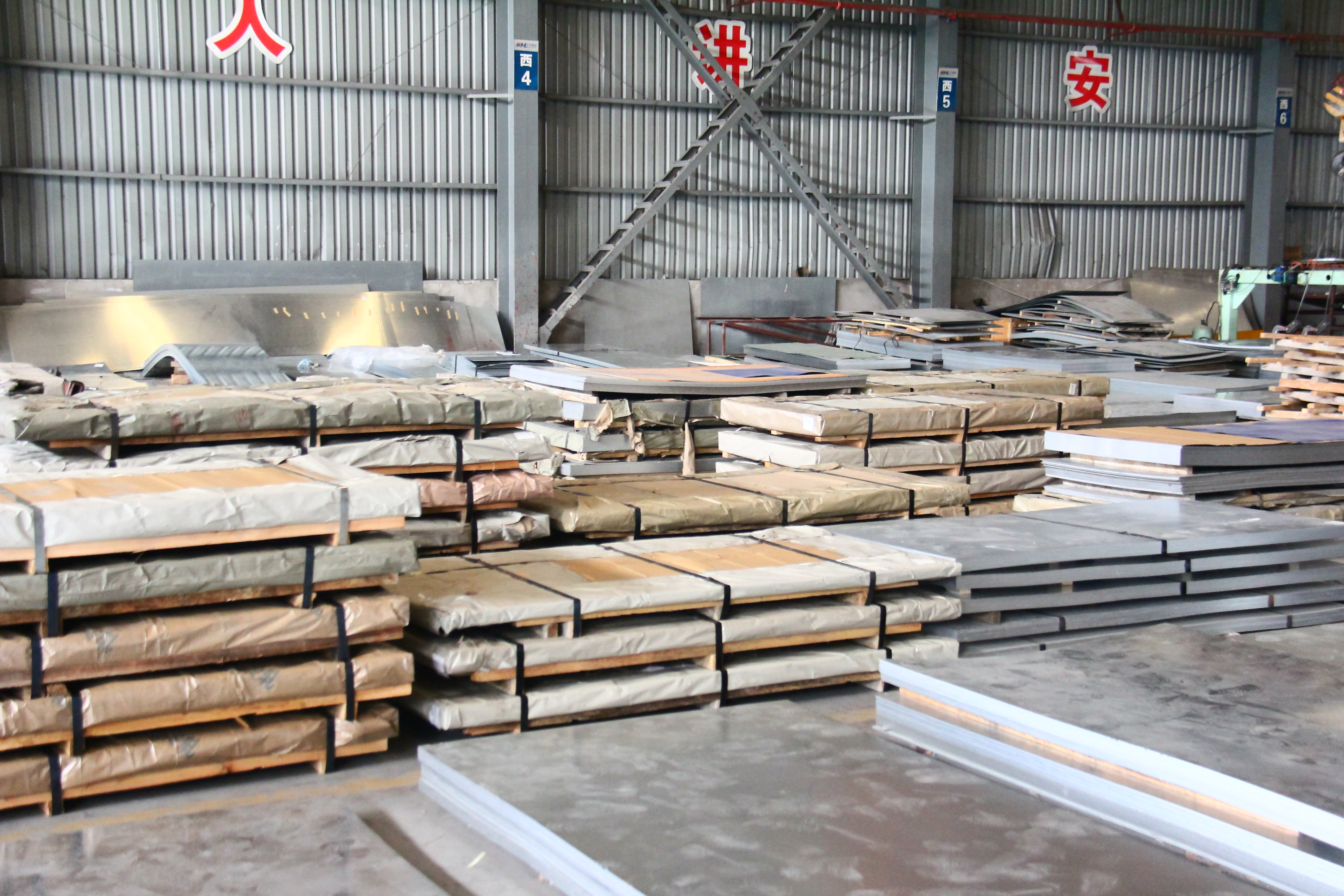
Material selection is the first step in sheet metal roofing planning. Galvanized steel is widely used because the zinc coating helps improve corrosion resistance. Color-coated steel is popular for sheet metal roofing where appearance, weather resistance, and color consistency are important. Aluminum sheet may be selected for lightweight roof structures or environments where corrosion resistance and reduced weight matter. Stainless steel sheet can be used for special sheet metal roofing applications that require stronger durability or a cleaner surface.
Thickness, coating weight, surface finish, and panel profile all affect sheet metal roofing performance. Thinner materials may reduce weight and cost but require suitable support spacing. Thicker sheet metal roofing materials can provide higher rigidity but may increase transportation and installation requirements. Coating type also matters. For outdoor roofing, buyers should consider corrosion conditions, rainfall, sun exposure, industrial pollution, and expected service environment before confirming specifications.
Sheet metal roofing is not only a flat metal sheet. A complete roofing supply plan may include coils or sheets, formed panels, ridge caps, flashing, gutters, trims, fasteners, sealing accessories, purlins, brackets, and structural support materials. If these components are not planned together, installation may face delays, mismatched dimensions, or additional site cutting. Our platform helps buyers source sheet metal roofing materials and related metal products with better specification coordination.
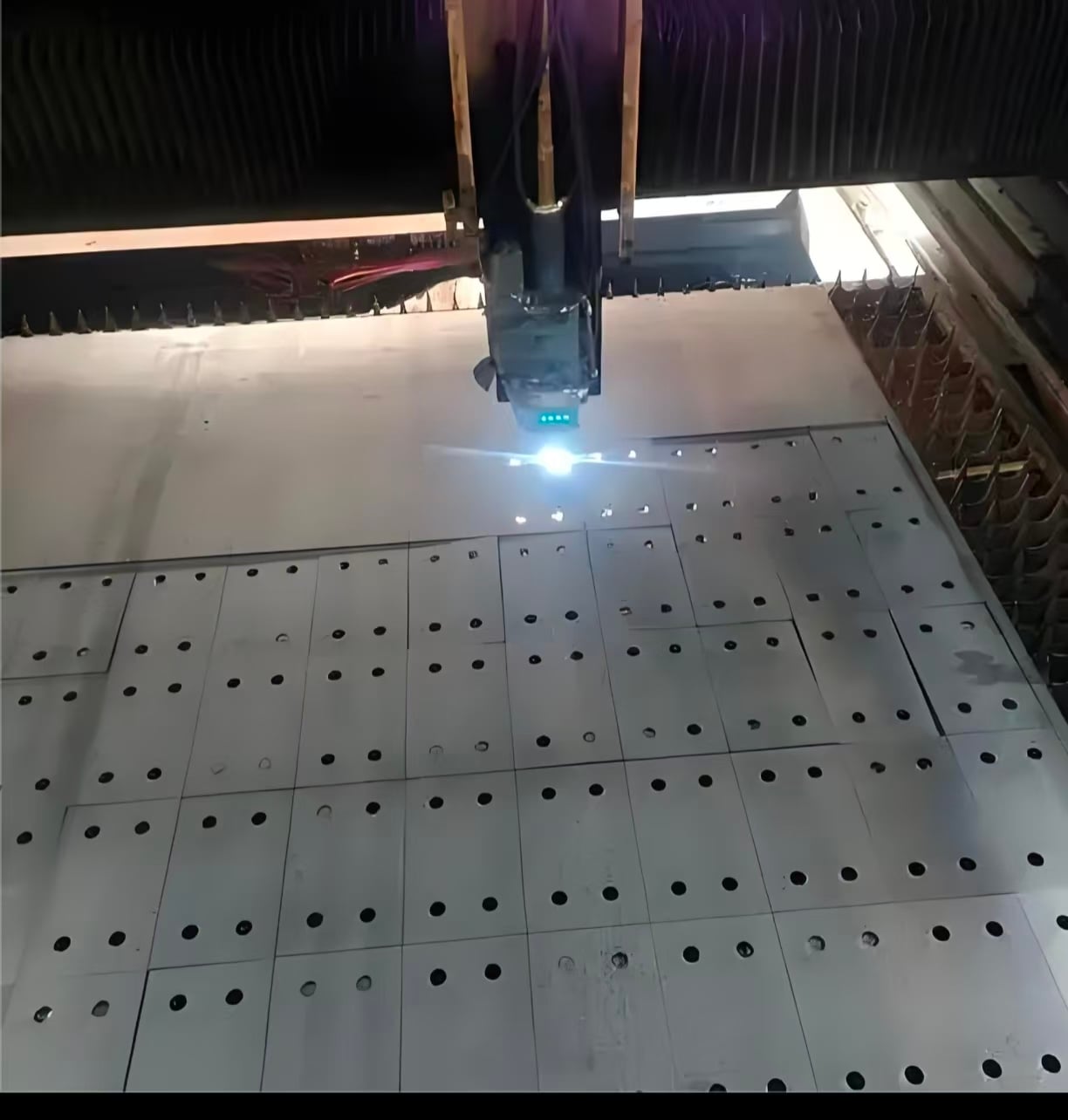
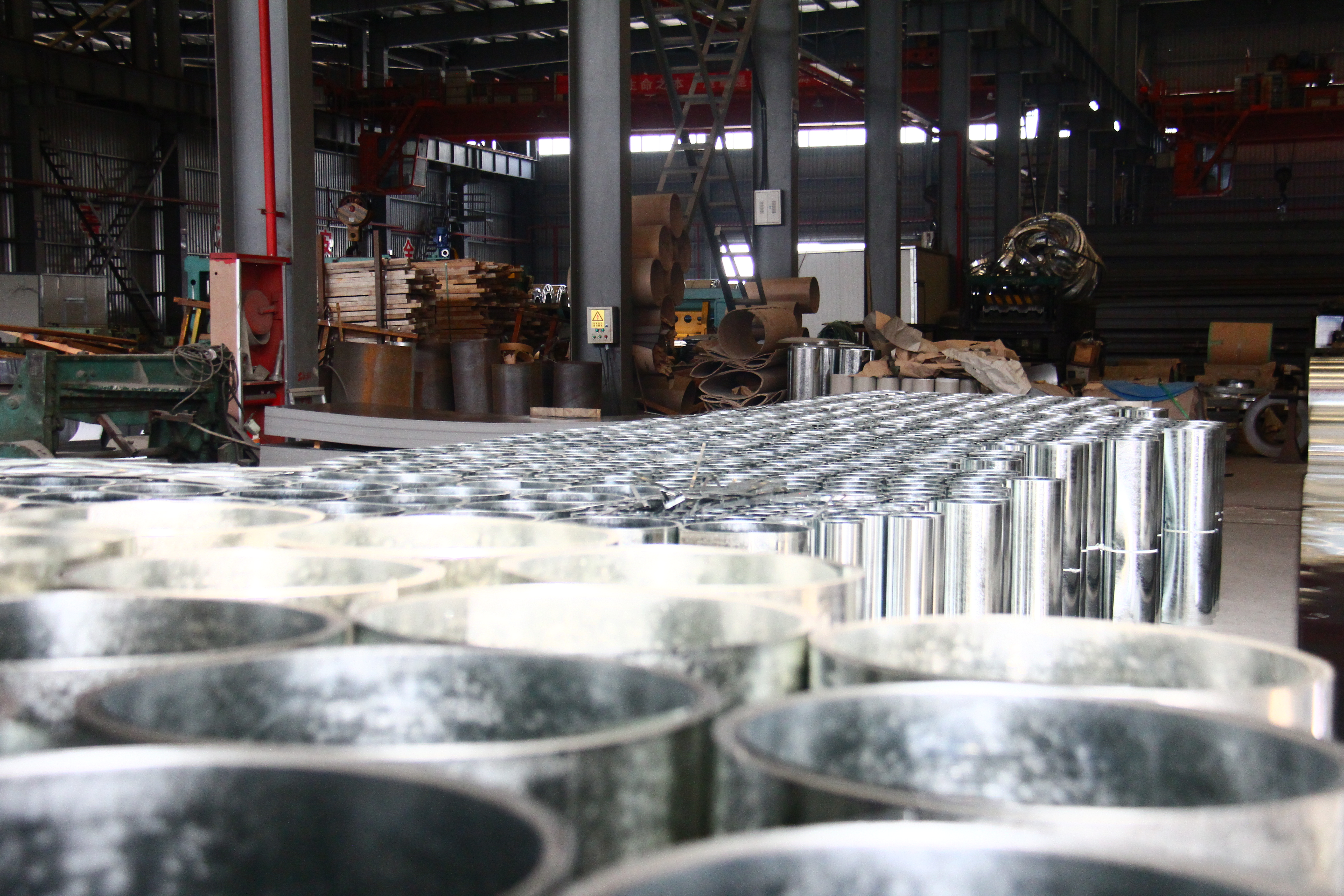
Processing services can improve project efficiency. Sheet metal roofing materials may require coil slitting, shearing, cutting to length, leveling, surface protection, or profile forming coordination before delivery. Some buyers need flat sheets for local profiling, while others need roofing panels prepared closer to installation size. Zhejiang Deqing International Steel Market supports processing categories such as metal shearing, coil slitting, cutting, surface treatment, straightening, leveling, galvanizing, coating, and fabrication coordination.
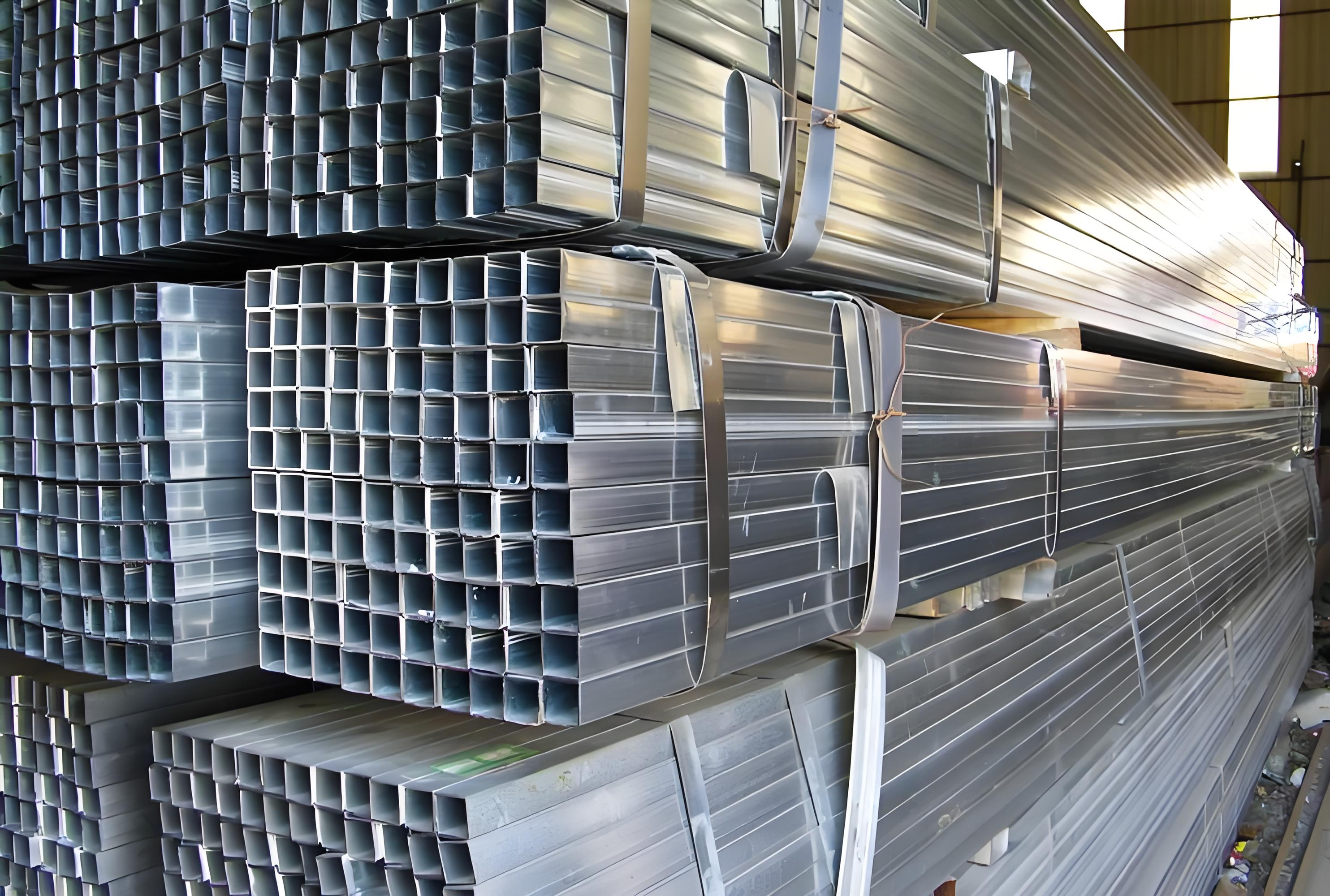
For example, a warehouse contractor may need galvanized sheet metal roofing panels with matching trims and fasteners. A farm building supplier may need color-coated sheet metal roofing materials for repeated projects. A modular construction buyer may prefer pre-cut sheets and lightweight aluminum roofing materials for easier transport. A factory expansion project may require sheet metal roofing together with steel purlins, structural tubes, and fittings in one shipment.
When purchasing sheet metal roofing, buyers should confirm several key details: base metal type, grade, thickness, coating weight, paint system, color, sheet width, panel profile, length, surface protection, tolerance, packing method, and delivery schedule. If the roofing sheets will be exposed to coastal or industrial environments, corrosion resistance should be reviewed carefully. If the building requires thermal insulation or noise control, sheet metal roofing may need to be combined with insulation layers or composite roofing systems supplied by specialized building system providers.
Export packing is also important. Sheet metal roofing materials can be long, thin, and surface-sensitive. Improper packing may cause scratches, edge damage, deformation, or water exposure during transportation. Our platform can help coordinate waterproof wrapping, pallet support, edge protection, bundle marking, container loading, and cargo consolidation. This is useful for international buyers who need sheet metal roofing materials delivered safely and in organized batches.
Located in Deqing, Zhejiang, in the Yangtze River Delta, Zhejiang Deqing International Steel Market benefits from strong supply chain resources and logistics connectivity. The market is supported by large warehouse capacity, 300+ verified vendors, 50+ product categories, and access to river-sea intermodal transport routes connected with major ports such as Shanghai Yangshan Port and Ningbo-Zhoushan Port. This helps global buyers manage sheet metal roofing orders more efficiently.
Before placing an order, buyers can provide drawings, roofing layout, material specification, coating requirement, profile design, quantity, packing standard, and destination port. If the project is still in the planning stage, our team can help compare galvanized steel, color-coated steel, aluminum, and stainless steel options for sheet metal roofing based on budget, durability, appearance, and delivery needs.
A reliable sheet metal roofing solution depends on coordinated material supply, processing accuracy, surface protection, accessory matching, packing, and logistics. Zhejiang Deqing International Steel Market helps contractors, distributors, fabricators, and building material suppliers source sheet metal roofing materials from China with lower coordination risk and stronger supply chain support.
 EN
EN