 EN
EN


When buyers search for steel pipe, the first question is often the price. The more important question is whether the selected pipe manufacturing route fits the project’s pressure, diameter, wall thickness, length, application, standard, and delivery requirements.
Seamless, ERW, LSAW, and SSAW pipes are not interchangeable simply because they may have similar dimensions. They are produced through different processes and are commonly considered for different applications. A reliable sourcing decision starts by defining the service requirement, then comparing the available pipe types against that requirement.
This guide provides a practical framework for global buyers evaluating seamless, Electric Resistance Welded (ERW), Longitudinal Submerged Arc Welded (LSAW), and Spiral Submerged Arc Welded (SSAW) pipe.
Before comparing pipe types, buyers should define how the pipe will be used. The same project may contain several pipe applications, and each application can require a different combination of material, manufacturing route, standard, inspection, coating, and connection method.
The initial sourcing brief should clearly identify:
Without this information, a comparison between seamless and welded pipe is likely to become a general opinion rather than a professional procurement decision.
Seamless pipe is produced without a longitudinal welded seam. A solid steel billet is pierced and then processed into a tubular form through controlled forming and sizing operations.
Buyers typically consider seamless pipe when the application places particular emphasis on high-pressure service, high-temperature environments, demanding mechanical conditions, or the strict requirement for the absence of a welded seam. Typical sourcing discussions involve boilers, pressure equipment, oil and gas applications, and heavy mechanical engineering.
However, “seamless” does not automatically mean that a pipe is suitable for every high-pressure application. The buyer still needs to confirm the grade, dimensions, standard, and testing requirements.
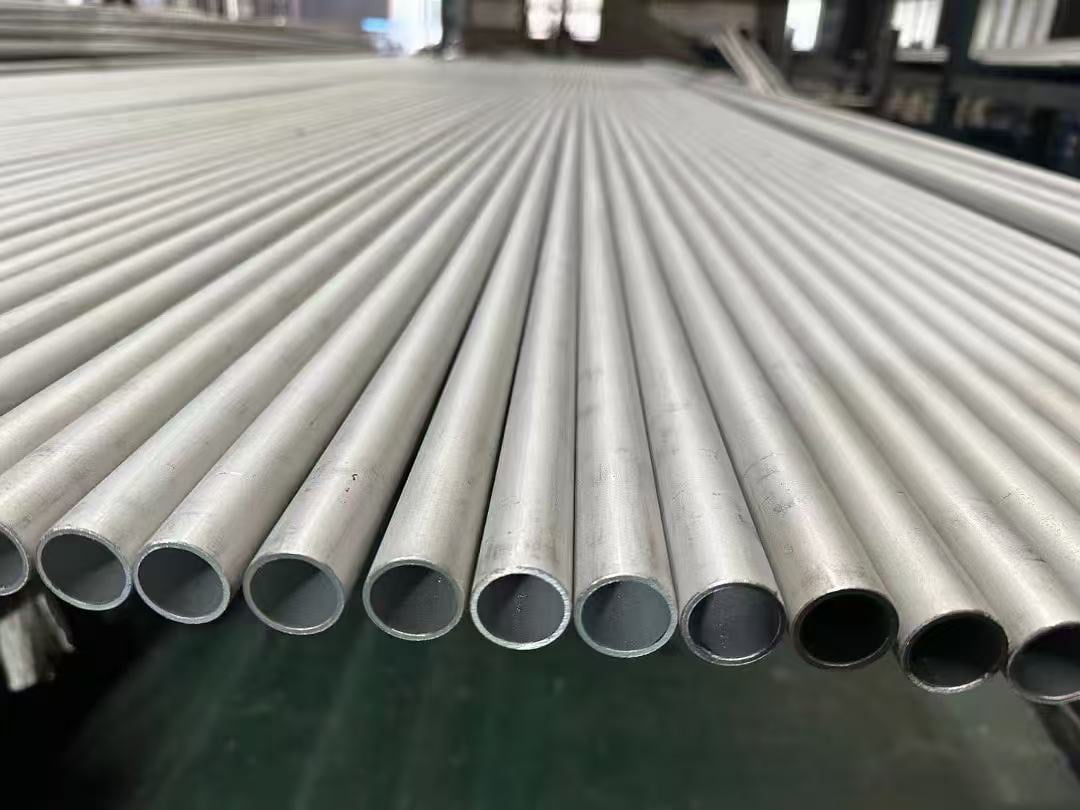
Questions to clarify for seamless pipe:
ERW stands for Electric Resistance Welded. In the ERW process, a steel strip or coil is formed into a cylindrical shape, and the edges are joined by electrical resistance welding.
ERW pipe is commonly considered for water transmission, structural applications, general engineering, and mechanical uses where the applicable specification and operating conditions are suitable. It provides a highly efficient manufacturing route for a wide range of commonly used sizes.
The quality of an ERW pipe should not be judged solely by the fact that it is welded. Buyers must review the applicable standard, weld quality controls, dimensional tolerances, and testing requirements.
Questions to clarify for ERW pipe:
LSAW stands for Longitudinal Submerged Arc Welded. LSAW pipe is formed from heavy steel plate, with the longitudinal seam welded using the submerged arc welding process.
Because it is made from plate, LSAW is often the go-to choice for large-diameter and heavy-wall pipe requirements. It is highly relevant to water transmission, structural projects, piling, offshore oil and gas infrastructure, and other large-scale applications.
The key point for buyers is that LSAW selection is usually dictated by project size, diameter, wall thickness, and testing requirements—not simply a preference for one welding method.
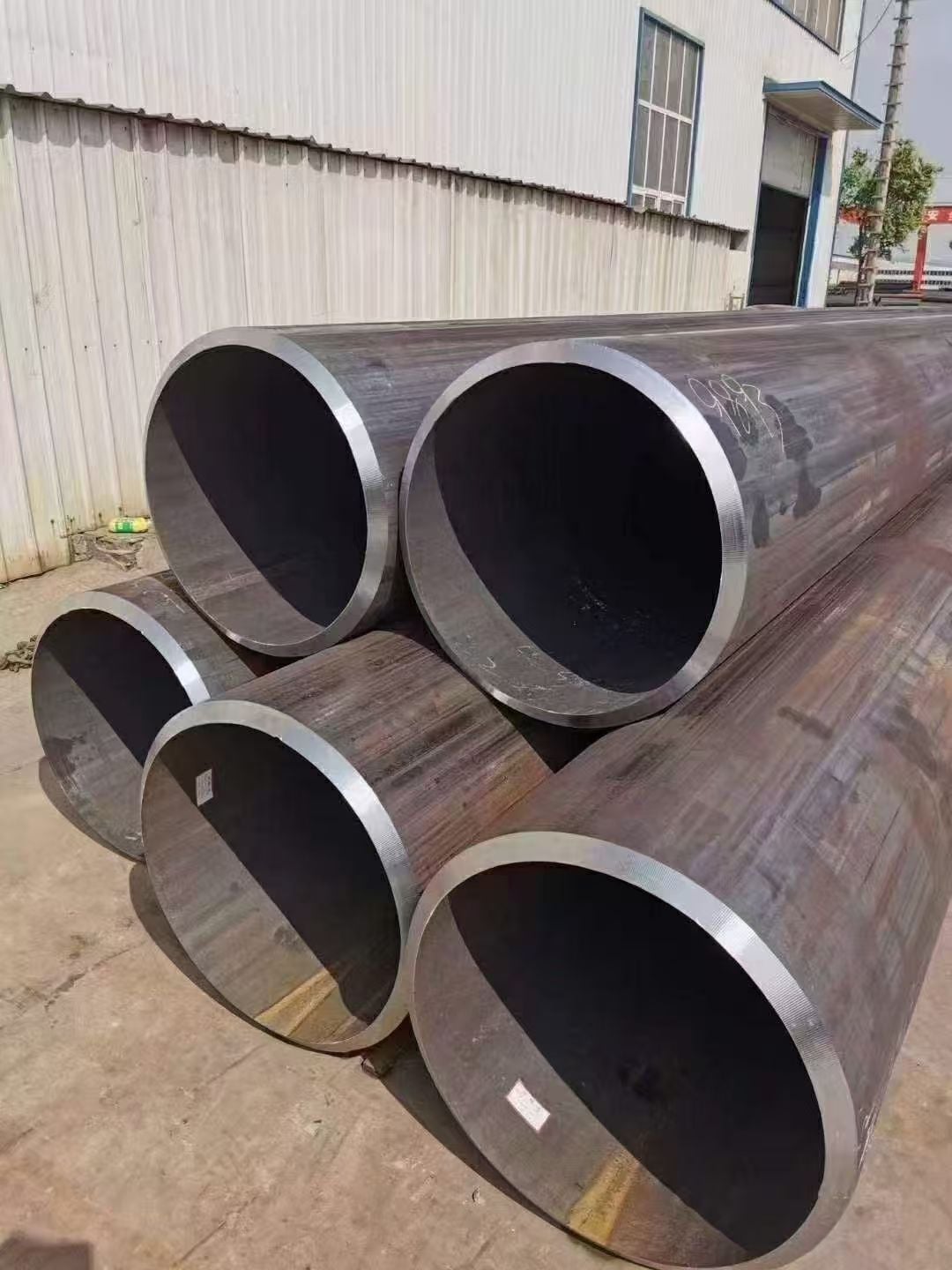
Questions to clarify for LSAW pipe:
SSAW stands for Spiral Submerged Arc Welded. SSAW pipe is produced by forming steel strip or coil into a spiral shape and welding the helical seam.
SSAW pipe is widely considered for large-diameter, cost-effective applications such as water transmission, piling, structural work, and certain infrastructure projects where the applicable specification permits spiral-welded construction.
For SSAW pipe, buyers must pay close attention to dimensional control, weld testing, coating, and the project’s acceptance requirements.
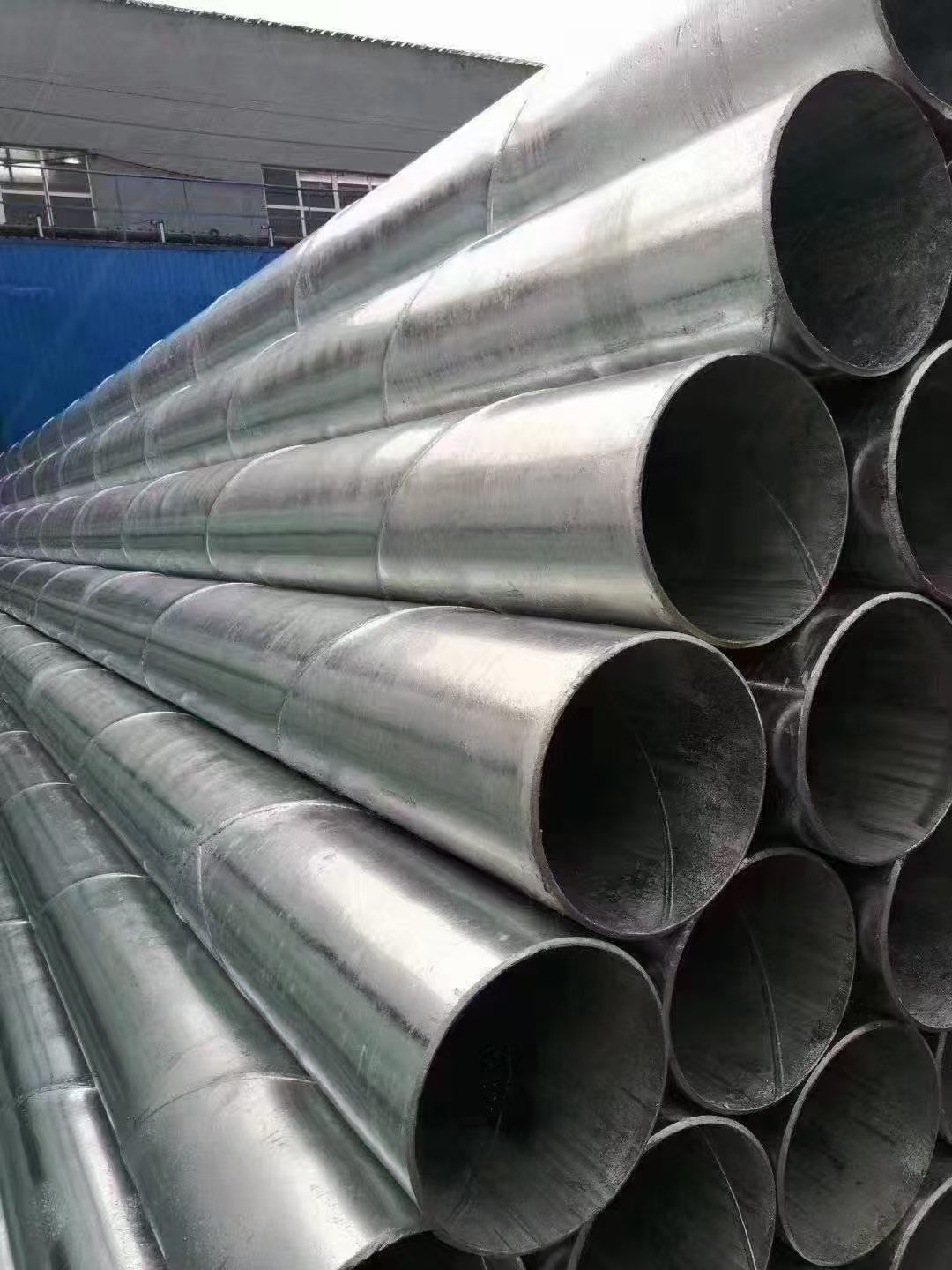
Questions to clarify for SSAW pipe:
The following table provides a practical starting point for comparison. (Note: It is not a substitute for the governing project standard or engineering approval).
|
Pipe Type |
Main Manufacturing Route |
Common Buyer Considerations |
Typical Sourcing Question |
|
Seamless |
Solid billet is pierced and processed into a tube without a longitudinal weld. |
Pressure, temperature, grade, heat treatment, testing, and dimensional availability. |
Does the service require a seamless route, or is a qualified welded option acceptable? |
|
ERW |
Strip or coil is formed and resistance-welded along the longitudinal seam. |
Size range, weld quality, wall thickness, testing, and general engineering/structural use. |
Does the applicable standard cover ERW for this specific service and size? |
|
LSAW |
Heavy plate is formed and welded along a longitudinal seam using submerged arc welding. |
Large diameter, heavy wall, plate grade, strict weld inspection, and major project requirements. |
Is the pipe size and pressure service better matched to a plate-formed, longitudinally welded route? |
|
SSAW |
Strip or coil is formed and welded along a spiral (helical) seam. |
Large diameter, infrastructure/piling use, weld testing, coating, and acceptance criteria. |
Does the project permit SSAW construction and define the required inspection level? |
Pipe selection is rarely an isolated purchasing event. A project often requires structural steel, steel plates, matched fittings, valves, coating services, and fabricated components alongside the pipe order.
Zhejiang Deqing Steel Market is positioned as a comprehensive, enterprise-backed steel and metal sourcing platform. Spanning 550,000 square meters with vast ready-to-ship inventory, its ecosystem connects carbon steel, stainless steel, pipe fittings, and processing services in one hub.
When buyers need to compare pipe options together with related materials, processing (like cutting and coating), and complex shipment logistics (leveraging our owned wharf and direct port access), a platform-based sourcing environment becomes incredibly efficient.
Disclaimer: The platform is not a replacement for your engineering approval or technical inspection. Its practical value is helping buyers organize a broader sourcing request and connect pipe requirements with reliable merchants and logistics support.
When requesting quotations, always include:
Seamless, ERW, LSAW, and SSAW pipes each serve a specific purpose in global steel procurement. The correct choice depends entirely on service conditions, dimensions, applicable standards, testing, and delivery requirements.
The best sourcing process begins with a complete technical brief, followed by comparing manufacturing routes, processing needs, matched fittings, and total delivery logistics.
For global buyers, a connected steel sourcing platform can drastically simplify procurement when a pipe order is part of a larger, multi-material project. The final decision, however, should always be based on your project specification and verified order documentation—not on the pipe name or the lowest price alone.
Are you preparing a complex pipe and fitting procurement list? [Contact our team today / Submit your RFQ] to see how our integrated steel hub can streamline your sourcing, processing, and global delivery.



Zhejiang Deqing Steel Market Co.,Ltd
浙江德清国际钢材城
Deqing International Steel Market is China's leading B2B steel marketplace, connecting global buyers with 300+ verified merchants for reliable, one-stop steel sourcing solutions.
Copyright © Zhejiang Deqing Steel Market Co.,Ltd Privacy Policy