 EN


Custom sheet metal work does not begin when a laser starts cutting. It begins with a material and design decision that determines how the part can be cut, formed, joined, finished, inspected, and delivered.
For buyers, this is why a processing quotation should not be based on a drawing alone. The drawing must be considered together with the material grade, thickness, sheet or coil form, tolerances, quantity, surface condition, downstream assembly, and delivery requirements.
Zhejiang Deqing Steel Market Co., Ltd. connects buyers with a market ecosystem covering carbon and low alloy steel, stainless steel, aluminum and aluminum alloys, copper, fittings, and processing services. The market’s listed processing categories include shearing and coil slitting, metal fabrication and processing, welding and fabrication, galvanizing and surface coating, surface treatment, metal stamping, straightening and leveling, and metal cutting.
These resources can support different routes from raw material to custom-fabricated parts. The exact route and capability still depend on the selected merchant, equipment, drawing, and order requirements. A disciplined sourcing process helps the buyer match the part to the right material and processing partner.
The first step is to understand what the part must do. A bracket, enclosure, panel, cover, frame, duct, or machine component may look similar in a catalogue but require different material and processing decisions.
The buyer should clarify:
If the application is not clear, a processor may quote a technically workable shape that does not perform as required in service. Material selection is therefore an engineering input, not simply a price comparison.
Sheet metal may be supplied as sheet, plate, or coil, and the choice affects both processing and logistics.
Sheet and plate
Individual sheets or plates can be convenient for low-volume work, thick sections, large blanks, or parts that require controlled orientation. Buyers should specify thickness, width, length, grade, standard, surface condition, and flatness where relevant.
Coil
Coil can be useful for higher-volume operations, slitting, leveling, stamping, or continuous processing. Coil sourcing requires additional information such as coil width, inside and outside diameter, unit weight, winding direction, edge condition, and the required slit widths.
Stainless steel, aluminum, and copper
Stainless steel may be selected for corrosion resistance or appearance; aluminum for low weight, formability, or conductivity; and copper for electrical or thermal applications. These general advantages do not eliminate grade selection. For example, different stainless, aluminum, or copper grades can behave differently during bending, welding, or surface treatment.
The buyer should provide the required standard or grade rather than relying on a generic term such as “stainless sheet” or “aluminum plate.”
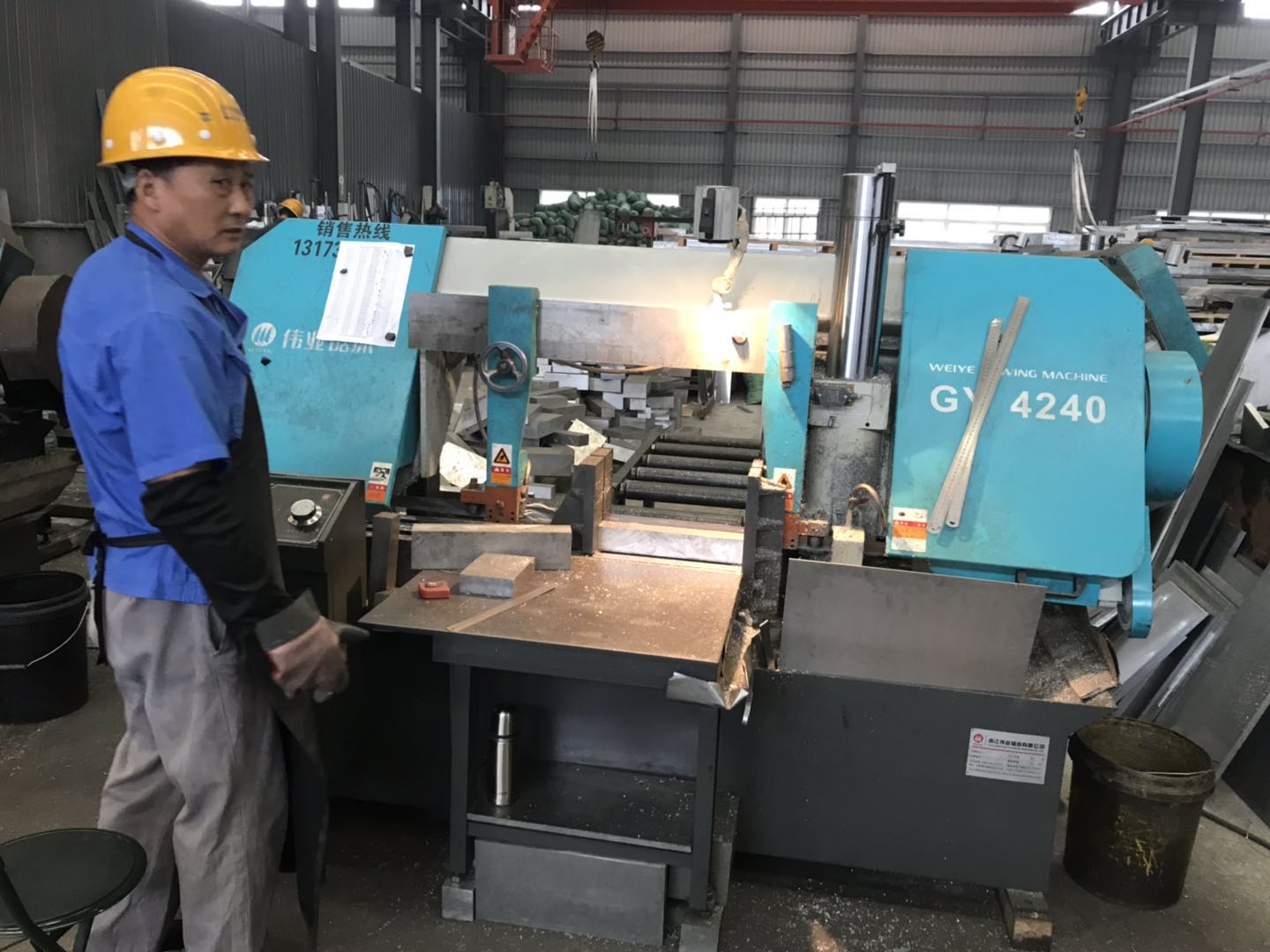
Cutting converts sheet, plate, or coil into a usable blank. The right method depends on material, thickness, edge quality, geometry, quantity, and downstream operations.
Shearing and coil slitting
Shearing is often suitable for straight cuts on sheet or plate. Coil slitting divides a wider coil into narrower strips and can support later forming, stamping, or fabrication. Buyers should confirm width tolerance, edge condition, burr expectations, camber, and whether leveling is needed after slitting.
Laser and other profile cutting
Profile cutting can produce complex contours, holes, and internal features. It may reduce the need for dedicated tooling for prototypes or varied part families. The quotation should clarify kerf-related tolerances, minimum feature size, heat-affected areas, edge condition, and whether secondary deburring is included.
Conventional cutting
For simple geometries or selected thicknesses, other cutting methods may be more economical or practical. The important comparison is not “laser versus conventional” in isolation. It is the total route required to achieve the finished part, including setup, secondary finishing, quantity, and tolerance.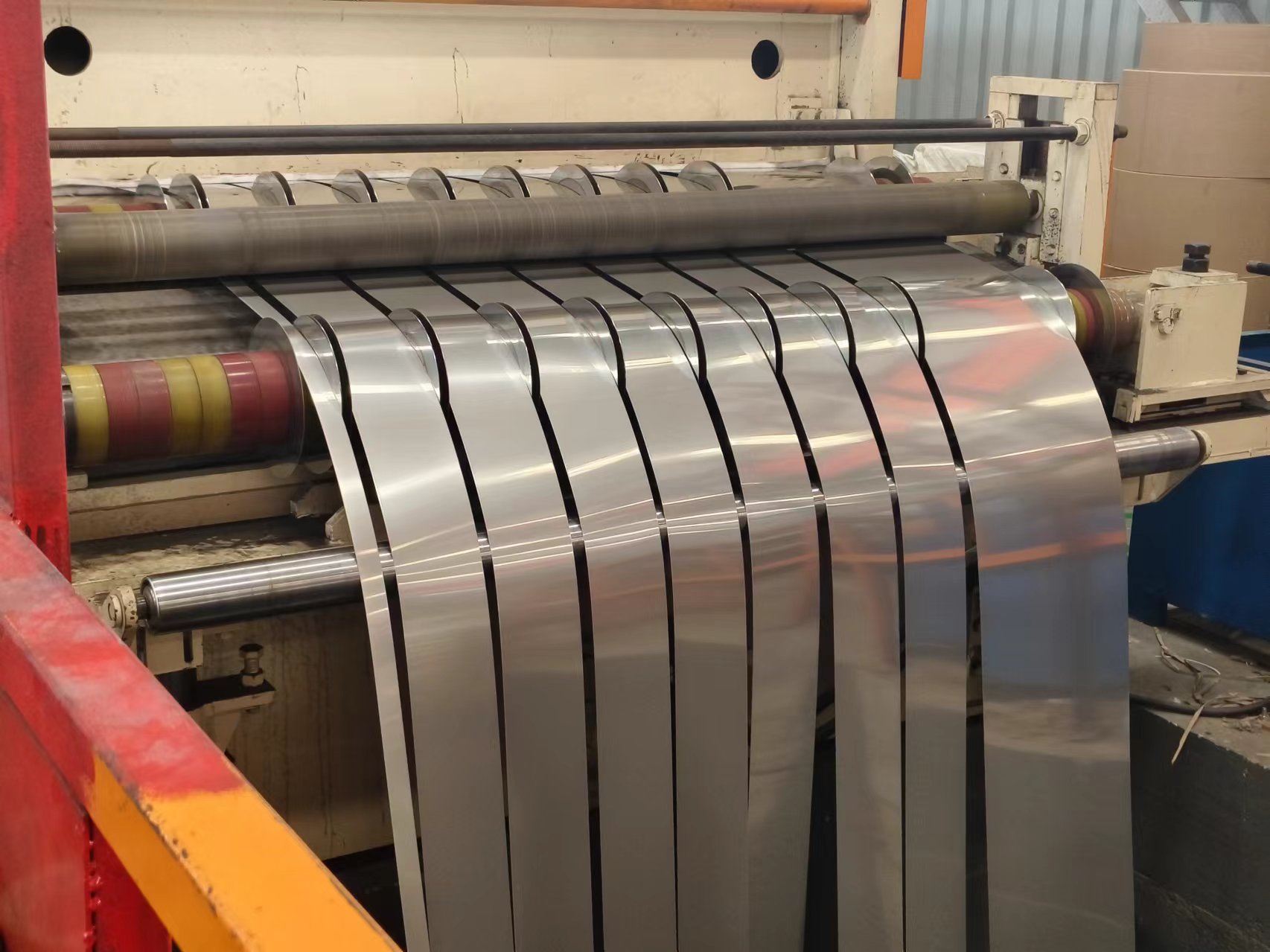
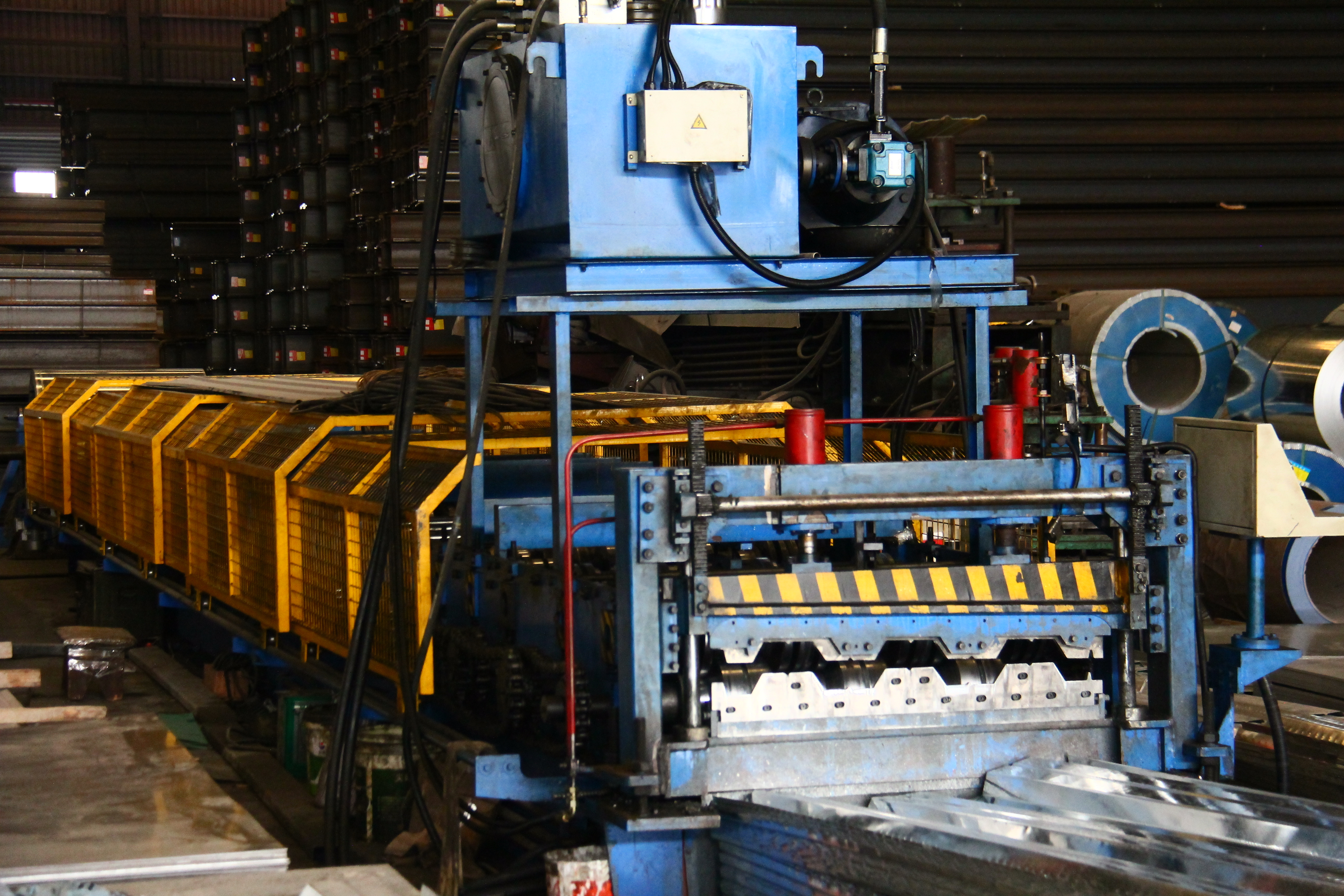
After cutting, many parts require forming. Bending can create channels, angles, boxes, covers, frames, and other three-dimensional shapes. Stamping can produce repeatable parts at higher volumes when the design and tooling are suitable.
The buyer should provide the inside bend radius, bend angles, bend sequence if critical, grain direction where relevant, and the acceptable dimensional deviation. Springback, cracking, distortion, and surface marking can vary with grade, temper, thickness, and tool selection.
For stamped parts, the buyer should also discuss:
A low piece price may not represent the best option if tooling, setup, scrap, and later correction costs are excluded.
Welding turns cut and formed pieces into assemblies, frames, enclosures, or simple mechanical products. The fabrication route should be defined by the drawing and application rather than by a general request for “welding.”
The buyer should clarify:
Stainless steel, aluminum, copper, and carbon steel may require different welding considerations. Compatibility between base material, filler, cleaning method, and final surface finish should be reviewed before fabrication begins.
Surface treatment can serve functional, environmental, or appearance requirements. Depending on the application, the route may involve galvanizing, coating, cleaning, polishing, passivation, painting, or another specified treatment.
For galvanized or coated parts, buyers should define the applicable standard, coating type, target thickness or mass where required, coverage, appearance, repair method, and areas that must remain uncoated for assembly. For stainless parts, surface condition and post-weld cleaning may be as important as the base grade. For painted or coated assemblies, color, gloss, pretreatment, and packaging should be specified.
Surface treatment is not a substitute for material selection. A coating can improve protection, but the substrate, joint design, drainage, handling, and service environment still influence performance.
Inspection should be planned before production, especially for custom parts. The inspection plan may include material identification, dimensions, flatness, hole position, bend angle, weld appearance, coating checks, and functional fit.
The buyer should state which records are required and which characteristics are critical. If a part must fit an existing assembly, provide mating dimensions, reference samples, or an inspection drawing where possible.
Identification and packaging also matter. Small fabricated components may need part numbers, batch marks, orientation labels, separators, corrosion protection, or palletization. Large panels and frames may require lifting points, edge protection, and a loading sequence that prevents deformation during transport.
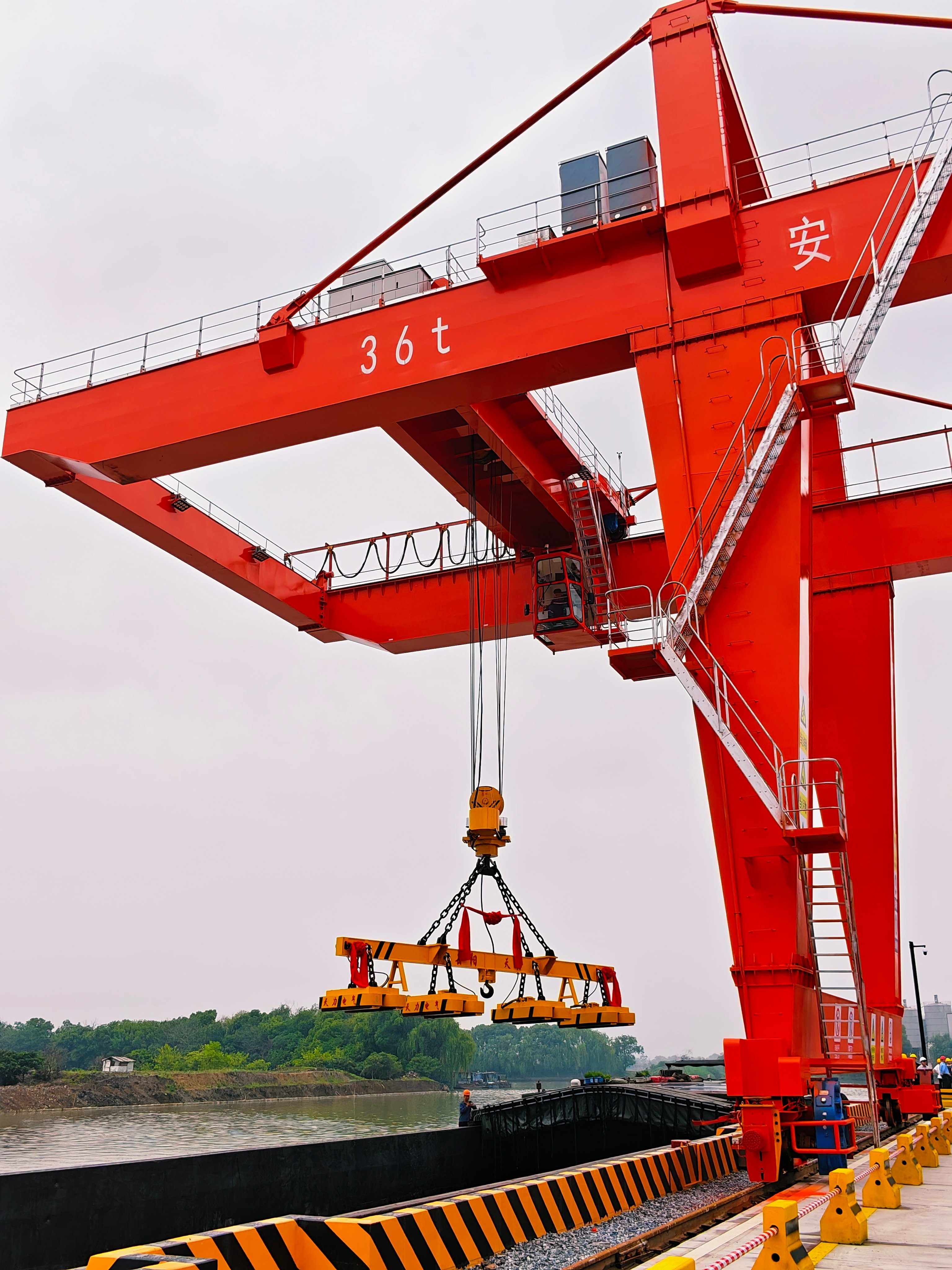
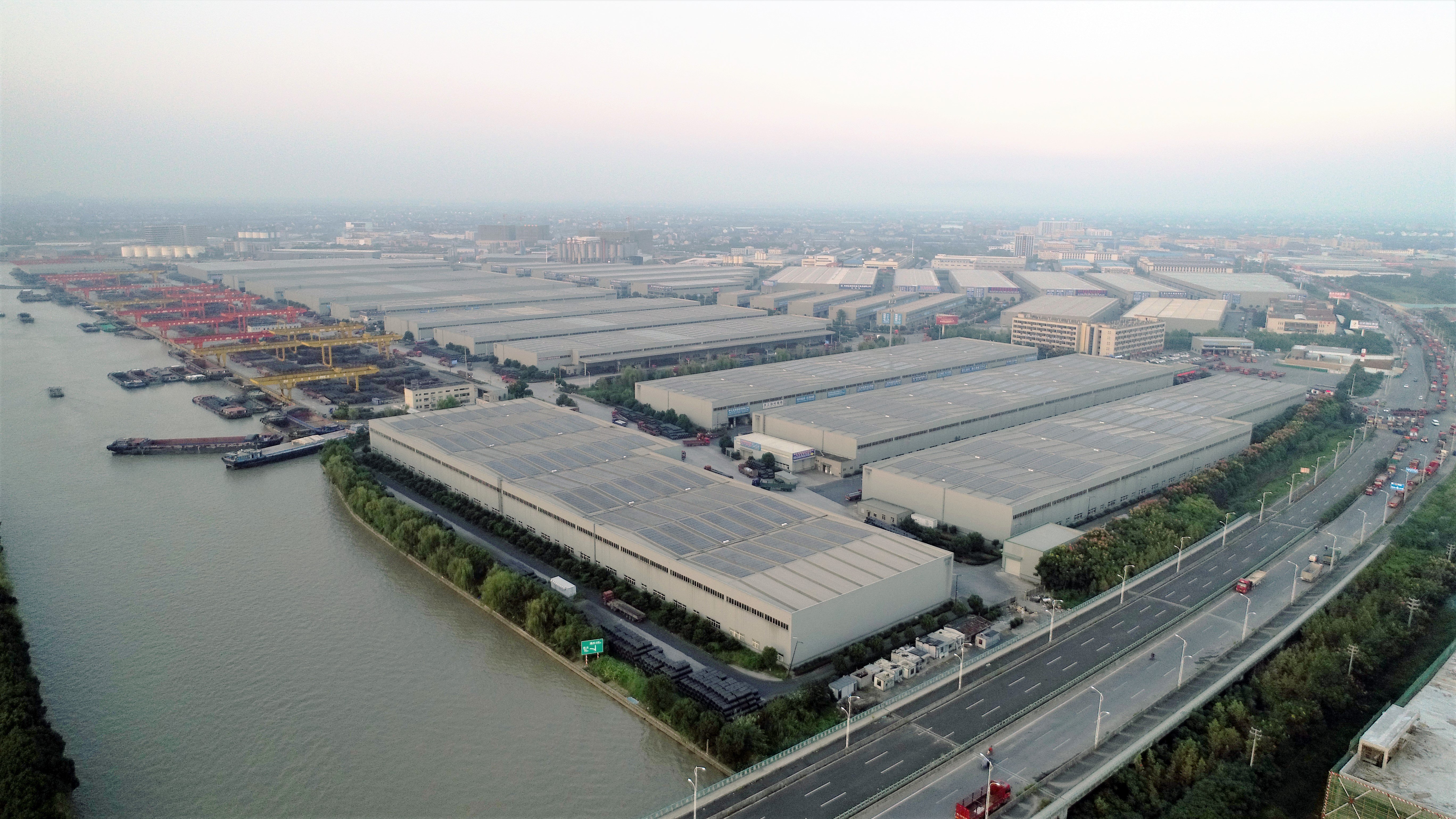
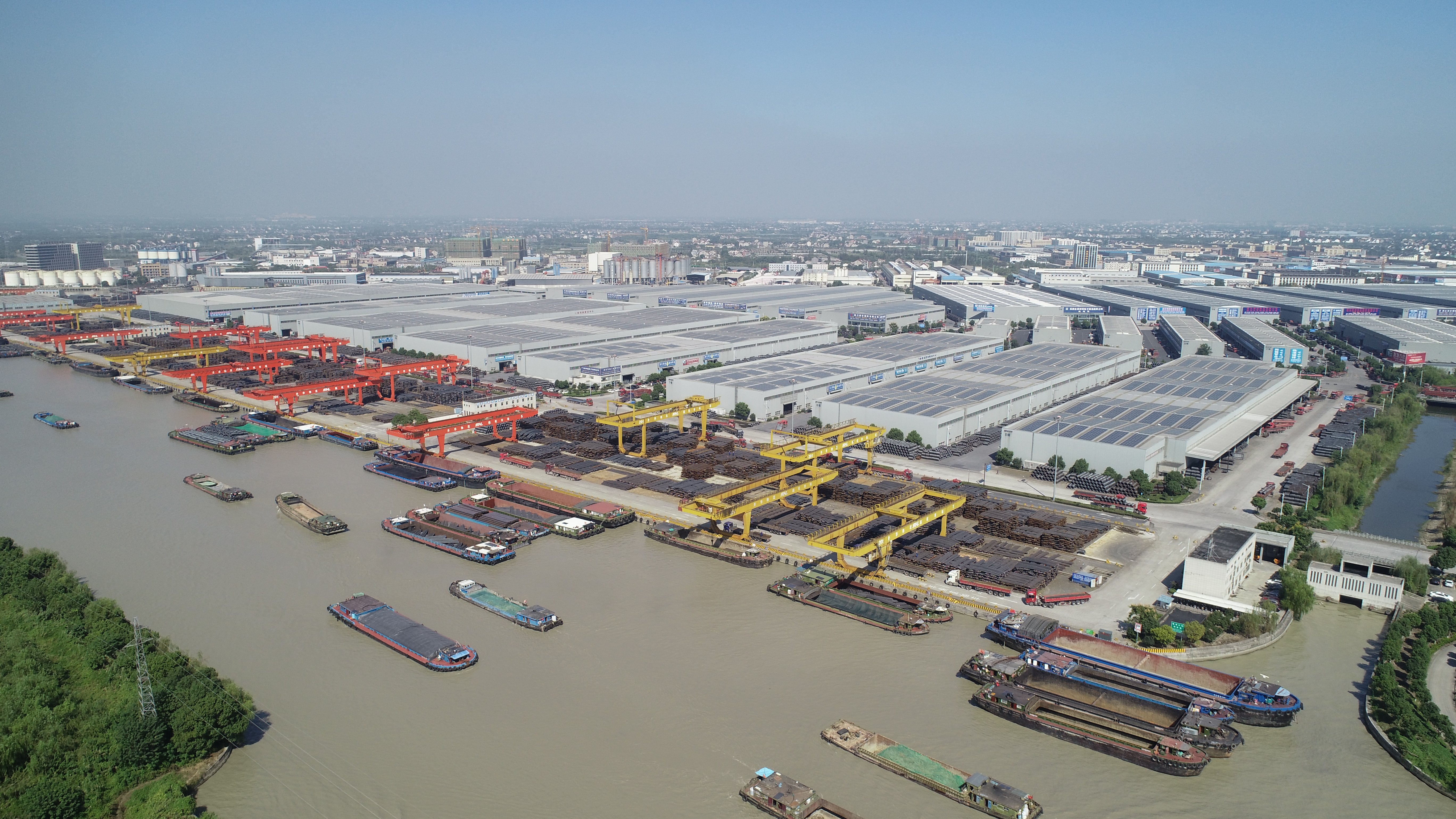
The market environment includes warehouses, road access, an owned wharf, inland waterway logistics, and container loading support. These conditions may help coordinate consolidation and export preparation, but the buyer should confirm the actual packaging, loading method, shipment responsibility, and destination requirements for each order.
An effective sheet metal processing inquiry can include the following information:
|
RFQ Item |
What to Provide |
|
Drawing |
2D/3D file, revision, units, critical dimensions |
|
Material |
Grade, standard, thickness, temper, surface condition |
|
Blank form |
Sheet, plate, coil, strip, or supplied component |
|
Cutting |
Profile, holes, edge quality, burr limits |
|
Forming |
Bend angles, radii, sequence, flatness |
|
Joining |
Weld type, locations, finish, inspection |
|
Surface |
Galvanizing, coating, cleaning, polishing, or other treatment |
|
Quantity |
Prototype, batch size, annual demand, repeat pattern |
|
Quality |
Tolerances, inspection points, records, acceptance criteria |
|
Packing |
Protection, labeling, pallet or container requirements |
|
Delivery |
Destination, target window, shipping and commercial terms |
This information helps a processor distinguish a material-only quotation from a complete fabricated-part quotation.
For a buyer who needs both material and processing, an integrated steel market can simplify the initial coordination. The Deqing market includes merchants focused on distribution, basic processing, and specialty steel or further fabrication. Its product categories span raw materials, fittings, and services such as cutting, slitting, leveling, welding, fabrication, stamping, and coating.
The platform can help the buyer explore which merchant or combination of merchants may fit the order. It can also support a discussion about whether material should be purchased as stock, processed from coil, fabricated into components, or consolidated for shipment.
The buyer should still request an order-specific confirmation covering the selected merchant, equipment and process, material traceability where required, inspection, packaging, commercial terms, and delivery plan. Platform access makes the search broader; it does not make technical review unnecessary.
Successful sheet metal processing follows a connected chain: application, material, blank form, cutting, forming, joining, surface treatment, inspection, and delivery. A decision made at one stage can affect cost, quality, lead time, and performance at every later stage.
For global buyers, the most useful supplier conversation begins with a complete requirement rather than a single keyword. Zhejiang Deqing Steel Market Co., Ltd. provides access to a broad metal product base and a market ecosystem that includes processing and logistics resources. When the drawing, material specification, acceptance criteria, and responsibilities are clearly confirmed, that ecosystem can help turn raw sheet or coil into parts that are ready for the buyer’s next manufacturing step.
Are you ready to turn your designs into custom-fabricated parts? [Contact the Zhejiang Deqing Steel Market team / Submit your 2D/3D drawings and RFQ] today to connect with the right processing partners and material experts.
Zhejiang Deqing Steel Market Co.,Ltd
浙江德清国际钢材城
Deqing International Steel Market is China's leading B2B steel marketplace, connecting global buyers with 300+ verified merchants for reliable, one-stop steel sourcing solutions.
Copyright © Zhejiang Deqing Steel Market Co.,Ltd Privacy Policy