 EN
EN


For a straightforward steel order, choosing a supplier can seem simple: identify the required product, request a quotation, compare the price, and arrange delivery. The decision becomes much more complex when a project involves several steel products, different specifications, fabrication, packaging, and international shipment.
At that point, buyers are no longer choosing only between companies. They are choosing between procurement models.
Should they work with a single-item supplier? Should they source directly from one supplier for every requirement? Or would a one-stop steel platform provide a more efficient way to coordinate products, processing, and delivery?
There is no universal answer. The right choice depends on the order structure, technical requirements, volume, timeline, and the amount of coordination the buyer is prepared to manage. Understanding the difference between the two models is the first step toward making a better sourcing decision.
A single-item supplier focuses on one product family or a relatively narrow range of materials. This may include steel plate, steel pipe, stainless steel products, structural sections, or a specific type of fabricated component.
This model can work well when:
For example, a buyer that regularly purchases one standard steel pipe specification may benefit from a focused supplier relationship. Repeated orders can become efficient because both sides understand the product, documentation, packaging, and delivery expectations.
However, a single-item model can become less efficient when the project expands beyond one product family.
Industrial and construction projects rarely require only one material. A single project may need steel plate, structural sections, steel tube, stainless steel components, fittings, fasteners, and fabricated parts.
When each product is sourced separately, the buyer may need to coordinate:
The unit price of each product may look competitive, but the total procurement workload can increase. The buyer must spend more time comparing quotations, checking compatibility, following production status, consolidating documents, and arranging shipment.
This does not mean that single-item suppliers are unsuitable. It means that the buyer should evaluate the complete procurement cost, not only the material price.
A one-stop steel platform connects buyers with multiple product categories, merchant types, processing resources, and logistics conditions within one consolidated sourcing environment.
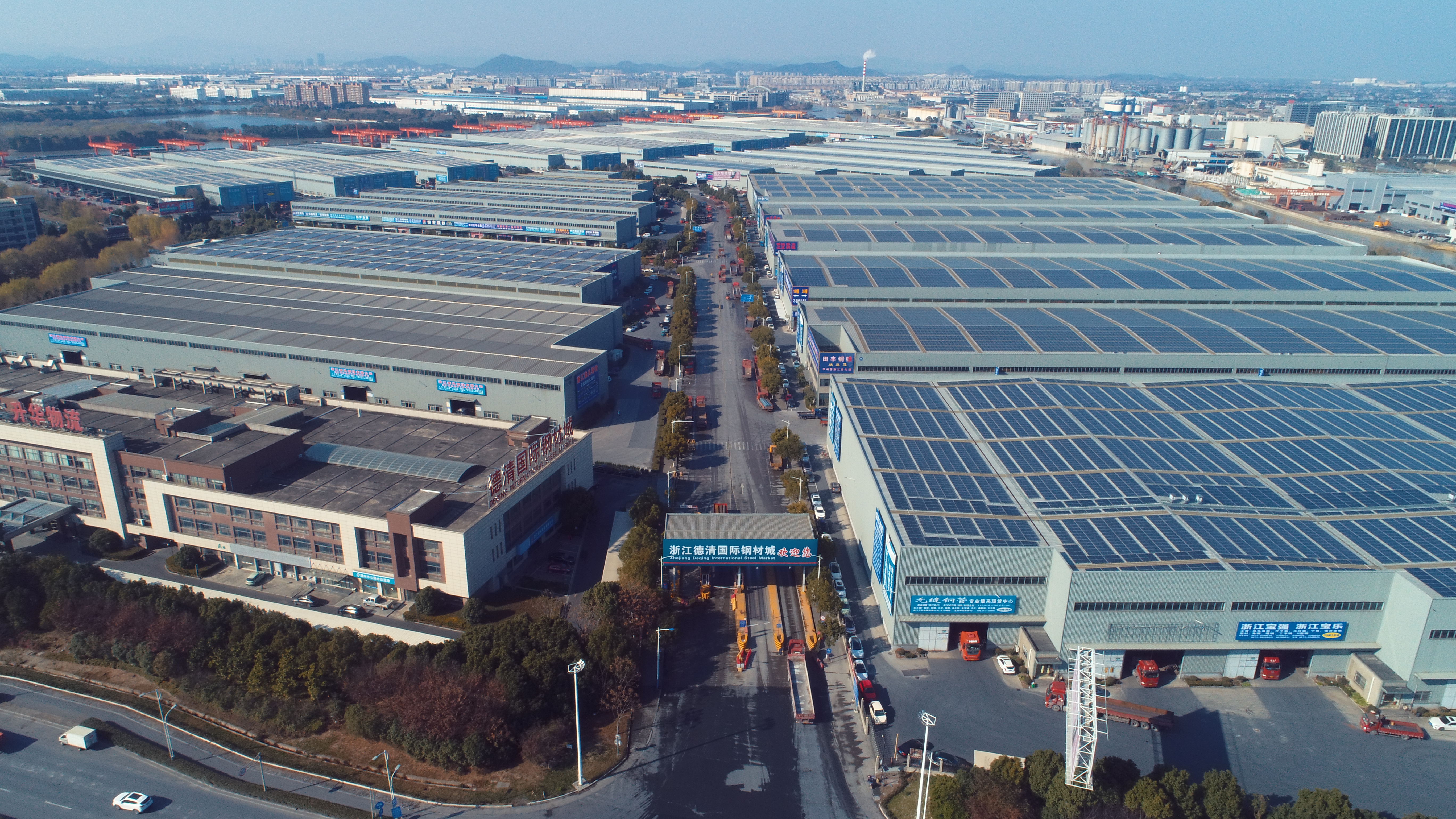
Zhejiang Deqing Steel Market is built on this exact model. As a massive physical hub spanning approximately 550,000 square meters, with over 300 specialized merchants and nearly 2,000,000 tons of ready-to-ship inventory, its ecosystem covers carbon steel, low alloy steel, stainless steel, non-ferrous metals, fittings, and processing-related requirements.
The market includes different types of merchants: pure distributors, merchants with basic processing capabilities, and specialists in specialty steel or deep fabrication. This structure matters because a buyer rarely needs just raw material. The same project may require stock material, slitting, leveling, cutting, welding, surface treatment, or fabricated components.
The platform does not mean that every product is made by one factory. Its value lies in the ability to help buyers organize different requirements within a connected, secure sourcing environment.
1. The project includes several product categories
A one-stop model becomes highly relevant when a buyer needs several categories for the same project. Instead of starting from separate supplier searches for every category (e.g., carbon steel plate, tubing, and fittings), the buyer can submit a structured project requirement and explore a broader supply network from a single entry point.
2. The order requires material and processing coordination
Many buyers do not need raw material alone; they need coil slitting, shearing, welding, or surface treatment. The important question is not simply “Who sells this steel?” It is also:
3. The buyer is managing a large or changing bill of materials (BOM)
Project requirements often change. Quantities are revised, and specifications are adjusted. A single-item supplier is less flexible when the BOM expands. A platform model provides a wider starting point for reorganizing the sourcing plan without needing to vet new suppliers from scratch.
4. International logistics are part of the purchasing decision
For international buyers, sourcing and logistics cannot be separated. Deqing Steel Market leverages its physical infrastructure—including on-site warehouses, an owned wharf, inland waterway transport, and direct connections to Ningbo and Shanghai ports. This provides a tangible logistics advantage that can be optimized during shipment planning.
The following comparison can help buyers select the right model:
|
Decision Factor |
Single-Item Supplier |
One-Stop Steel Platform |
|
Product Scope |
Focused product family |
Multiple steel and metal categories |
|
Best Fit |
Clear, repeated, narrow requirements |
Complex, mixed, or changing project requirements |
|
Technical Communication |
Deep focus on one product area |
Coordination across products and processing needs |
|
Processing |
May need a separate processing partner |
Connects material sourcing directly with processing |
|
Supplier Search |
Separate search required for each category |
Broader merchant network through one window |
|
Logistics |
Often arranged around one product flow |
Supports consolidation and multi-category container loading |
|
Buyer Workload |
Lower for simple repeat orders |
Significantly lower for complex orders requiring coordination |
|
Main Risk |
Limited flexibility when requirements expand |
Requires clear initial specification of the whole project |
Before choosing a procurement model, buyers should ask themselves five questions:
Single-item suppliers and one-stop steel platforms serve different purchasing situations. A focused supplier is efficient for stable, single-category orders. A one-stop platform becomes infinitely more valuable when managing multiple materials, processing steps, or international delivery coordination.
For global buyers, the most useful question is not "Which model is always better?" It is:
"Which sourcing model reduces the total difficulty of completing this specific order?"
Zhejiang Deqing Steel Market is building its value around a connected steel ecosystem. Buyers can use this enterprise-backed platform to organize a complete procurement conversation—saving time, reducing risk, and ensuring reliable project delivery.
Are you managing a multi-category steel or processing order? [Contact our team today / Submit your project BOM] to see how our one-stop platform can simplify your next procurement cycle.



Zhejiang Deqing Steel Market Co.,Ltd
浙江德清国际钢材城
Deqing International Steel Market is China's leading B2B steel marketplace, connecting global buyers with 300+ verified merchants for reliable, one-stop steel sourcing solutions.
Copyright © Zhejiang Deqing Steel Market Co.,Ltd Privacy Policy