 EN


International steel procurement is rarely a simple product search. A buyer may begin with a request for plate, coil, pipe, or structural steel, then discover that the project also requires fittings, cutting, welding, surface treatment, export packing, and coordination among several parties.
This is where an integrated steel platform can be useful. Instead of treating every requirement as a separate supplier search, the platform model brings product categories, merchants, processing resources, and logistics conditions into one sourcing environment.
For global buyers, however, “integrated” should not be understood as a promise that one company manufactures everything or that every order follows an identical process. A practical platform should make the supply network easier to explore, requirements easier to coordinate, and responsibilities easier to clarify. Final specifications, inspection, commercial terms, and delivery arrangements still need to be confirmed for each order.
A single-product purchase can often be managed through one specialist supplier. A project purchase is different. Construction, equipment manufacturing, energy, infrastructure, and industrial maintenance projects may require several grades and forms of metal at the same time.
The buyer may need to coordinate:
When these requirements are sourced one by one, the buyer carries the coordination burden. Every supplier may use a different quotation format, production schedule, document set, and loading arrangement. An integrated platform can provide a broader starting point for organizing the bill of materials and identifying which requirements may be handled together.
For a buyer, an integrated platform should be evaluated by the work it helps to organize, not by the label alone. Four elements are particularly important.
The first expectation is access to a useful range of products. Zhejiang Deqing Steel Market Co., Ltd. is positioned around six broad areas: carbon steel and low alloy steel products, stainless steel products, aluminum and aluminum alloys, copper products, fittings and other components, and processing services.
This structure reflects the way many industrial buyers actually purchase. A request may start with a steel plate but expand to tube, structural steel, stainless components, or non-ferrous parts. A broader category base allows the buyer to test whether the project can be planned through one sourcing channel rather than several unrelated searches.
Product coverage does not remove the need to confirm grade, standard, size, quantity, and availability. It gives the buyer a more complete framework for asking those questions.
An integrated market is not necessarily a single factory. The Deqing steel market ecosystem includes pure distributors, merchants with basic processing capability such as slitting or leveling, and merchants involved in specialty steel or further fabrication.
This diversity can be valuable because orders have different levels of complexity. A standard stock item may be handled by a distributor. A coil requiring slitting may need a processor. A specialty steel order or simple fabricated component may require a merchant with additional technical capability.
The buyer should therefore ask the platform to identify the appropriate merchant for each requirement, rather than assuming that every merchant can provide every service. The commercial party, manufacturing location, technical contact, and responsibility for each step should be made clear before order confirmation.
Material supply and processing are often treated as separate decisions, even when they directly affect one another. Thickness, width, grade, temper, surface condition, forming route, weldability, and final dimensions can influence the processing plan.
The market’s processing scope includes metal shearing and coil slitting, fabrication and processing, welding and fabrication, galvanizing and surface coating, surface treatment, metal stamping, straightening and leveling, and metal cutting. Depending on the merchant and the order, these resources may support a route from raw material to prepared or fabricated parts.
For a buyer, the practical value is the ability to discuss the material specification and the processing requirement together. The buyer can ask:
These questions help prevent a common problem: purchasing a material that is available in theory but unsuitable for the required downstream operation.
International sourcing involves more than moving goods from a factory gate to a port. Weight, dimensions, loading sequence, container utilization, moisture protection, marking, and document timing can all affect the shipment.
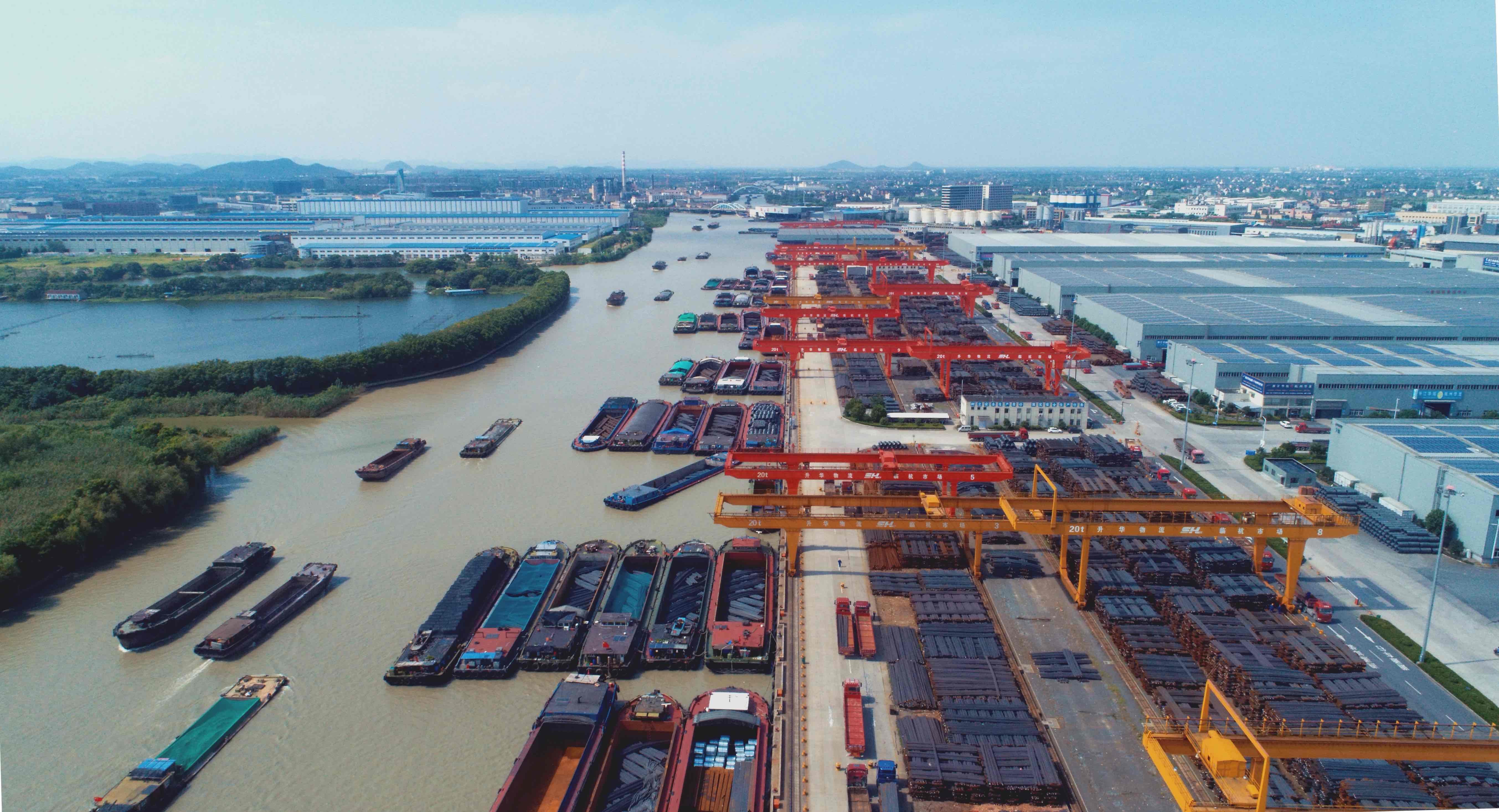
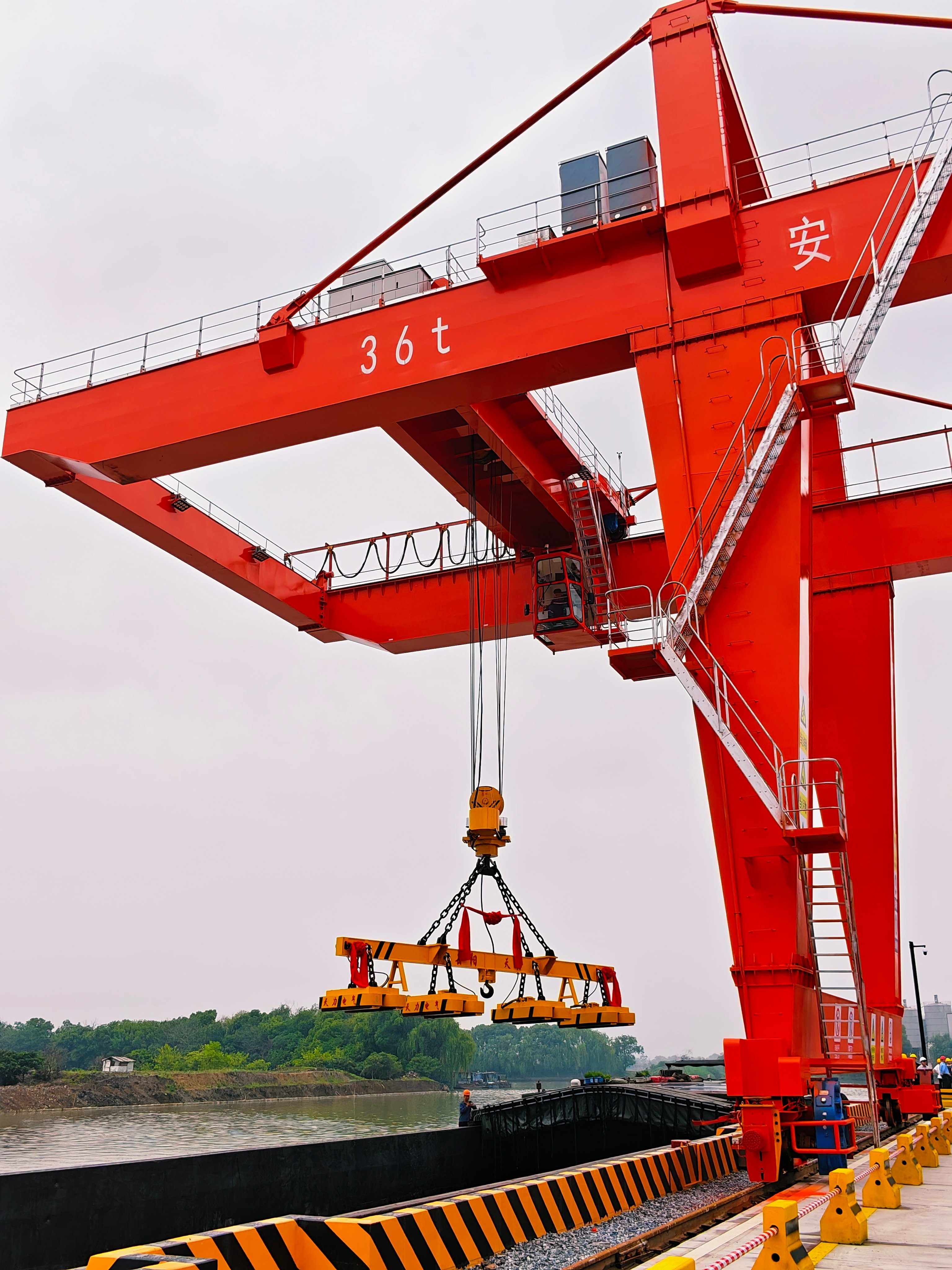
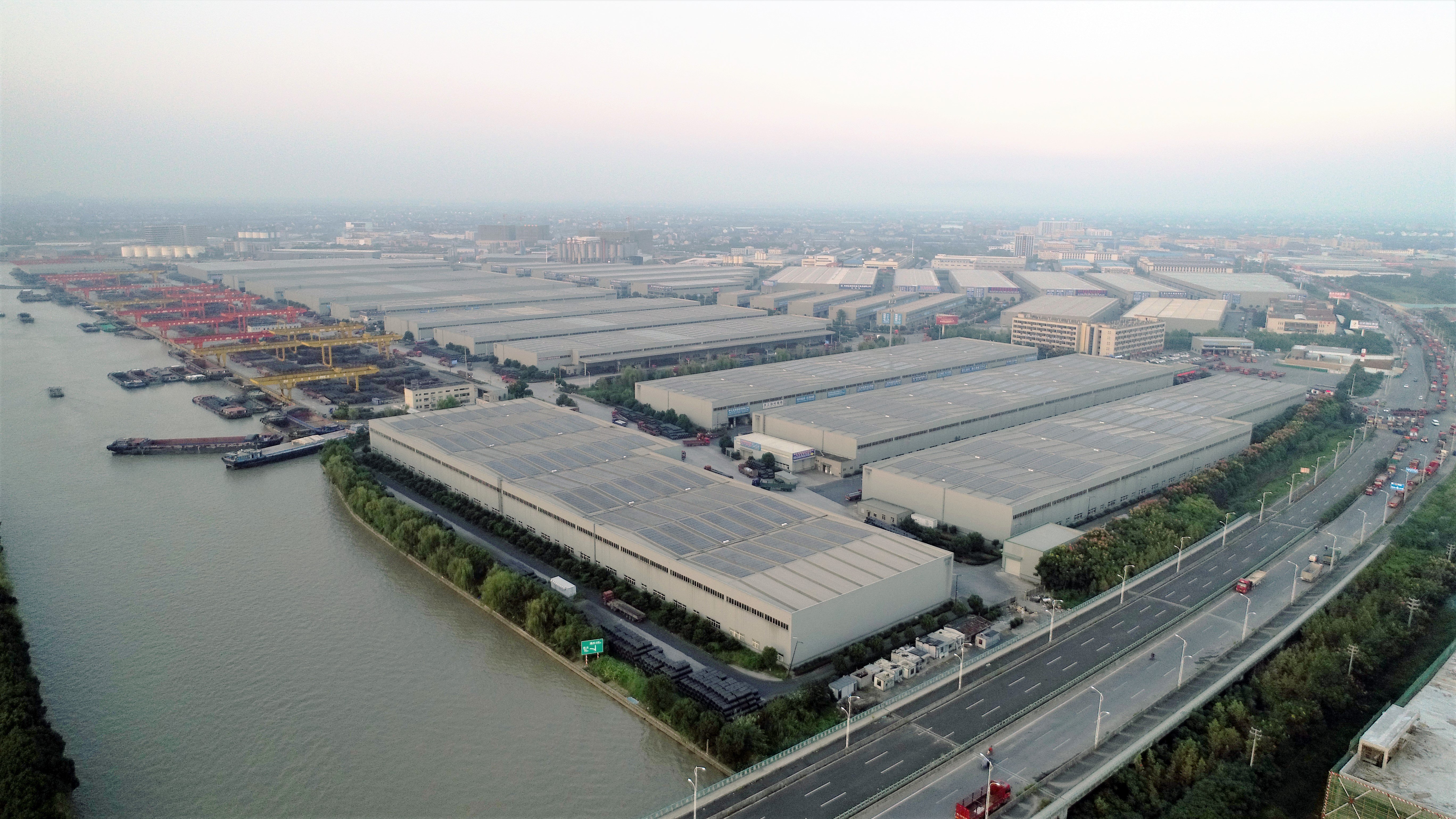
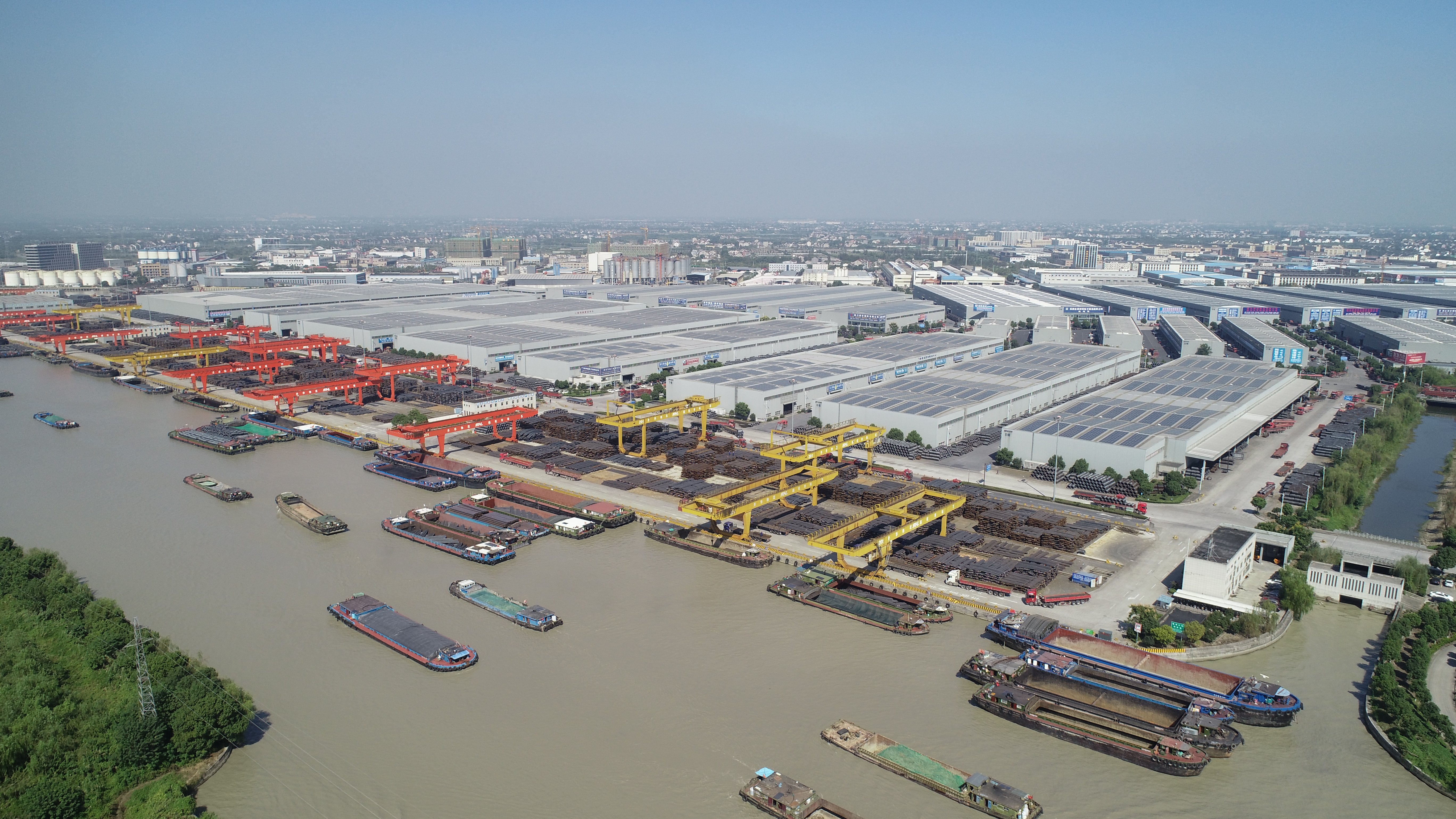
The Deqing steel market site is described as covering approximately 550,000 square meters and including indoor warehouses, an owned wharf, road access, and connections to major highways. The market also has access to inland waterway transport, container loading and sealing support, and routes toward Ningbo and Shanghai ports.
These conditions can give buyers a useful logistics planning base, particularly for mixed orders that need consolidation. They should still be treated as planning resources rather than automatic service guarantees. The buyer should confirm the actual loading location, available equipment, packaging method, port schedule, shipping responsibility, and export documentation for the specific order.
The more complete the initial brief, the easier it is for a platform to coordinate the right resources. A useful brief can include:
A list such as “steel plate and pipe” is a starting point, not an executable specification. Buyers should attach drawings, datasheets, approved standards, or a bill of materials whenever available.
Some items may be suitable for consolidated sourcing, while others need a specialist review. For example, common carbon steel sections and standard fittings may be coordinated with a broader order. A pressure-service pipe, a special steel grade, or a precision fabricated part may require a separate technical approval process.
An integrated platform helps identify these differences. It should not hide them. Clear separation between standard, custom, and technically sensitive items makes the final purchase easier to control.
Before confirming an order, the buyer should know who is responsible for each step. A simple responsibility map can show:
|
Requirement |
Information to Confirm |
|
Material supply |
Merchant, grade, standard, size, quantity, availability |
|
Processing |
Processing party, route, dimensions, tolerances, drawings |
|
Inspection |
Required checks, records, timing, responsible party |
|
Packing |
Method, marking, moisture protection, loading plan |
|
Logistics |
Loading point, port route, shipping terms, documents |
|
Commercial contact |
Quotation issuer, contract party, payment and claim process |
This document is especially useful when several merchants contribute to one shipment.
An integrated platform can reduce the number of initial searches and help connect related requirements. It can also make it easier to discuss mixed products, processing, and shipment in one conversation.
It does not replace engineering judgment, supplier-specific confirmation, or buyer due diligence. The buyer still needs to review:
The platform’s role is best understood as coordination and access. The final technical and commercial decision remains with the buyer and the confirmed supply parties.
Before choosing an integrated steel platform, global buyers can ask:
The answers will reveal whether the platform is genuinely useful for the project or is simply displaying a long product list.
Global buyers should expect an integrated steel platform to do more than introduce products. It should help them organize a multi-category requirement, connect with merchants that match the required capability, coordinate processing discussions, and plan logistics from the beginning.
Zhejiang Deqing Steel Market Co., Ltd. provides a market environment built around broad metal categories, multiple merchant types, processing resources, warehouse and wharf infrastructure, and access to inland and port logistics. For buyers, the potential value lies in bringing these resources into a clearer procurement conversation.
The strongest sourcing results still depend on precise specifications, transparent responsibilities, and order-specific confirmation. When those fundamentals are in place, an integrated platform can become a practical bridge between global demand and a wider Chinese steel supply ecosystem.
Are you managing a multi-category project that requires coordinated material supply, processing, and export logistics? [Contact the Zhejiang Deqing Steel Market team today] to submit your project Bill of Materials (BOM) and explore how our integrated ecosystem can simplify your next procurement cycle.
Zhejiang Deqing Steel Market Co.,Ltd
浙江德清国际钢材城
Deqing International Steel Market is China's leading B2B steel marketplace, connecting global buyers with 300+ verified merchants for reliable, one-stop steel sourcing solutions.
Copyright © Zhejiang Deqing Steel Market Co.,Ltd Privacy Policy