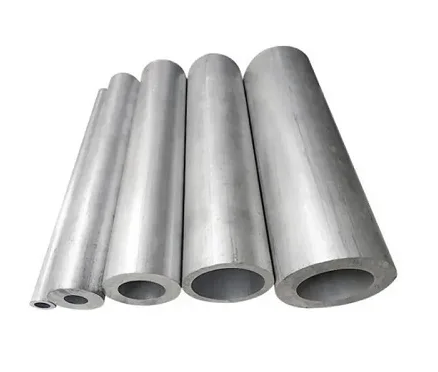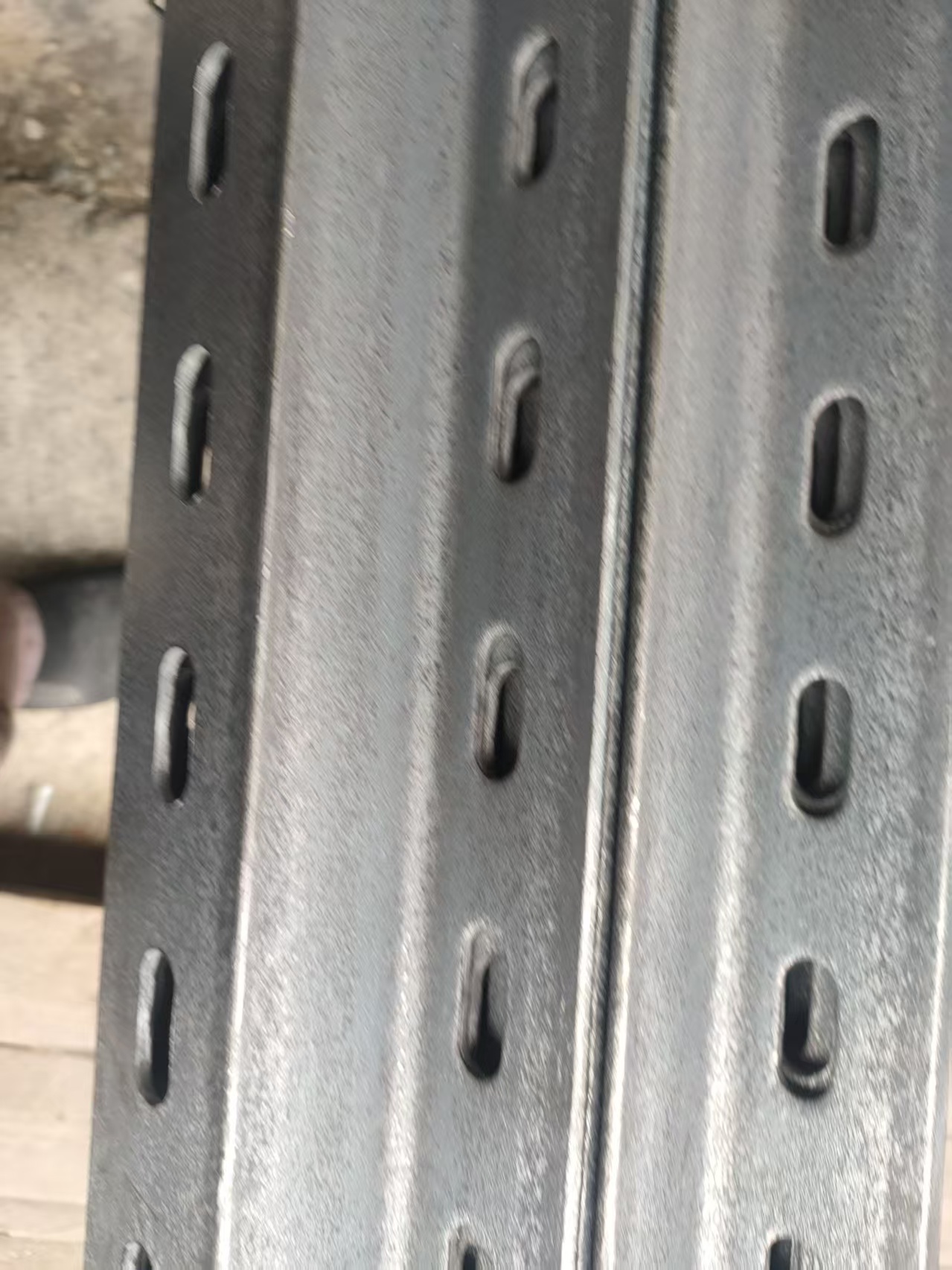
Aluminium extrusions are aluminum profiles produced by forcing heated aluminum alloy through a shaped die to create long sections with consistent cross-sections. Because aluminium extrusions can be designed into channels, tubes, angles, frames, rails, heat sink fins, decorative trims, and complex custom shapes, they are widely used in construction, machinery, transport, electronics, solar systems, furniture, and general fabrication.
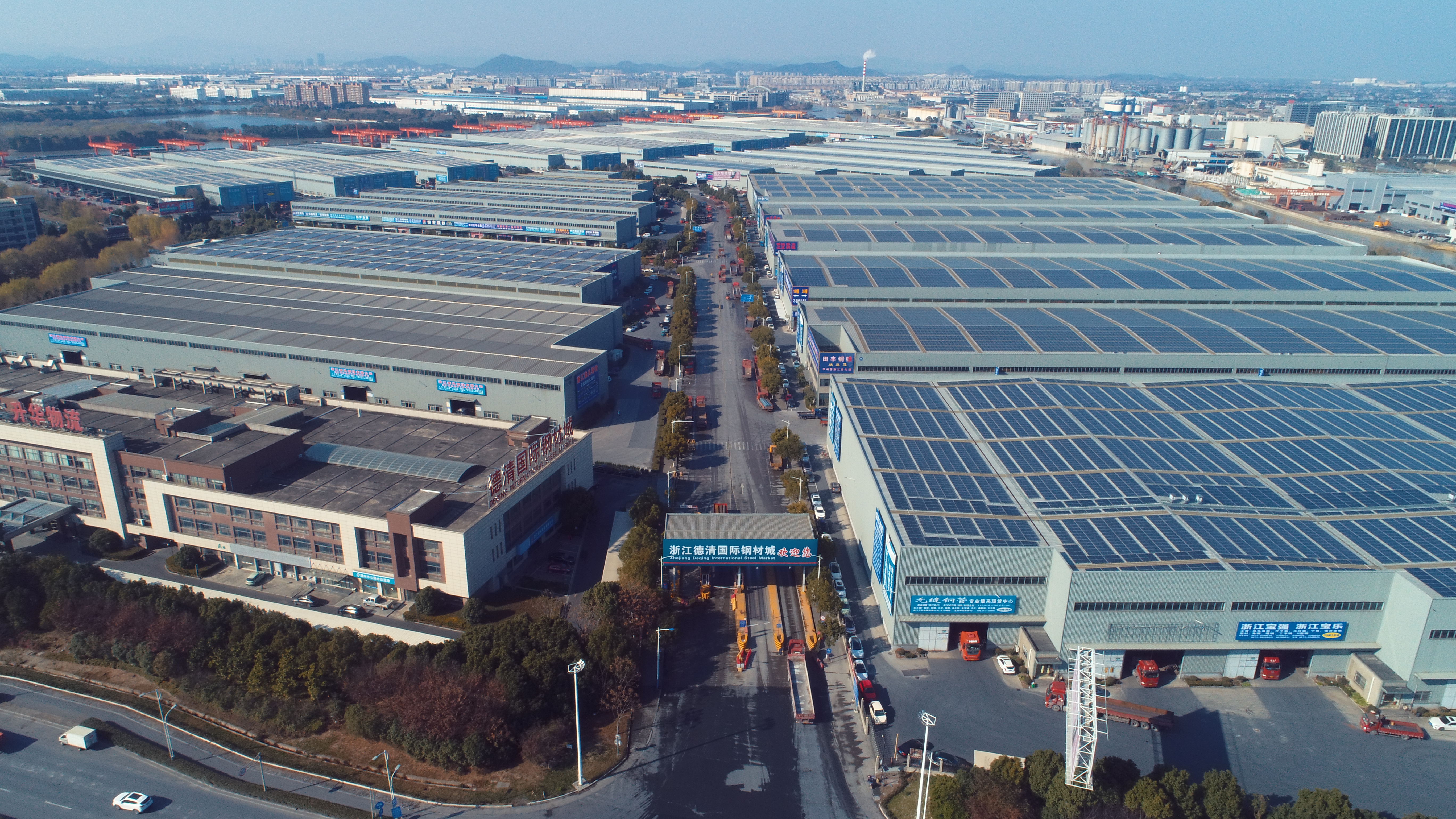
Zhejiang Deqing International Steel Market provides integrated sourcing support for aluminium extrusions and related metal products. Our platform connects global buyers with verified vendors, warehouse resources, processing services, surface treatment coordination, export packing, customs declaration, and logistics delivery. Buyers can source aluminium extrusions together with aluminum sheet, aluminum plate, aluminum coil, aluminum bar, stainless steel, carbon steel, fasteners, fittings, and custom fabricated components through one procurement channel.
One major advantage of aluminium extrusions is design flexibility. Unlike flat plate or sheet, aluminium extrusions can include ribs, grooves, screw ports, hollow chambers, mounting slots, curved surfaces, and reinforcement features in one profile. This allows engineers to reduce assembly steps and improve product function. For example, aluminium extrusions used in automation frames may include T-slots for fasteners, while aluminium extrusions used in heat sinks may include thin fins to increase surface area.
Aluminium extrusions are widely used in architectural applications. Window frames, door frames, curtain wall systems, balcony railings, ceiling trims, partition profiles, sunshade systems, handles, and decorative lines often use aluminium extrusions because they are lightweight, corrosion resistant, stable in shape, and suitable for anodizing or powder coating. For building projects, buyers should confirm profile drawings, alloy grade, temper, wall thickness, surface finish, color, coating thickness, and packing requirements.
Industrial aluminium extrusions are also common in manufacturing equipment. Machine frames, conveyor structures, protective guards, workstation systems, modular racks, automation rails, equipment covers, sensor brackets, and assembly lines often use aluminium extrusions for quick installation and flexible modification. In these applications, dimensional accuracy, straightness, slot compatibility, cutting accuracy, and fastener matching are important purchasing details.
Aluminium extrusions are often produced from 6xxx series aluminum alloys, especially 6063 and 6061, depending on strength, surface quality, machinability, and application requirements. 6063 aluminium extrusions are commonly selected for architectural and decorative profiles because they can provide good surface appearance and extrusion performance. 6061 aluminium extrusions may be used when higher mechanical strength or machining performance is required.
Temper selection affects the performance of aluminium extrusions. Common tempers such as T5 or T6 may be used depending on alloy, extrusion method, heat treatment, strength needs, and dimensional stability. Buyers should confirm whether aluminium extrusions will be cut, drilled, tapped, bent, welded, anodized, powder coated, assembled, or used outdoors. The wrong temper may affect strength, machining, surface treatment, or installation performance.
Surface treatment is an important purchasing factor for aluminium extrusions. Mill finish aluminium extrusions may be suitable for internal industrial parts, while visible aluminium extrusions may require anodizing, powder coating, electrophoresis, brushing, polishing, wood-grain finish, or protective film. For decorative aluminium extrusions, color consistency, gloss, film thickness, scratch control, and packing protection should be confirmed before production.
Custom aluminium extrusions require drawing review and tooling coordination. Buyers should provide clear drawings showing cross-section dimensions, wall thickness, tolerance, length, alloy grade, temper, surface finish, and usage conditions. For new custom aluminium extrusions, die cost, sample production, trial inspection, tolerance adjustment, surface finish approval, and mass production schedule should be discussed before order confirmation.
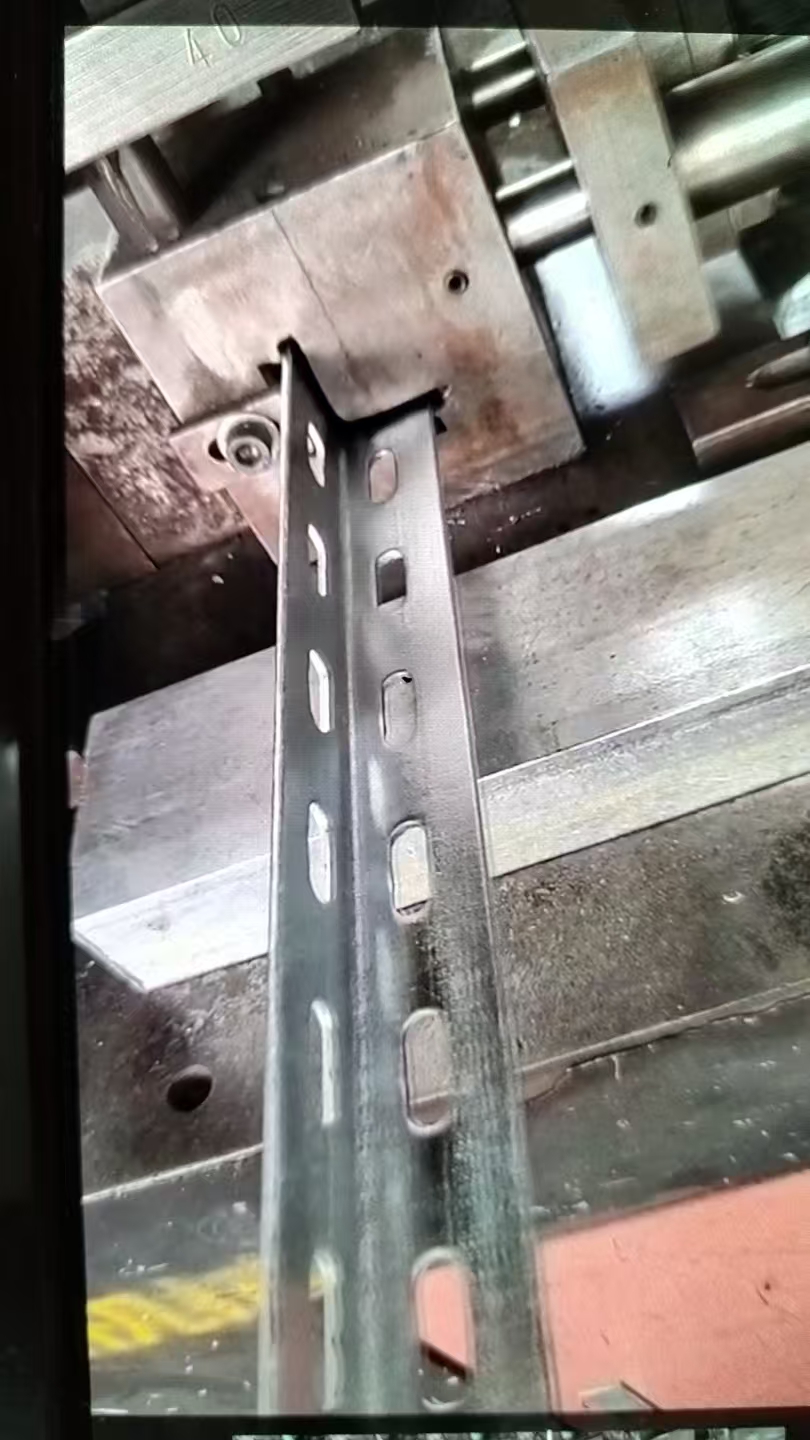
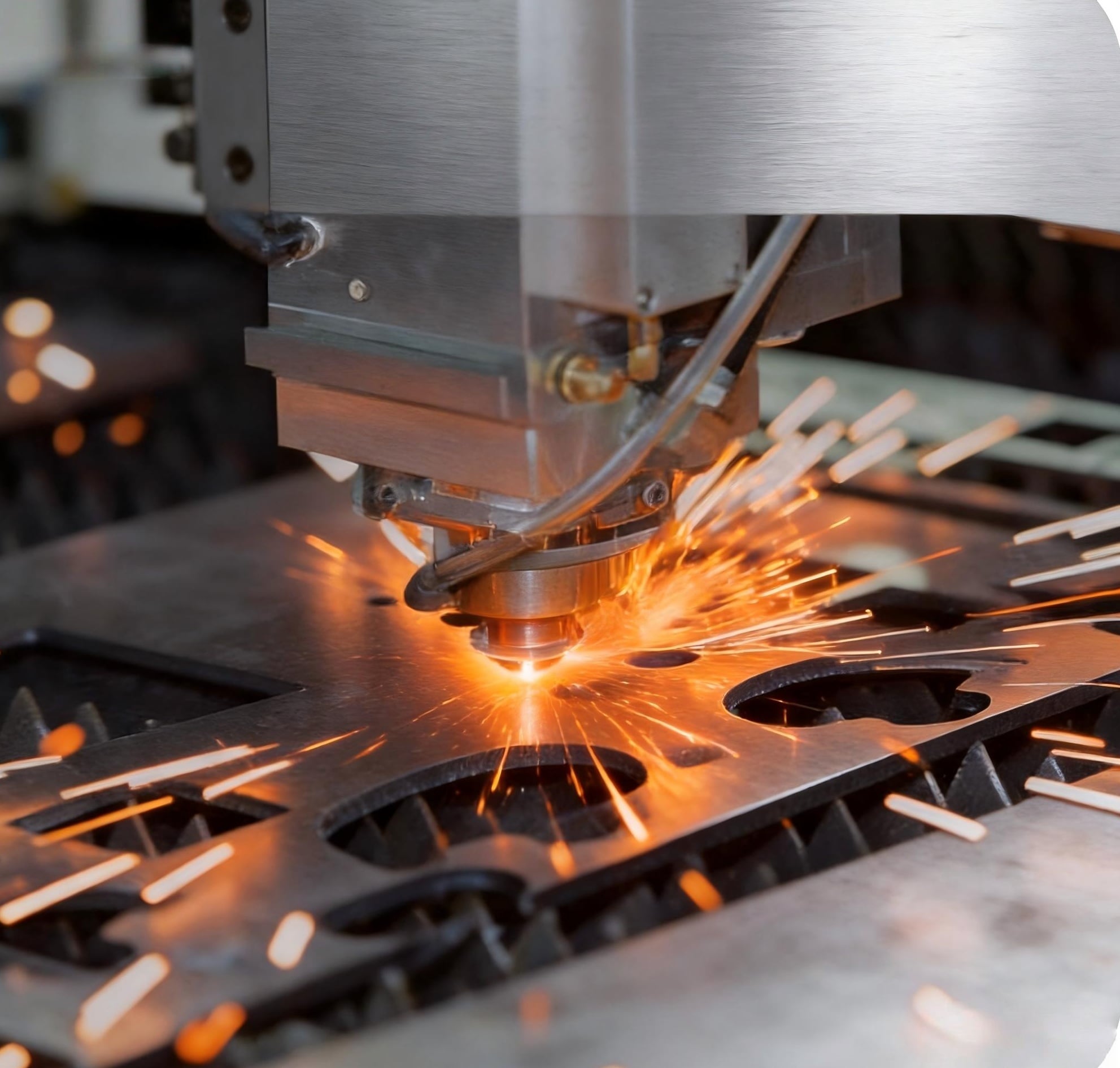
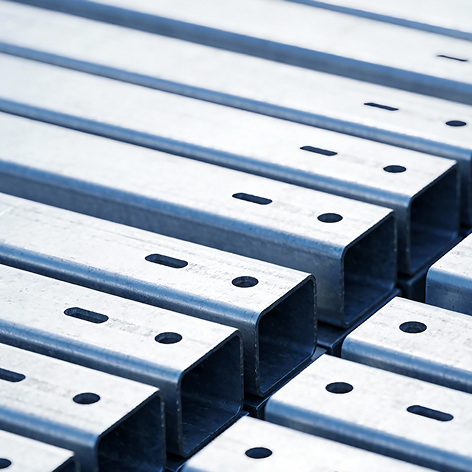
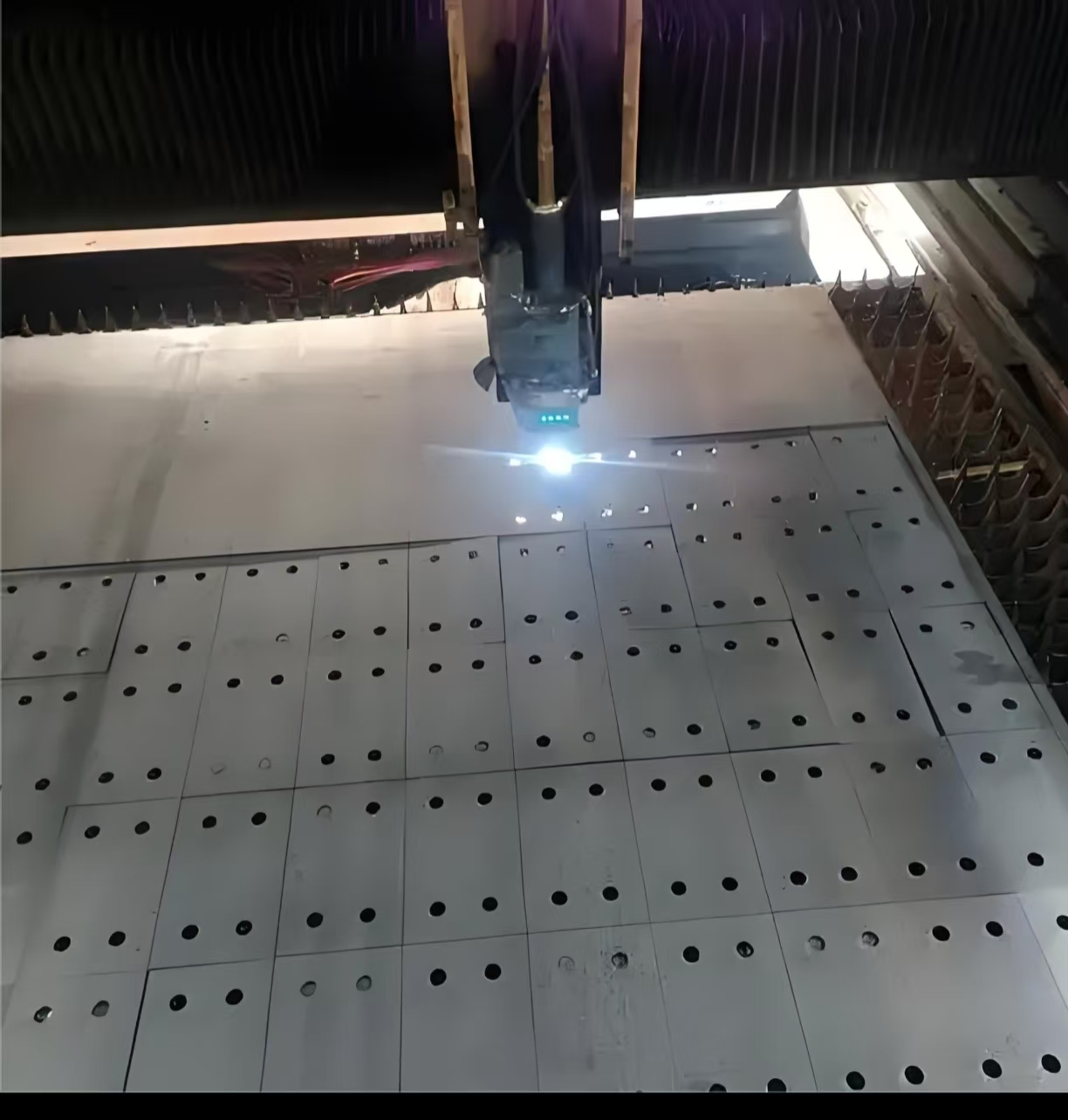
Processing support can make aluminium extrusions easier to install or assemble after delivery. Depending on the order, aluminium extrusions can be cut to length, drilled, punched, tapped, milled, deburred, marked, labeled, surface protected, bundled by specification, or packed in wooden cases. For long aluminium extrusions, straightness, end cut quality, surface protection, and container loading method should be reviewed carefully.
Aluminium extrusions are also used in solar and electrical industries. Solar panel frames, mounting rails, clamps, heat sink profiles, LED housings, electrical enclosures, cable channels, and control cabinet parts may use aluminium extrusions because they are lightweight, corrosion resistant, and easy to process. For electrical or thermal applications, buyers should confirm section design, thermal performance, surface treatment, conductivity needs, and assembly requirements.
For furniture and display systems, aluminium extrusions provide clean appearance and modular assembly. Display racks, exhibition frames, cabinet handles, table frames, lighting channels, shelf systems, and decorative strips often use aluminium extrusions. In these products, appearance quality, color matching, scratch protection, accurate cutting, and clean edge finishing are usually more important than heavy mechanical strength.
For transport and machinery applications, aluminium extrusions can help reduce weight while maintaining useful structural performance. Truck bodies, rail components, interior partitions, luggage racks, access panels, equipment housings, and lightweight frames may use aluminium extrusions. However, buyers should not choose aluminium extrusions only by weight. Load design, alloy grade, wall thickness, connection method, corrosion environment, and safety requirements should be reviewed.
Mill test certificates can usually be supported for aluminium extrusions orders when required and available for the selected batch. Certificate information may include alloy grade, temper, batch number, chemical composition, mechanical properties, dimensions, production standard, and inspection result. Buyers should confirm certificate needs before order placement, especially for construction, industrial equipment, export compliance, or project procurement.
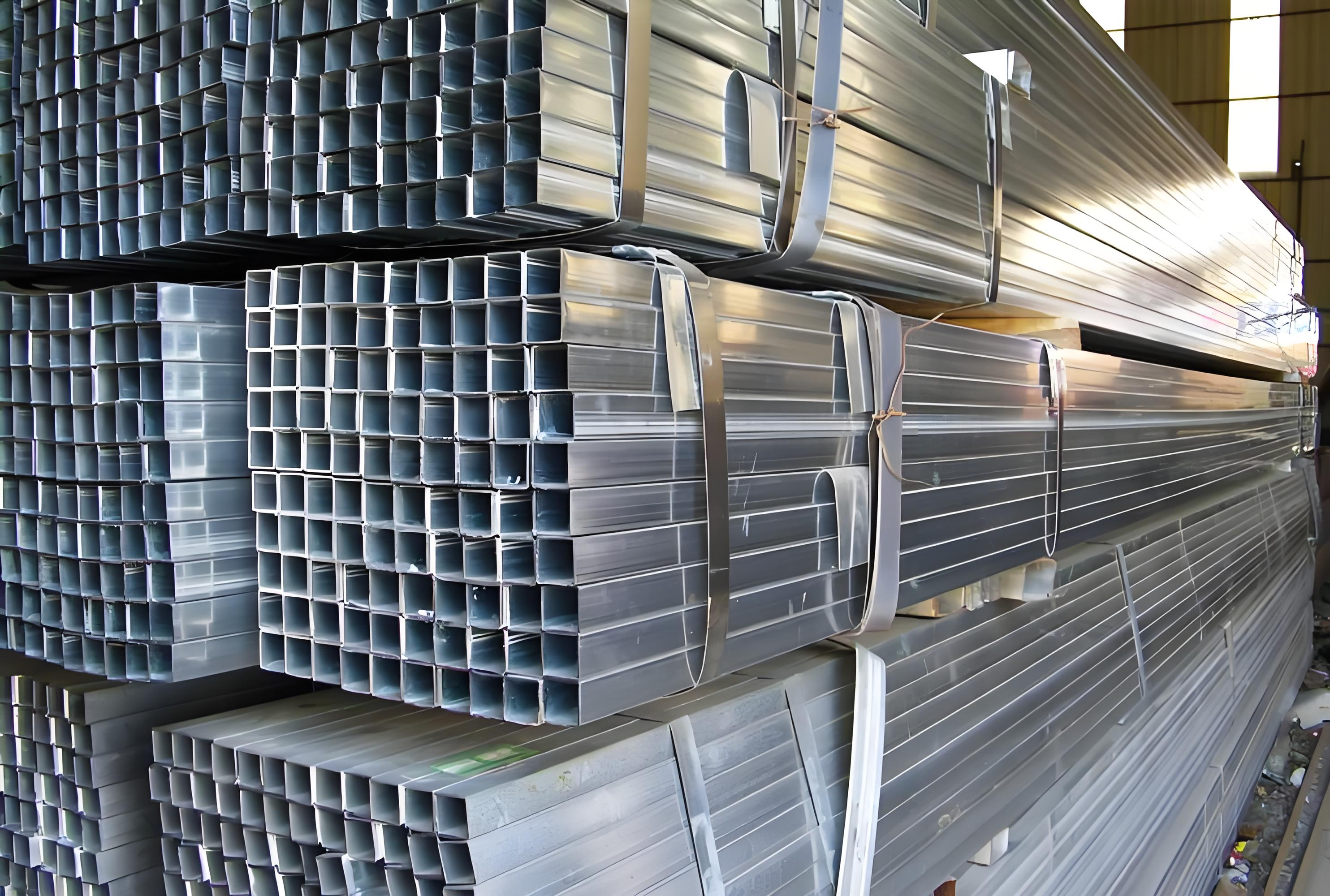
Export packing is critical for aluminium extrusions because profiles are often long, thin-walled, surface-treated, or easily scratched. Packing may include protective film, paper wrapping, plastic sleeves, foam separation, bundle protection, wooden cases, pallets, waterproof wrapping, labels, and reinforced container loading plans. Proper packing helps protect aluminium extrusions from bending, scratches, coating damage, dents, and handling marks during long-distance transportation.
When requesting a quotation for aluminium extrusions, buyers should provide complete details. Important information includes alloy grade, temper, drawing, section size, wall thickness, length, tolerance, surface finish, color requirement, coating thickness if applicable, quantity, processing request, certificate requirement, packing method, and destination port. If custom aluminium extrusions are needed, CAD drawings are recommended for accurate evaluation.
Located in Deqing, Zhejiang, in the Yangtze River Delta, Zhejiang Deqing International Steel Market benefits from strong metal supply resources and logistics connectivity. With verified vendors, broad product categories, warehouse capacity, processing coordination, and multimodal transport routes connected with major Chinese ports, we help overseas buyers manage aluminium extrusions procurement more efficiently.
A reliable aluminium extrusions supply plan is not only about finding aluminum profiles. It includes drawing review, alloy selection, temper matching, tooling evaluation, sample approval, processing planning, surface treatment control, certificate communication, export packing, customs documents, loading, and delivery coordination. Zhejiang Deqing International Steel Market helps contractors, manufacturers, distributors, machinery builders, and project buyers source aluminium extrusions with lower procurement risk and stronger supply chain support.
 EN
EN