Sheet metal components manufacturers need stable material supply, practical processing support, reliable packing, and export coordination to keep production schedules under control. Zhejiang Deqing International Steel Market supports sheet metal components manufacturers by connecting material sourcing, fabrication coordination, packing planning, customs declaration, and shipment delivery through one procurement platform.
For many sheet metal components manufacturers, the key challenge is not only buying metal sheet. The real requirement includes choosing the correct material, confirming thickness, reviewing drawings, arranging cutting or bending, protecting surfaces, managing mixed parts, and shipping goods safely. Our platform helps sheet metal components manufacturers organize these steps more efficiently for international orders.
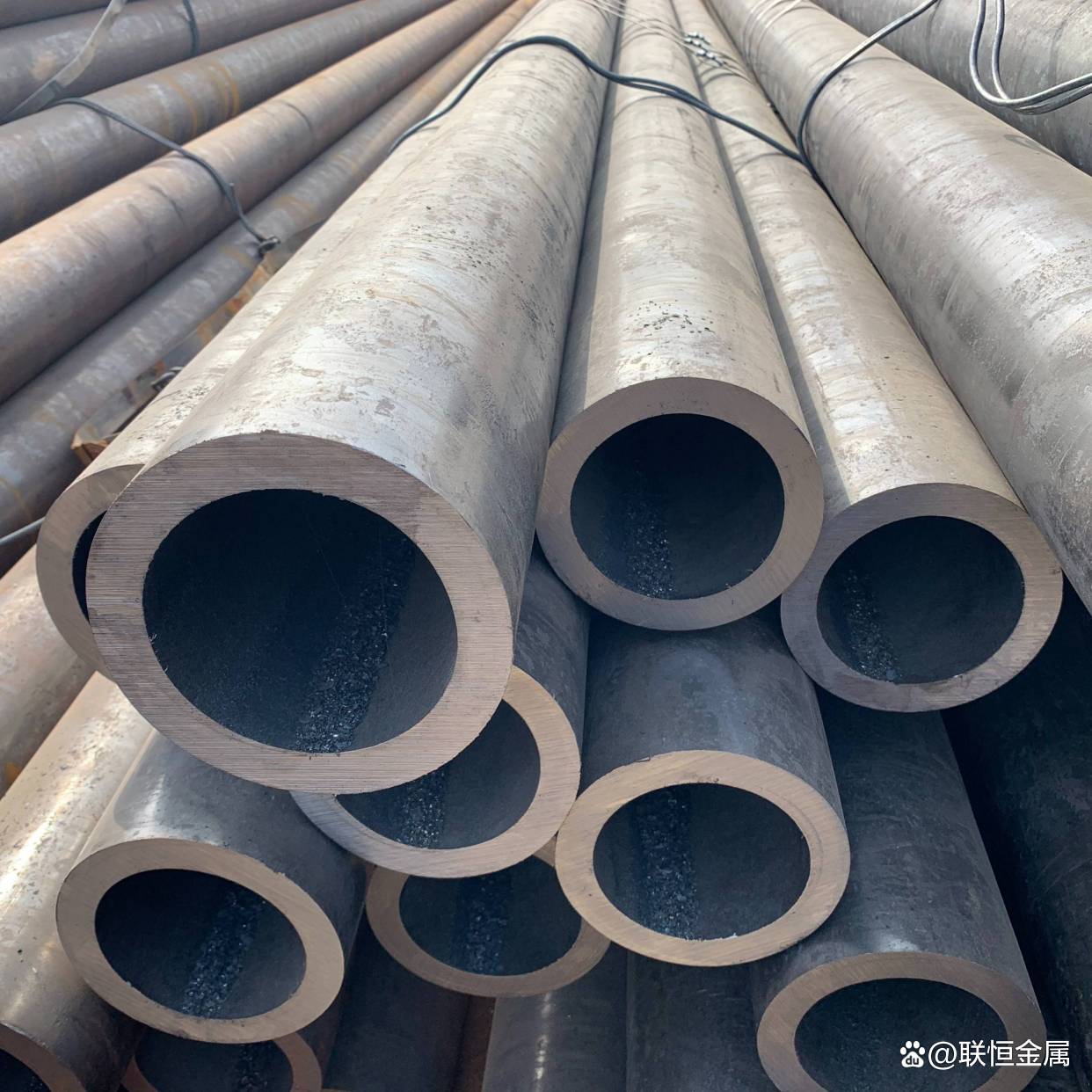
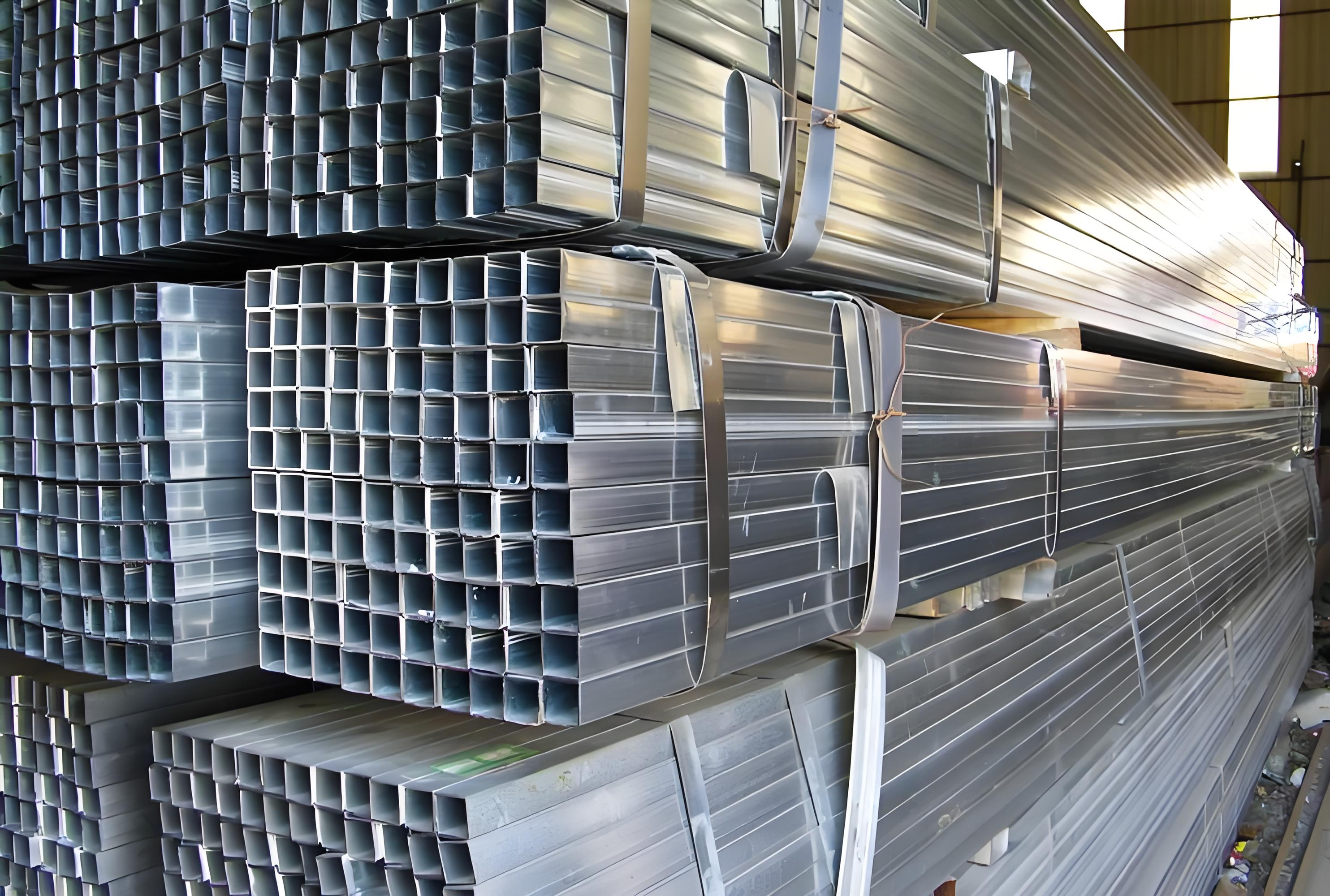
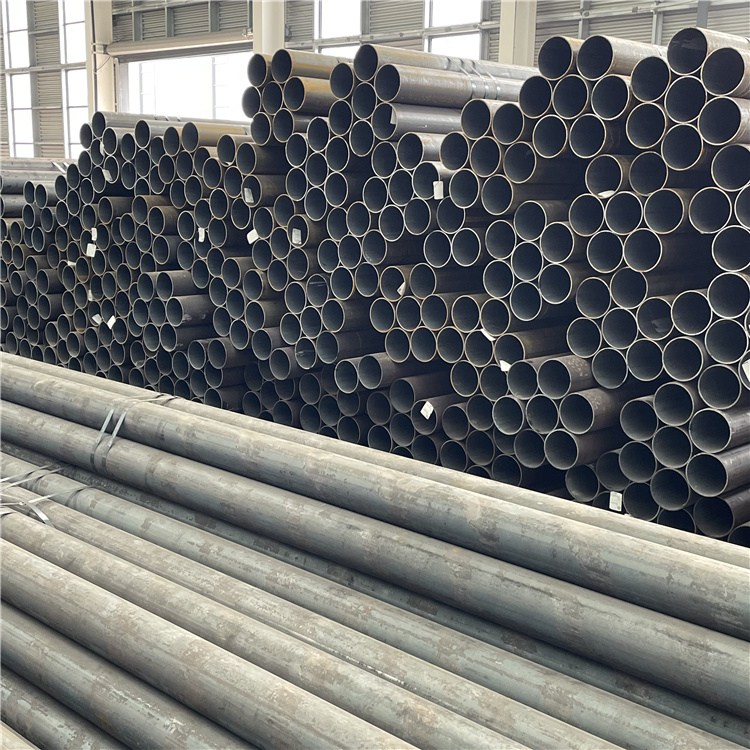
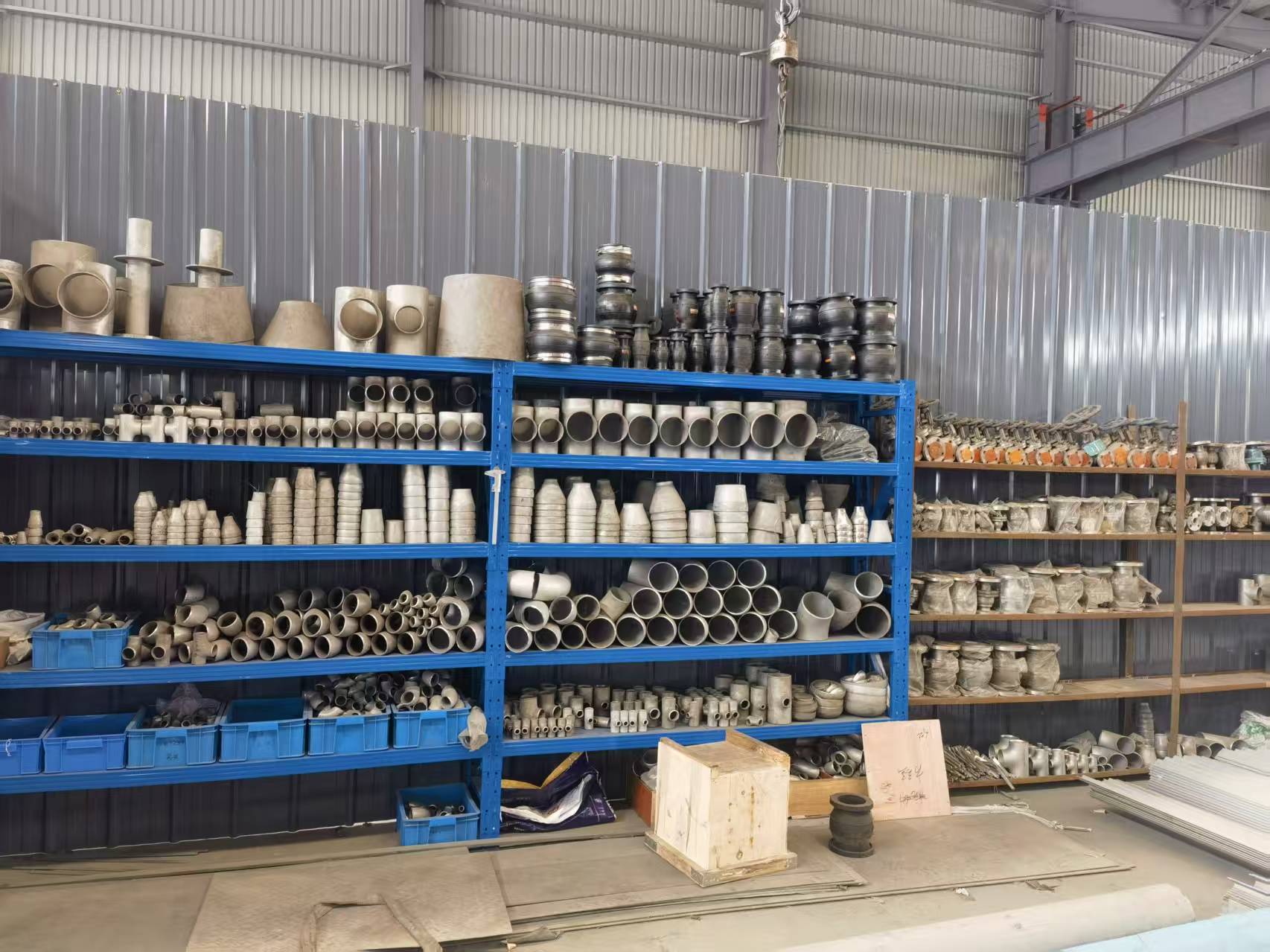
Sheet metal components manufacturers commonly work with stainless steel, carbon steel, galvanized steel, aluminum sheet, aluminum plate, copper sheet, and coated steel. Stainless steel is often used for corrosion resistance and clean appearance. Carbon steel is selected for strength and cost control. Galvanized steel is practical for outdoor or moisture-exposed parts. Aluminum is useful when sheet metal components manufacturers need lower weight and easier handling.
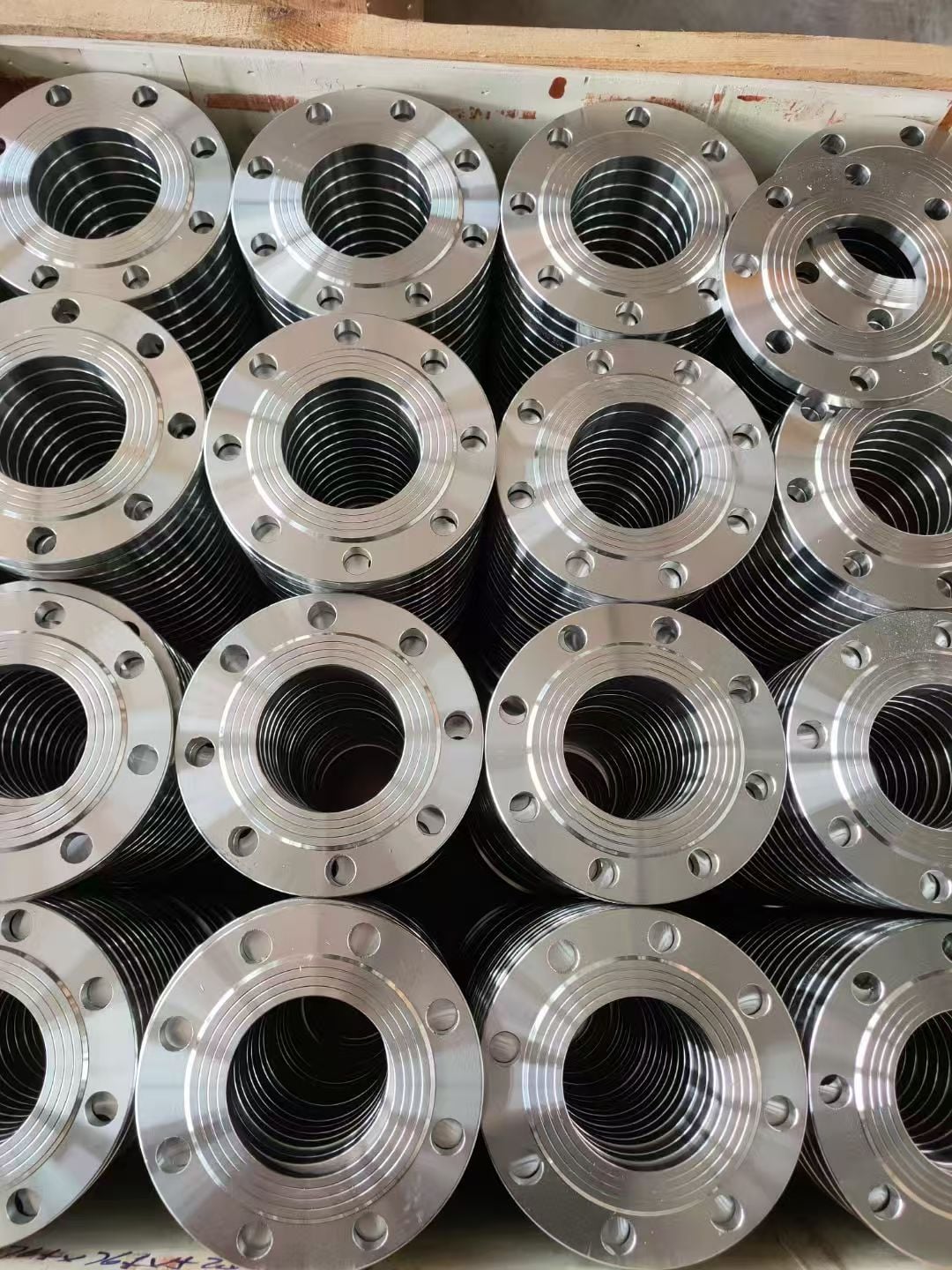
The products required by sheet metal components manufacturers are diverse. Typical items include brackets, covers, panels, chassis, cabinets, electrical boxes, machine guards, trays, ducts, frames, housings, mounting plates, partitions, support plates, and formed components. Some sheet metal components manufacturers need simple cut blanks, while others require bending, punching, drilling, welding coordination, deburring, polishing, coating preparation, or assembly support.
Drawings are important for sheet metal components manufacturers because small differences in hole position, bend radius, tolerance, and edge finish can affect assembly. Buyers should provide 2D drawings, 3D files if available, material grade, thickness, surface finish, hole size, bending direction, quantity, and packing requirements. Clear information helps sheet metal components manufacturers reduce production errors and avoid repeated communication.
Material thickness should match the real function of the part. Thin sheet may be used for covers, panels, ducting, and decorative parts. Medium thickness is often used for brackets, enclosures, guards, and machine covers. Thicker sheet may be required for load-bearing frames, base plates, heavy brackets, and structural panels. Sheet metal components manufacturers should consider strength, weight, forming difficulty, welding method, and installation conditions.
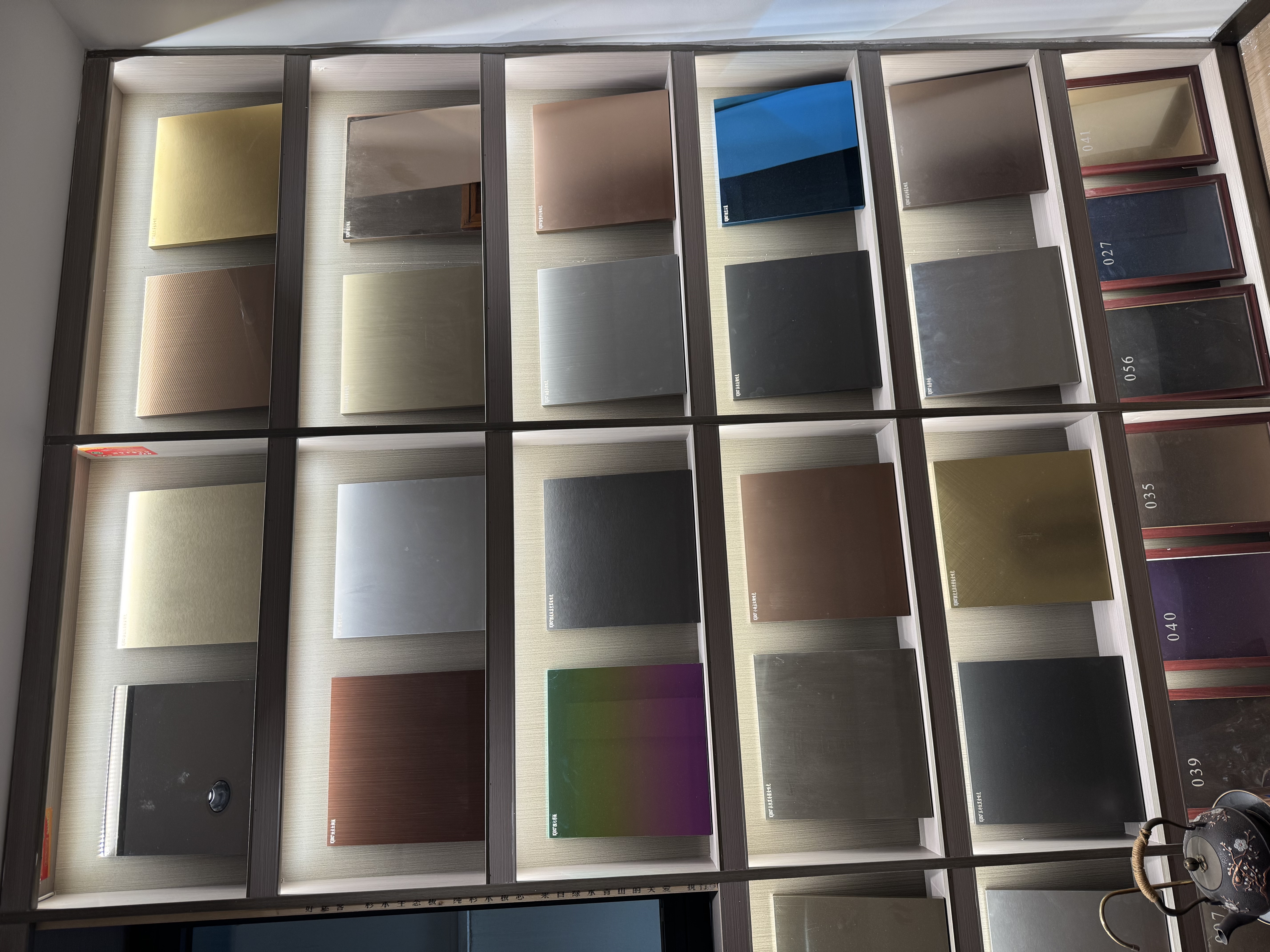
Surface finish is another major concern for sheet metal components manufacturers. Mill finish may be enough for hidden industrial parts, while visible components may require brushing, polishing, powder coating, painting, galvanizing, anodizing, or protective film. For cabinet panels, equipment covers, decorative trims, and export-ready assemblies, sheet metal components manufacturers should discuss scratch control, color expectations, coating needs, and packing protection before production.
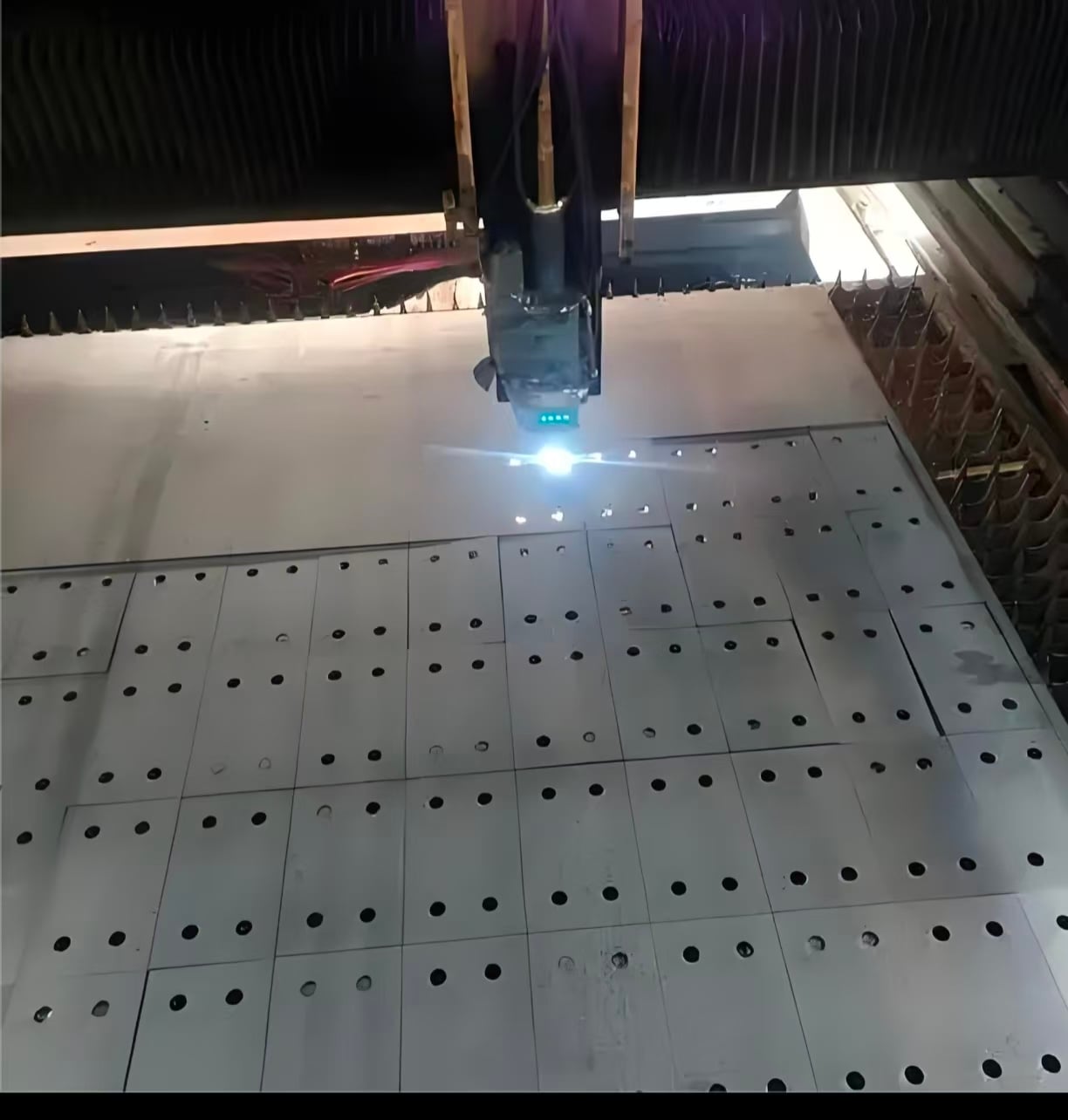
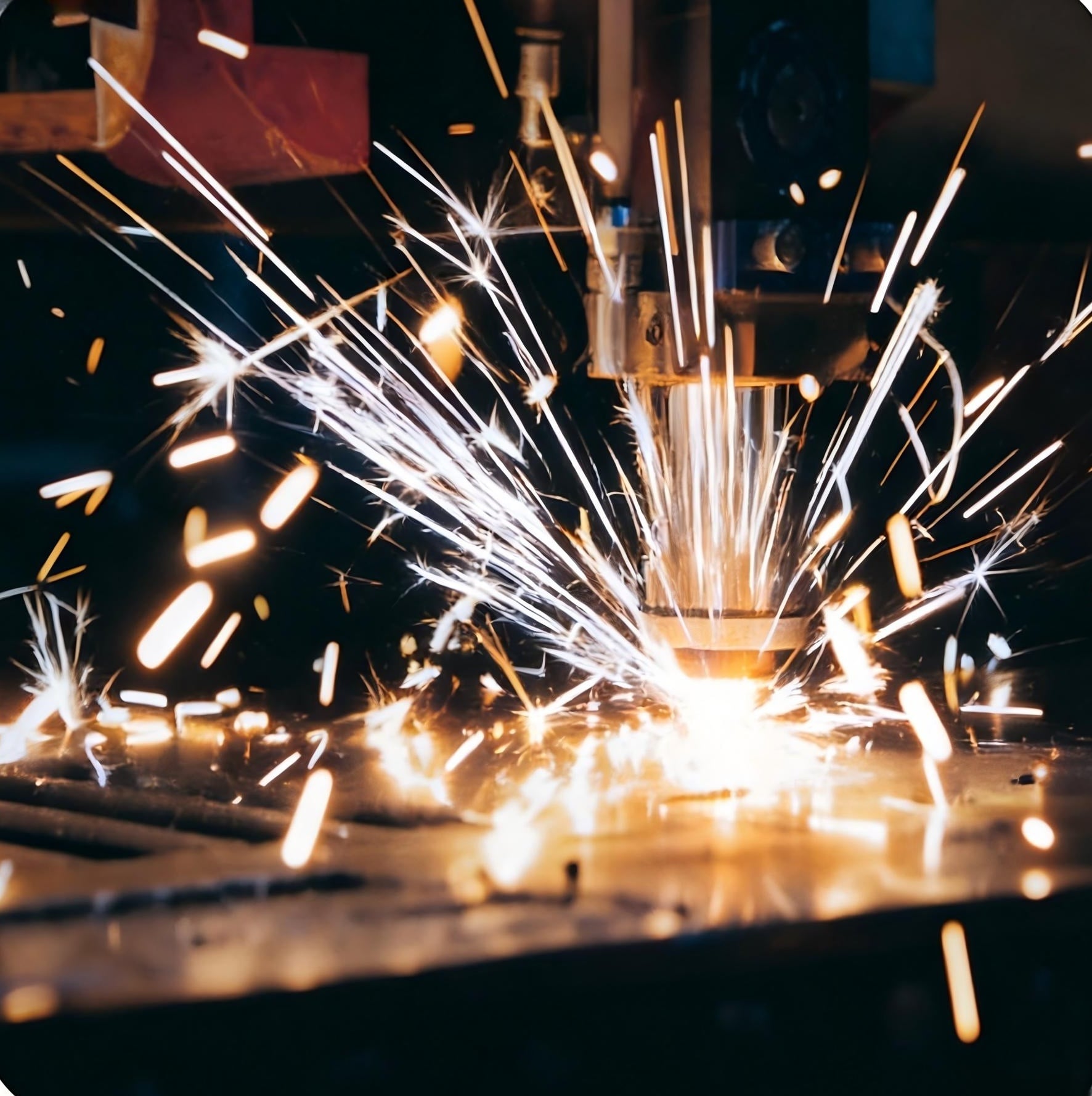
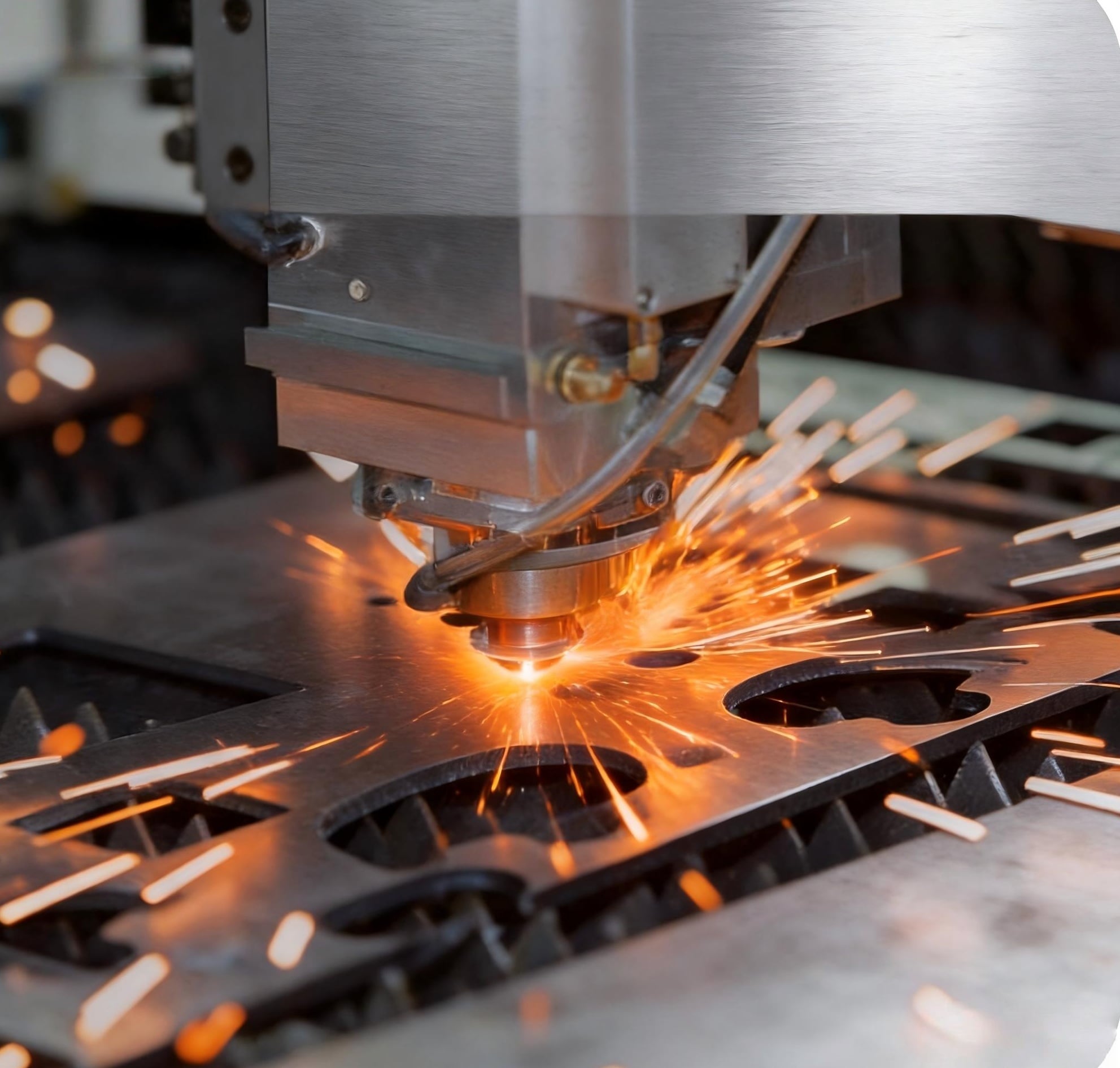
Processing capability also matters. Sheet metal components manufacturers may need laser cutting, shearing, punching, bending, rolling, drilling, tapping, welding coordination, grinding, deburring, and simple assembly. The correct processing route depends on material, thickness, tolerance, batch size, and part function. For example, laser cutting is suitable for complex shapes, while punching may be efficient for repeated hole patterns in larger quantities.
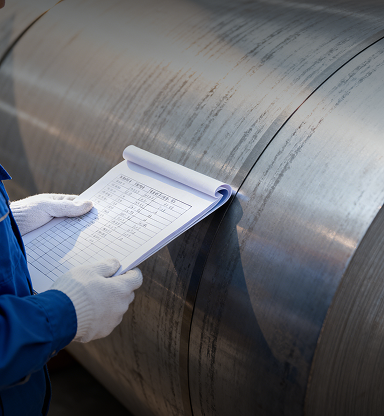
Quality expectations should be realistic and clearly defined. Sheet metal components manufacturers should confirm dimensional tolerance, flatness, edge burr level, hole accuracy, bend angle, surface condition, welding appearance, coating preparation, and packing method. Overly tight requirements may increase cost and lead time, while unclear requirements may cause mismatch during assembly. Practical communication helps sheet metal components manufacturers balance cost, function, and delivery.
Packing is especially important for sheet metal components manufacturers handling export orders. Flat panels may need paper separation, film protection, pallets, and edge guards. Formed parts may need cartons, foam, wooden cases, or separated layers to prevent deformation. Heavy parts may need reinforced pallets and clear labels. Proper packing helps sheet metal components manufacturers reduce transit damage and improve receiving efficiency.
For example, an electrical cabinet producer may need stainless steel sheet metal covers with brushed surfaces. An automation equipment builder may need aluminum brackets and machine guards. A furniture hardware buyer may need powder-coated panels and folded parts. A construction supplier may need galvanized sheet metal components for supports and covers. In each case, sheet metal components manufacturers must match material, process, finish, and packing with the final use.
Zhejiang Deqing International Steel Market is located in Deqing, Zhejiang, within the Yangtze River Delta industrial region. With access to broad metal resources, processing coordination, warehouse support, and logistics routes connected with major Chinese ports, we help sheet metal components manufacturers and international buyers manage mixed metal procurement more smoothly.
A reliable supply plan for sheet metal components manufacturers includes application review, material selection, drawing confirmation, size checking, processing arrangement, surface protection, packing design, customs declaration, container loading, and delivery tracking. By coordinating these steps, Zhejiang Deqing International Steel Market helps sheet metal components manufacturers reduce sourcing risk and improve order execution.
 EN
EN