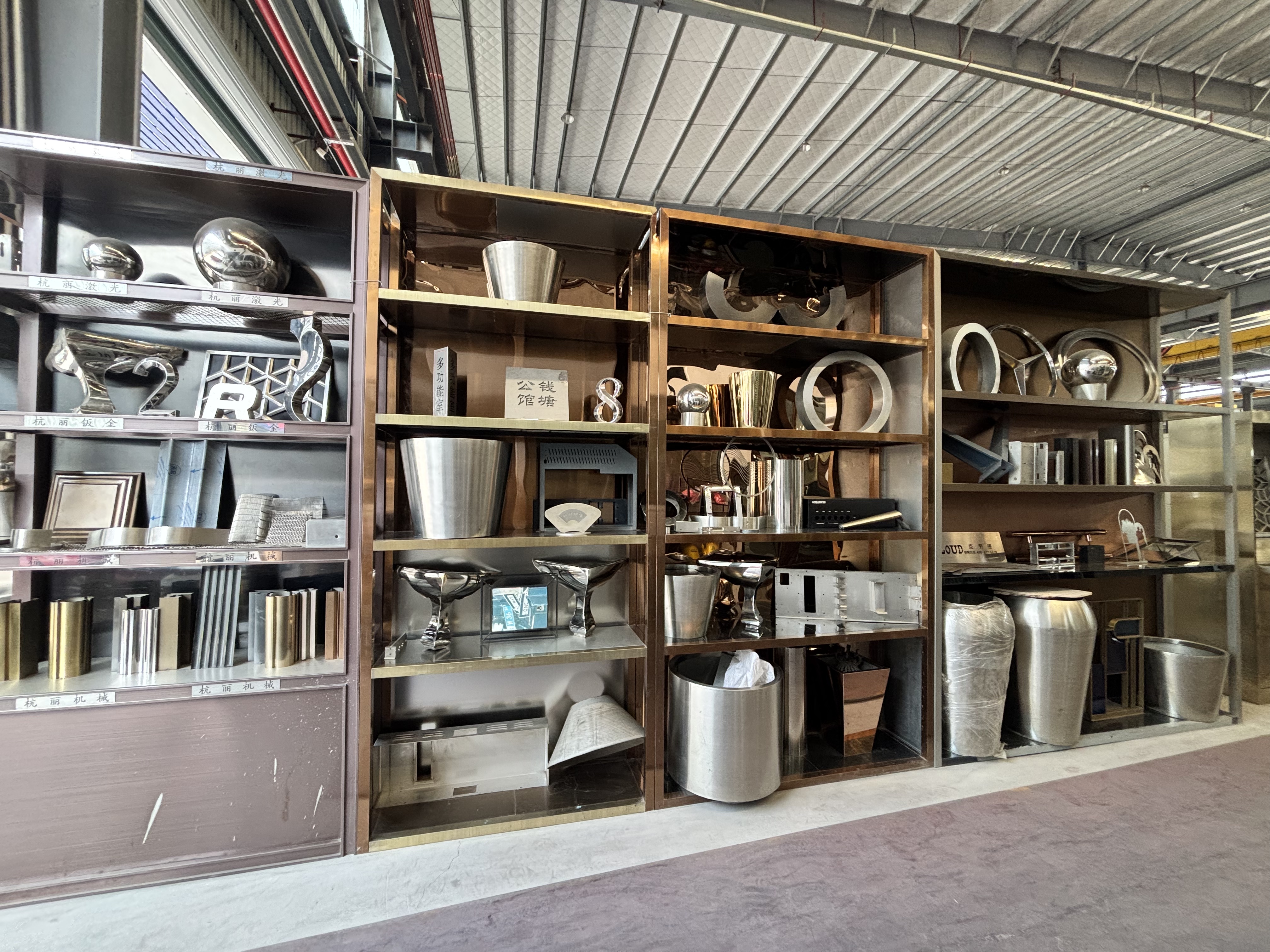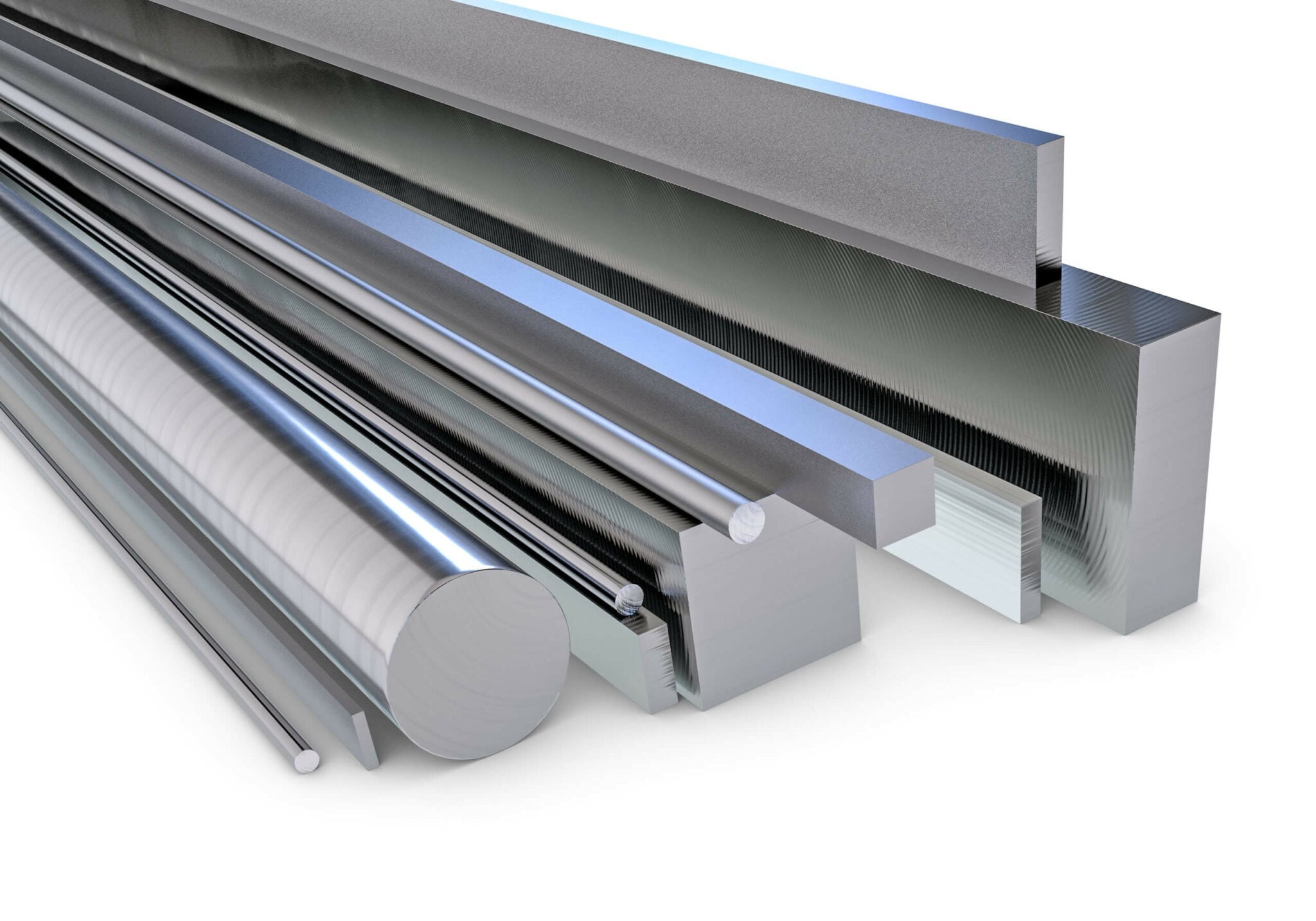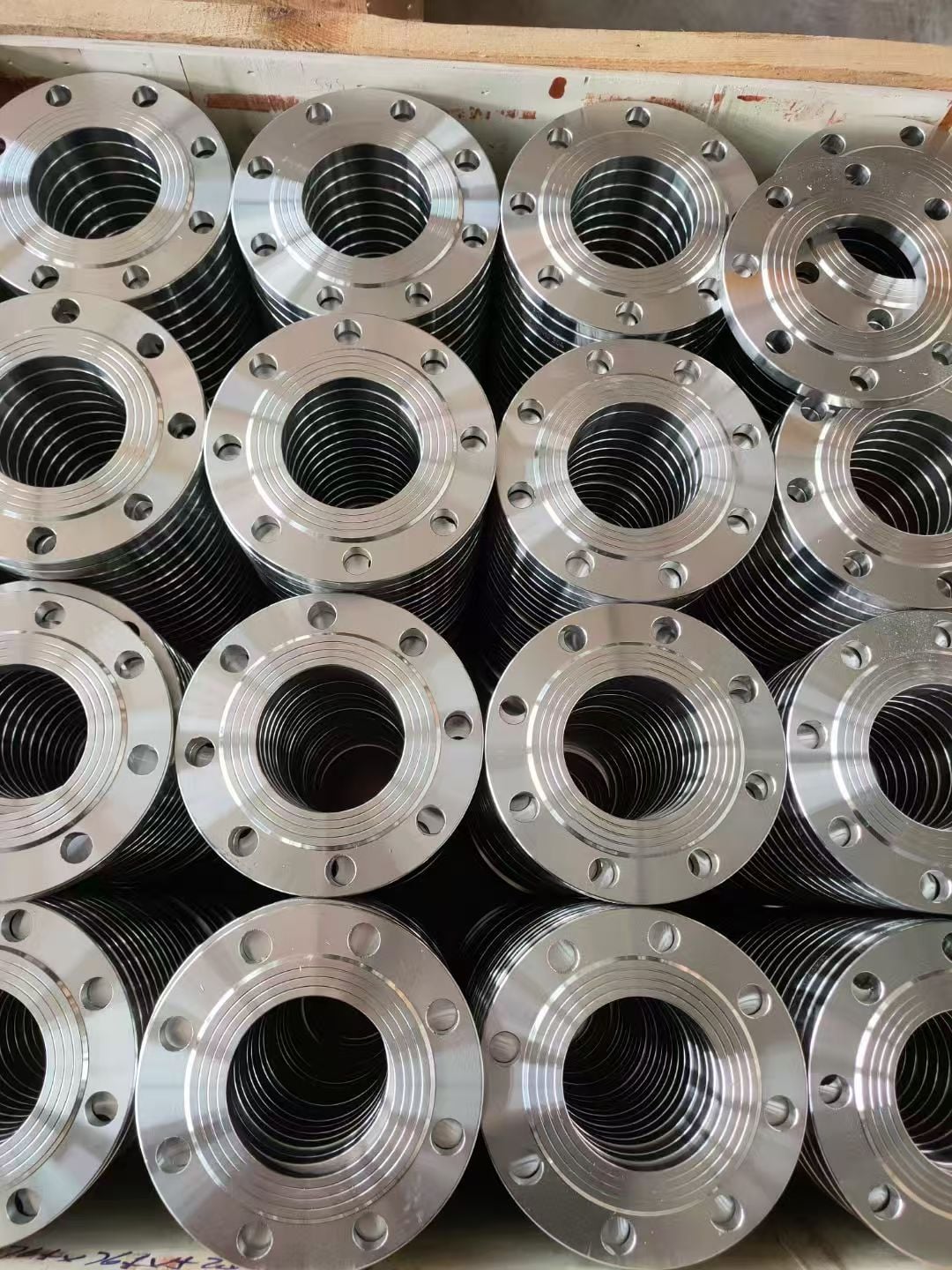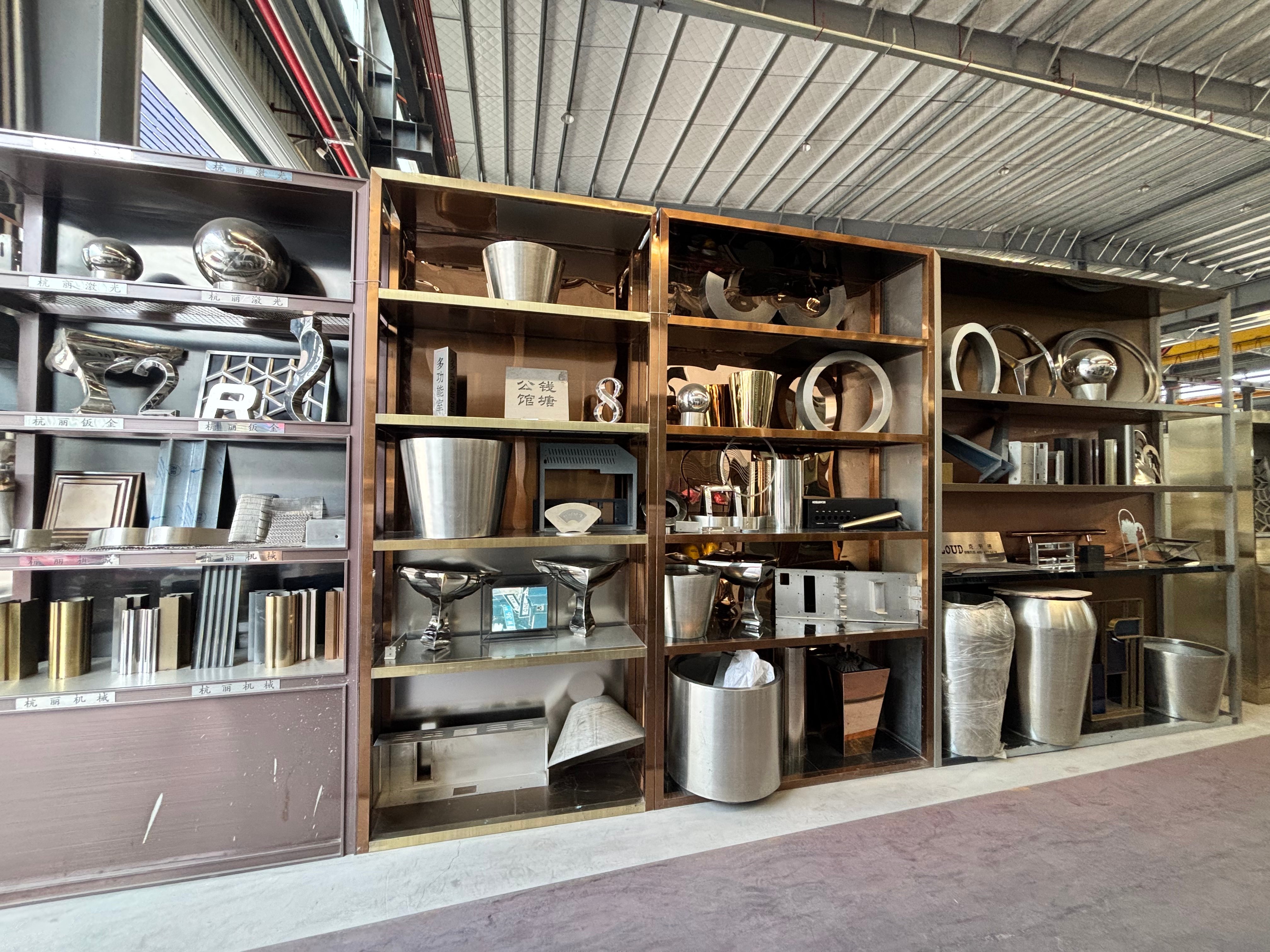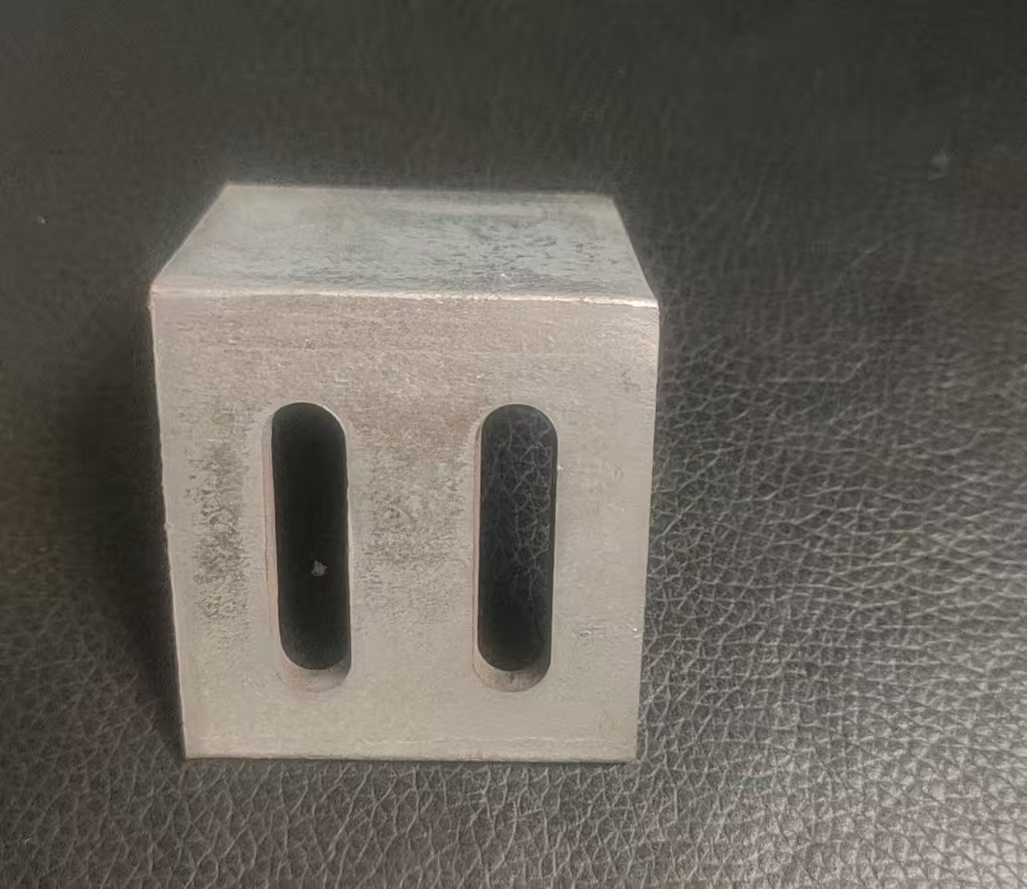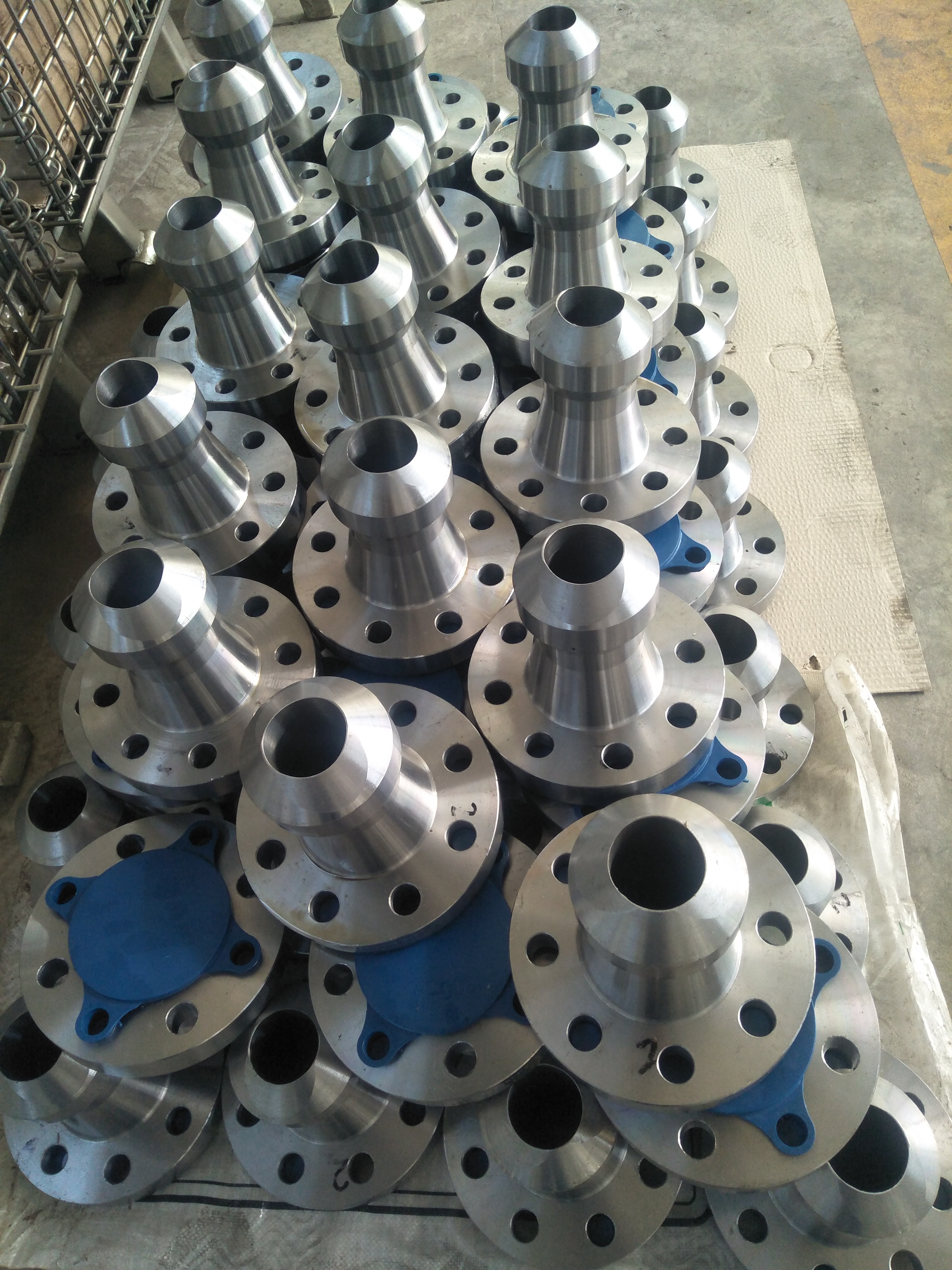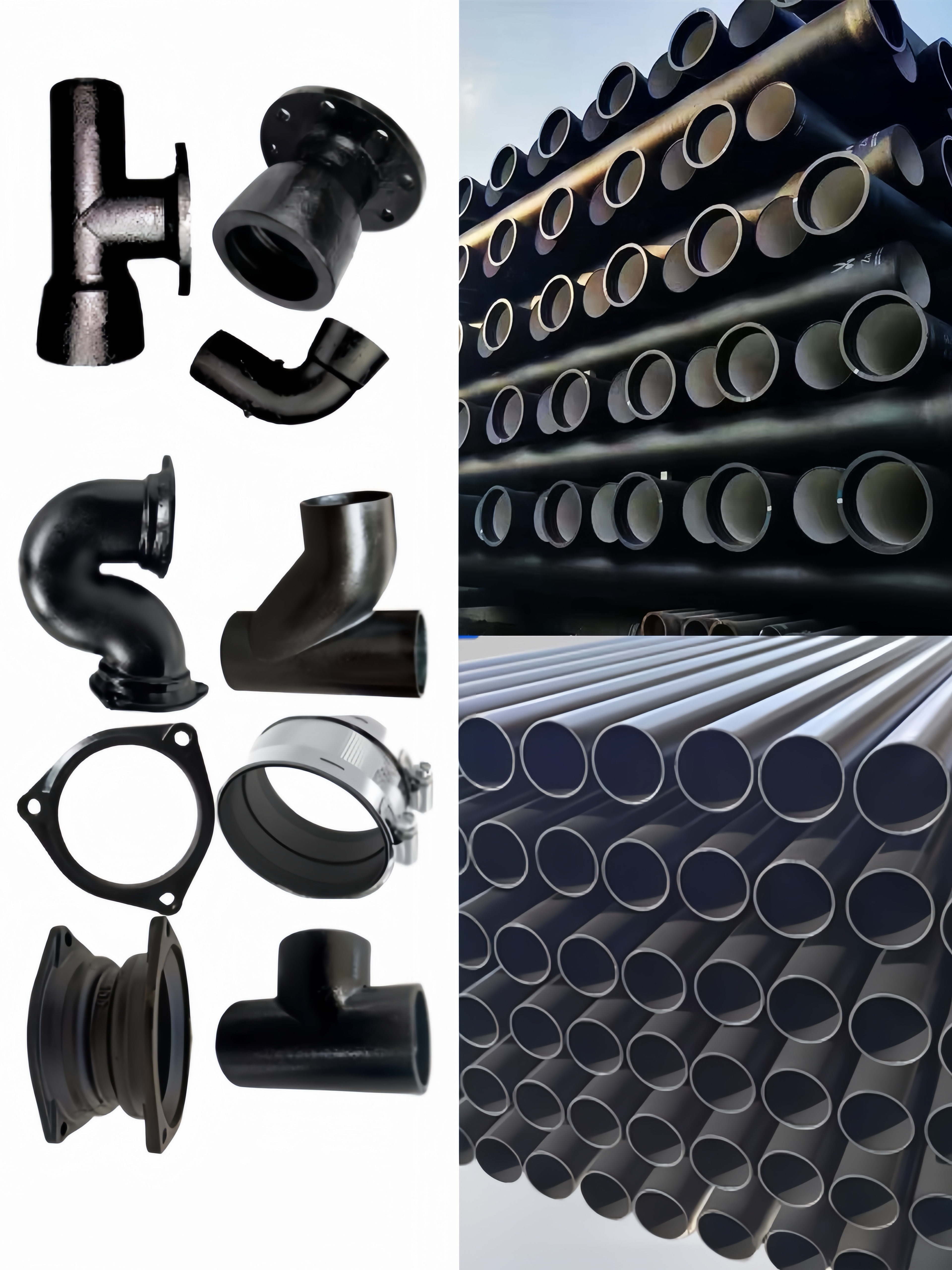
Steel castings manufacturer support is important for buyers who need custom steel parts with complex shapes, heavy sections, wear resistance, heat resistance, or structural strength. Compared with simple plate cutting or welded fabrication, casting can create thicker, curved, hollow, or integrated parts that are difficult to make by standard machining alone.
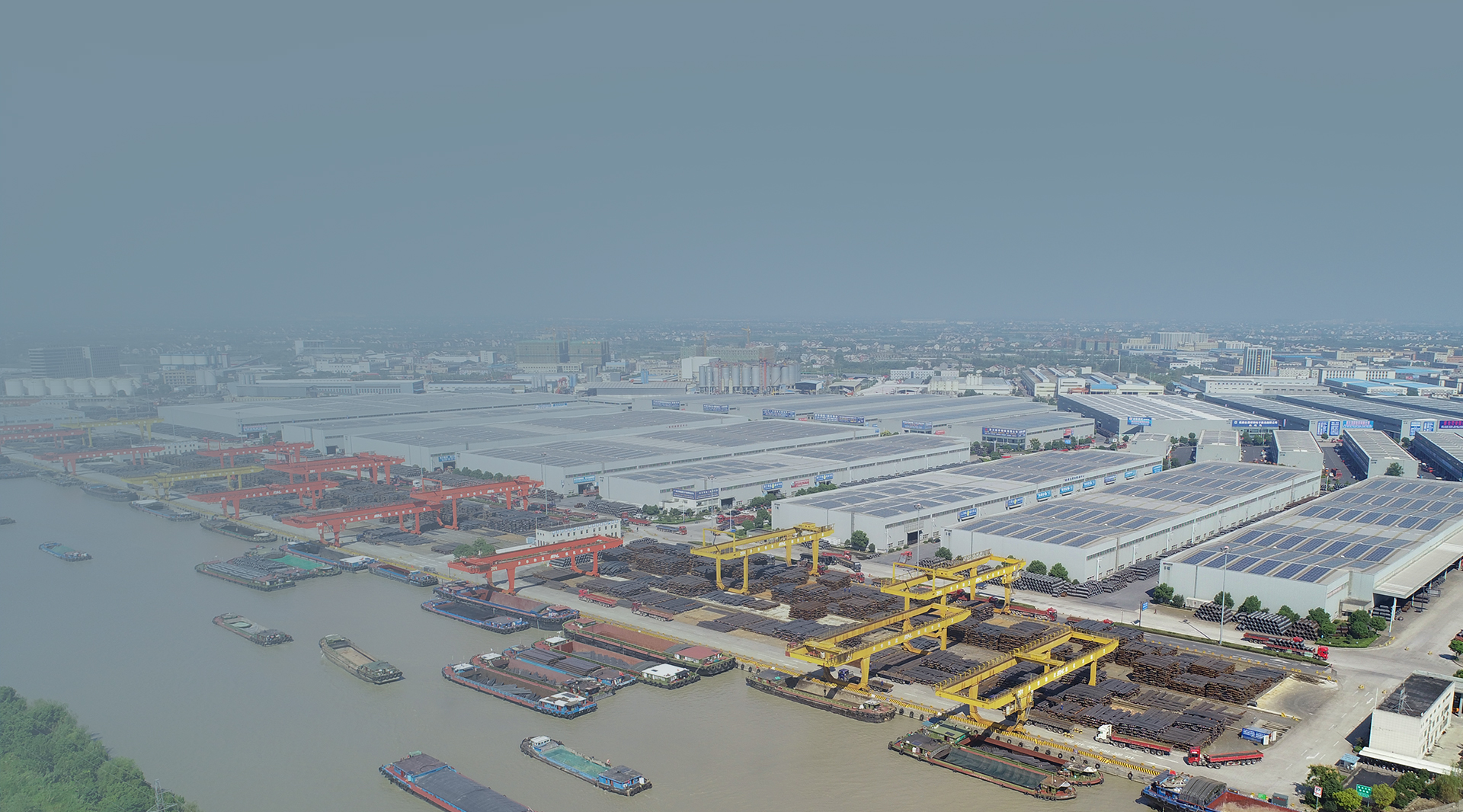
Zhejiang Deqing International Steel Market helps global buyers connect material sourcing, casting coordination, machining preparation, packing, customs declaration, and export delivery. When a buyer needs a steel castings manufacturer, we help organize communication around drawings, material selection, production feasibility, surface condition, packing, and shipment planning.
A steel castings manufacturer usually produces parts by pouring molten steel into molds to form the required shape. This process is suitable for machinery bases, pump housings, valve bodies, brackets, mining wear parts, rail components, agricultural machine parts, construction machinery components, marine hardware, and industrial equipment parts. It is especially useful when the part shape is too complex or too heavy for ordinary fabrication.
Material selection is one of the first steps when working with a steel castings manufacturer. Carbon steel castings are often used for general structural and machinery parts. Alloy steel castings may be selected for better strength, impact resistance, or wear performance. Stainless steel castings are used when corrosion resistance is needed. Heat-resistant and wear-resistant grades may be used in mining, cement, power, furnace, and heavy equipment environments.
A steel castings manufacturer needs clear application information. Buyers should explain whether the casting will carry load, resist impact, handle abrasion, contact water, work in heat, connect with other parts, or require machining after casting. Without this information, material choice and production planning may not match real service conditions.
Drawings are essential for accurate steel casting procurement. A steel castings manufacturer usually needs part drawings showing dimensions, wall thickness, machining areas, hole positions, tolerance, material grade, surface requirements, and final use. If buyers do not have drawings, samples or detailed photos with measurements may help with initial discussion, but formal drawings are recommended before production.
Pattern or mold preparation is another important part of steel casting work. For new custom castings, a steel castings manufacturer may need a wooden pattern, metal pattern, resin pattern, or other tooling method depending on quantity, size, accuracy, and production method. Pattern cost and lead time should be considered when buyers plan repeat orders or project schedules.
Casting method should match the part size and requirement. A steel castings manufacturer may use sand casting for large or medium custom steel castings, investment casting for smaller precision parts, or other casting methods depending on shape, tolerance, batch quantity, and surface needs. Sand casting is widely used for heavy machinery parts, while investment casting is often used for smaller and more detailed components.
A steel castings manufacturer may also coordinate heat treatment when required by the application. Heat treatment can improve mechanical properties, reduce internal stress, or prepare parts for machining and service. The need for heat treatment depends on material grade, part thickness, working load, wear condition, and customer requirement. Buyers should discuss expected performance rather than selecting only by price.
Machining allowance is a practical detail that should be confirmed early. Many steel castings are supplied as rough castings and then machined to final dimensions. A steel castings manufacturer should know which surfaces need machining, which holes need drilling, and which dimensions are critical. If allowance is too small, final machining may be difficult. If allowance is too large, material waste and machining cost may increase.
Surface condition should also be realistic. Steel castings may have casting texture, gate marks, riser areas, grinding traces, or shot-blasted surfaces. For hidden machinery parts, normal cleaned surfaces may be acceptable. For visible or assembly-critical parts, buyers should discuss grinding, cleaning, painting preparation, or surface protection. A steel castings manufacturer can better plan production when surface expectations are clearly described.
Tolerance requirements should be reasonable for the selected casting process. A steel castings manufacturer can usually manage practical dimensional control, but casting is not the same as precision CNC machining. If a buyer needs tight assembly dimensions, those areas should be machined after casting. Clear tolerance planning helps reduce disputes and improves final part usability.
Steel castings are common in mining and wear applications. Crusher parts, liners, buckets, hammers, links, wheels, and support components often need impact resistance and wear resistance. A steel castings manufacturer serving this area should consider material composition, section thickness, heat treatment, working environment, and replacement cycle. Buyers should provide wear conditions and load details whenever possible.
Pump and valve industries also use steel castings. Valve bodies, pump casings, impellers, covers, flanges, and housings may require controlled shapes, fluid passage design, corrosion resistance, and machining preparation. When requesting these parts, buyers should provide drawings, pressure or service conditions if relevant, material grade, machining areas, and surface protection needs.
Construction machinery and agricultural equipment buyers often need a steel castings manufacturer for brackets, arms, bases, wheel parts, housings, covers, links, and structural components. These parts may face vibration, dust, impact, mud, water, and outdoor conditions. Practical material selection, sufficient wall thickness, stable casting design, and proper packing are important for successful delivery.
Packing is important because steel castings are often heavy, irregular in shape, and vulnerable to edge damage or rust during transport. A steel castings manufacturer may pack parts on wooden pallets, in wooden cases, with waterproof wrapping, foam separation, steel straps, edge protection, labels, or reinforced container loading plans. Heavy castings should be loaded carefully to avoid movement during shipment.
For international procurement, communication should be detailed and practical. Buyers should provide material grade, drawing, casting weight, dimensions, quantity, machining request, surface requirement, packing method, destination port, and expected delivery schedule. If the exact material is not confirmed, buyers can explain the working condition so a steel castings manufacturer option can be discussed.
Zhejiang Deqing International Steel Market is located in Deqing, Zhejiang, within the Yangtze River Delta industrial region. With access to metal resources, processing coordination, warehouse organization, trucking routes, and port-connected logistics, we help buyers manage steel casting orders together with steel plate, pipe, profiles, fasteners, fittings, stainless steel, aluminum materials, and fabricated components.
A reliable steel castings manufacturer supply plan is not only about pouring metal into a mold. It includes drawing review, material selection, pattern planning, casting feasibility, machining allowance, heat treatment discussion, surface cleaning, packing design, customs declaration, container loading, and delivery coordination. Our platform helps buyers reduce procurement complexity and manage custom steel casting projects more smoothly.
 EN
EN